Quick Answer
Store unloaded 35mm film in a cool, dry, dark place at a steady room temperature, ideally below 70°F (21°C) with low humidity. For long-term storage or expired film, a refrigerator works, but you must seal the film in an airtight bag and let it reach room temperature before opening it to prevent condensation. Never leave film in a hot car, a humid bathroom, or direct sunlight.
Why Heat and Humidity Are the Real Enemies
Film is a chemical product. Its light-sensitive emulsion keeps reacting slowly even when you are not shooting, and heat accelerates that reaction. Humidity adds a second problem: moisture can soften the gelatin emulsion, encourage mold or fungus growth, and cause the layers to stick together. The result is fogging, color shifts, and inconsistent results that no scanning or editing can fully recover.
A common mistake is judging storage by how the film looks. A roll that sat in a hot car for a week usually looks perfectly normal. The damage shows up later as muddy shadows, a strong color cast, or grain that looks coarser than expected. That is why prevention matters more than any rescue attempt.
Where to Keep Film Day to Day
For film you plan to shoot within a few weeks, a closet, drawer, or shelf away from windows and heating vents is fine. The goal is stability rather than cold: pick a spot where the temperature does not swing between day and night, and where humidity stays moderate. Keep rolls in their original canisters, and keep the canisters inside a box or bag so light and dust stay out.
Avoid the kitchen, the bathroom, and the garage. Kitchens and bathrooms see the biggest humidity swings, and garages often get both heat and damp. If you live in a very humid climate, a sealed plastic container with a reusable desiccant pack adds a useful buffer, but replace or recharge the desiccant regularly so it does not become saturated.
When the Fridge Helps and How to Use It
Refrigeration slows the chemical aging process, so it makes sense for film you will not shoot for months, for bulk stock, and for expired film you want to preserve. The tradeoff is condensation. Cold film exposed to warm, humid air collects moisture on the surface and inside the canister, which can ruin the emulsion before you load it.
The workaround is simple. Put each roll in a sealed zip-top bag or a tightly closed container, then place it in the fridge. When you are ready to shoot, take the sealed bag out and let it sit unopened for at least two to four hours for a single roll, or overnight for a larger batch. Only open the bag once the film has reached room temperature. Do not refreeze film you have already thawed and opened.
Handling Expired Film Without Wasting It
Expired film is not automatically bad, but it has already lost sensitivity, so storage conditions matter more. If an expired roll was kept cool and dry, it often still shoots well with a little extra exposure. If it sat in a hot attic for years, expect fogging and color shifts that no storage trick can reverse.
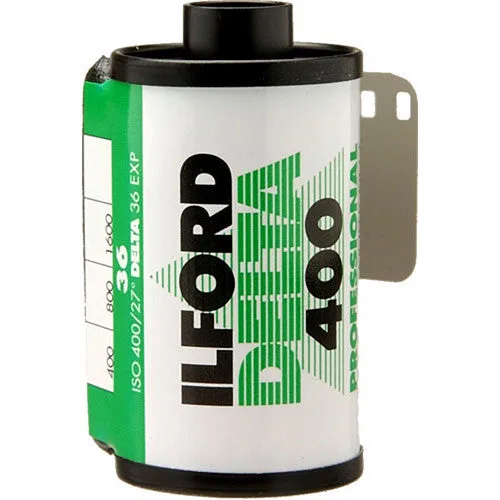
A practical test is to shoot one roll from a batch before committing a whole project to it. Rate expired black-and-white film like Ilford Delta 400 at a lower ISO, such as 200, to compensate for lost sensitivity, and bracket a few frames. For color negative film, overexposing by one stop is a common starting point. If the results look flat or heavily fogged, stop and use the rest for experiments rather than important work.
Travel and Shooting-Day Habits That Protect Film
Most film damage happens outside the storage drawer. A camera bag left in a parked car can hit 120°F or more in summer, which is enough to fog a roll in a single afternoon. Carry film in a small insulated pouch or your day bag, and take it with you instead of leaving it in the vehicle.
At airport security, request a hand check for film rather than sending it through the X-ray machine, especially for high-ISO or already-expired stock. Once a roll is loaded, shoot it within a reasonable time and develop it promptly. Film that sits in a camera for months is aging just as surely as film on a shelf.
Diagnose Your Film Storage Problem
- Symptom: film looks fine but scans come back muddy or color-shifted: Likely cause is cumulative heat exposure, such as a car or garage, that aged the emulsion before development. Corrective action is to move all unshot film to a stable, cool, dry spot and shoot a test roll from the same batch to confirm the damage. If the test roll is also flat or fogged, the batch is compromised; stop using it for paid or important work.
- Symptom: condensation or water spots on film after taking it out of the fridge: The film was opened before it reached room temperature. Corrective action is to always seal film in an airtight bag before refrigerating, then wait two to four hours or overnight before opening the bag. Once moisture has reached the emulsion, there is no reliable fix; prevent it rather than trying to dry the roll.
- Symptom: expired film gives thin, fogged, or inconsistent negatives: Age plus poor storage has reduced sensitivity. Corrective action is to overexpose by about one stop and bracket key frames, then judge the results before shooting more. If two rolls from the batch behave the same way, retire the batch to experiments and buy fresh film for anything that matters.
Film and Cameras That Fit This Routine
- Ilford Delta 400 Professional Black and White Negative Film - 35mm Roll Film - 36 Exposures: Ilford Delta 400 is a 35mm, ISO 400 black-and-white film with 36 exposures, built for high speed and maximum sharpness. Its ISO 400 speed makes it a good candidate for cooler storage and careful expired-film testing, since you can rate it lower to offset age-related sensitivity loss.
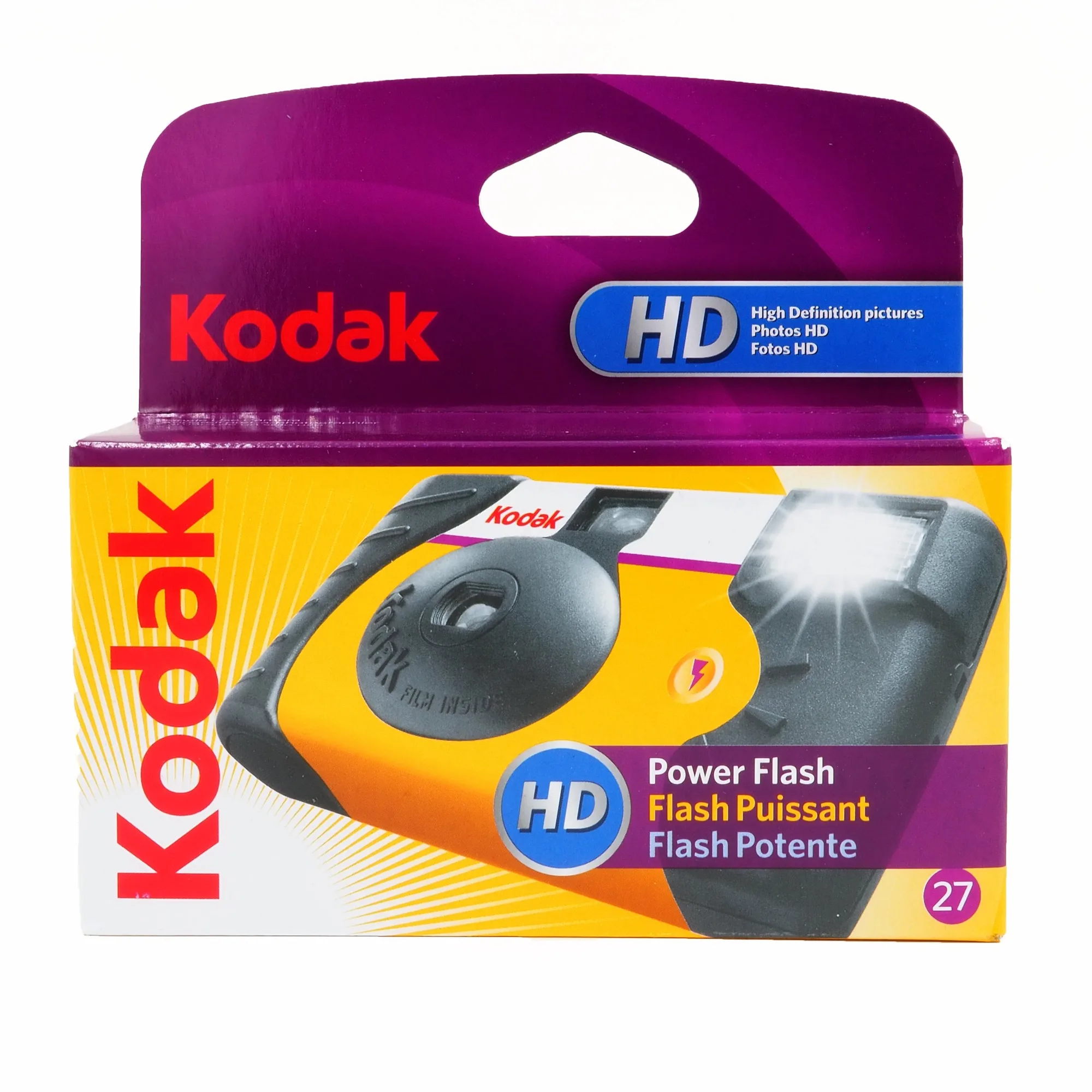
- Kodak Power Flash 35mm One-Time-Use Disposable Camera - ISO-800, 27 Exp.: The Kodak Power Flash is a single-use camera loaded with ISO 800, 27-exposure film and a simple manual flash rated for roughly 4 to 11.5 feet. Because the film is sealed inside the camera, you cannot refrigerate it separately, so keep the whole camera out of hot cars and humid rooms until you finish the roll.