Quick Answer
Store unexposed 35mm film in a sealed bag in the fridge at 35–45°F (2–7°C) to slow aging. After shooting, keep exposed film cool and dry, then develop as soon as possible. Avoid extreme temperature swings and high humidity to prevent fogging and mold.
Why Film Storage Matters
Film is a chemical product that degrades over time. Heat and humidity accelerate this process, causing loss of sensitivity, increased grain, and color shifts. Proper storage preserves the film's intended performance, whether you're shooting a fresh roll or one that's been sitting for a while.
The key enemies are temperature, humidity, and light. Even before exposure, film begins to age. After exposure, the latent image is more vulnerable to heat and moisture, which can cause fogging and reduce contrast.
How to Store 35mm Film: Step by Step
- Store unexposed film in a sealed container in the fridge: Place the film canisters in a zip-top bag or airtight container. Squeeze out as much air as possible before sealing. Then put the bag in the refrigerator, not the freezer, unless you plan to keep it for more than a year. The fridge temperature (35–45°F) slows chemical aging without the risk of condensation damage that can occur with freezer storage. Common mistake: Putting film directly in the fridge without a sealed bag. Moisture can condense on the cold canister and damage the film.
- Let film warm up before opening the bag: When you're ready to use a roll, remove the sealed bag from the fridge and let it sit at room temperature for at least one hour. This prevents condensation from forming on the film surface when you open the canister. For film stored in the freezer, allow 2–3 hours. Checkpoint: If you open the bag while the film is still cold, moisture will condense on the emulsion and can cause spotting or sticking.
- Protect exposed film from heat and humidity immediately: After shooting, return the film to its canister and store it in a cool, dry place. Avoid leaving it in a hot car or direct sunlight. A sealed bag in a drawer or a dedicated film storage box works well. The goal is to keep the latent image stable until development. Common mistake: Leaving exposed film in a camera bag for weeks. Heat and humidity can degrade the latent image, especially with color film.
- Develop exposed film as soon as practical: While film can survive weeks or months after exposure if stored properly, the latent image is most stable when developed quickly. Color film and high-speed films are more sensitive to delay. Aim to develop within a month for best results, especially if you shot in challenging conditions. Checkpoint: If you can't develop immediately, store exposed film in the fridge in a sealed bag, but be aware that the latent image will still slowly degrade.
- Control humidity in your storage area: High humidity promotes mold growth and can cause film to stick together. Keep your storage area below 50% relative humidity. A silica gel desiccant pack in your film storage container adds extra protection. Avoid basements or bathrooms for long-term storage. Common mistake: Storing film in a damp basement or garage. Even sealed bags can't fully protect against persistent high humidity over months or years.
Related Product
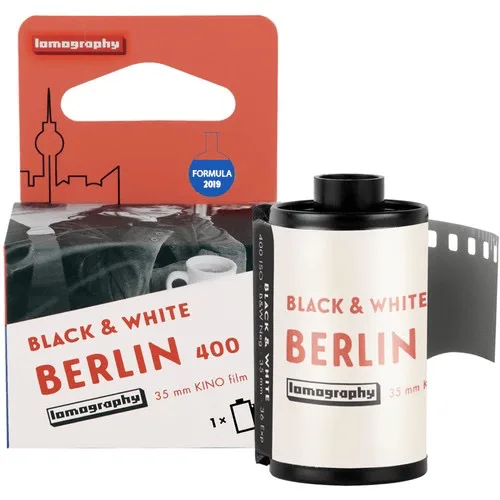
- LOMOGRAPHY Berlin Kino Black and White 400 ISO 35mm x 36 exp.: Berlin Kino Berlin Kino - Capture life’s most elusive moments in everlasting monochrome charm with this rare black and white cine film. Inspired by the New German Cinema sweeping through Berlin in the 1960s, our original Berlin Kino Film emulsion was an utter blockbuster. However, as German cinema evolved through time, adapting to meet the innovatory spirit of its founding fathers, so did our film formula. Refined… This emulsion is a modern version of a classic cine film stock. Proper storage is especially important to preserve its unique tonal qualities and keep the grain structure consistent across rolls.