Quick answer
Store acrylic stands upright in a rigid box with soft dividers so pieces never rub together. Keep badges in individual sleeves or a binder page, away from direct sun and heat. The goal is zero contact between acrylic surfaces and a stable, dry environment.
Why acrylic scratches so easily
Acrylic is softer than glass. Dust, grit, and even a stray staple can leave permanent marks when two pieces slide against each other. The same material also warps near heat, so a sunny shelf or a hot car is worse than a crowded box.
What to look for in a storage box
Choose a box with a flat base and a lid that closes without pressing down on the contents. Acid-free dividers or foam sheets prevent rubbing. Avoid cardboard that sheds fibers, and avoid tight vacuum bags that trap moisture.
Handling and dusting without damage
Hold stands by the base or edges, not the printed face. Use a soft microfiber cloth or a dry camera brush. Never use paper towels or household glass cleaner, which can cloud the surface.
Step-by-step storage routine
- Sort by size and material: Group large standees, small acrylic charms, and flat badges separately. Mixing sizes causes pressure points. Checkpoint: if a piece can slide more than a finger-width, add a divider.
- Wrap each acrylic piece in acid-free tissue or a soft sleeve: Use a sleeve or tissue that does not shed. For badges, a clear penny sleeve or binder page works. Do not use rubber bands. Mistake to avoid: sealing pieces in plastic wrap traps moisture and can leave marks.
- Place pieces upright in a rigid box with dividers: Stand them on their bases or edges, not flat, to avoid warping. Fill empty gaps with foam or folded tissue. Checkpoint: the lid should close with no resistance.
- Store the box in a cool, dry, dark place: A closet shelf or under-bed drawer away from windows and heaters is ideal. Avoid attics, garages, and damp basements. Mistake to avoid: stacking heavy items on top of the box.
- Inspect and rotate every few months: Open the box, check for dust or warping, and gently re-seat any pieces that shifted. This catches problems early. Next step: if you see clouding, move the box to a drier spot.
Product facts that affect storage
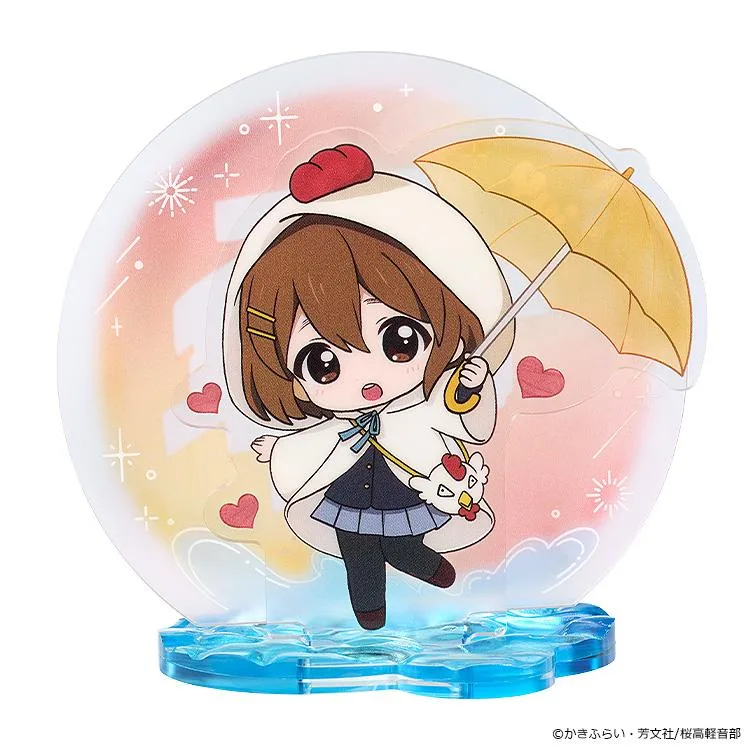
- 【Pre-order】K-ON! - Yui Hirasawa Acrylic Stand (Fluffy Rain Series): Pre-order window closes Jul 08, 2026. Expected dispatch Jan 2027. Manufacturer: Good Smile Moment. If you are planning storage for a future arrival, you have time to prepare a box and dividers before the stand ships.
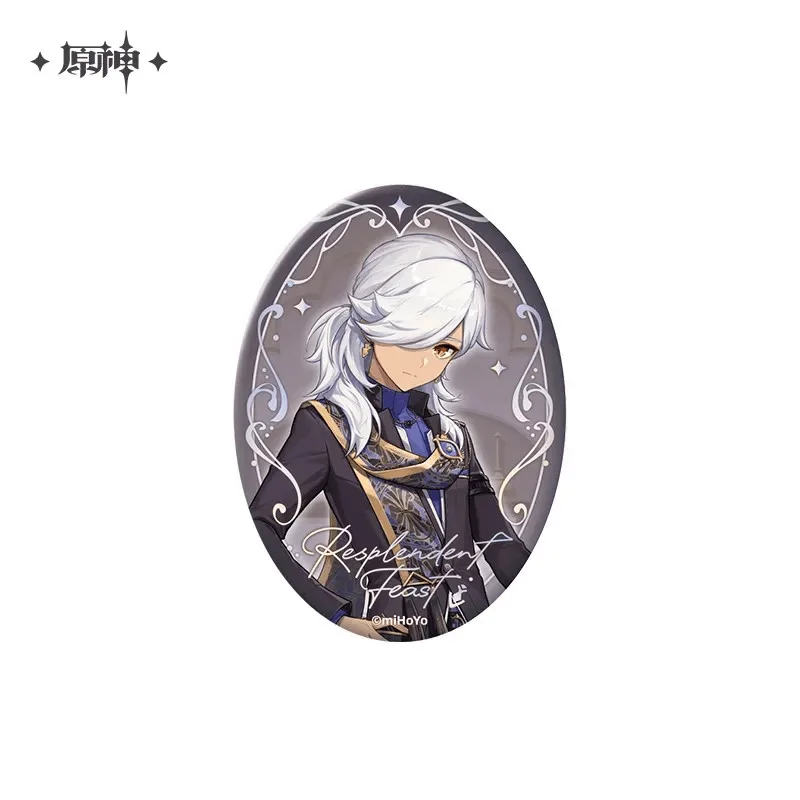
- Genshin Impact - Resplendent Feast Series - Cyno Merchandise: Includes a reflective oblong badge (approx. 47 x 65cm), acrylic standee (approx. 79 x 154cm), and acrylic photo frame (97 x 136mm). The large standee and badge need a wide, flat storage space; the photo frame and smaller acrylic pieces can go in a divided section.
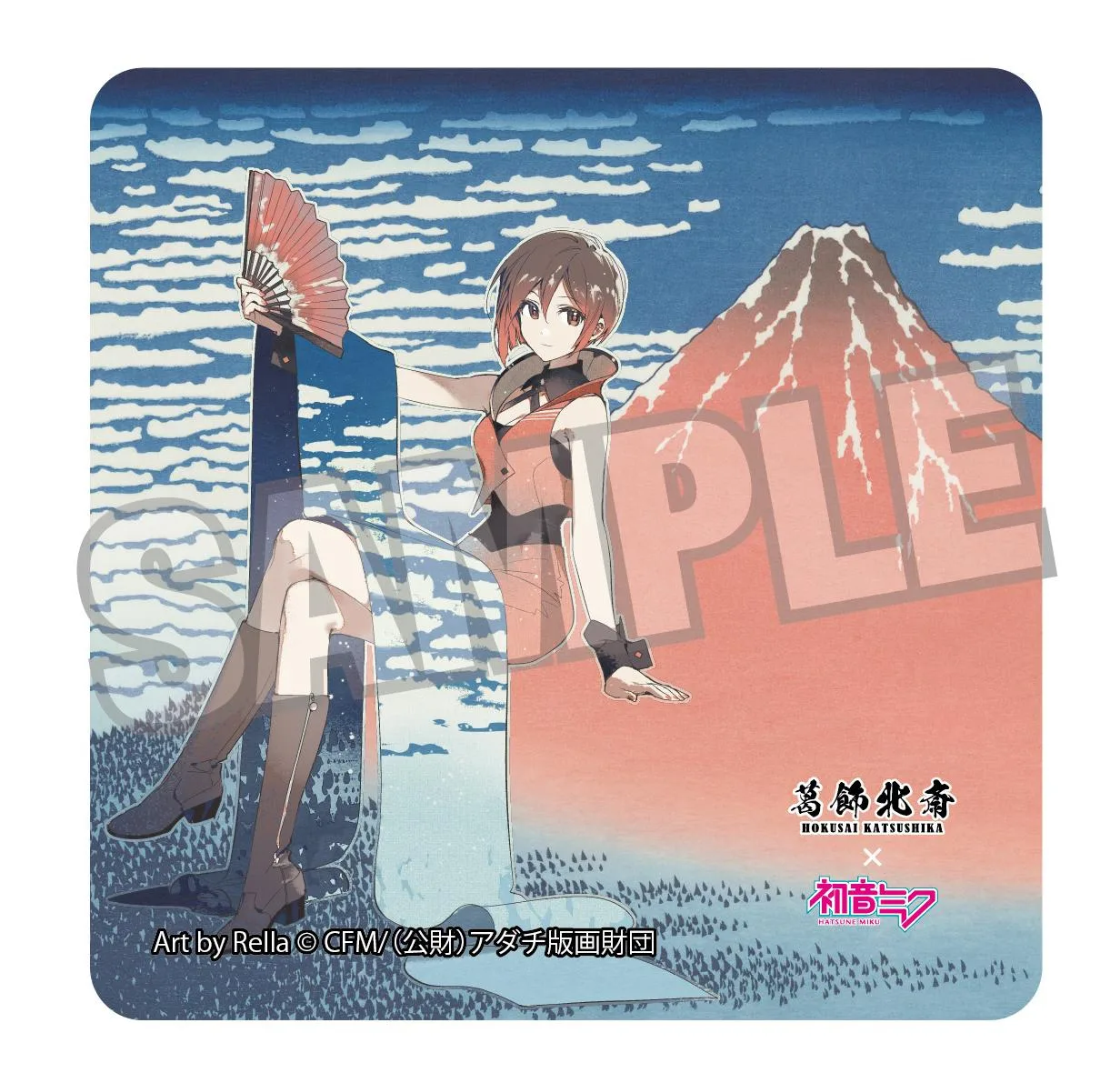
- 【Pre-order】Hokusai Katsushika x Hatsune Miku - MEIKO Sticker (Rella, Fine Wind, Clear Morning): Pre-order window closes Aug 02, 2026. Expected dispatch Dec 2026. Manufacturer: Presence. Stickers and flat merch should be stored separately from rigid acrylic to avoid adhesive transfer or bending.