Quick answer
Store action figures long term in a cool, dark, dry space with stable temperature and humidity, then pack each figure so it cannot rub or press against another. Use acid-free tissue or bubble wrap for loose figures and rigid, vented containers for boxed ones. Check the collection every six months and fix any moisture, warping, or pressure marks immediately.
Choose a storage space with stable temperature and low humidity
The most common long-term damage comes from where figures sit, not how they are wrapped. A closet or interior shelf that stays between 60 and 75°F with humidity under 50% prevents the two biggest threats: warping from heat and mold from damp air. Avoid attics, garages, basements, and exterior walls, which swing in temperature and pull moisture through the wall. If you cannot measure humidity, a cheap hygrometer removes the guesswork. A dehumidifier or silica packets in the storage bin help in humid climates, but they cannot rescue a figure stored against a damp concrete wall.
Clean and dry figures before they go into storage
Dust, skin oils, and food residue attract pests and can stain paint over years. Dust loose figures with a soft makeup brush or canned air, then wipe hard plastic with a barely damp microfiber cloth and let them air-dry completely before packing. Never seal a figure that still feels cool or damp to the touch. For boxed figures, brush the cardboard and window with a dry soft brush only; moisture on cardboard causes warping and delamination that cannot be reversed.
Pack loose figures so they cannot rub or press together
Paint rub happens when two figures touch and vibrate during handling or moving. Wrap each loose figure individually in acid-free tissue or a single layer of bubble wrap, then place them in a rigid container with no room to slide. Do not stack heavy figures on top of lighter ones, and do not store figures in sealed zipper bags for years, because trapped moisture and plasticizer gas can cloud clear parts. If you keep accessories with a figure, bag them separately inside the same wrap so hard edges do not dent the body.
Store boxed figures upright and protect the window box
Boxed figures need different handling than loose ones. Stand them upright, spine to spine, and never lay them flat under weight, because the cardboard and plastic window will bow. Line the bottom of the container with acid-free tissue or a clean cotton cloth, then add a rigid divider between rows. Do not tape the boxes shut or write on them; adhesive and ink migrate into cardboard. If you stack containers, keep the heaviest at the bottom and leave a finger-width gap at the top so the lid does not press down on the boxes.
Label, rotate, and inspect the collection twice a year
A storage plan fails when you cannot find anything or forget what is inside. Label each container with contents and date, and keep a simple list on your phone. Every six months, open the containers, check for condensation, musty smell, warping, or sticky residue, and let the figures air for an hour in a dry room before resealing. Rotate display pieces back into storage and inspect the ones that have been boxed the longest. Catching a small paint lift or a soft corner early is far easier than repairing a warped figure later.
Long-term storage steps
- Pick a stable, dry location: Choose an interior closet or shelf that stays cool and dark with humidity below 50%, away from exterior walls, floor concrete, and direct sun. Checkpoint: if the space smells musty or feels damp, fix the room before storing anything.
- Clean and fully dry each figure: Dust with a soft brush, wipe hard plastic with a barely damp cloth, and let everything air-dry until it is room temperature and dry to the touch. Mistake to avoid: sealing a figure that still feels cool or damp traps moisture inside the wrap.
- Wrap loose figures individually: Use acid-free tissue or one layer of bubble wrap per figure, bag accessories separately, and place them in a rigid container with no sliding room. Mistake to avoid: storing figures loose together causes paint rub and joint stress.
- Stand boxed figures upright with dividers: Keep window boxes vertical, spine to spine, with acid-free tissue under them and a rigid divider between rows; never lay them flat under weight. Mistake to avoid: stacking heavy containers directly on boxed figures bows the cardboard and cracks the window.
- Label and inspect every six months: Write contents and date on each container, keep a phone list, and open everything twice a year to check for condensation, odor, warping, or sticky residue. Next step: rotate one display piece back into storage each inspection so the whole collection gets checked over time.
Product facts that affect storage
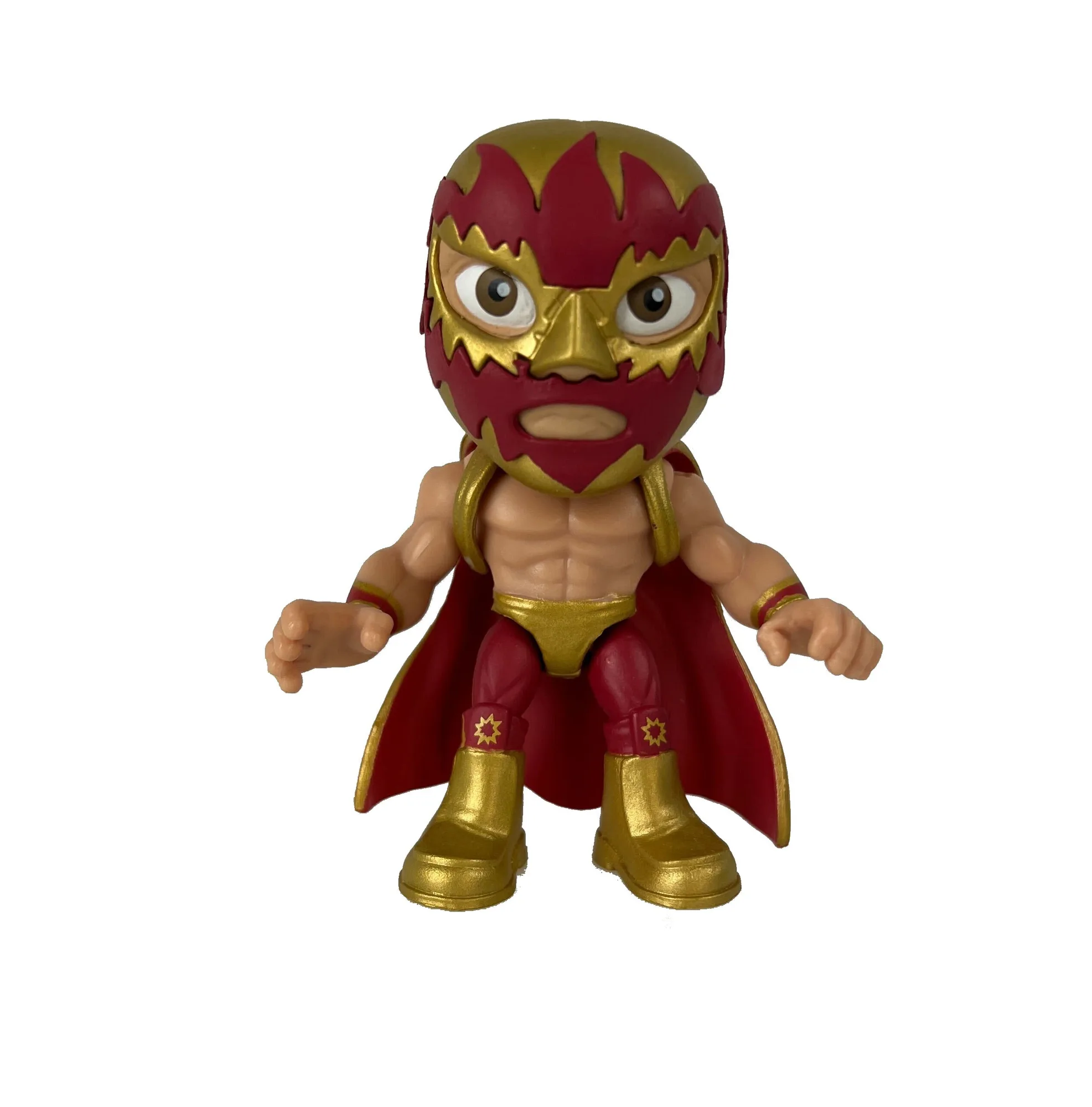
- Legends of Lucha Libre - Luchacitos Mini Action Figures - Solar, Gold Costume: Legends of Lucha Libre - Luchacitos Mini Action Figures - Solar, Gold Costume is a 3-inch articulated figure sold in a window box. Small articulated figures have thin joints and a display window, so store them upright and avoid pressure on the box to prevent joint warp and window cracking.
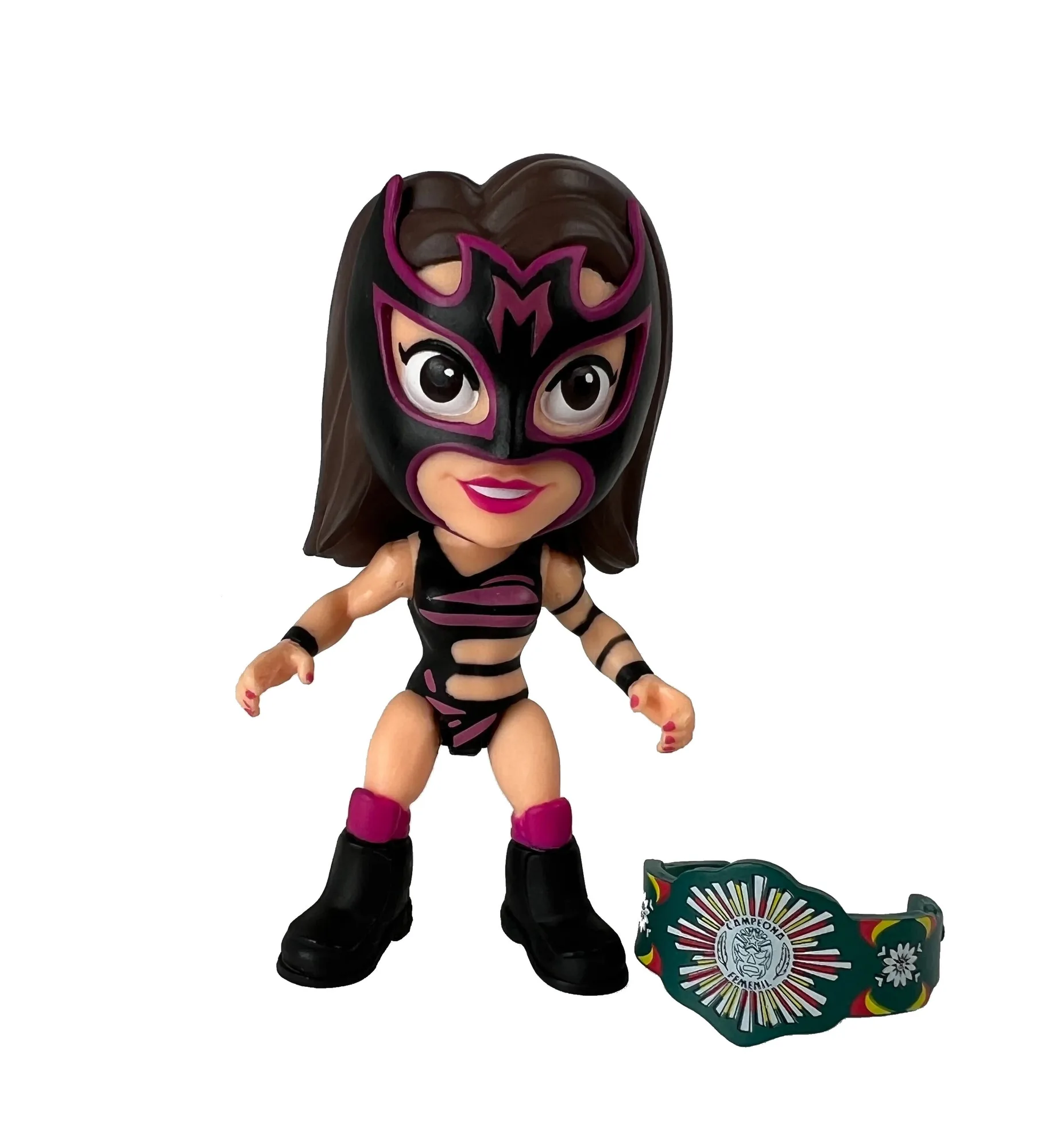
- Legends of Lucha Libre - Luchacitos Mini Action Figures - Lady Maravilla, Pink Costume: Legends of Lucha Libre - Luchacitos Mini Action Figures - Lady Maravilla, Pink Costume is a 3-inch articulated figure in a window box. The compact size makes them easy to lose in large bins; wrap each one individually so small hands and accessories do not rub against other figures.
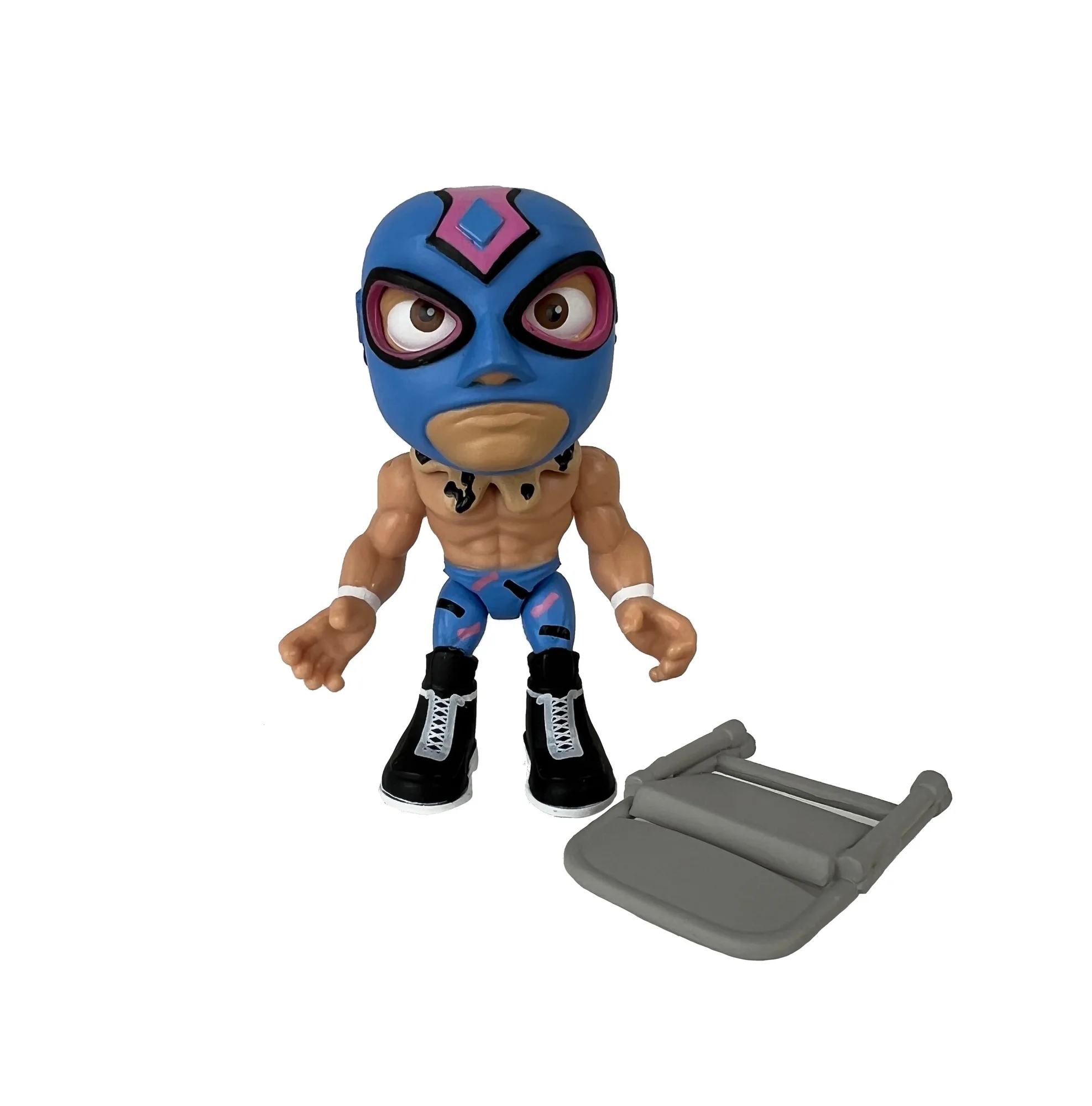
- Legends of Lucha Libre - Luchacitos Mini Action Figures - Konnan, Blue Costume: Legends of Lucha Libre - Luchacitos Mini Action Figures - Konnan, Blue Costume is a 3-inch articulated figure in a window box. Because the line includes multiple characters and two costume choices, label storage by character and costume so you can find a specific version without digging through the whole bin.