Quick answer
Store dried American ginseng roots whole, in an airtight container, away from light and heat, and check them every few weeks for soft spots or fuzz. If you live somewhere humid, keep them in the refrigerator rather than the pantry, and add a food-safe desiccant packet to absorb stray moisture. The goal is simple: steady, dry, dark, and cool, with as little air exchange as possible.
Why moisture is the real enemy, not time
Dried ginseng roots rarely fail because they are old. They fail because they took on moisture. Once the interior of a root climbs above roughly the same humidity as the room around it, molds and yeasts have a surface to grow on, and the root can go soft, dark, or musty within weeks. That is why every decision below is really a moisture decision: which container, which room, whether to refrigerate, and how often to inspect. Temperature and light matter too, but they mostly accelerate or slow the moisture problem rather than cause it on their own.
A useful test before you store anything: bend a root. A properly dried root should snap or crack rather than flex. If it bends like a leather strap, it is not dry enough for long-term pantry storage and needs more air-drying first, or it should go straight into the refrigerator.
Whole roots versus slices: store them differently
Whole roots hold up better in storage than slices or powder because they have far less exposed surface area. If you buy whole roots, keep them whole until you are ready to use them, and break off only what you need for the next week or two. If you already have slices, treat them as the more fragile format: smaller container, shorter check interval, and a stronger case for refrigeration.
This is also where a product format decision becomes a storage decision. Instant tea sachets and herbal soup packets are sealed, shelf-stable formats that sidestep root storage entirely, which is worth knowing if you like ginseng but do not want to babysit a jar of roots.
Where to keep them: pantry, fridge, or freezer
A cool, dark, dry pantry works if your kitchen stays below about 70°F and humidity is low. In a humid climate, or in a kitchen that swings between steamy and air-conditioned, the refrigerator is the safer default. Wrap roots first so they are not sitting in open air next to produce, then place them in an airtight container in a part of the fridge that does not freeze.
The freezer is a reasonable long-term option only if you package roots so they cannot pick up freezer burn or odors, and only if you accept that repeated thaw-and-refreeze cycles are hard on texture. If you go that route, portion roots into small amounts so you thaw once, not repeatedly.
How long ginseng actually keeps
There is no single official shelf life for dried American ginseng, and any number you see online should be treated as a rough guide rather than a guarantee. What you can control is the trend: well-dried roots in an airtight, dark, cool container hold their quality far longer than the same roots in a paper bag on a sunny shelf. Check aroma and texture rather than relying on a calendar date.
Practical checkpoints: a faint earthy smell is normal; a sour, musty, or hay-like smell is not. Firm, snapping roots are fine; spongy or pliable roots need attention. Small surface discoloration that wipes away is different from fuzzy growth that returns after wiping.
Storage steps, in order
- Confirm the roots are fully dry: Bend one root. It should snap or crack, not flex. If it bends, air-dry it in a dark, ventilated spot until it snaps, then start the storage steps. Checkpoint: a root that bends is not ready for a sealed jar.
- Keep roots whole until you need them: Break off only what you will use in the next week or two. Slices and powder expose far more surface area and pick up moisture faster than whole roots. Common mistake: pre-slicing a whole batch for convenience, then watching it go soft.
- Choose an airtight container, not a bag: Glass jars with a gasket, or a well-sealed food-grade container, beat zip bags and paper. Add a food-safe desiccant packet if your climate is humid. Checkpoint: if you can smell the ginseng through the closed container, air is moving in and out.
- Pick a cool, dark spot, or the refrigerator: Away from the stove, the window, and the dishwasher. In humid conditions, refrigerate instead. Wrap roots so they do not sit in open air beside produce. Common mistake: storing on top of the fridge, one of the warmest and dampest spots in a kitchen.
- Inspect every few weeks and act fast: Look for fuzz, dark patches, or a musty smell, and feel for softness. Discard anything fuzzy or sour-smelling rather than trying to salvage it; mold spreads through a jar. Prevent ginseng mold by catching it at the first soft spot, not the first fuzzy patch.
Product facts worth knowing
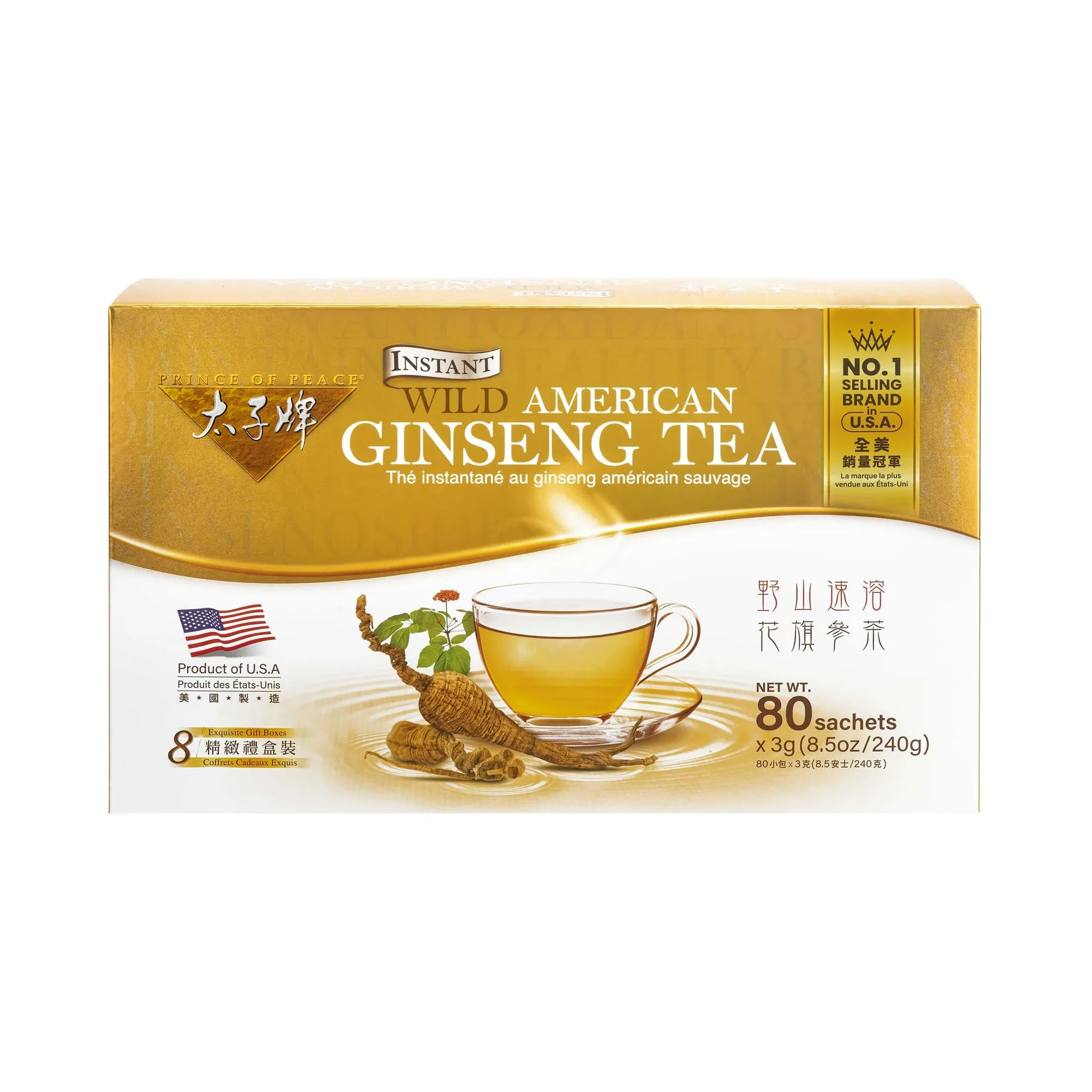
- Prince of Peace Wild American Ginseng Instant Tea, 80 sachets: Prince of Peace Wild American Ginseng Instant Tea comes as 80 sachets and is made from carefully selected wild American ginseng and American ginseng roots; the catalog notes ginsenosides as adaptogens that support fatigue and the balance of Yin and Yang. Sachets are a sealed, shelf-stable format, so if root storage is the part you dislike, this removes the moisture-management problem entirely while keeping ginseng in your routine.
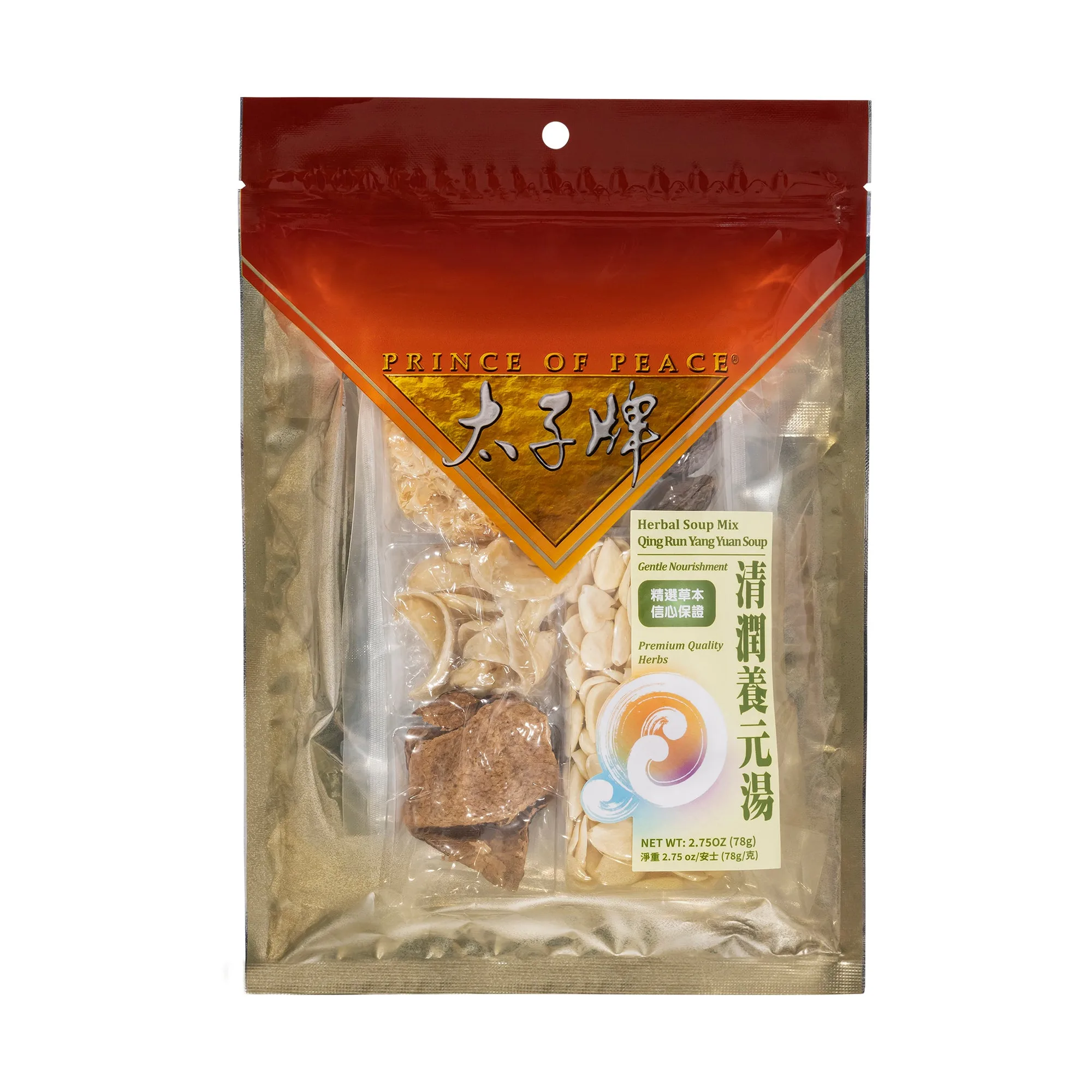
- Prince of Peace Qing Run Yang Yuan Soup, 78g: Prince of Peace Qing Run Yang Yuan Soup is a 78g herbal soup packet; the directions say to rinse the herbs, combine them with 7oz lean pork and 8 cups (64 fl oz) of water, boil, then simmer 1.5 to 2 hours, with optional apple or pear for flavor. Dried herbal packets like this are used in one long simmer, so buy and store them the way you would any dried herb: sealed, cool, and away from steam, and plan the pot before you open the packet.
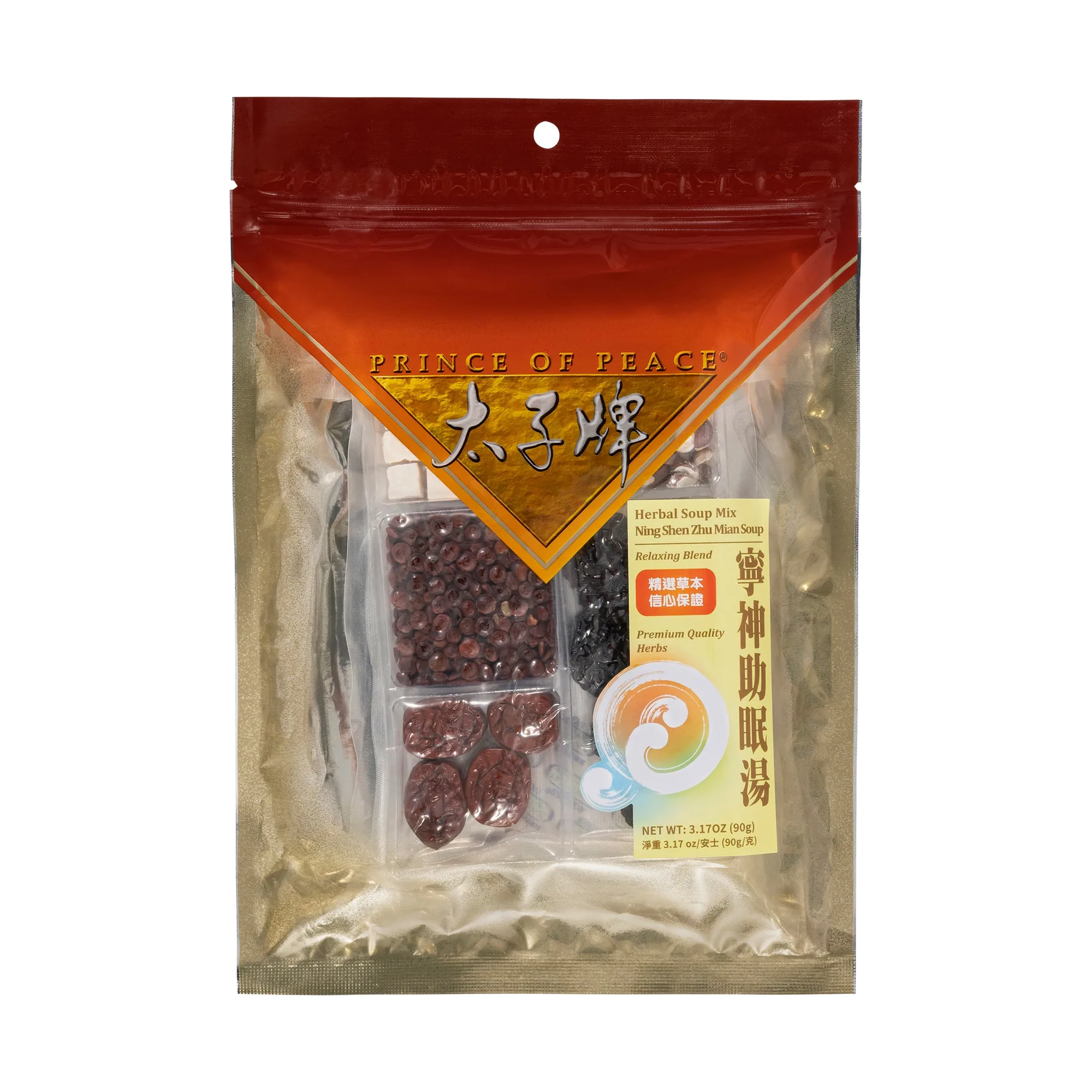
- Prince of Peace Ning Shen Zhu Mian Soup, 90g: Prince of Peace Ning Shen Zhu Mian Soup is a 90g herbal soup packet; the directions call for rinsing the herbs, adding 5 cups (40 fl oz) of water, boiling, then simmering 35 minutes on medium heat, and the label advises storing in a cool, dry place or under refrigeration. The label itself names cool, dry, or refrigerated storage, which is the same rule that protects ginseng roots and dried herbs: heat and damp are the two conditions to avoid.