Quick answer
Sort first, store second, display third. Keep only the cards that carry a message or memory you'd be sad to lose, store them flat and acid-free in a labeled box by year or person, and rotate a small handful into frames, clips, or a card stand so the rest can stay safely archived. The biggest mistake is storing cards in a damp basement or hot attic before you've sorted them — damage happens long before you notice.
Sort before you buy a single box
The instinct is to buy a pretty storage box and start filling it. Resist that. Pull every card out of drawers, shoeboxes, and junk drawers, then make three piles: keep, recycle, and decide-later. The decide-later pile is the honest one — it's usually cards from people you like but whose notes are generic. Give yourself a rule, such as keeping only cards with a handwritten message longer than a signature, and the pile shrinks fast. Once you know roughly how many cards you're keeping, you can buy a box that actually fits instead of one that overflows in six months.
Store flat, cool, and dry — not decorative
Paper warps, yellows, and mildews in predictable conditions. Heat and humidity are the enemies, so a closet shelf inside your living space beats a garage, attic, or basement every time. Store cards flat rather than upright so corners don't curl, and avoid stacking heavy objects on top. If you're keeping cards for decades, look for acid-free or archival boxes and tissue; if you're keeping them for a few years, a clean, dry, closed box is enough. Skip plastic bags that trap moisture — paper needs to breathe a little.
Label by year or by person — pick one system
Two labeling systems work, and mixing them creates chaos. Chronological filing (one envelope or divider per year) is best if you mostly save birthday and holiday cards and want to flip back through time. Person-based filing is better if you save letters from a small circle of people and want their cards together. Write the year and sender on the back of each card in pencil, not pen — pencil can be erased if you change your mind, and it won't bleed through. A simple index card taped inside the lid listing what's in the box saves you from opening five boxes to find one card.
Display a rotating few, not the whole collection
Displaying cards at home works best when you treat it like a small exhibit. Choose three to seven cards that match your current season, mood, or mantel, and rotate them a few times a year. Standard frame sizes make this easy — a print or card that fits a common frame can move from a shelf to a wall without custom matting. If you'd rather not frame paper, use a card stand, a clip rail, or a shallow ledge shelf. The point is that the cards on display are the ones you actually look at, while the rest stay protected.
Handle the awkward cards honestly
Some cards are hard to toss but hard to love: condolence notes, cards from people you've lost touch with, or cards with a message that stings. Don't force them into the keepsake box where they'll dampen the experience every time you open it. Give them their own small envelope or folder, label it clearly, and decide later. If you're saving birthday cards mainly for the handwriting, consider photographing the message and keeping only the ones with real significance. Digital backups are a reasonable compromise, not a betrayal of the original.
Your step-by-step card keepsake routine
- Gather every card from every drawer: Empty junk drawers, desk trays, glove compartments, and the bottom of bags into one pile before you decide anything. Checkpoint: if you find cards you don't remember receiving, you've been storing them in too many places.
- Sort into keep, recycle, and decide-later: Use one written rule — for example, keep only cards with a handwritten message — so the decision isn't emotional each time. Checkpoint: a keep pile larger than one box means your rule is too loose.
- Choose a cool, dry, flat storage spot: Pick a closet shelf inside your home, not a garage, attic, or basement, and lay cards flat rather than standing them up. Mistake to avoid: buying a decorative box before you know how many cards you're keeping.
- Label by year or by person and write in pencil: Add the year and sender on the back of each card in pencil, and tape an index card inside the lid listing the contents. Checkpoint: if you can't tell what's in the box without opening it, relabel.
- Rotate a small display: Pick three to seven cards for a stand, ledge, or standard-size frame, and swap them a few times a year. Next step: photograph any card you're keeping only for the message, then decide whether the original still earns its space.
A few Mary Engelbreit pieces that pair well with a card habit
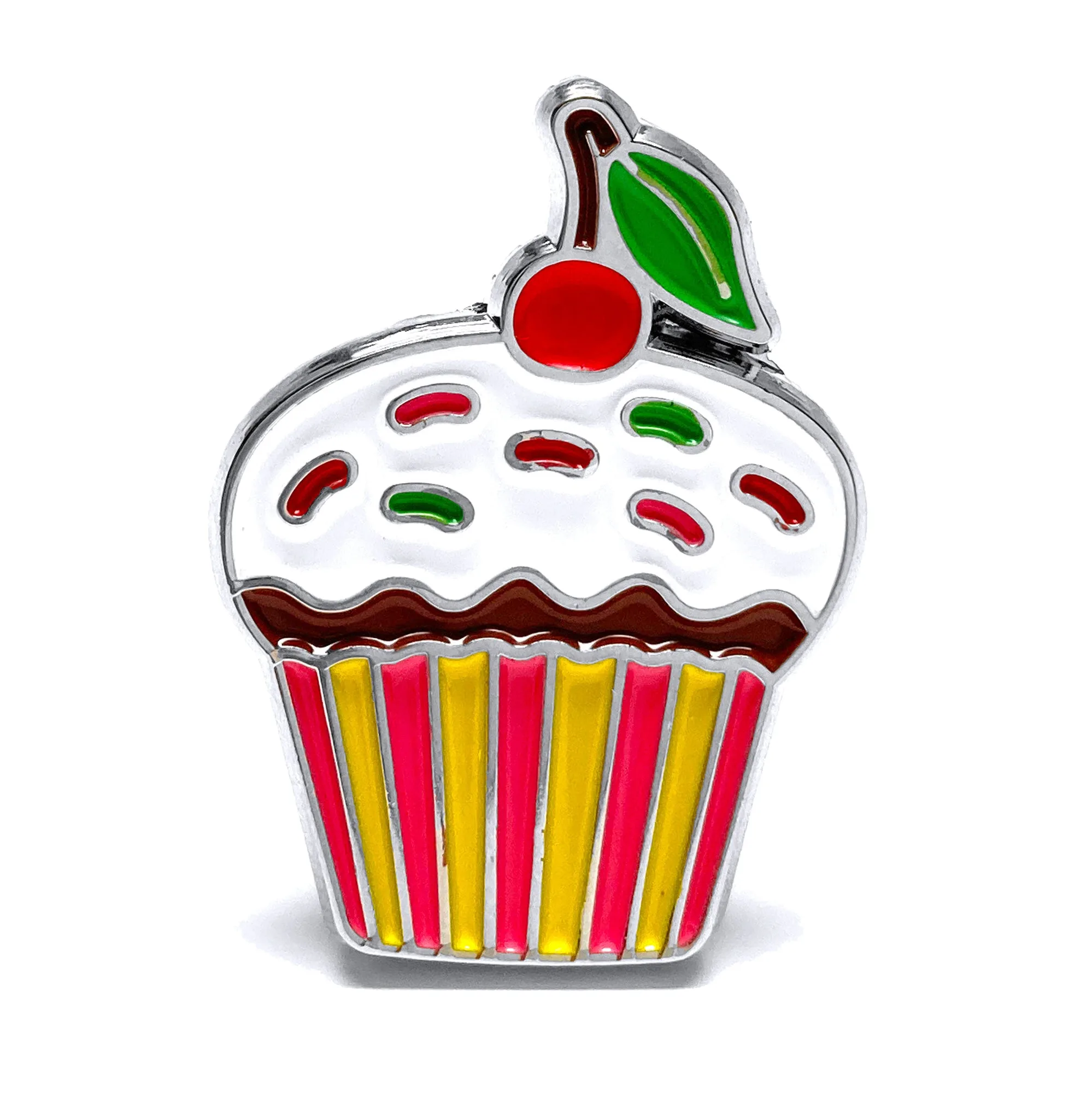
- Cupcake Enamel Art Pin: Cupcake Enamel Art Pin, approximately 1 x 1 inches, made of enamel. A small pin is an easy way to carry a favorite illustration on a jacket, hat, or bag — useful if you like the art but don't have wall space for it.
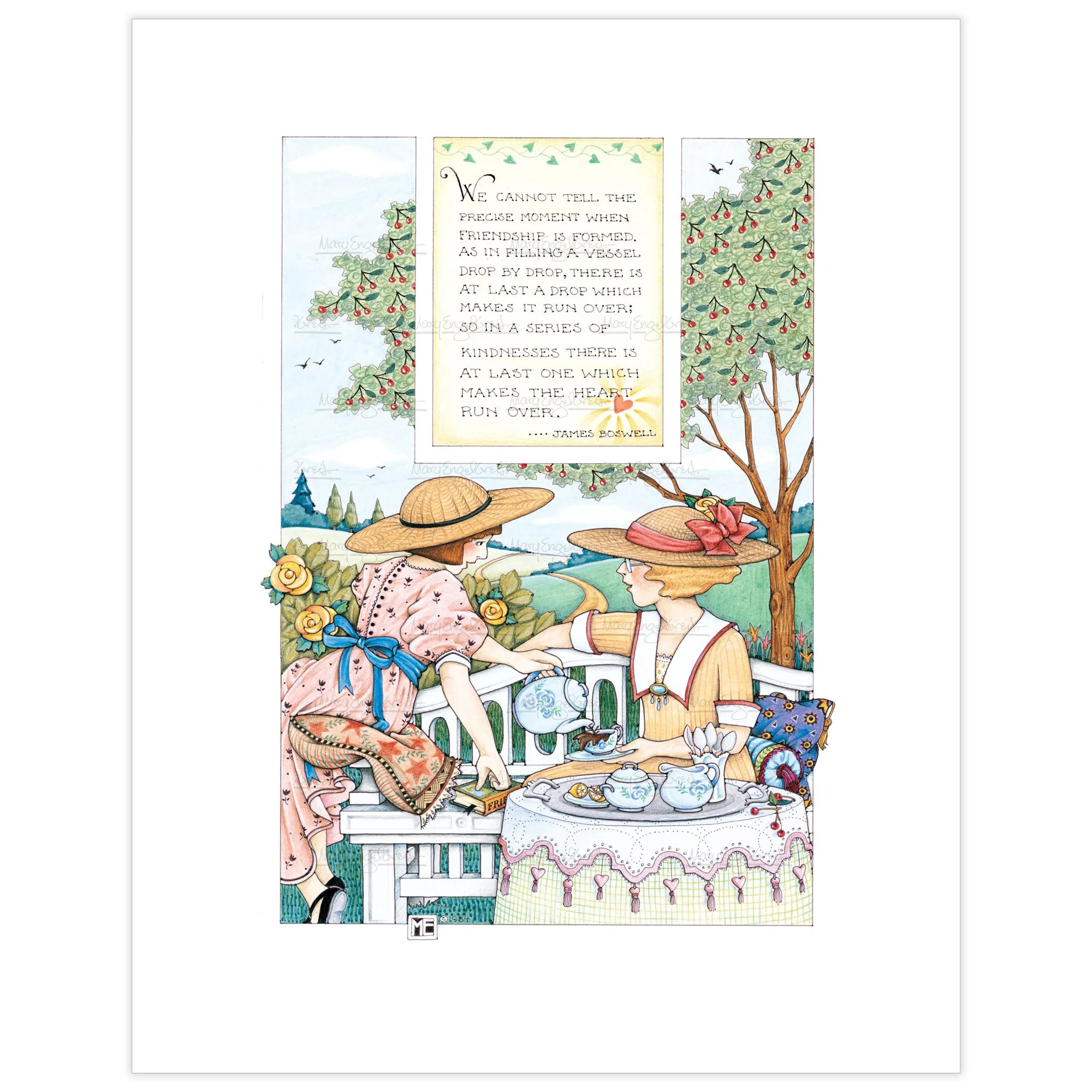
- Drop by Drop Fine Art Print: Drop by Drop Fine Art Print is printed on high-quality, textured paper and comes in standard frame sizes with a signature option. Because it fits standard frames, you can rotate it with a favorite card or print without paying for custom framing each time.
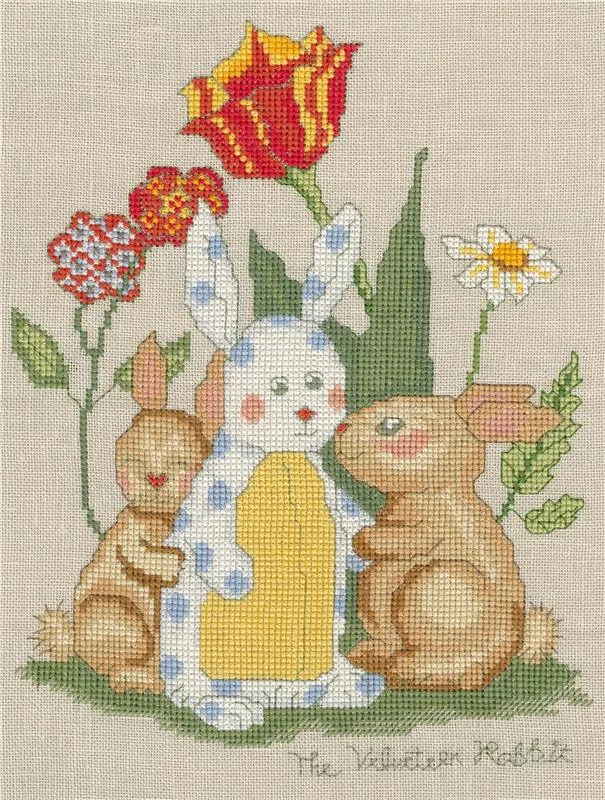
- The Velveteen Rabbit Counted Cross Stitch Kit: The Velveteen Rabbit Counted Cross Stitch Kit includes full stitches, quarter stitches, half stitches, and French stitches. If you already save cards for their sentimental value, a stitched piece is a handmade keepsake that can hang or sit alongside them rather than being stored away.