Quick answer
Store hats upright or on a curved surface, never stacked flat under weight. For daily rotation, use a wall rack or shelf with individual cubbies so each hat keeps its own space. For long-term storage, stuff the crown lightly with acid-free tissue, support the brim from underneath, and keep everything in a cool, dry place away from direct sun.
Why hat shape loss happens (and what to protect first)
Most hat damage comes from three forces: weight, moisture, and light. Stacking hats presses the brim flat and collapses the crown. Damp storage softens stiffening agents and encourages mildew. Direct sunlight fades fabric and can warp synthetic mesh. Before you choose a storage spot, identify the parts that matter most on your hats: the brim curve, the crown height, and any structured front panels. Those are the areas to support, not squeeze.
Pick a storage spot with stable temperature and low humidity
A closet shelf, an interior wall, or a covered storage bin in a climate-controlled room works well. Avoid attics, garages, basements, and cars, where heat and humidity swing widely. If you live in a humid area, add a small silica gel packet to closed bins and replace it every few months. Keep hats out of direct sun even indoors, because UV through a window can fade dye and weaken fibers over time.
Match the storage method to how often you wear each hat
Hats in weekly rotation need open, breathable storage that lets them air out between wears. Hats worn a few times a year can go into closed bins or boxes with more padding. A simple rule: the more often you wear it, the more accessible and ventilated its spot should be. This prevents the common mistake of cramming everything into one bin, which crushes the hats you actually use.
Step-by-step hat storage and display routine
- Clean and dry each hat before storing: Brush off dust, spot-clean stains, and let the hat air-dry completely. Never store a damp hat. Checkpoint: the hat should feel dry inside the crown and along the sweatband.
- Stuff the crown lightly to hold its shape: Use acid-free tissue paper or a clean cloth. Avoid overstuffing, which can stretch seams. Common mistake: using newspaper, which can transfer ink and moisture.
- Support the brim from underneath: Place the hat on a curved surface or use a brim-support insert so the curve does not flatten. Checkpoint: the brim should keep its original curve without pressure from above.
- Choose open storage for hats in rotation: Use a wall rack, shelf, or cubby system that gives each hat its own space and allows airflow. Common mistake: hanging hats by the back strap, which can stretch or tear over time.
- Use closed bins for long-term storage: Line bins with acid-free tissue, place hats upright or on their crowns, and add a silica gel packet in humid climates. Checkpoint: no hat should be pressed under another; stack only if you use rigid dividers.
- Rotate and inspect every few months: Check for mildew, pests, or shape changes. Re-fluff crowns and adjust brim supports as needed. Next step: if you spot moisture, air everything out and replace the silica packet.
Product facts
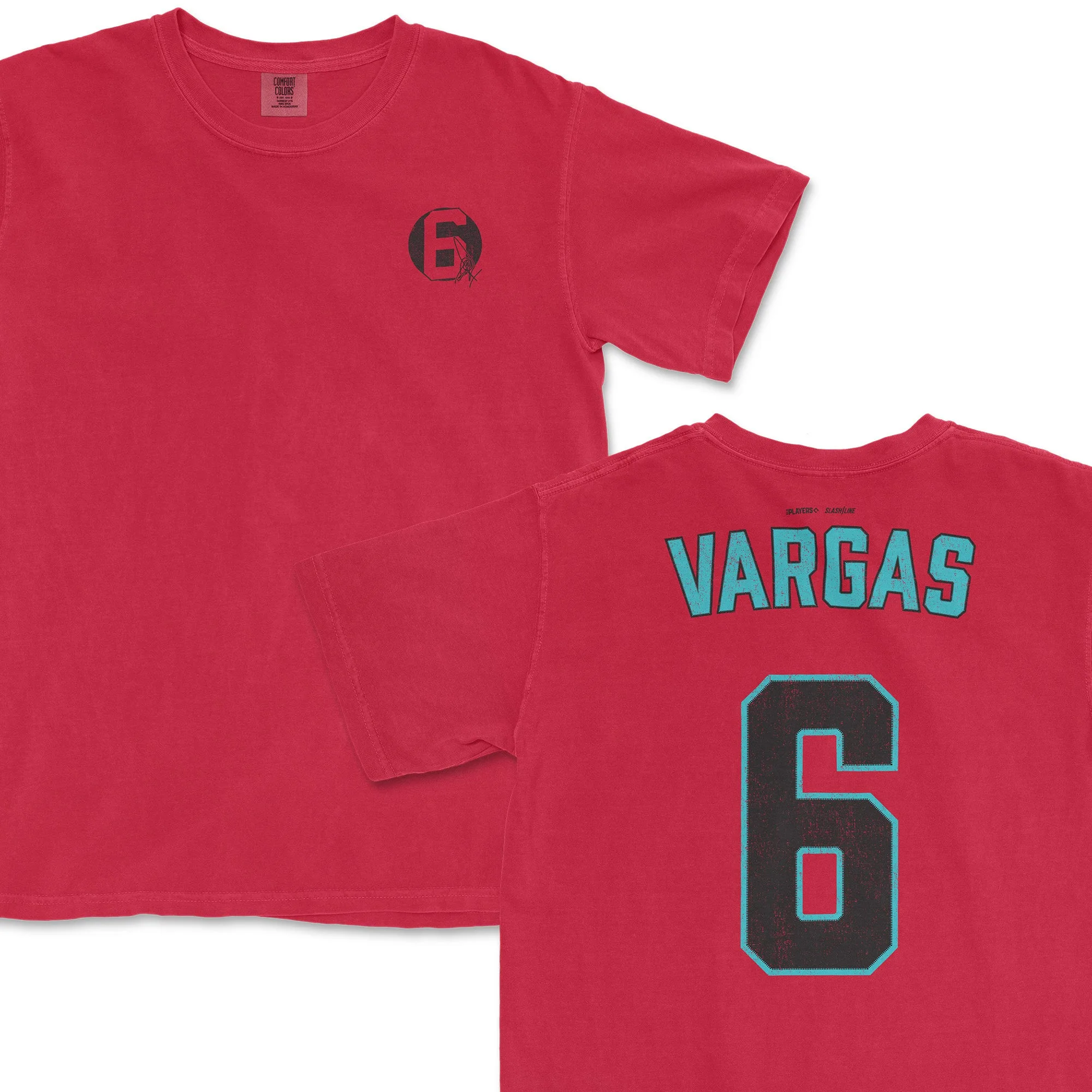
- Talkin' Yanks Cartoons: Talkin' Yanks Cartoons is printed in the USA with fade-resistant inks on a premium Comfort Colors shirt. Fade-resistant inks help the print hold up, but the shirt itself still benefits from cool, dark storage to protect the fabric and keep the design looking sharp.
- James Wood - Superstar Cartoon: James Wood - Superstar Cartoon is printed in the USA with fade-resistant inks on a premium Comfort Colors shirt. The premium fabric feels soft, so store it folded or hung away from rough edges that can snag the print.
- Shohei's Home: Shohei's Home is designed by the Jomboy Media team and printed in the United States using fade-resistant inks on a premium Comfort Colors tee. Because the design is printed, not embroidered, avoid storing it under heavy items that could crack the ink over time.