Quick answer
Store and display figurines in a cool, dry, dark spot away from direct sun, using enclosed shelving or padded bins that stop movement and dust. Handle pieces by the base, keep small parts out of reach of young children, and check stored items a few times a year for moisture, pests, or paint changes.
Figurines reward a little planning. Sunlight fades paint, dust settles into feather and fur texture, and a crowded shelf turns a display into a pile. Whether you keep a single Duckling Toy on a desk or a full shelf of wildlife figures, the same habits protect the details that make a collection worth owning.
Duckling Toy
This guide walks through a practical order of operations: sort first, choose storage that matches how often you handle each piece, then build a display that stays clean without constant work. Each step includes the mistake that causes the most damage so you can avoid it.
Start by sorting into three groups
Before buying a single bin or shelf, divide the collection into three piles: pieces you display year-round, pieces you rotate seasonally, and pieces kept in long-term storage. This one decision controls everything else, because display pieces need dust protection while stored pieces need padding and a stable climate.
Sort by material and size as well as by how much you like each figure. Small mini figures such as Good Luck Minis® disappear in a large open bin, while a heavier figure can crush a lightweight one if they share a container. Group similar sizes together so each piece gets the support it needs.
- Common mistake: sorting by theme only. A dinosaur shelf sounds tidy until a heavy figure sits on top of a delicate one.
Choose storage containers that limit movement
For long-term storage, use rigid bins with a lid and line the bottom with acid-free tissue or a clean cotton cloth. The goal is to stop the figure from sliding, not to seal it in plastic. A figurine that cannot shift will not chip a beak, tail, or ear against its neighbor.
Avoid storing figures in direct contact with bare cardboard for long periods, and skip vacuum-sealed bags. Both can trap moisture or rub against painted surfaces. If you keep original boxes, store the figure separately unless the box has a fitted insert designed for it.
- Checkpoint: shake the closed bin gently. If you hear rattling, add padding before storing it.
Control light, heat, and humidity where you store
A closet shelf or an interior cabinet beats a garage, attic, or sunny windowsill. Heat softens some materials, humidity encourages mold on fabric and paper, and ultraviolet light fades paint over months rather than years. A stable indoor room is the simplest protection you can give a collection.
If your only option is a garage or basement, use sealed bins and a moisture absorber, then inspect more often. Avoid placing storage directly against a concrete floor or exterior wall, where temperature swings are strongest.
- Common mistake: storing figures in a hot car or shed between moves. Even a short stay can warp thin parts.
Build a display that reduces dust
Enclosed shelving with glass or acrylic doors cuts dusting dramatically. If you prefer open shelves, keep them above waist height and away from kitchen grease, candles, and open windows. A small riser or tiered stand lets you see back-row figures without moving the front row every time.
Group by scale and color rather than by brand name alone. A shelf of similarly sized wildlife figures reads as a deliberate display, while mixed scales look cluttered even when each piece is excellent.
- Figurine display ideas: rotate a seasonal shelf, use a lazy Susan for minis, or dedicate one tray to a single habitat theme.
Handle and clean without damaging paint
Lift figures by the base or the thickest part of the body, never by a tail, wing, or horn. Oils from hands are not usually harmful, but pressure on a thin appendage is. For dust, use a soft dry brush or a microfiber cloth; add water only when the material and paint clearly allow it.
Skip household cleaners, alcohol wipes, and abrasive pads. They can dull a finish or lift paint that took careful work to apply. When in doubt, dust dry and leave the deeper cleaning to a professional if the piece is valuable.
- Checkpoint: clean one test spot on the underside before treating the visible surface.
Keep small figures safe around young children and pets
Mini figures and blind-box pieces are choking hazards for children under three, and pets treat small toys as chew targets. Display small collectibles on a high shelf or inside a closed cabinet, and store them in containers a child cannot open independently.
If a child wants to play with the collection, separate a few durable, age-appropriate figures for handling and keep the rest out of reach. This protects both the child and the collectible.
- Age guidance on packaging is a starting point, not a guarantee. Supervise first use.
Your figurine storage and display checklist
- Sort before you shop: Split the collection into display, rotate, and long-term storage groups, then group by size and material within each pile. Checkpoint: if you cannot name where a figure will live, it is not ready for storage.
- Pick rigid, padded containers: Use lidded bins lined with acid-free tissue or clean cloth, and avoid vacuum bags or bare cardboard contact. Checkpoint: a gentle shake should produce no rattling.
- Choose a stable location: Store indoors away from direct sun, heat vents, concrete floors, and exterior walls; add a moisture absorber in damp rooms. Checkpoint: if the spot feels hot or damp to your hand, it is wrong for long-term storage.
- Build a dust-resistant display: Use enclosed shelving where possible, add risers for back rows, and group by scale and color rather than brand alone. Checkpoint: you should be able to see every figure without moving another one.
- Handle by the base and dust dry: Lift from the thickest part, use a soft brush or microfiber cloth, and test any cleaning method on a hidden spot first. Checkpoint: never pull on a tail, wing, or horn to move a figure.
- Separate child-safe pieces: Keep minis and blind-box figures on high shelves or locked cabinets, and set aside only durable, age-appropriate figures for play. Checkpoint: re-check reachability as children grow and climb.
- Inspect twice a year: Open stored bins, check for moisture, pests, or paint changes, and rotate a few pieces onto display. Next step: mark a calendar reminder so inspection does not depend on memory.
Catalog details that affect storage and display
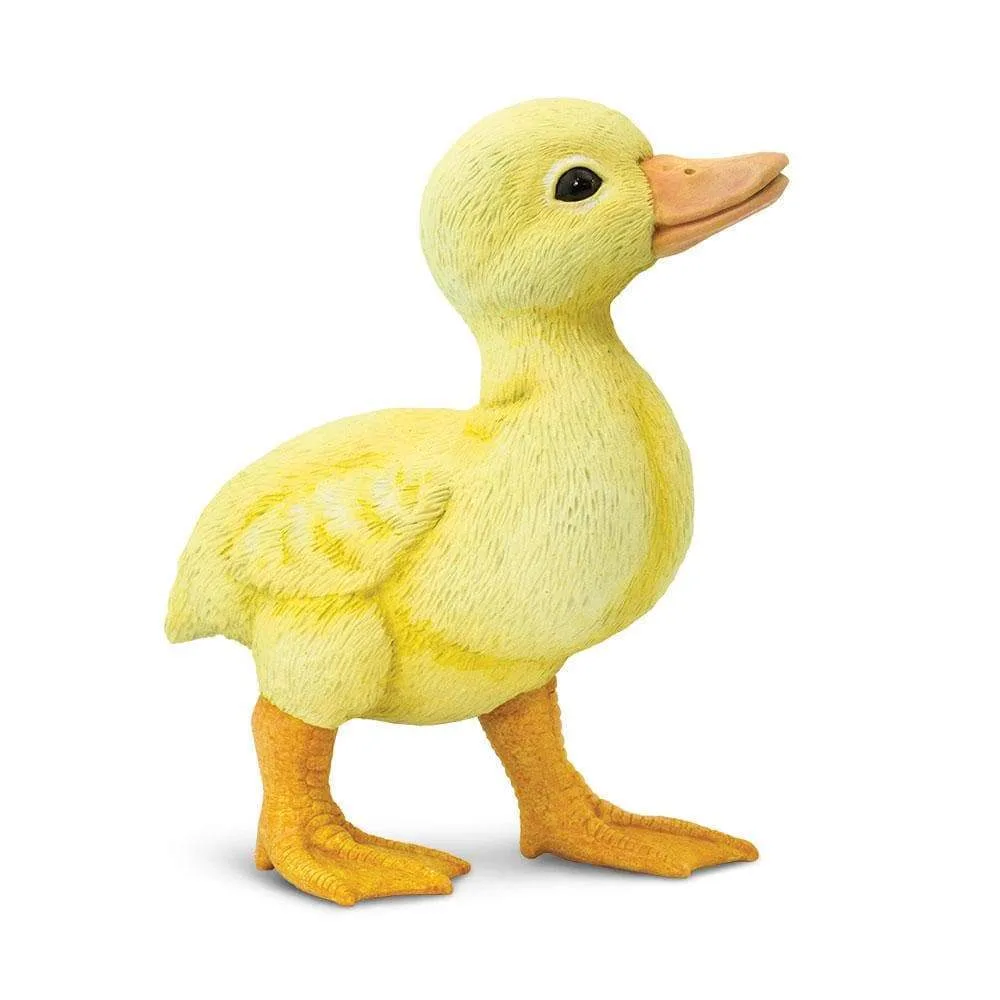
- Duckling Toy: This Incredible Creatures figurine is described as having feathers all fluffed up, with a scientific name in the family Anatidae. Textured feather detail collects dust in the crevices, so a soft dry brush works better than a wet cloth that pushes debris deeper.
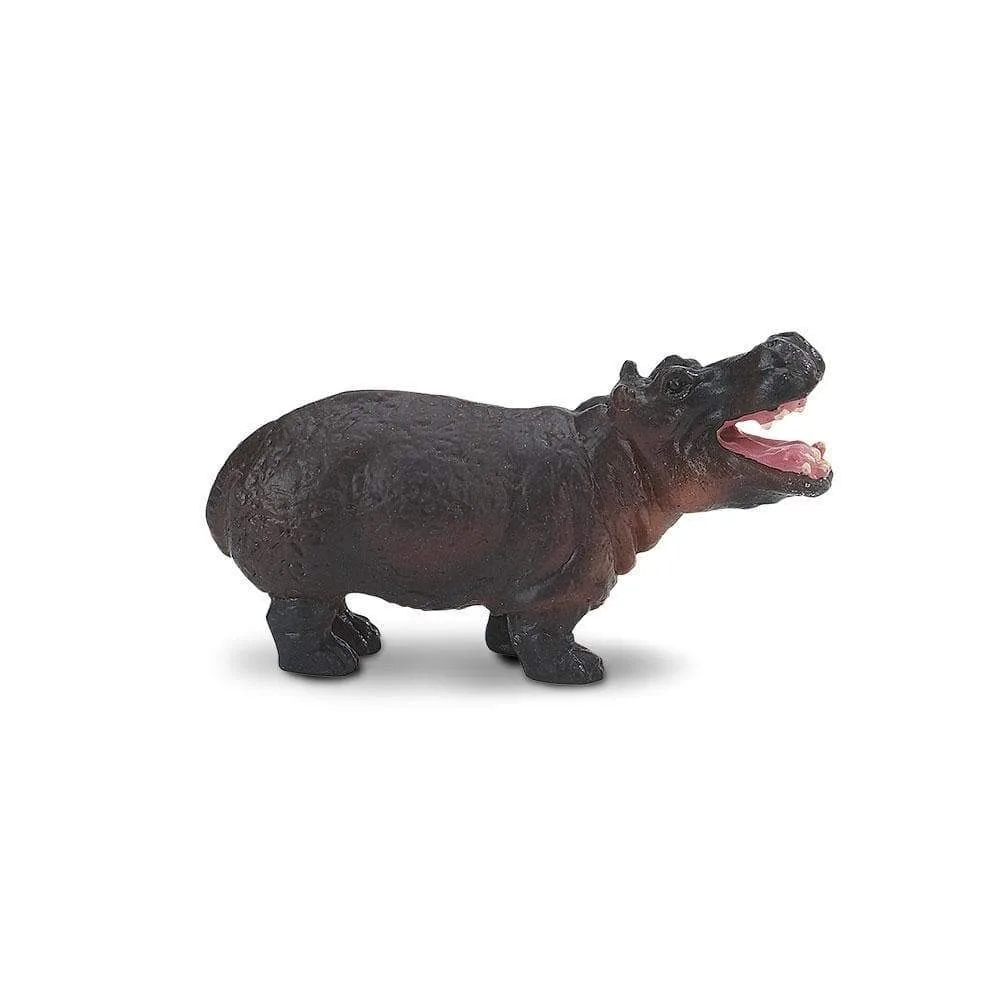
- Hippos - 192 pcs - Good Luck Minis®: This is a 192-piece set of mini hippo figures, and the catalog notes hippos spend much of their days in water and are never far from it. A large mini set needs divided storage rather than one open bin, or the pieces scatter and small figures can be lost or crushed.
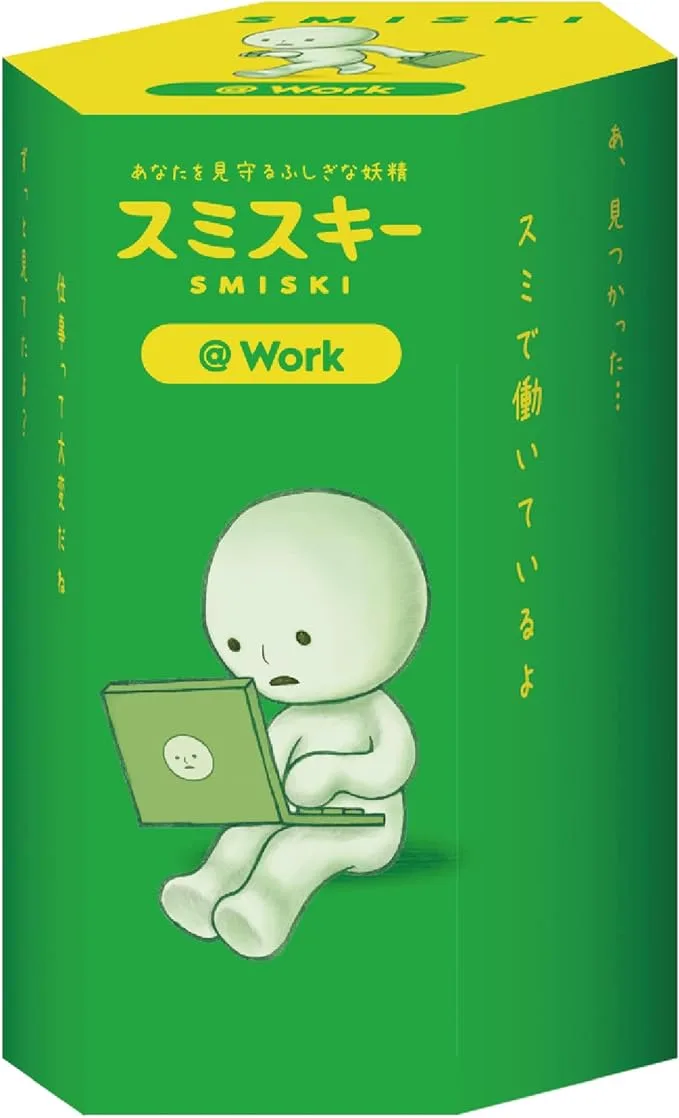
- Smiski Work: Smiski figures are made of phosphorescent material that absorbs light and glows in the dark, with six variations plus a rare secret figure in blind-box packaging. Glow-in-the-dark material needs light exposure to charge, so a fully enclosed dark drawer reduces the effect; a shelf with indirect light keeps the glow working.
- Fahlo Swing - Oasis Bracelet: This is an adjustable beaded bracelet recommended for ages 6 and up, with an oasis-inspired color palette. If you display bracelets alongside figurines, keep them on a separate tray so beads do not scratch painted surfaces during handling.
Good figurine storage is mostly about removing the three things that cause damage: movement, light, and moisture. Sort first, pad what you store, display what you love behind glass or above the dust line, and handle every piece by its base. Do that, and a collection stays as crisp as the day you unboxed it.