Quick answer
Start by sleeving every card you care about, then store them in a binder or box away from heat, moisture, and direct sunlight. Use penny sleeves for bulk and rigid top loaders for valuable singles.
Why card protection matters for One Piece TCG
One Piece Card Game cards are printed on thin cardboard that can warp, scratch, or fade if not stored properly. Even a minor surface scuff can reduce a card's value, especially for high-rarity cards like SR and SEC. Japanese cards in particular often have foil surfaces that are more prone to scratching and print lines.
The condition disclaimer on many single cards notes that minor imperfections like edge whitening or foil peeling can occur during manufacturing. Proper storage won't fix factory issues, but it prevents new damage and keeps your collection in the best possible state.
Choosing the right sleeves and storage
Not all sleeves are the same. Penny sleeves (soft plastic) are fine for bulk cards you don't handle often, but they offer little impact protection. For cards you play or trade, use a snug-fit deck sleeve. For high-value singles, add a rigid top loader or a one-touch magnetic case.
Binders with side-loading pockets are safer than top-loading pages because cards can't slide out. Always pick a binder with a zipper or strap to keep dust out. Avoid storing cards in loose piles or rubber-banded stacks, as pressure can cause bends and surface damage.
Step-by-step card storage guide
- Sleeve every card immediately: Put each card into a penny sleeve or deck sleeve as soon as you open a pack or receive a single. For cards you plan to play, use a shuffle-fit deck sleeve. For cards going into long-term storage, a penny sleeve is sufficient. Common mistake: leaving cards unsleeved even for a few days can lead to edge scuffs from stacking or sliding against other cards.
- Use rigid protection for valuable singles: For high-rarity cards like SR, SEC, or parallel foils, place the sleeved card into a rigid top loader or a magnetic one-touch case. This prevents bending and protects against accidental drops or pressure. Checkpoint: make sure the top loader fits the card snugly—too loose and the card can slide out; too tight and you risk damaging the edges.
- Store in a binder or box away from hazards: Place sleeved cards into a side-loading binder with a zipper, or into a deck box that fits cards upright. Keep the storage container in a cool, dry place away from direct sunlight, radiators, and humid areas like basements or bathrooms. Common mistake: storing cards in a garage or attic where temperature and humidity fluctuate can cause warping and foil peeling over time.
- Handle cards by the edges only: When removing a card from a sleeve or binder, grip it by the edges and avoid touching the face or back. Oils and dirt from your fingers can stain the surface and attract dust. Checkpoint: if you notice fingerprints or smudges, gently wipe the card with a microfiber cloth—never use liquids or abrasive materials.
Cards that benefit from extra protection
-
【ONE PIECE Card】MONKEY D.LUFFY 【SR】(ST21-014) (ST-21) Japanese Single Card: This MONKEY D. LUFFY SR card from ONE PIECE Magazine vol. 20 has a foil surface that may show print lines or foil seams from manufacturing. Because foil imperfections are common, using a rigid top loader or one-touch case prevents additional scratching and preserves the card's visual appeal.
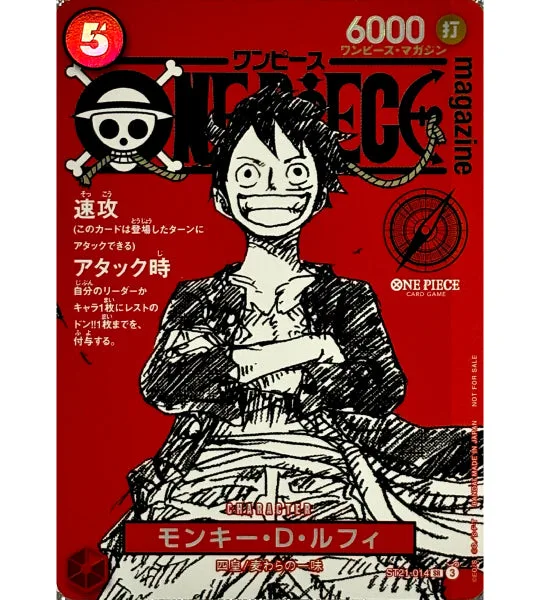
【ONE PIECE Card】MONKEY D.LUFFY 【SR】(ST21-014) (ST-21) Japanese Single Card
-
【ONE PIECE Card】KOALA【SR/P】(EB03-042) (EB-03) Japanese Single Card: This KOALA SR/P card from the Heroines Edition is a foil parallel card that can be more susceptible to surface wear. Foil parallels show scratches more easily than non-foil cards, so a snug-fit sleeve plus a top loader is recommended to keep the foil layer intact.
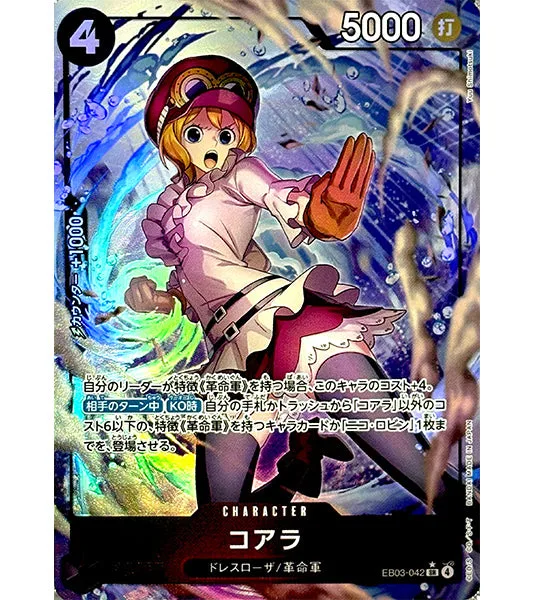
【ONE PIECE Card】KOALA【SR/P】(EB03-042) (EB-03) Japanese Single Card