Quick answer
Store board games vertically or flat in a stable, climate-controlled spot, keep components bagged or banded inside the box, and never stack heavy games on smaller ones. For transport, pack boxes snugly in a rigid bin or bag with padding, keep them out of direct sun and heat, and carry the bin rather than individual boxes when possible.
Board games are built to survive tabletop play, but they are not built to survive a move, a car trunk, or a damp basement shelf. The good news is that most damage is preventable with a repeatable routine. This guide walks through the steps that protect boxes, cards, and tokens whether you are reorganizing a shelf or hauling a collection across town.
The same principles apply to a single game night and a full household move: control pressure, moisture, heat, and movement. The steps below are ordered so you can start with what you already own, then add storage and transport gear only where it solves a real problem. Along the way, we will note where specific games in the Rock Manor Games catalog benefit from a little extra care.
Start with a clean, dry, stable shelf
Before you buy a single bin, fix the shelf. Choose a spot away from radiators, floor vents, and windows that get direct afternoon sun. Heat warps boards and dries out card stock; sunlight fades box art and can make plastic inserts brittle. A closet or an interior wall shelf is usually safer than a garage or attic, which swing in temperature and humidity.
Keep games off concrete floors and out of damp basements where moisture wicks into cardboard. If your only option is a basement, raise boxes on a wooden pallet or plastic shelf at least a few inches off the floor. A cheap hygrometer helps you confirm the room stays in a moderate range rather than guessing.
- Avoid stacking games directly against an exterior wall that sweats in winter.
- Leave a little air gap behind the shelf so moisture does not trap against the wall.
Decide vertical or flat storage, then stack with intent
Vertical storage keeps boxes easy to pull out and prevents heavy games from crushing lighter ones, but it can let loose components slide to one side. Flat storage protects components better but invites tall, unstable stacks. Most collections do best with a hybrid: vertical for standard square boxes, flat for oversized or oddly shaped ones.
If you stack flat, put the heaviest games on the bottom and never bridge a small box between two larger ones. That bridge is where crushed corners and bowed lids come from. For games with many loose tokens, a vertical box plus internal bags or an insert solves the sliding problem without giving up easy access.
- Checkpoint: press gently on the top of a stack. If it wobbles, rebuild it before it falls.
- Do not store games under heavy storage bins or holiday decorations.
Secure components inside the box
Most box damage starts inside. Loose cards, tiles, and miniatures shift during handling and can dent the box from within or spill the moment you open the lid. Bag cards by type, band decks with a soft rubber band or a deck box, and keep small tokens in zip bags. If a game came with a plastic insert, use it, but check that it actually holds pieces in place when the box is tilted.
For games with many small pieces, a few small bags beat one giant bag because you can pull out only what you need. If you sleeve cards, confirm the box still closes fully; a lid that sits proud puts constant pressure on the box corners. This is also the moment to note any missing or damaged pieces before they get lost in transit.
- Photograph the packed interior so you can repack it the same way after a move.
- Avoid overstuffing: a box that bulges will not stack safely.
Choose the right container for transport
For a short trip to game night, a rigid tote bag or a plastic storage bin with a lid is enough. For a move, use sturdy bins you can carry by the handles rather than stacking loose boxes in the car. Line the bottom with a towel or foam, stand boxes upright where possible, and fill gaps so nothing slides. The goal is to make the whole bin one solid unit.
If you must use cardboard moving boxes, do not mix games with heavy books or tools. Put games in their own box, pad the corners, and label it clearly. A dolly or a friend carrying the other handle reduces the chance you drop a bin on a curb or stair.
- Checkpoint: shake the packed bin gently. If you hear sliding, add padding before you lift it.
- Keep the bin out of a hot trunk for long periods; heat is harder on games than a short cold ride.
Handle cards, boards, and minis with extra care
Cards are the most fragile common component. Keep them bagged or in a deck box, avoid bending decks, and never store a loose deck against a hard box edge. Game boards should travel flat, not bent into a U shape, because a warped board can make tiles sit unevenly. Miniatures need either their original insert or a foam tray so they do not chip against each other.
If you are moving a game like Maximum Apocalypse: Wasted Wilds, which includes campaign content and many small components, take an extra minute to bag by scenario or type. That keeps the box organized and makes it far less likely that a loose token escapes into a moving box. The same habit helps any game with a lot of cardboard tokens.
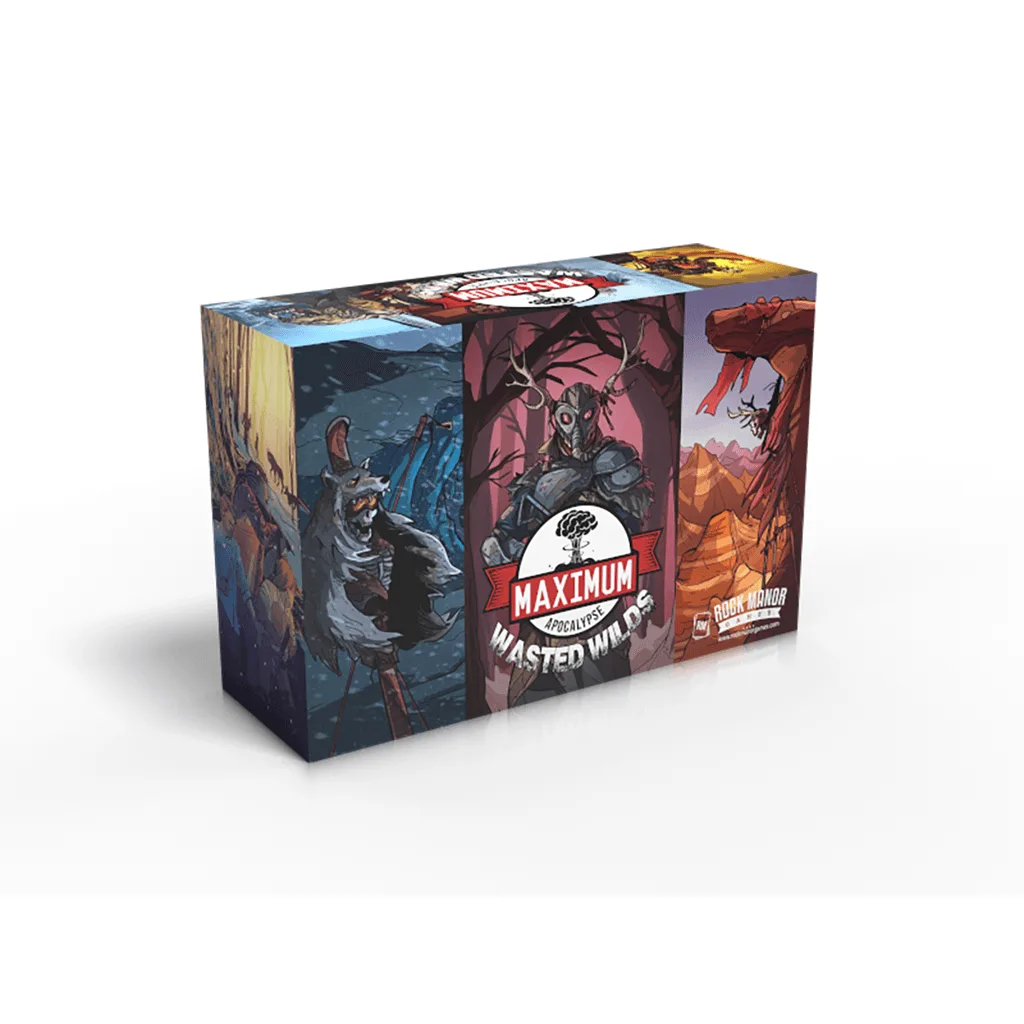
Maximum Apocalypse: Wasted Wilds
- Use a hard-backed book or a rigid mailer to keep a loose board flat in transit.
- Do not tape boxes shut with packing tape directly on the lid; it can peel artwork.
Pack for a move in a deliberate order
Pack games last so they ride on top of softer items, not under them. Group by box size, place the largest and heaviest at the bottom of the bin, and fill every gap with towels, bubble wrap, or clothing. Label each bin with the room it belongs to and mark it fragile. If you are hiring movers, tell them the bin contains games and should stay upright.
For long-distance moves, climate is the bigger risk than a short bump. A moving truck can get very hot, so if you have a valuable or out-of-print game, consider carrying it in your own vehicle. For most modern games, a well-padded bin in a climate-controlled vehicle is the safest option.
- Checkpoint: after the move, open bins in a dry room and let games acclimate before playing.
- Keep a small essentials box with you for the first night so you are not digging through bins.
Maintain the collection after it is stored
Storage is not a one-time task. Every few months, check for musty smells, warped boards, or condensation on plastic bins. Rotate games you have not played in a while and confirm bags and bands are still doing their job. If you notice a soft corner or a swollen board edge, move that game to a drier spot immediately and let it air out away from direct heat.
A simple inventory list, even a note on your phone, helps you confirm nothing went missing during the last move or reorganization. It also makes it easier to decide what to keep when shelf space runs out.
- Replace rubber bands that have dried out or become sticky.
- Keep a few silica gel packets in a closed bin in humid climates, but do not let them touch cards directly.
Storage and transport steps at a glance
- 1. Pick a dry, stable shelf: Choose an interior wall away from sun, heat vents, and damp floors. Raise boxes off concrete and keep them out of attics and garages. Checkpoint: the spot should stay at a moderate temperature and humidity year-round.
- 2. Bag and band components before stacking: Bag cards by type, band decks, and use the original insert if it holds pieces when tilted. Do not overstuff the box. Checkpoint: close the lid and tilt the box gently. Nothing should slide or rattle loudly.
- 3. Stack heavy games low and never bridge small boxes: Put the largest, heaviest games on the bottom. Store vertically for easy access or flat for fragile components, but avoid unstable stacks. Checkpoint: press the top of the stack. If it wobbles, rebuild it.
- 4. Pack transport bins snug and upright: Use rigid bins with lids, line with padding, stand boxes upright, and fill every gap so the load cannot shift. Keep games out of hot trunks. Checkpoint: shake the bin gently. If you hear movement, add padding before lifting.
- 5. Move games last and unpack first: Load game bins on top of softer items, label them fragile, and carry high-value games in your own vehicle. Open bins in a dry room to acclimate. Checkpoint: confirm no musty smell or condensation before returning games to the shelf.
Catalog notes that affect storage and transport
- Maximum Apocalypse: Wasted Wilds: Maximum Apocalypse: Wasted Wilds is the continuation of the cooperative roguelike series and adds two distinct campaigns with new twists around exposure to the elements and interactions with other survivors. Campaign games with many components benefit from bagging by scenario before transport, so tokens and cards do not mix and you can resume a campaign without sorting.
- https://rockmanorgamesdz.com/products/disco-heist-laundry-deluxe-6f32a9cde2d1d39079bea6ab-1730823Disco Heist Laundry (Deluxe): The Deluxe Edition includes enhanced components and the Glitter Gulch expansion pack, adding new locations, crew members, and criminal schemes. More components mean more loose pieces in the box. If you keep the expansion in the same box, bag the new cards and tokens separately so the base game stays playable on its own.
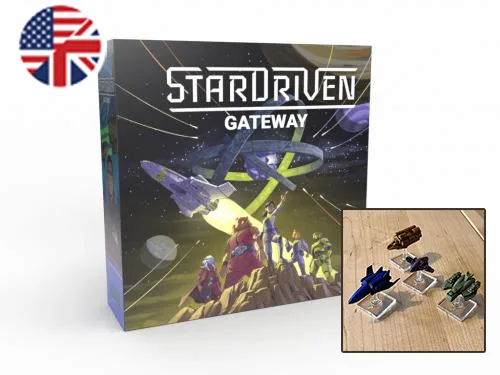
- https://rockmanorgamesdz.com/products/stardriven-gateway-ink-wash-237bae7b4c2a705c1e35b18f-1730829StarDriven: Gateway (INK-WASH Upgrade): StarDriven: Gateway is a starship simulation game about managing a crew, assigning them to stations, and completing missions across scenarios with different scoring conditions. Crew and station components are easy to lose in transit. A small compartmented bag or tray keeps them grouped and reduces setup time after a move.
Good storage and transport habits take a few extra minutes but save you from warped boards, lost tokens, and crushed boxes. Start with the shelf, secure the components, and pack transport bins so nothing moves. Your future game nights, and your collection, will thank you.