A baby travel crib is one of those items you use in bursts — a weekend at grandma’s, a week at the beach, or a quick overnight trip. But when it’s not in use, it can take up a surprising amount of space and collect dust if you just shove it in a closet. Proper storage keeps your travel crib clean, extends its lifespan, and makes it easy to grab when you’re heading out the door.
Whether you have a compact travel crib or a larger play yard, the same basic principles apply. Here’s how to store a baby travel crib so it stays fresh, organized, and ready for your next adventure.
Clean and Dry Thoroughly Before Storing
Before you even think about folding up your travel crib, give it a good once-over. Crumbs, drool, and the occasional diaper blowout can leave residue that turns into stains or odors over time. Most travel cribs have removable, machine-washable mattress covers and fabric sides. Check the manufacturer’s instructions — for example, the Deluxe Travel Crib & Play Yard Sheets are easy to toss in the wash. Let everything air dry completely. Trapped moisture is the fastest way to grow mold or mildew, which is not only gross but also a health hazard for your baby.
If your travel crib has a waterproof mattress pad or a waterproof mini crib pad, wipe it down with a gentle baby-safe cleaner and let it dry fully before folding. Even a small amount of dampness can cause problems in a closed storage bag. Take the extra hour to ensure every piece is bone-dry — your future self will thank you.
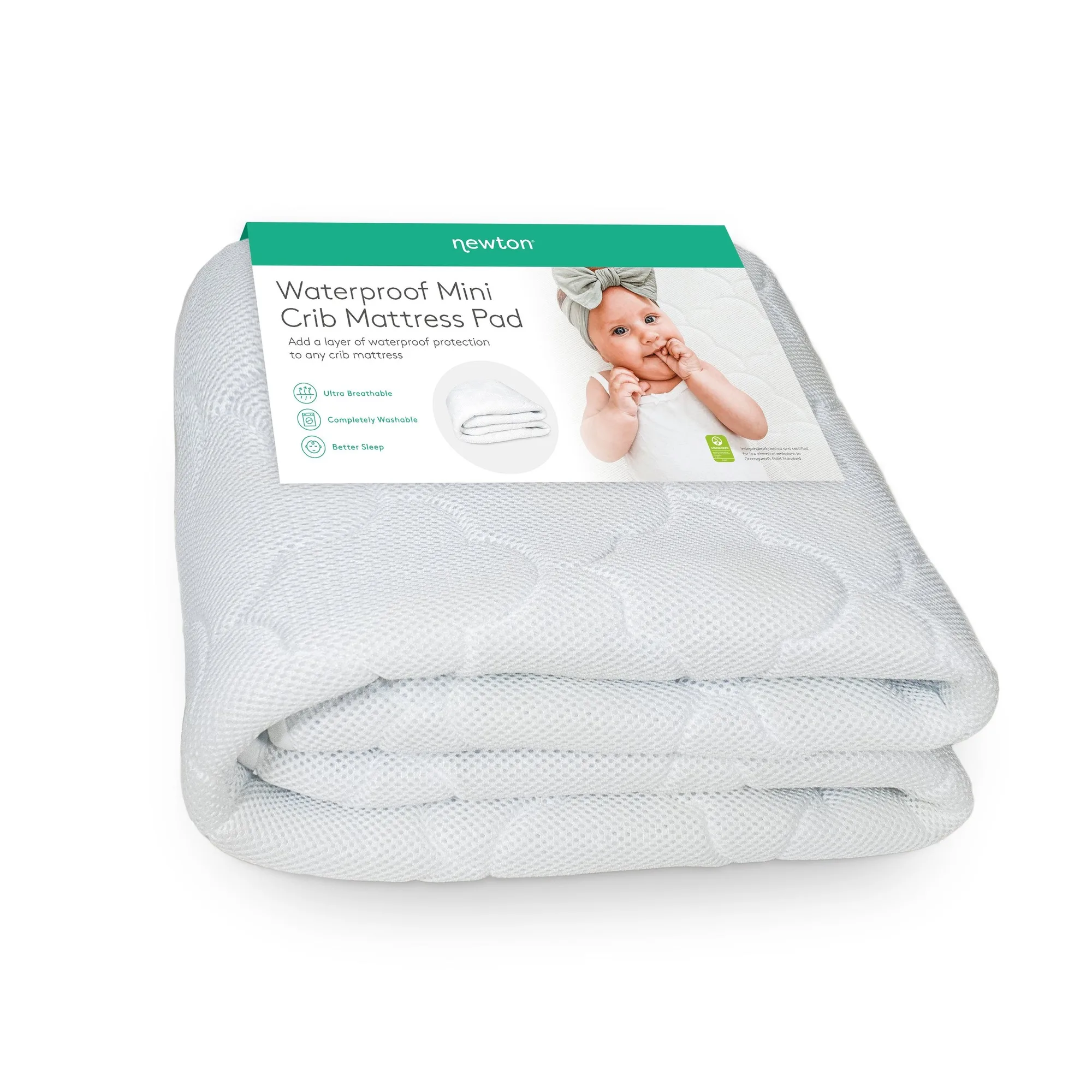
waterproof mini crib pad
- Wash fabric parts according to the care label.
- Air dry completely — never store damp.
- Wipe down any waterproof surfaces with a mild cleaner.
Fold According to the Manufacturer’s Instructions
Travel cribs and play yards are designed to fold into a specific shape for compact storage. Forcing them into a different fold can damage the frame or make it impossible to fit back into the carrying bag. Take a few minutes to re-learn the folding pattern if you’ve forgotten — most brands have a quick video or diagram online. A compact travel crib that folds neatly will take up less space in your closet or under the bed.
If you’ve lost the original storage bag, use a breathable cotton storage bag or a large pillowcase instead of a plastic bin. Plastic can trap moisture and cause odors. A breathable cover keeps dust off while allowing air circulation. For cribs like the Newton travel crib, the original bag is designed to fit the folded shape perfectly, so it’s worth keeping it handy.
- Practice the fold once or twice before storing long-term.
- Keep the original carrying bag for easy transport.
- Use a breathable bag if you no longer have the original.
Choose a Cool, Dry Storage Location
Where you store your travel crib matters just as much as how you clean it. Avoid attics, garages, or basements that experience temperature swings or high humidity. Heat can degrade the fabric and foam, while moisture invites mold. A closet in a climate-controlled room of your home is ideal. If space is tight, you can slide the folded crib under a bed or stand it upright in a corner.
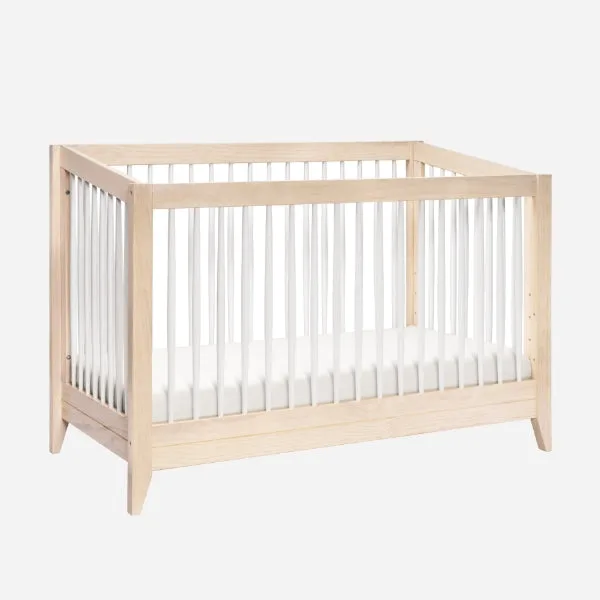
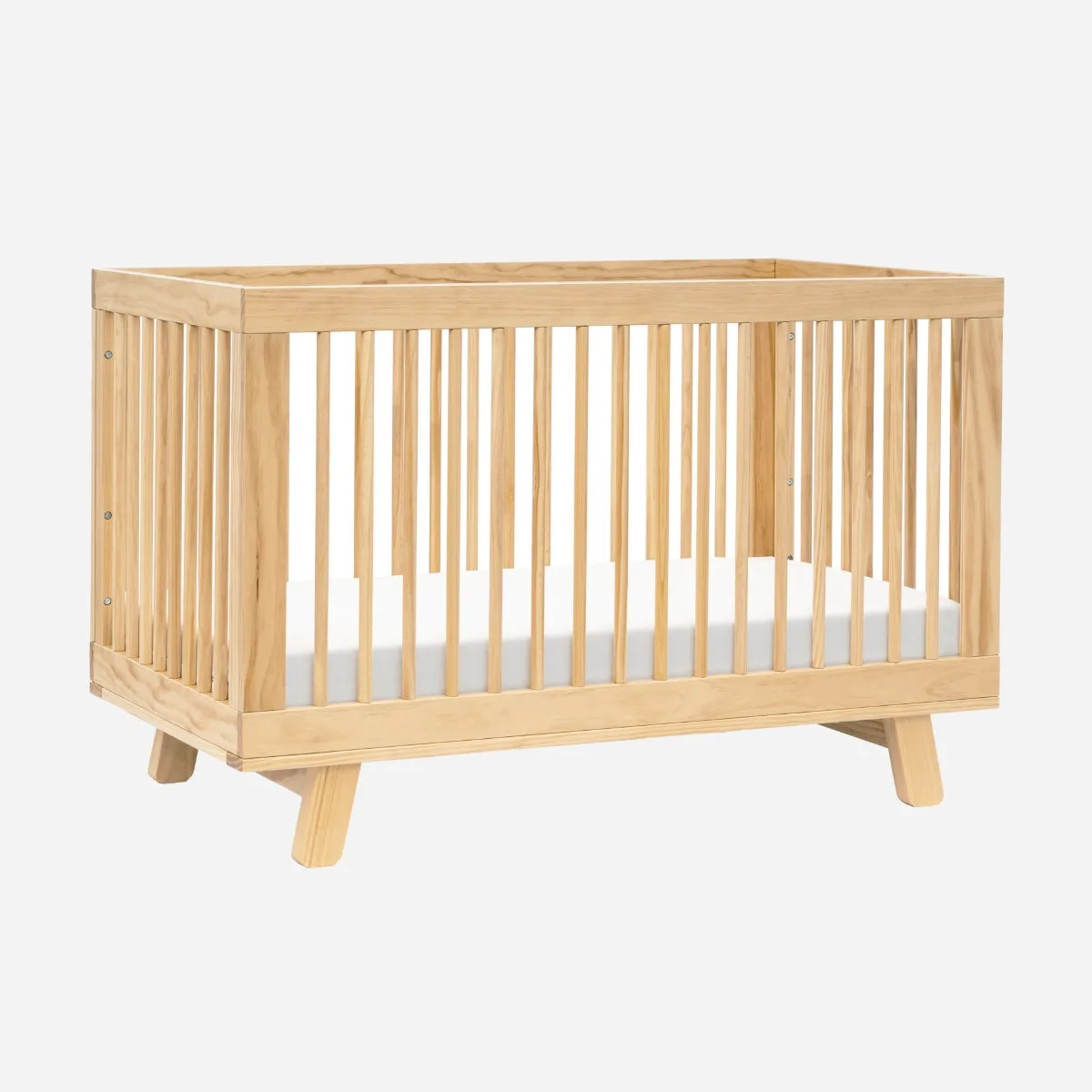
Keep the crib away from direct sunlight, which can fade colors and weaken materials over time. Also, avoid stacking heavy items on top of the folded crib — the weight can compress the mattress and ruin its shape. If you’re storing a play yard alongside other nursery furniture, like a Sprout Convertible Crib or a Hudson Convertible Crib, give the travel crib its own clear spot so nothing gets crushed.
- Store in a climate-controlled room, not an attic or garage.
- Keep away from direct sunlight.
- Don’t stack heavy items on top of the folded crib.
Check on It Periodically
Even if you store your travel crib perfectly, it’s a good idea to check on it every few months. Open the bag, unfold it briefly, and inspect for any signs of pests, moisture, or damage. This is especially important if you live in a humid climate or if the crib is stored in a less frequently used closet. A quick visual check can catch a small problem before it becomes a big one.
If you notice any musty smells, take the crib out, wash the fabric parts again, and let everything air out for a day before re-storing. For cribs with waterproof components, like a waterproof mini crib pad, check that the waterproof layer hasn’t cracked or peeled. A little preventive maintenance goes a long way toward keeping your travel crib ready for years of use.
- Inspect every 2–3 months for moisture or pests.
- Air out the crib if you notice any odors.
- Replace damaged parts promptly to maintain safety.
Storing a baby travel crib doesn’t have to be a hassle. Clean it, fold it properly, keep it in a dry spot, and check on it now and then. With these simple steps, your travel crib will stay fresh and functional for every trip — whether it’s a weekend getaway or a long visit with family. When you’re ready to pack up again, you’ll be glad you took the time to store it right.