Quick answer
Store body butter in a cool, dark place below 75°F (24°C), away from direct sunlight and humidity. Keep the lid tightly closed, scoop with clean dry hands, and only refrigerate if your home regularly gets hotter than that—cold storage can make the butter hard to scoop.
Why body butter goes bad (and what speeds it up)
Body butter is oil-rich, so it doesn't grow mold the way water-based lotions can. Instead, it goes off when the oils oxidize—oxygen, heat, and light are the three main culprits. Oxidation shows up as a stale or crayon-like smell, a color shift, or a texture that turns grainy or separates. Heat is the faster problem: it melts the butter, and when it resets, the crystalline structure changes, leaving a gritty feel. Humidity matters too, because water introduced into the jar can encourage spoilage. That's why the same product can stay perfect for months in one bathroom and turn within weeks in another.
Pick the right spot: cool, dark, and stable
A closed cabinet or drawer in a bedroom or hallway is usually ideal. Avoid windowsills, radiators, and the shelf directly above a shower—steam and temperature swings are hard on emulsified butters. If you keep body butter in the bathroom, choose a closed cabinet rather than an open shelf. A closet shelf works well too. The goal is a spot that stays roughly the same temperature day and night, because repeated warming and cooling is what causes that grainy texture.
Your 5-step body butter storage routine
- 1. Choose a cool, dark home base: Pick a closed cabinet or drawer that stays below 75°F (24°C) and out of direct sun. A bedroom shelf or hallway closet beats a steamy bathroom shelf. Checkpoint: if the spot feels warm to your hand, it's too warm for long-term storage.
- 2. Scoop with clean, dry hands or a mini spatula: Wet fingers introduce water into the jar, which is the fastest way to spoil a butter. A small silicone spatula keeps the product clean and stops you from over-scooping. Common mistake: dipping in with damp hands straight out of the shower.
- 3. Close the lid tightly every single time: Oxygen is what makes the oils go stale. Press the lid down until it clicks or seals, and don't leave the jar open while you moisturize. Checkpoint: if you can smell the butter strongly from a closed jar, the seal isn't doing its job.
- 4. Refrigerate only when your home runs hot: If your room regularly climbs above 75°F, move the jar to the fridge door or a cool pantry. Cold butter gets hard, so scoop a small amount and let it soften in your palms before applying. Common mistake: leaving it in the fridge long-term when your room is already cool—unnecessary cold makes it difficult to use.
- 5. Do a smell-and-texture check before each use: Fresh butter smells like its listed scent and spreads smoothly. A stale, waxy, or paint-like smell, or a grainy separated texture, means it's time to replace it. Next step: if it passes the check, keep using it; if it fails, toss it and start a fresh jar stored the same way.
How our body butters are built
- Deep Conditioning Shea-Cocoa Butter Blend: Jergens Deep Conditioning Shea + Cocoa Butter Moisturizer combines naturally derived African shea butter and rich cocoa butter. Shea and cocoa are both solid at room temperature, so this blend is more likely to firm up in a cool cabinet and soften quickly once you scoop it.
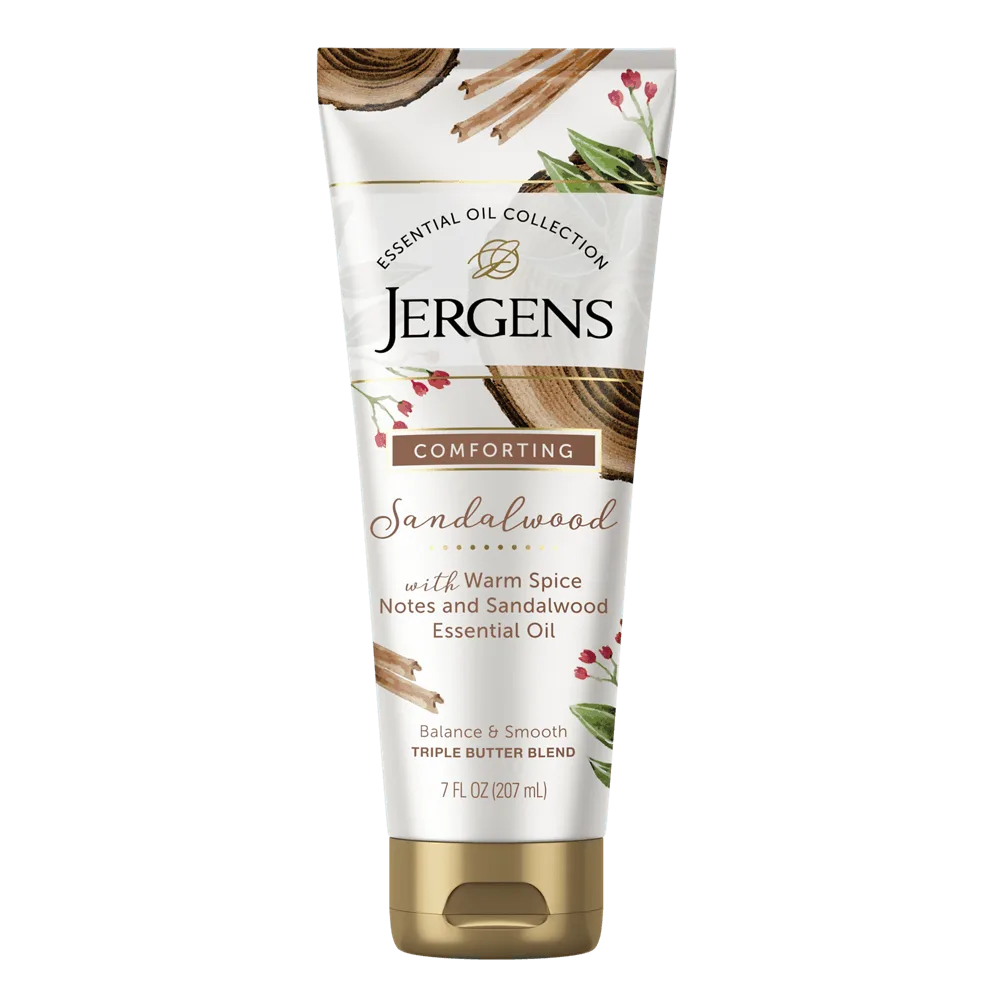
- Sandalwood Body Butter: Jergens Sandalwood Body Butter is made with an ultra-hydrating blend of shea, cocoa, and mango butters, infused with sandalwood essential oil. The essential oil scent is the part most sensitive to heat and light over time, so storing this one in a dark cabinet helps preserve the sandalwood note.
- Rose Body Butter: Jergens Rose Body Butter is infused with rose essence and camellia essential oil, in a triple butter formula with shea, cocoa, and mango butters. Fragrance and essential oils fade faster than the butters themselves, so an airtight lid does double duty here—it protects texture and scent.