Quick answer
Reseal the bottle tightly and refrigerate it the moment you finish pouring, then drink it within the window printed on the label. Cold, sealed, and upright is the whole game. If you cannot find a use-by or best-by date on your bottle, treat it as a short-life fresh drink and finish it within a few days rather than weeks.
A booze-free cocktail does not have the alcohol that normally acts as a preservative, so once the seal is broken the clock starts. That is not a flaw; it is simply how fresh drinks work. The good news is that a short, consistent routine keeps flavor, fizz, and aroma close to what you tasted on the first pour.
This guide walks through the exact order of steps for storing opened bottles, from the moment you twist the cap to the last serving. It also flags the mistakes that quietly flatten a bottle overnight.
Why opened booze-free bottles behave differently
Alcohol slows spoilage, and non-alcoholic drinks do not have that buffer. Once air replaces the headspace, oxygen starts working on aromatics, and any carbonation begins to escape. This is why an opened bottle can taste bright on day one and muted by day three, even when it still looks fine.
The practical takeaway is that storage is really about limiting two things: oxygen contact and temperature swings. Every step below exists to slow one of those down. You do not need special equipment, just consistency about sealing and chilling.
- Keep bottles out of direct sunlight and away from the stove or radiator.
- Store upright so the cap seals against liquid rather than pooling it.
What the label tells you, and what it does not
Start by reading the bottle. Some brands print a best-by or use-by date; others only mark the batch. If your bottle carries a date, that is your anchor for opened cocktail storage, and you should work backward from it once the seal breaks. If it does not, assume a shorter window and use your senses as the guide.
Because our catalog does not list opened shelf-life windows for individual bottles, treat any specific day count you see online with caution. The reliable signals are smell, taste, and visible fizz, not a generic number.
- Write the open date on the cap with a marker so you are not guessing later.
- If the label says nothing, plan to finish the bottle within a few days.
Choosing the right spot in the fridge
The main compartment, not the door, is the better home for an opened bottle. Door shelves warm up every time the fridge opens, and that repeated swing is exactly what dulls delicate floral and spice notes. A back shelf with steady cold keeps the drink more stable.
If you are chilling several bottles for a gathering, group them together. A cluster holds cold better than a single bottle sitting alone, and you will not have to hunt for them when guests arrive.
- Skip the freezer as a shortcut; freezing can crack glass and wreck carbonation.
- Keep bottles away from strongly scented foods so aromas do not migrate.
Your opened-bottle routine, step by step
- Step 1: Reseal immediately after pouring: Twist the cap until it is snug the second you finish pouring, before you garnish or sit down. Oxygen is the fastest way to flatten an opened bottle. Common mistake: leaving the cap off while you chat. That single habit costs more freshness than any fridge setting.
- Step 2: Refrigerate right away, upright: Move the bottle to a back shelf of the main compartment and stand it upright so the cap seals against liquid. Do not wait for the bottle to come to room temperature first. Checkpoint: if the bottle is still on the counter an hour later, you have skipped the step that matters most.
- Step 3: Label the open date: Write the date on the cap or a piece of tape. With several bottles in rotation, memory is unreliable and you will end up guessing which one is oldest. Common mistake: trusting yourself to remember. Two similar-looking bottles are easy to mix up.
- Step 4: Pour gently and keep the bottle cold: Tilt the glass and pour slowly to preserve carbonation, and return the bottle to the fridge between refills instead of leaving it out for the evening. Checkpoint: a bottle that sits out all evening will taste flatter by the next pour.
- Step 5: Taste before you serve: Smell and sip a small amount before pouring for anyone else. A dull, sour, or noticeably flat taste means the bottle is past its best, even if it looks normal. Common mistake: serving a bottle you have not checked. One quick sip protects the whole round.
- Step 6: Finish within the label window: If the bottle has a best-by or use-by date, work within it after opening. If it does not, finish within a few days and lean toward the earlier end for sparkling styles. Next step: plan your pours so an opened bottle is finished before the next one is cracked.
How this plays out across the lineup
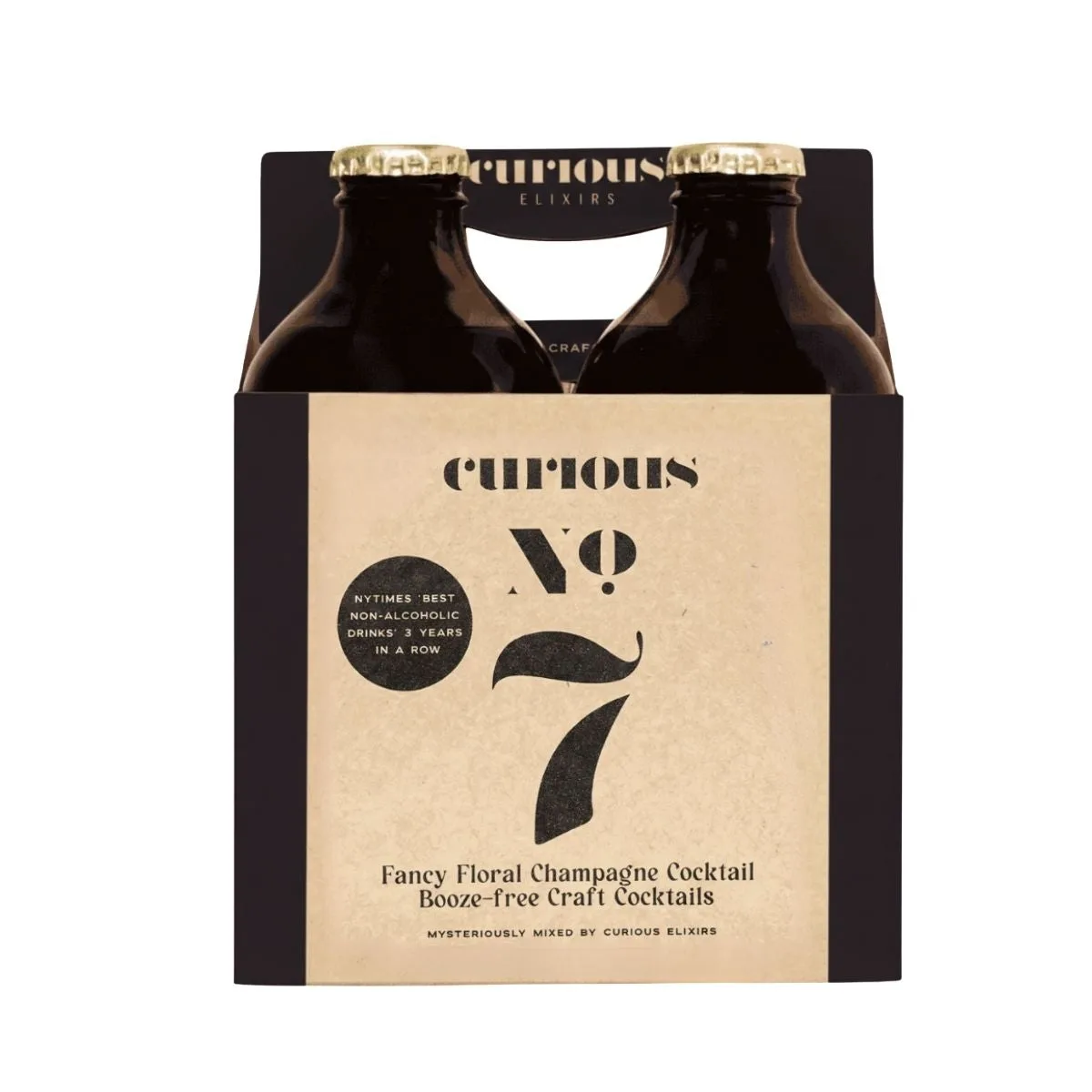
- https://curious-elixirs.com/products/curious-elixir-no-7-booze-free-cocktails-copy-13d52556c54fbcdee115e5b0-1309388Curious No. 7 Booze-Free Cocktails: Booze-free sparkling champagne cocktail with elderflower and lavender, available in bundle packs including 8 cocktails in 4 bottles. Sparkling styles lose fizz fastest, so reseal and chill these first and plan to finish them sooner than still bottles.
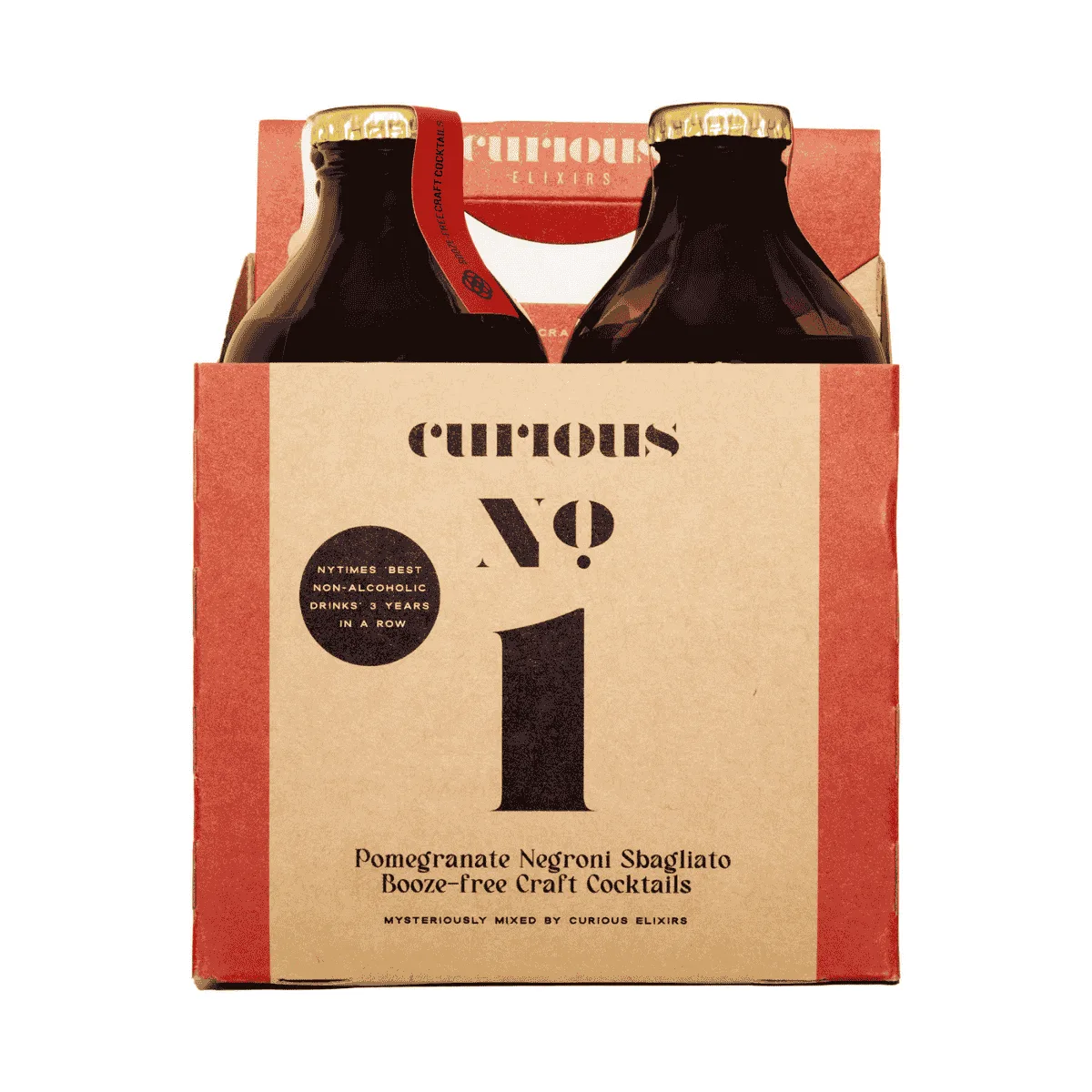
- Curious No. 1 Booze-Free Cocktails: Beautifully bitter booze-free pomegranate cocktail inspired by the Negroni Sbagliato, infused with rhodiola. Bitter, aromatic drinks lean on aroma for their character, so a tight cap and cold shelf protect the flavor you paid for.
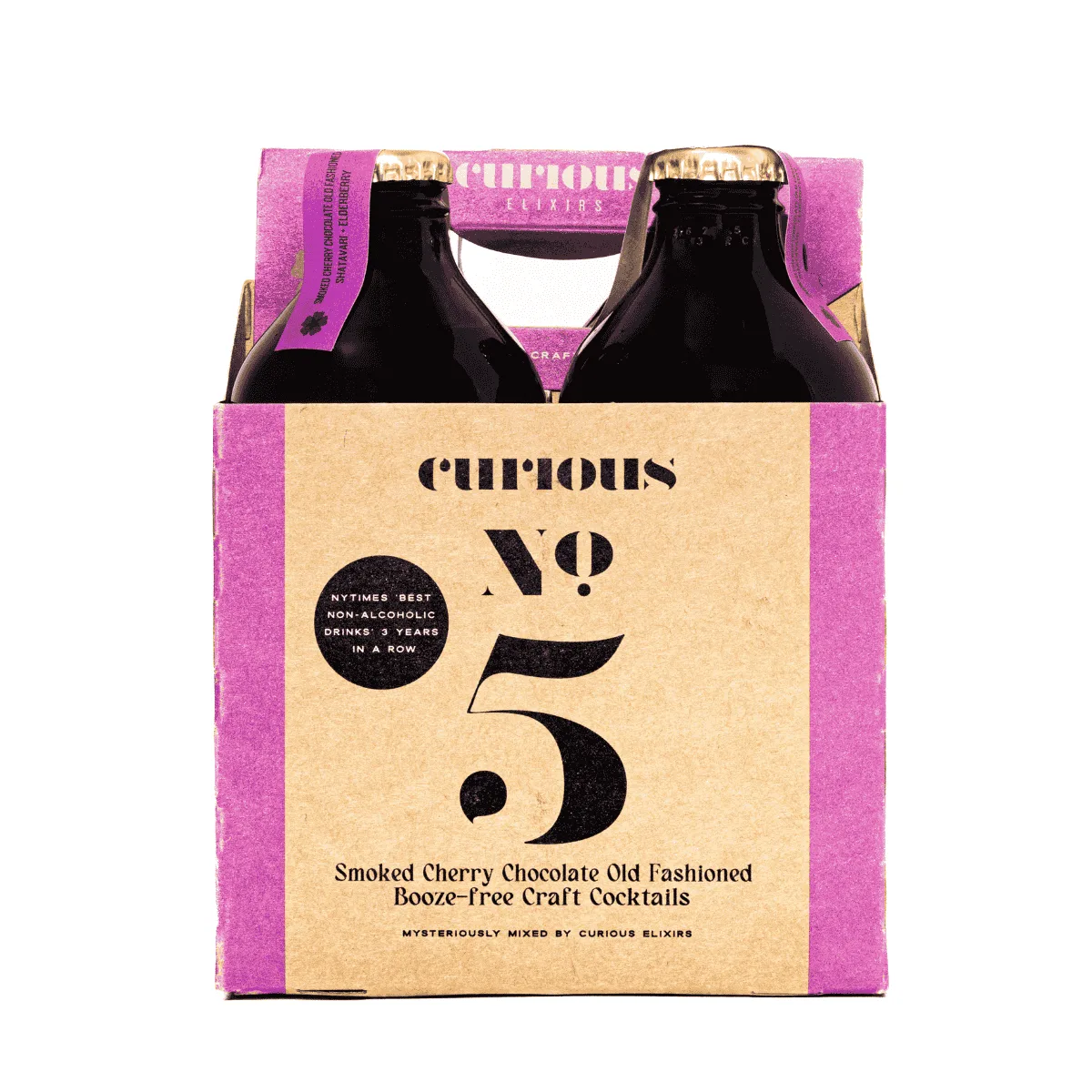
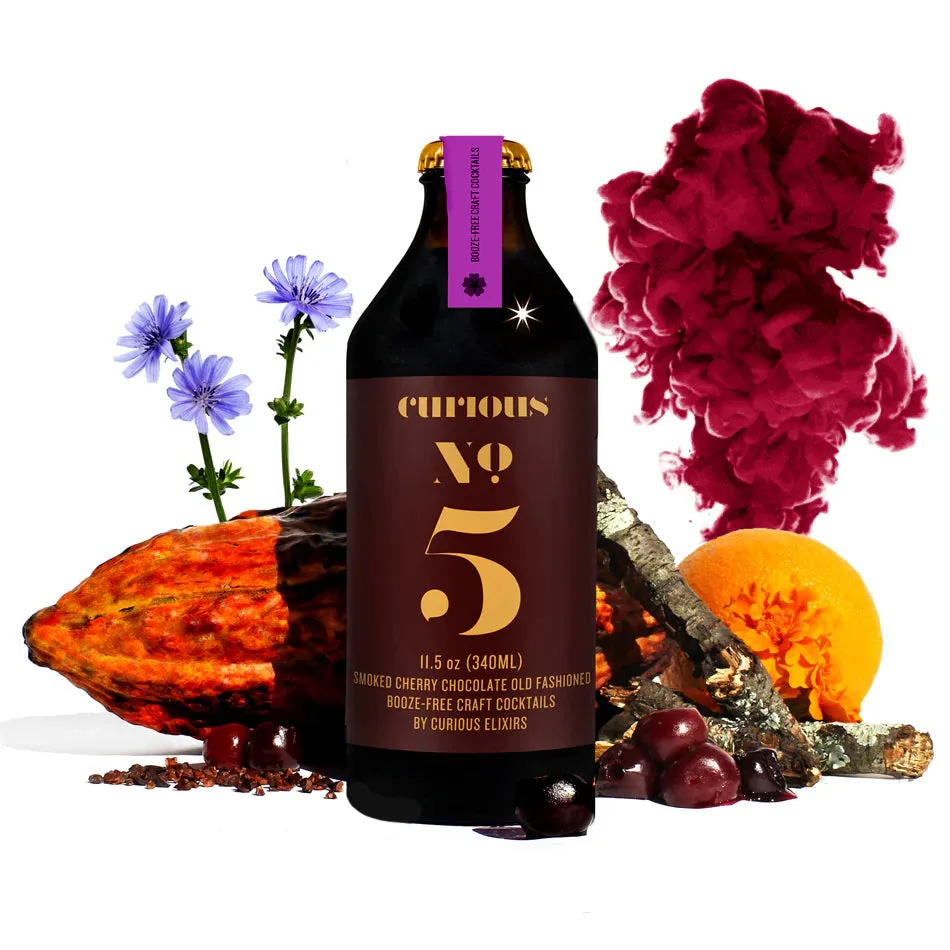
- https://curious-elixirs.com/products/curious-elixir-no-5-booze-free-cocktails-copy-f5e3717a6a5b0867adc77472-1309378Curious No. 5 Booze-Free Cocktails: Bundle pack containing 8 ready-to-serve cocktails in 4 bottles, each crafted with a smoked cherry chocolate flavor profile, complemented by elderberry and ginger. Smoked and spice notes fade before the liquid spoils, so taste before you pour a round for guests.
Storing an opened booze-free cocktail comes down to three habits: seal it, chill it, and finish it on time. Do that and the last glass tastes much closer to the first.