Quick answer
Store Boy Butter lube in a cool, dark place between 60–75°F (15–24°C), away from direct sunlight and heat. Keep the cap tightly closed and avoid transferring it to unlabeled containers. These simple habits help maintain texture, prevent separation, and extend lubricant life.
Why proper storage matters for cream lubricants
Cream-based lubricants like Boy Butter H2O contain water, oils, and sometimes Vitamin E or Shea Butter. These ingredients can degrade faster than pure silicone or oil formulas when exposed to heat, light, or air. Proper storage keeps the consistency smooth and prevents the formula from becoming runny, sticky, or separated.
Unlike thin water-based gels, cream lubes have a thicker texture that can be affected by temperature swings. If you leave a tube in a hot car or near a radiator, the emulsion may break down. Once separated, it won't perform the same way and may feel greasy or tacky.
Check the packaging for storage clues
Most lubricant tubes and bottles include a PAO (Period After Opening) symbol—a small open jar icon with a number like 6M or 12M. That number tells you how many months the product remains stable after you first open it. If your Boy Butter lube doesn't show a PAO, a good rule is to use it within 12 months of opening for best quality.
Always write the date you opened the product on the tube or bottle with a marker. This simple step removes guesswork and helps you avoid using expired lube that may have lost its glide or become irritating.
Temperature: the sweet spot for lube storage
Lube storage temperature should be consistent and moderate. Aim for 60–75°F (15–24°C)—roughly room temperature. Avoid storing lube in the bathroom if it gets steamy, as humidity can encourage mold or bacteria growth in water-based formulas. A bedroom nightstand drawer or a cool closet shelf works well.
Never freeze lubricant unless the manufacturer explicitly says it's safe. Freezing can alter the texture of cream and water-based lubes, causing them to become grainy or separated when thawed. Similarly, don't leave lube in a hot car or direct sunlight; UV rays and heat can degrade ingredients and make the formula less effective.
Keep it clean and sealed
Always close the cap tightly after each use. Air exposure can dry out the surface of the lube and introduce contaminants. If your lube comes in a tube, squeeze from the bottom and roll it up as you go to minimize air pockets. For pump bottles, wipe the nozzle clean before capping to prevent crusty buildup.
Avoid touching the opening of the tube or bottle with your fingers or any other object. If you need to scoop lube, use a clean spoon or a dedicated lube applicator. This reduces the risk of introducing bacteria that can shorten shelf life and cause irritation.
Signs your lube has gone bad
Even with perfect storage, lubricants don't last forever. Watch for changes in color, smell, or texture. If your Boy Butter lube becomes unusually stringy, lumpy, or develops a sour odor, it's time to replace it. Separation that doesn't remix after shaking is another red flag.
If you experience burning, itching, or irritation during use, stop immediately and discard the product. Those symptoms can indicate bacterial growth or ingredient degradation. When in doubt, throw it out—using expired lube isn't worth the discomfort.
7-step routine to store lube properly
- Choose a cool, dark storage spot: Pick a drawer or cabinet away from windows, stoves, and heaters. A bedroom nightstand is ideal. Checkpoint: The spot should feel room temperature—not warm or cold—to the touch.
- Keep the original container: Leave lube in its original tube or bottle. Transferring to unlabeled containers risks contamination and exposes the formula to air. Mistake to avoid: Decanting into a pretty bottle without knowing if it's sterile.
- Seal tightly after every use: Close the cap until it clicks or twists snugly. Air is the enemy of cream and water-based lubes. Checkpoint: Listen for the seal—if it doesn't feel tight, check for cracks or stripped threads.
- Avoid touching the opening: Dispense onto clean fingers or a toy, not directly from the tube to skin. If you must scoop, use a clean spoon. Mistake to avoid: Double-dipping with fingers that have touched other body parts.
- Monitor temperature extremes: Don't leave lube in a hot car, checked luggage, or near a radiator. In winter, bring it inside before it gets too cold. Checkpoint: If the lube feels unusually hot or cold, let it return to room temperature before use.
- Mark the open date: Write the date you first opened the product on the label with a permanent marker. Mistake to avoid: Relying on memory—most people forget when they opened it.
- Do a texture and smell check monthly: Squeeze a small amount onto a clean tissue. If it's separated, lumpy, or smells off, replace it. Next step: If it's still smooth and neutral-smelling, it's good to use.
Product storage notes
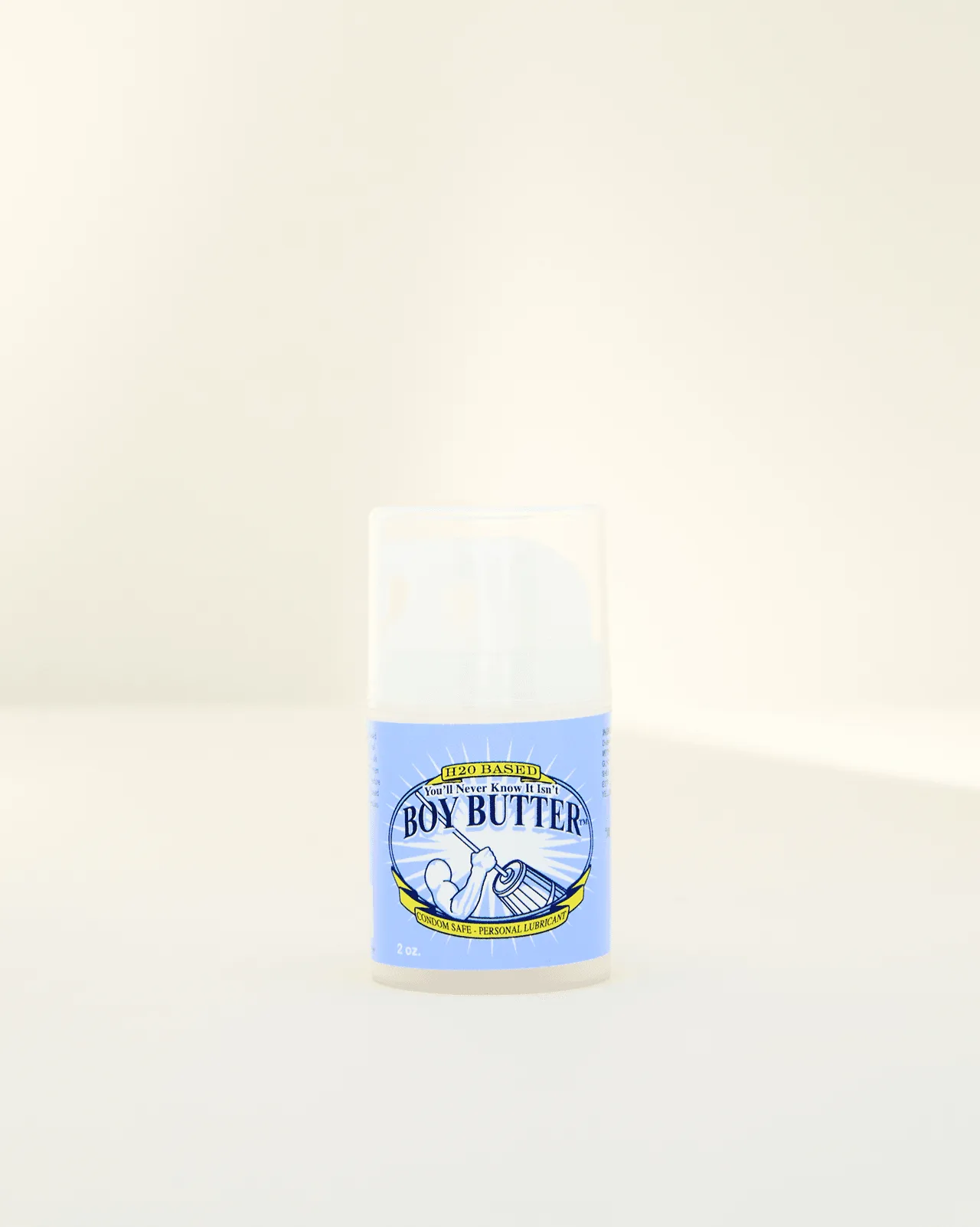
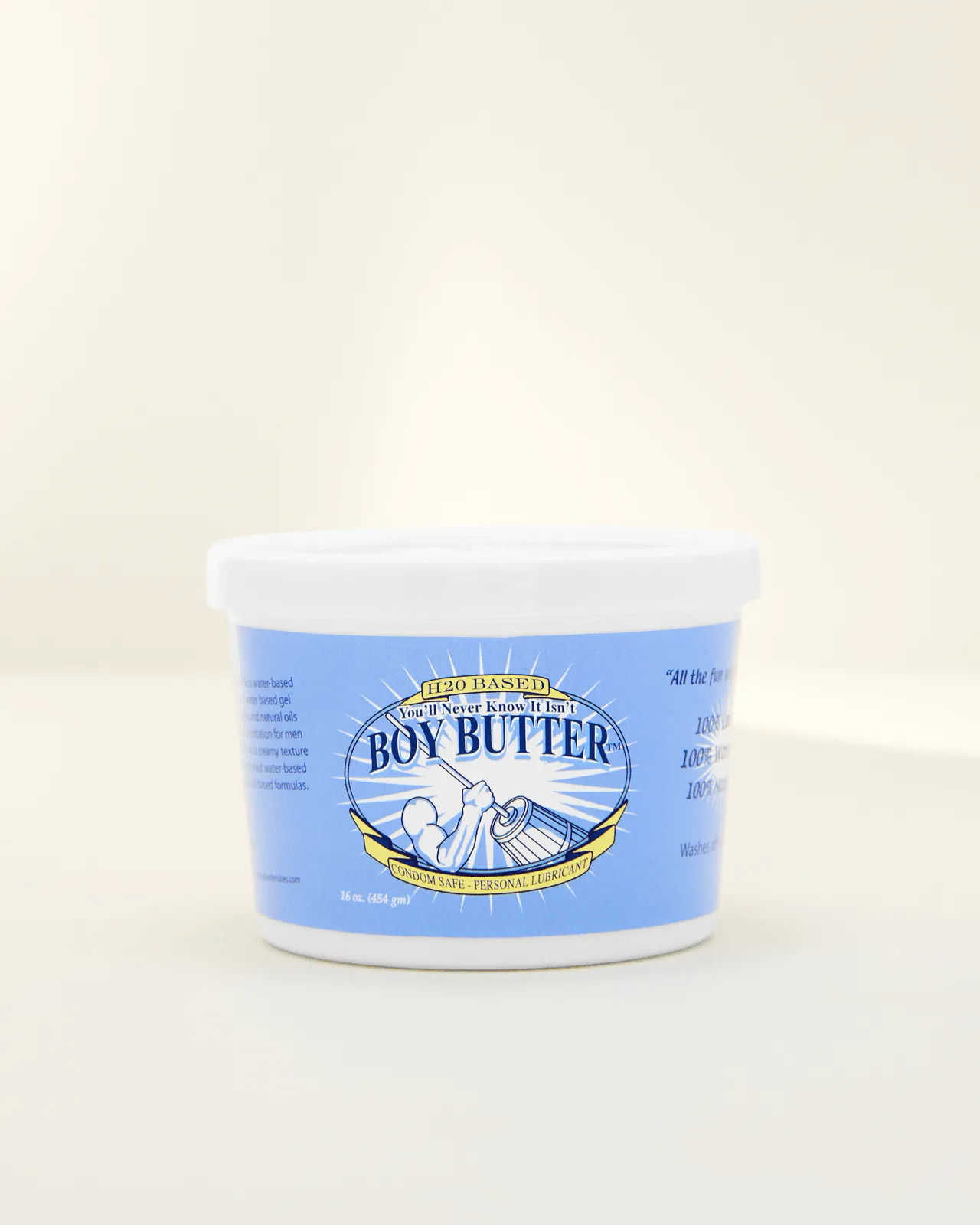
- Boy Butter Hypoallergenic Personal Water-Based Lube | 4 oz Tube: Boy Butter Hypoallergenic Personal Water-Based Lube | 4 oz Tube is a water-based formula with a rich, butter-like consistency that stays incredibly smooth without drying out mid-action. Its thick texture means it can be more sensitive to heat than thin gels; storing it consistently at room temperature helps maintain that creamy feel.
- Boy Butter 20th Anniversary Platinum Edition: Boy Butter 20th Anniversary Platinum Edition is a coconut oil-based formula with added organic silicone, and it washes off with water alone. Oil-based lubes can solidify in cold temperatures, so keep this one above 60°F to avoid a hard, unusable texture.
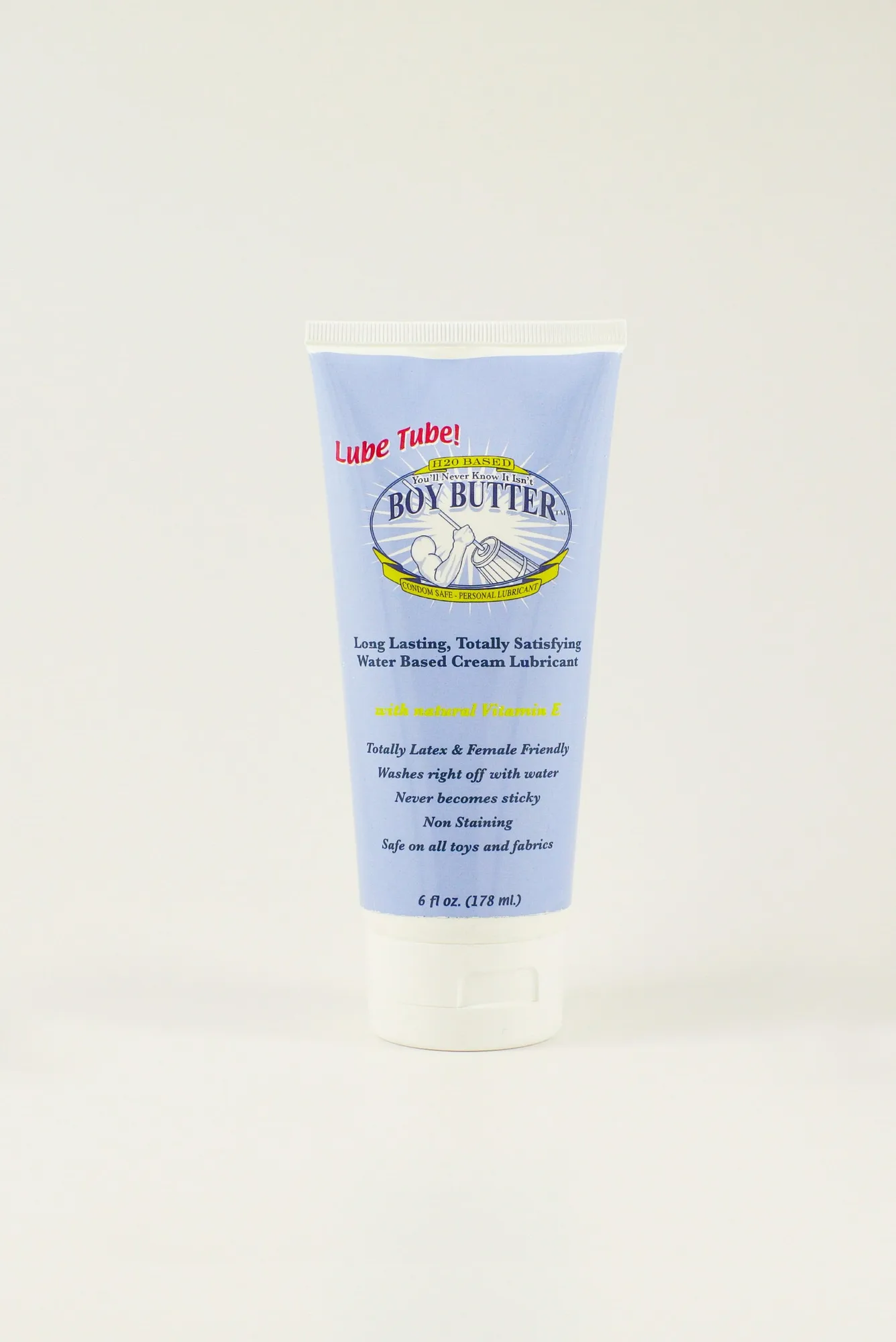
- Lube Tube ~ Boy Butter H2O Formula 6 oz: Lube Tube ~ Boy Butter H2O Formula 6 oz is a water-based cream formula with Vitamin E and Shea Butter that is long-lasting, gentle, and washable. Because it contains natural ingredients like Shea Butter, it's best kept away from direct sunlight to prevent spoilage and preserve its smooth consistency.