Quick answer
To store camp bedding without mildew, start with a clean, completely dry item. Use a breathable cotton storage bag or a large cotton pillowcase, and keep it in a cool, dry place away from damp walls or concrete floors. Never store bedding compressed in a stuff sack or plastic bin for long periods, as trapped moisture encourages mildew.
Why camp bedding is prone to mildew
Camp bedding, including blankets and comforters, often picks up moisture from sweat, humid air, or damp ground. If packed away while even slightly damp, that moisture becomes a breeding ground for mildew. Synthetic fills and fleece linings can hold hidden moisture longer than you might expect, especially if the bedding was used in rain or high humidity. Mildew not only causes musty odors but can also break down fabrics and insulation over time. The key is to eliminate moisture before storage and allow airflow during storage.
Step 1: Clean your bedding before storage
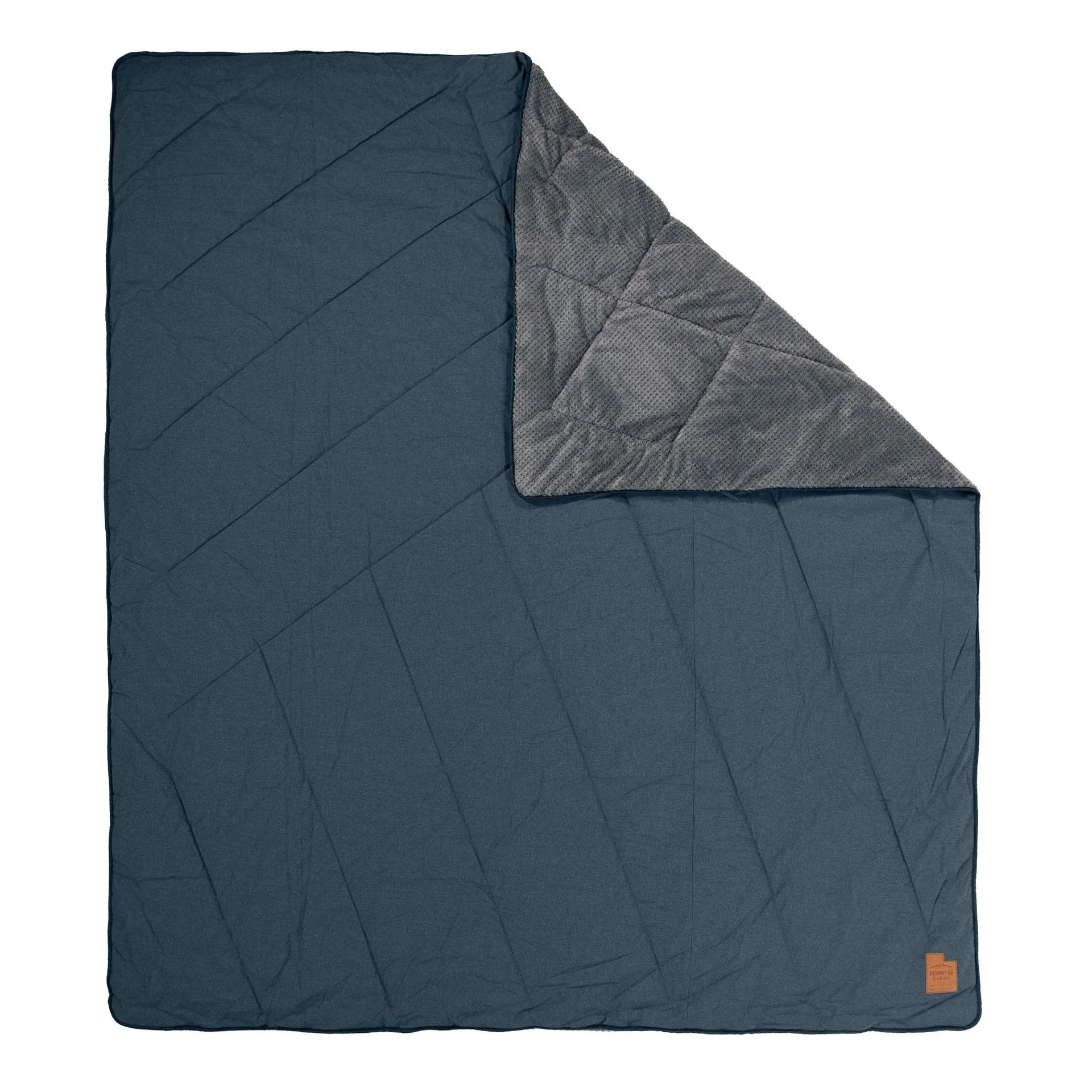
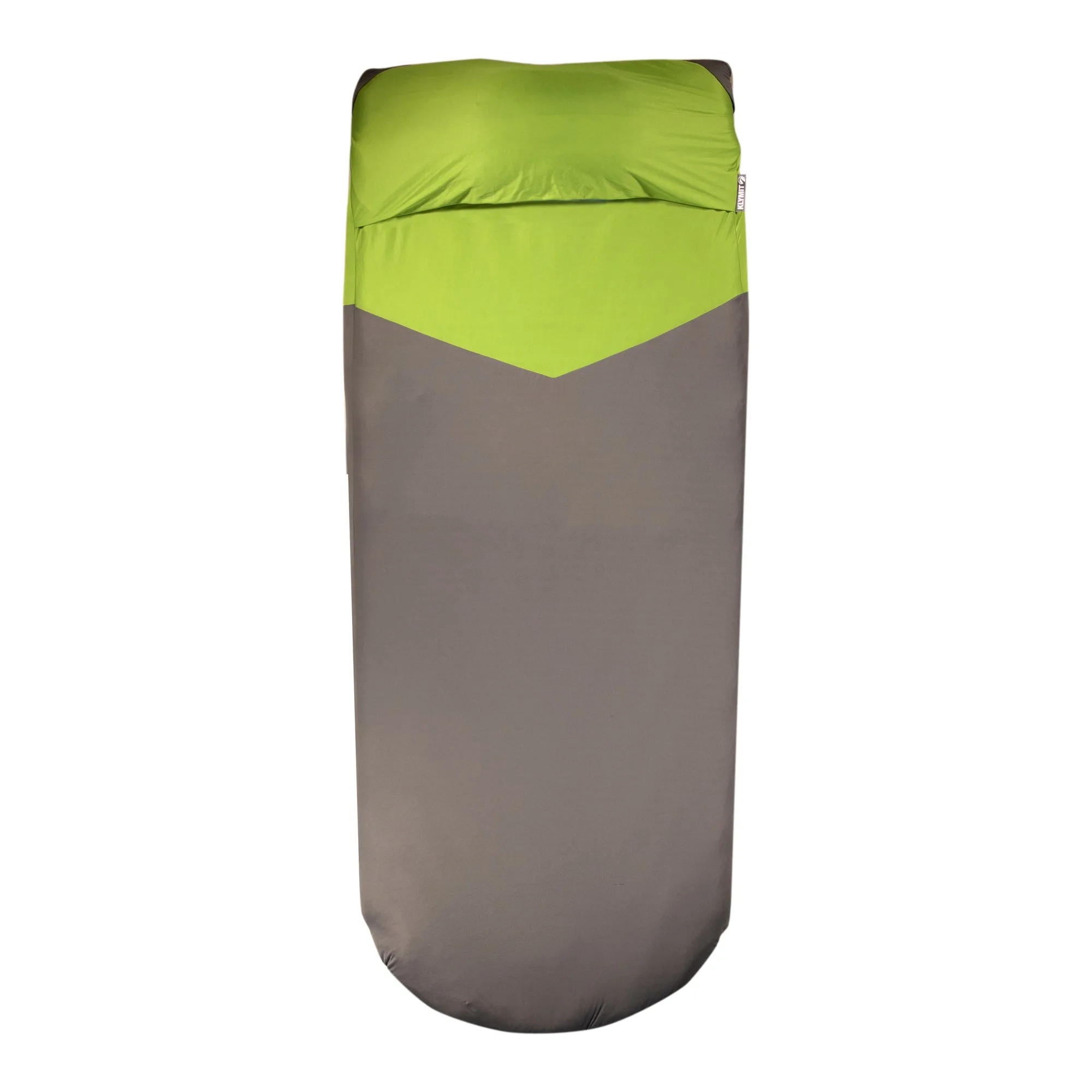
Always start with clean bedding. Dirt, body oils, and food particles attract mildew and insects. Check the care tag on your specific item. Most synthetic camp blankets and comforters can be machine washed on a gentle cycle with mild detergent, then tumble dried on low. Avoid fabric softeners and bleach, which can damage insulation and leave residue. If your blanket has a removable cover, like the V Sheet for Static V sleeping pads, unzip it and wash the cover separately according to its instructions. For a comforter like the Homestead Cabin Comforter Blanket, which has a durable canvas exterior and plush fleece lining, follow the manufacturer's care guidelines to avoid shrinking or matting.
Step 2: Dry thoroughly, inside and out
Drying is the most critical step. Even if the surface feels dry, the inner insulation may still hold moisture. After washing, tumble dry on low heat, checking periodically. For items that cannot go in a dryer, hang them in a well-ventilated area away from direct sunlight. A fan can speed drying. You can also hang bedding over a clothesline or railing and fluff it occasionally to redistribute the fill. To be certain, feel the item after it cools; if it feels cool or clammy, keep drying. Never store bedding until it is completely dry.
Step 3: Choose the right storage container
Breathable storage is essential. Cotton storage bags, large cotton pillowcases, or breathable fabric sacks allow air to circulate and moisture to escape. Avoid plastic bins, vacuum-sealed bags, and stuff sacks for long-term storage, as they trap any remaining moisture and can cause mildew. If you must use a plastic bin, ensure the bedding is bone-dry and line the bin with a cotton sheet or desiccant packs, but breathable options are safer. For a comforter like the Homestead Cabin Comforter Blanket, a large cotton storage bag works well to protect it from dust while letting it breathe.
Step 4: Store in a cool, dry place
Where you store your bedding matters as much as how. Choose a cool, dry location with good air circulation, such as a closet shelf or a bedroom. Avoid damp basements, garages, attics with extreme temperature swings, or directly against concrete walls or floors, which can wick moisture. If storing in a basement, elevate the bedding on a shelf or pallet. Keep it away from windows that condense moisture. Ideally, store bedding in a climate-controlled area of your home.
Step-by-step: storing camp bedding without mildew
- Clean before storing: Wash bedding according to care tags using mild detergent. For removable covers like the V Sheet, unzip and wash separately. Avoid fabric softener and bleach. Checkpoint: No visible dirt or stains; follow manufacturer instructions.
- Dry completely: Tumble dry on low or hang in a well-ventilated area. Ensure the inner fill is dry, not just the surface. Use a fan to speed drying if needed. Checkpoint: Item feels dry and cool, with no clammy spots.
- Store in breathable container: Use a cotton storage bag or large pillowcase. Avoid plastic bins and vacuum bags for long-term storage. If using a plastic bin, ensure bedding is bone-dry and add desiccant. Checkpoint: Container allows airflow; no plastic against fabric.
- Choose a dry location: Store in a cool, dry closet or room. Avoid damp basements, concrete floors, and areas with temperature swings. Elevate off the floor if necessary. Checkpoint: Location is dry and well-ventilated.
Products that make storage easier
- Homestead™ Cabin Comforter Blanket: The Homestead Cabin Comforter Blanket features a durable canvas exterior and plush high-loft fleece lining, and is designed for cozy warmth. The canvas exterior resists dirt and wear, while the fleece lining requires thorough drying before storage to prevent mildew; a breathable cotton bag is ideal for off-season storage.
- V Sheet™: The V Sheet is a removable, machine-washable cover for regular-sized Static V sleeping pads and includes a pocket for an inflatable pillow. Because it is machine washable, you can keep your sleeping pad clean and fresh; washing and drying the V Sheet separately before storage prevents mildew on both the cover and the pad.