Quick answer
Store card games upright in a cool, dry place with the cards snug inside the box or a deck box, away from direct sun and damp walls. Keep the lid on, avoid stacking heavy boxes on top, and never store loose cards in a bag where they can bow. If cards are already warped, flatten them under gentle, even weight before they set that way for good.
You pull out your favorite card game, start shuffling, and notice the deck doesn't sit right. A few cards are bowed, some curl at the corners, and suddenly everyone can tell which card is which. Warped cards are one of the most common problems in card game care, and they usually come down to how the game was stored, not how it was played.
The good news: flat cards are mostly a storage habit, not a repair skill. With a few simple changes to where and how you keep your decks, you can prevent most warping before it starts. This guide walks through the symptoms, the likely causes, and the fixes, so you can stop guessing and get back to playing.
Why cards warp in the first place
Card stock is paper, and paper reacts to moisture. When one side of a card absorbs more humidity than the other, that side expands slightly and the card bows. The same thing happens when cards dry out unevenly in a hot, dry room. Temperature swings make it worse because they push moisture in and out of the paper.
Pressure matters too. A heavy box stacked on top of a game can press a curve into the deck, and loose cards in a bag or rubber band get bent in ways they never recover from. The fix is not complicated, but it does need to be consistent. Think steady conditions, even pressure, and a snug fit.
- Keep games out of basements, garages, and attics where humidity swings are largest.
- Avoid storing cards directly against exterior walls or on the floor.
- Never use rubber bands on a deck; they dig in and leave permanent dents.
The storage setup that keeps cards flat
The best storage for card games is a cool, dry, indoor spot with stable temperature, like a closet shelf or a cabinet away from windows. Store the box upright or flat, but keep the cards inside the box or a deck box so they hold their shape. If the original insert is flimsy, a snug deck box or a small card case does the job better because it limits movement.
For games with a lot of cards, keep the deck slightly compressed but not crushed. A full box with a lid that closes properly gives just enough gentle pressure to keep cards aligned. If you use a card storage box, choose one sized to the cards rather than one with lots of empty space, because loose cards slide and bend.
- Store cards in the box they came in whenever possible; it was designed for that deck.
- Use a deck box or card case for games you carry around.
- Keep silica gel packets in storage bins if your climate is humid, and replace them regularly.
How to flatten cards that are already warped
If your cards are only slightly bowed, you can often flatten them at home. Place the deck between two clean, flat surfaces, like two pieces of cardboard or a couple of heavy books, and leave it for a few days. The key is even, gentle pressure across the whole deck, not a heavy weight on one spot. Check the deck every day or two and stop when it sits flat.
For cards that are badly curled or have been warped for months, home flattening may not fully fix them, and that's the point where you should stop and decide whether the deck is still playable. If marked cards would give away hidden information in a game like This Game is Killer: Frozen Horror, where players must figure out who among them isn't Human, a warped deck can actually break the game. In that case, replacing the deck is the better option.
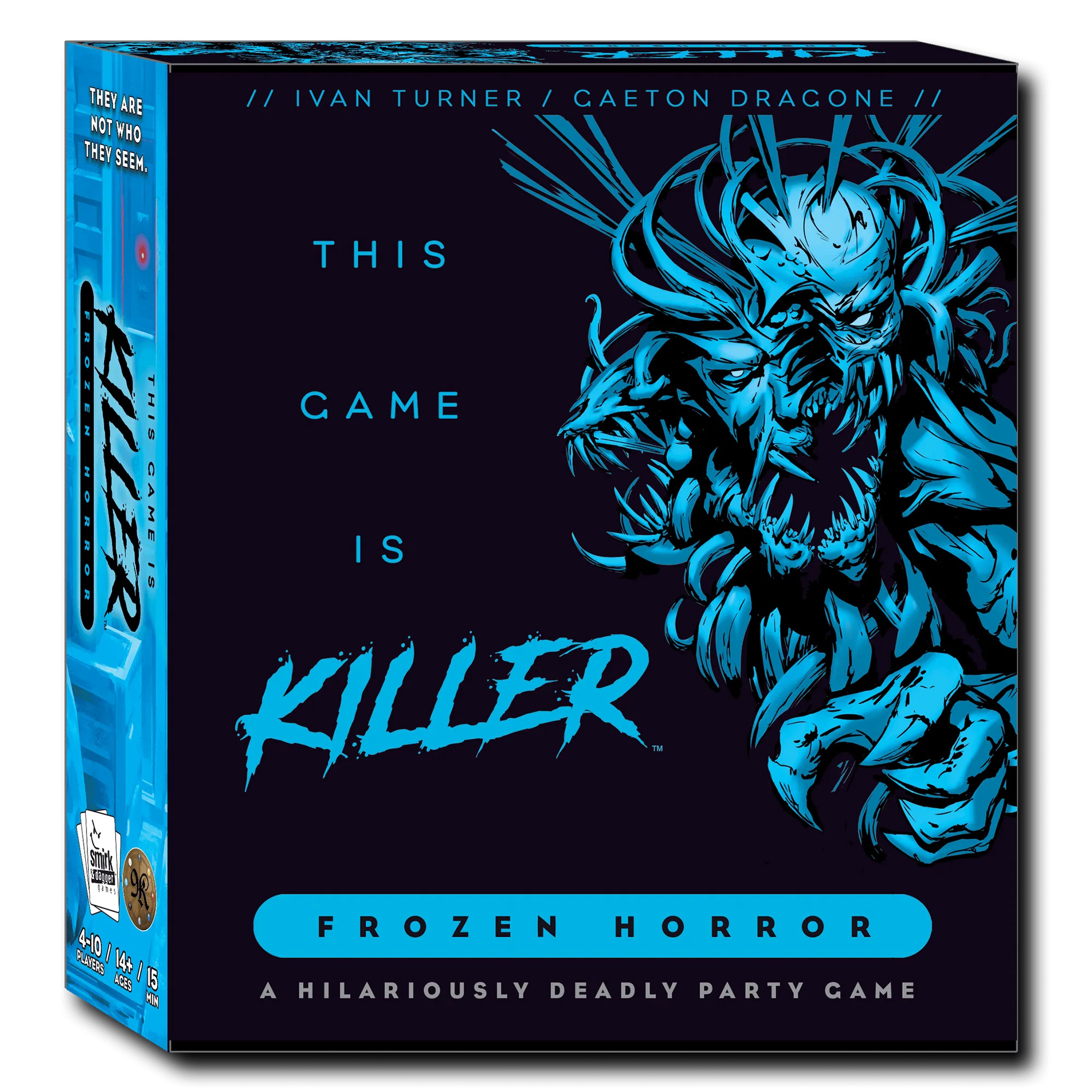
This Game is Killer: Frozen Horror
- Flatten only lightly warped cards; heavy pressure can crack the coating.
- Give it several days, not hours, and check progress often.
- If cards remain visibly bowed, they may be marked for gameplay purposes.
Storage tips for specific card games
Different card games have different storage needs based on how many cards they include and how often you play. Party and social deduction games like This Game is Killer: Frozen Horror get shuffled hard and passed around, so keeping that deck flat and clean matters for fair play. A snug deck box or the original insert keeps the cards from sliding and picking up bends between sessions.
For puzzly card games and games with lots of small components, like A Place for All My Books, the cards often sit in stacks during play. Storing them flat and stacking them evenly when you pack up prevents the leaning tower problem that bows the bottom cards. The same goes for any game where cards are sorted into piles, like HIFI: The Meeples Are BACK, where the audio cards need to stay flat for smooth placement on the song tracks.
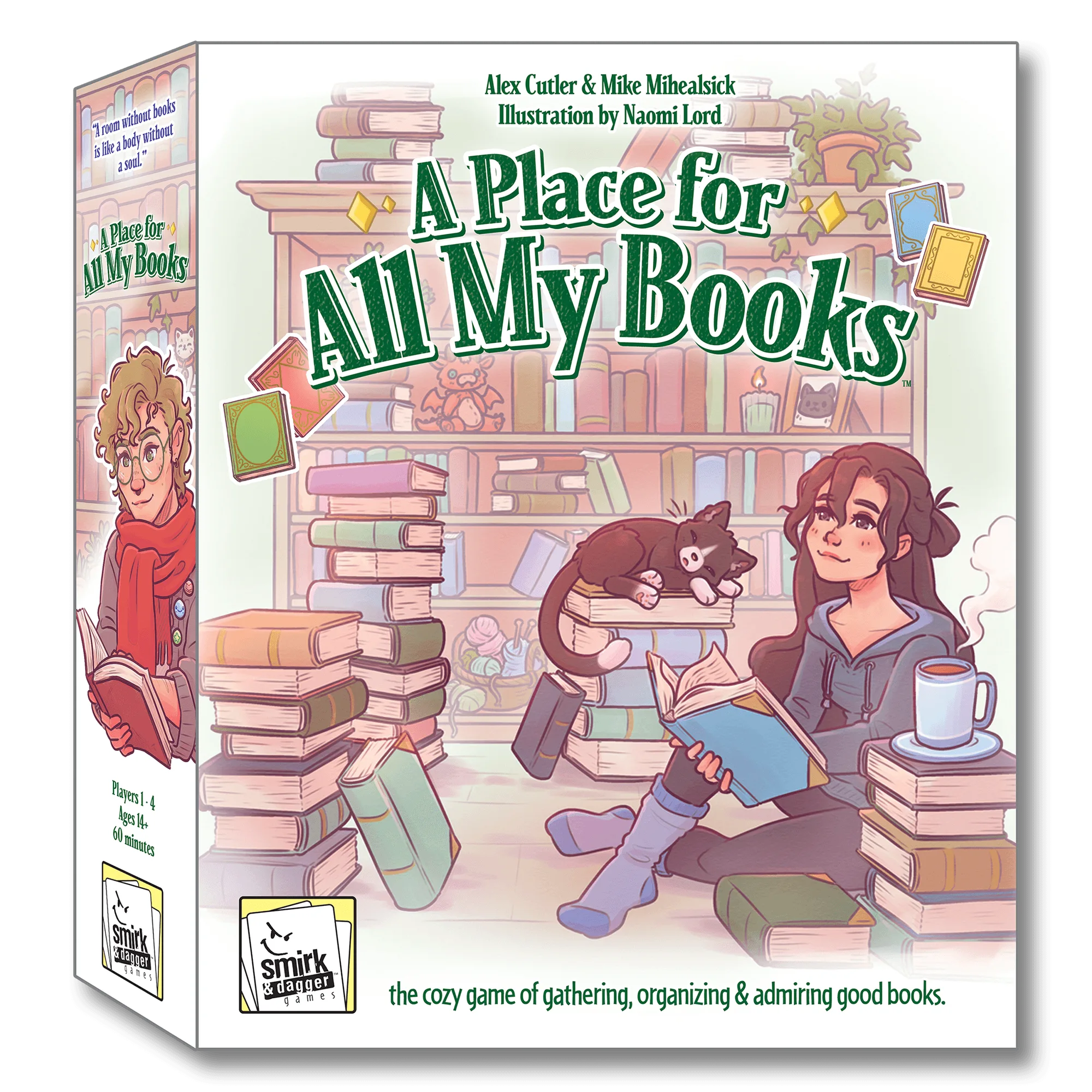
A Place for All My Books
- Store cards in neat, even stacks rather than leaning towers.
- Keep the heaviest components out of direct contact with the cards.
- If the box insert doesn't hold cards snugly, add a small foam block or a deck box.
Diagnose your card storage problem
- Symptom: cards bow evenly across the deck: This usually points to humidity or temperature swings. The cards absorbed or lost moisture unevenly, often because they were stored near a damp wall, in a garage, or in direct sun. Move the game to a cool, dry, indoor shelf and flatten the deck under even weight for a few days.
- Symptom: only the bottom cards are curved: Weight from other boxes or components pressed down on the deck over time. The bottom cards took the curve while the top cards stayed flat. Stop stacking heavy games on top of card games and store the deck in a snug box or deck box.
- Symptom: corners are bent or dented: Loose cards in a bag, a rubber band, or a too-large box let the deck shift and catch on edges. This is mechanical damage, not moisture. Use a correctly sized deck box and never rubber-band a deck. If corners are creased, the card is likely marked for play.
- Symptom: cards stay warped after flattening: Long-term warping can set into the paper fibers, and home flattening may not fully reverse it. In hidden-role games, even a slight bow can make a card identifiable from the back. If the deck remains visibly uneven, replace it rather than risk a broken game. That's the point to stop trying to fix it.
Card games that benefit from good storage
- This Game is Killer: Frozen Horror: This Game Is KILLER: FROZEN HORROR is a hilariously deadly party game about being trapped in the arctic with a shape-shifting monster that could be any one of you. Players play just two cards each round: an Action and a passageway to move through. Because the whole game hinges on hidden roles, any warped or marked card can reveal who isn't Human. Keeping this deck flat and clean protects the bluffing and deduction that make it fun.
- A Place for All My Books: A Place for All My Books is a puzzley book gathering, sorting and organizing strategy game where players arrange stacks of books in different rooms of their apartment as personal projects. The game is all about arranging stacks neatly, so cards that bow or slide make sorting and stacking harder. Storing them flat keeps the puzzle satisfying instead of fiddly.
- HIFI: The Meeples Are BACK in this Strategic, Tactical Puzzle Game: In HIFI, players are producers recording the B side of The Meeples' long-awaited album, strategically placing audio cards on the song tracks. Audio cards need to lie flat to sit properly on the tracks. Warped cards can slip, shift, or refuse to stay put, which interrupts the tactical placement at the heart of the game.
Flat cards come down to a few steady habits: store games in a cool, dry spot, keep decks snug in a box or deck box, and skip the heavy stacking. Do that, and your card games will shuffle fair and play right for years.