Quick answer
To store circle lenses without damage, always use fresh contact lens solution in a clean, dry lens case, never tap water. Clean and air-dry the case daily, replace the solution each time, and swap the case every one to three months. This routine prevents contamination and keeps lenses comfortable.
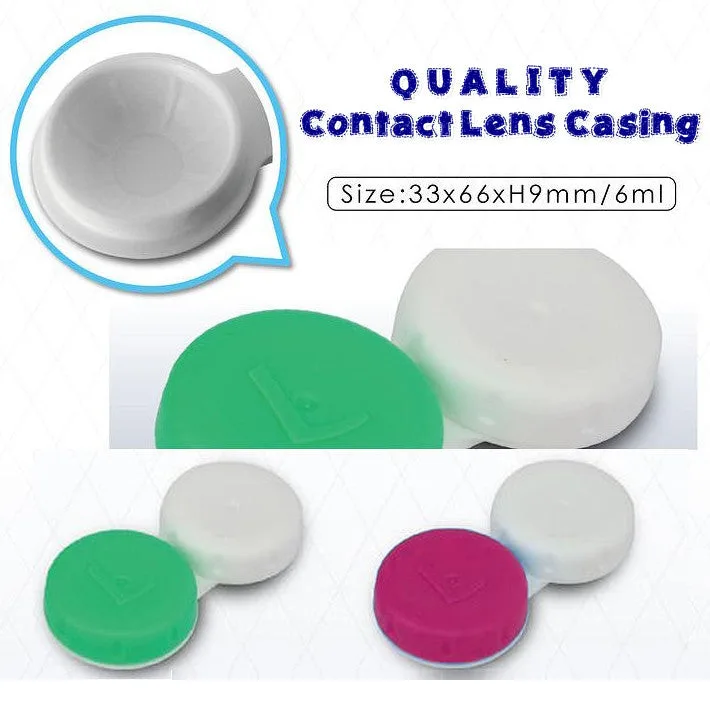
lens case
Why lens case storage matters for circle lenses
Circle lenses are made of soft hydrogel materials that can absorb whatever is in their environment. A dirty or wet lens case can harbor bacteria, fungi, or residue from old solution, which may transfer to the lens and cause irritation or infection. Proper storage also protects the lens shape and surface from drying out or being crushed. Because circle lenses often have larger diameters, they need enough solution to stay fully submerged and avoid sticking to the case walls.
Choose the right lens case
Not all lens cases are created equal. Look for a case with two separate compartments, screw-top lids that seal tightly, and a smooth interior that won't scratch lenses. Avoid cases with cracks, rough edges, or loose lids. Some cases come with a built-in mirror or travel kit, but the key features are a secure seal and easy cleaning. If your case has a colored or patterned interior, make sure it doesn't leach dye—stick to clear or white interiors.
Common mistakes to avoid
Even with good intentions, some habits can undermine lens safety. Using tap water to rinse the case or store lenses is a major risk because it can introduce Acanthamoeba and other pathogens. Topping off old solution instead of replacing it allows microbes to multiply. Leaving the case open in a bathroom exposes it to airborne germs and moisture. And forgetting to replace the case regularly means biofilms can build up in scratches you can't see.
- Never use tap water or homemade saline.
- Don't reuse solution or mix old and new.
- Avoid storing lenses in a case that hasn't been cleaned.
- Don't let the lens case dry with the lids sealed—trapped moisture encourages mold.
Lens case replacement schedule
Replace your lens case at least every three months, or sooner if you notice cracks, discoloration, or a persistent cloudy film. Mark the date on the case with a permanent marker to track it. Some eye care professionals recommend monthly replacement for extra safety, especially if you wear lenses daily. A fresh case is inexpensive insurance for your eye health.
Step-by-step lens case storage routine
- Wash and dry your hands: Before touching lenses or the case, wash hands with soap and water and dry with a lint-free towel. Avoid soap with moisturizers or oils. Checkpoint: hands must be completely dry—water on your hands can transfer to the case.
- Clean the lens case: Rinse the case and lids with fresh contact lens solution (never tap water), then wipe the interior with a clean tissue. Do this every time you remove or store lenses. Mistake to avoid: rinsing with tap water or leaving residue from old solution.
- Fill with fresh solution: Fill each compartment about two-thirds full with fresh multipurpose solution or the solution recommended for your lenses. Do not overfill—lenses need room to move. Checkpoint: use only solution labeled for soft contact lenses; saline alone does not disinfect.
- Place the lens in the case: Gently place the lens in the solution, ensuring it is fully submerged and not folded. Close the lid tightly. Mistake to avoid: dropping the lens from a height—it can crack or flip inside-out.
- Store the case properly: Keep the closed case upright in a clean, dry place away from direct sunlight and heat. Avoid bathrooms where airborne germs are common. Checkpoint: the case should not be stored in a damp area or near cosmetics.
- Discard old solution and air-dry the case: When you remove lenses, empty the case, rinse with fresh solution, and leave it open to air-dry completely. Never seal a wet case. Mistake to avoid: letting the case sit with old solution for days—bacteria thrive in stagnant liquid.
- Replace the case regularly: Swap your lens case for a new one every one to three months, or immediately if you see cracks or discoloration. Checkpoint: write the replacement date on the case to stay on track.
Product facts
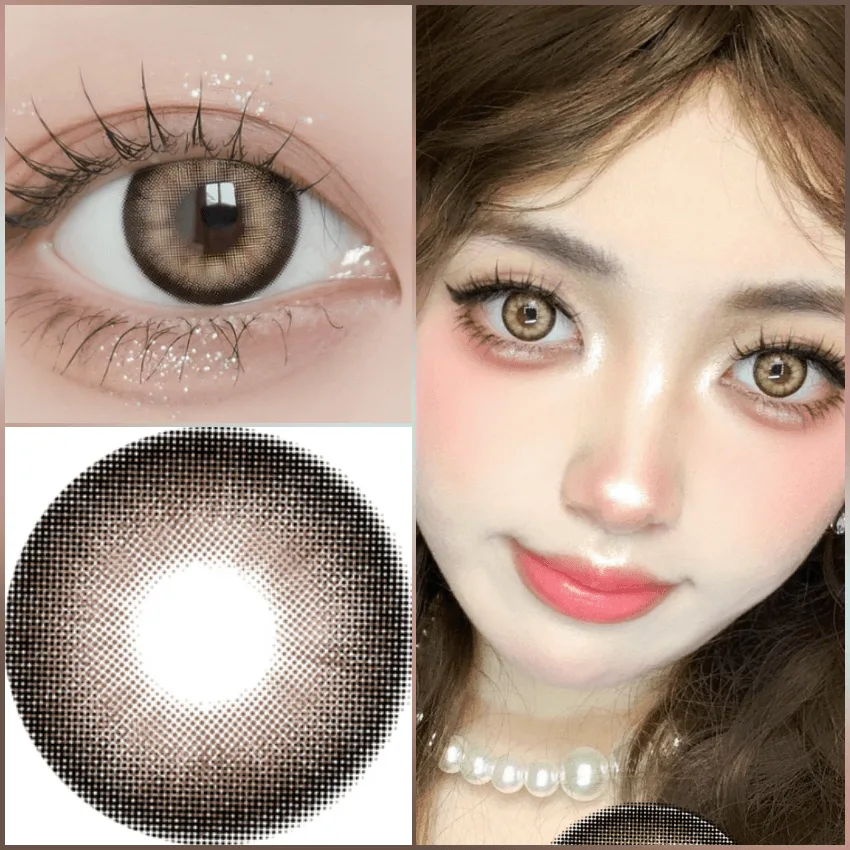
- I-Codi Dolly+ Grey: I-Codi Dolly+ Grey has a 16mm diameter, 8.6mm base curve, 0.04mm center thickness, and 45% water content. The 16mm diameter creates a noticeable enlargement effect, while the 45% water content helps keep eyes comfortable during wear. The thin 0.04mm profile requires gentle handling when storing to avoid tearing.
- Alluring Gray: Alluring Gray has a 15mm diameter, 1-year lifespan, and is available in prescriptions from 0.00 to -8.00. The 15mm size offers subtle dolly-eye impact, and the 1-year lifespan means proper storage extends the lens's usable life. The wide prescription range accommodates many wearers.
- Champagne Brown (CR39): Champagne Brown (CR39) has a 14.5mm diameter, 40% water content, 8.6mm base curve, and 1-year disposable lifespan. The 14.5mm diameter provides natural-looking enlargement, and the 40% water content is slightly lower, which may suit those who prefer less water in the lens. The 1-year lifespan reinforces the need for consistent storage care.