Quick answer
Store cleaning refills in a cool, dark, and dry spot—ideally between 50°F and 75°F—away from direct sunlight and heat sources. Keep them sealed until you're ready to pour, and always label the date you opened them. This preserves the plant-based ingredients and concentrated formulas in your dish soap, hand soap, and multipurpose cleaner refills.
Why proper storage matters for refill performance
Cleaning refills are concentrated, which means they contain less water and more active ingredients. Heat, light, and air can degrade those ingredients over time, leading to weaker cleaning, faded scent, or a change in texture. For plant-based formulas, temperature swings are the biggest enemy—they can cause separation or cloudiness. Storing refills correctly isn't just about tidiness; it's about getting the same performance from the last ounce as the first.
How long do cleaning refills last?
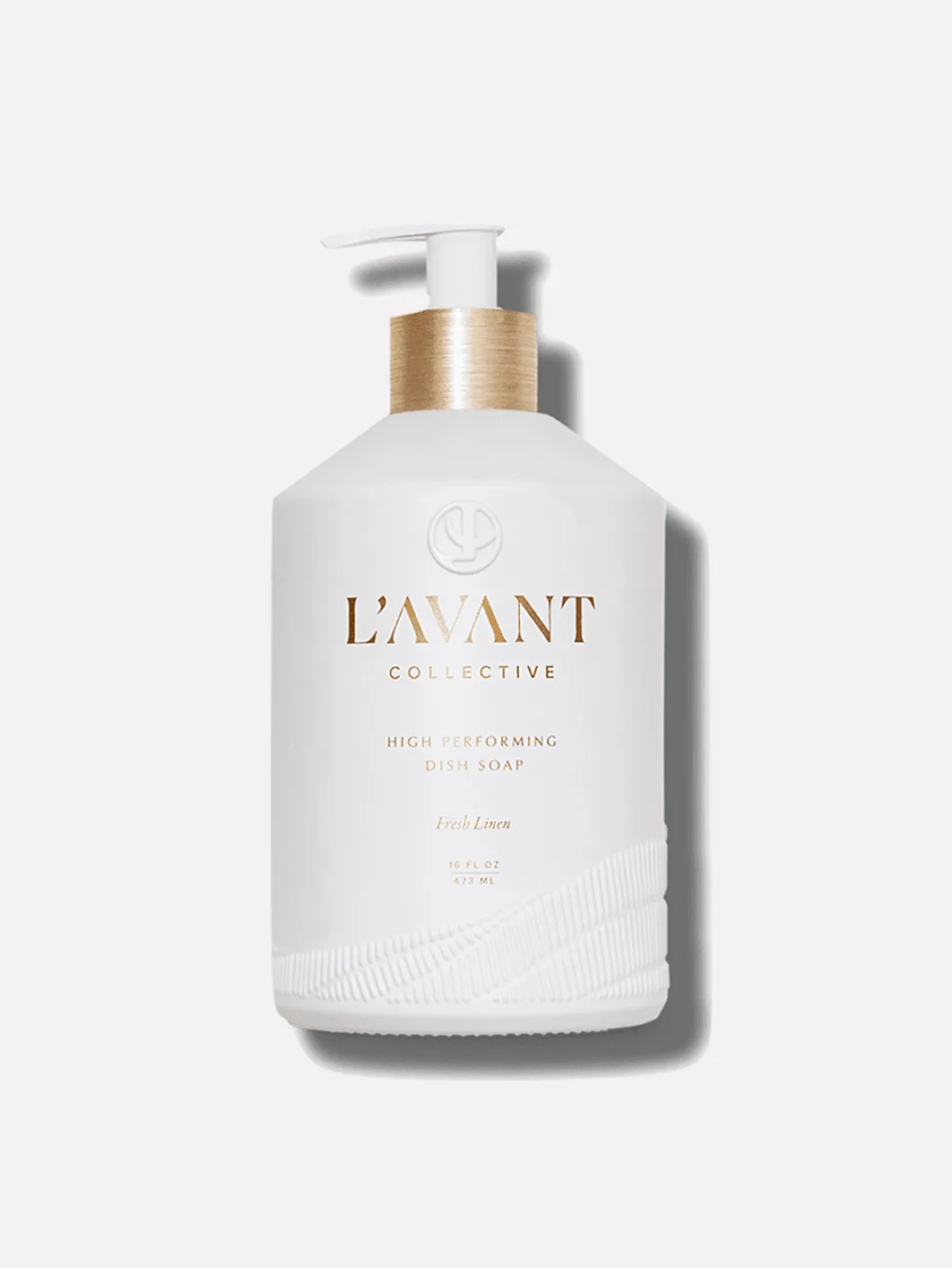
Unopened refills typically last 1–2 years if kept in ideal conditions. Once opened, aim to use them within 6–12 months. The exact shelf life depends on the formula and preservative system. For example, the High Performing Dish Soap Refill is a 32 oz. pouch that refills your glass bottle twice—so if you do one refill per month, you'll finish it well within a safe window. Always check for changes in smell, color, or consistency before pouring. If it looks or smells off, it's best to replace it.
High Performing Dish Soap
Where to store refills in your home
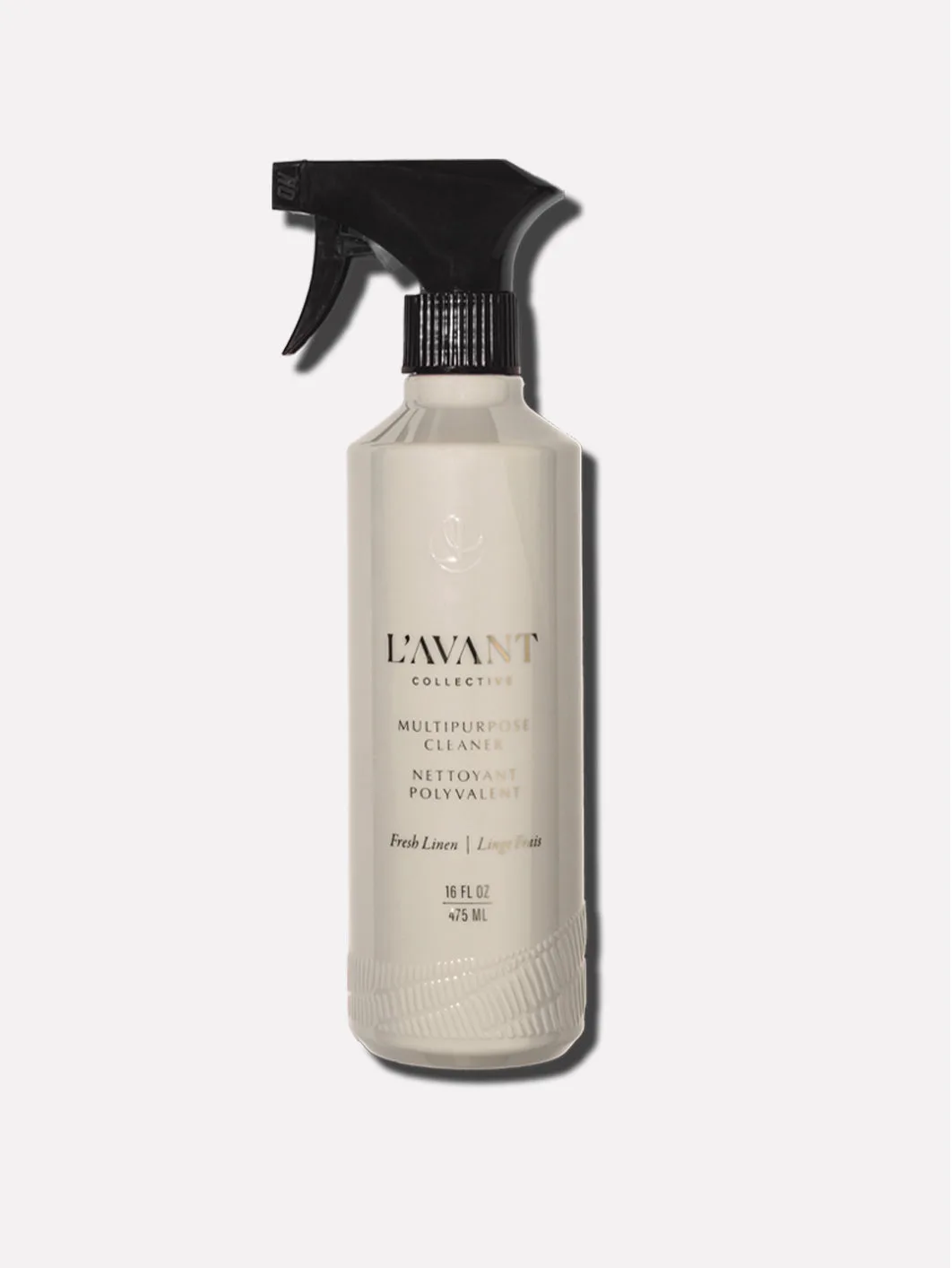
A lower cabinet in a cool room is ideal. Avoid spots above the dishwasher, stove, or radiator, where heat and moisture fluctuate. Bathroom vanities can work for hand soap refills if the room stays dry. For multipurpose cleaner refills, keep them out of direct sun—UV light can break down active ingredients. If you live in a humid climate, consider storing refills in a sealed bin with a moisture absorber. Always keep refills out of reach of children and pets.
Your step-by-step refill storage routine
- Choose a cool, dark, and dry location: Pick a cabinet or shelf away from windows, ovens, and dishwashers. Ideal temperature is 50–75°F (10–24°C). Check: Is the spot consistently cool? If it feels warm to the touch, move on.
- Keep refills sealed until first use: Don't open the pouch or bottle until you're ready to pour. Exposure to air starts the clock on oxidation. Check: Is the cap or seal intact? If it's loose, tighten it before storing.
- Label each refill with the open date: Use a permanent marker or sticker to note the month and year you opened it. This helps you track shelf life. Check: Can you easily read the date? If not, re-label.
- Store upright and avoid stacking heavy items on top: Pouches can leak if compressed; glass bottles can crack. Give them their own space. Check: Are refills standing freely? If not, rearrange.
- Rotate stock using first-in, first-out: When you buy new refills, move older ones to the front so you use them first. Check: Is the oldest refill the easiest to reach? If not, rotate.
- Inspect before each refill: Look for separation, discoloration, or unusual odor. A quick shake can reincorporate natural separation in plant-based formulas. Check: Does it look and smell normal? If not, replace it.
Refill options built for easy storage
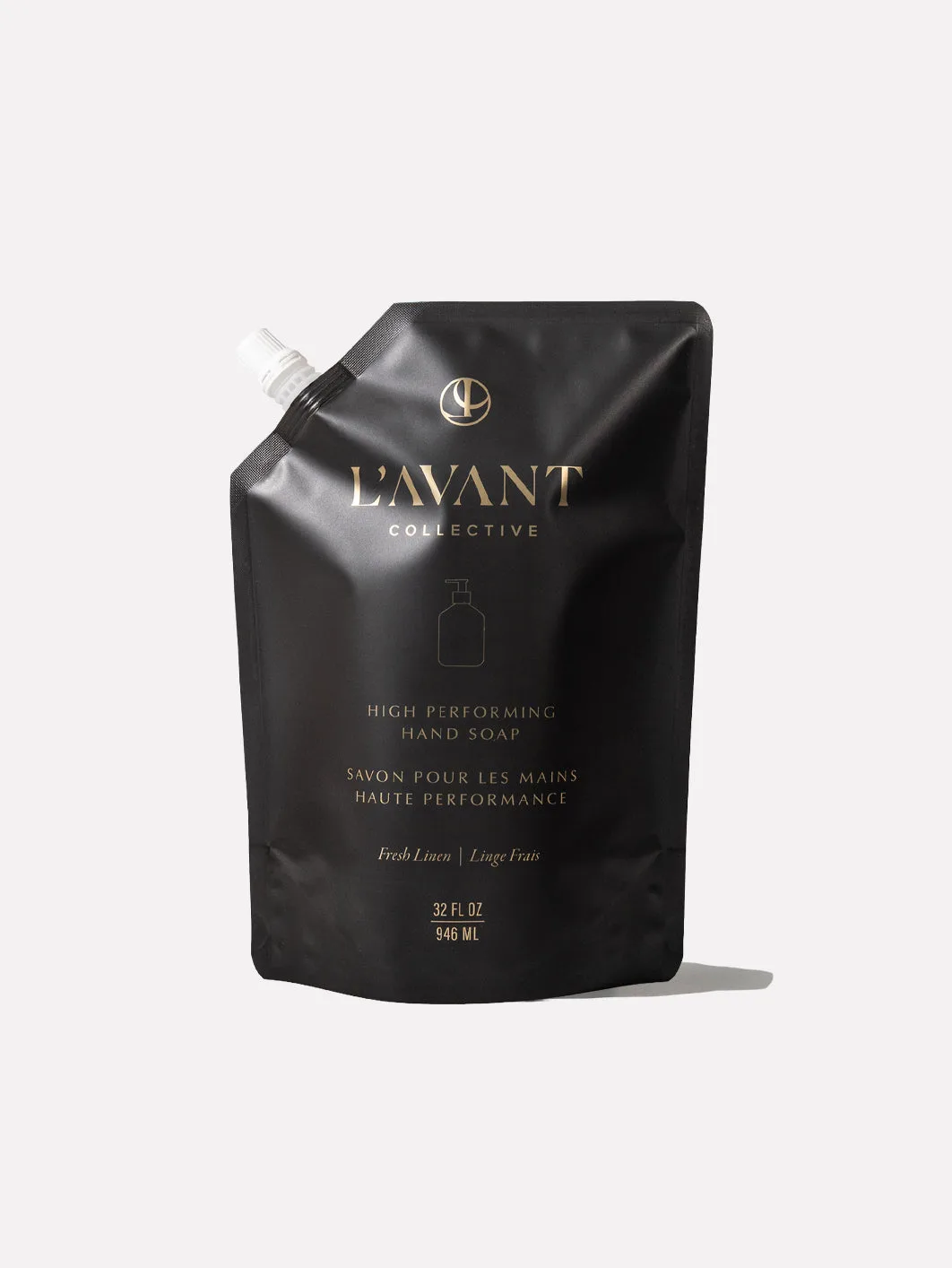
- High Performing Dish Soap Refill: The High Performing Dish Soap Refill comes in a 32 oz. pouch that refills your glass bottle twice and uses 61% less plastic than a standard bottle. The flexible pouch takes up less shelf space than two separate bottles, and its concentrated plant-based formula stays potent when stored properly.
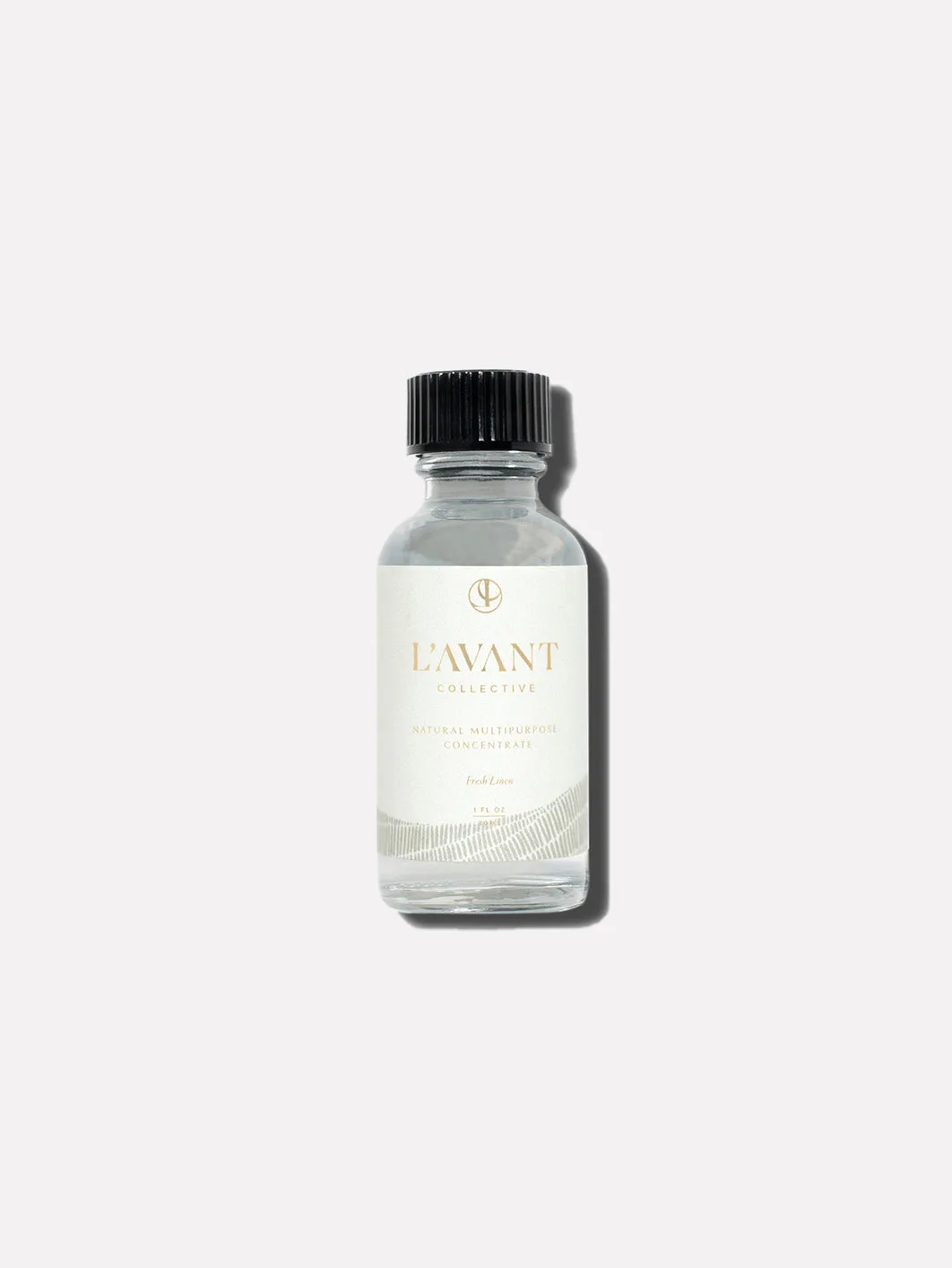
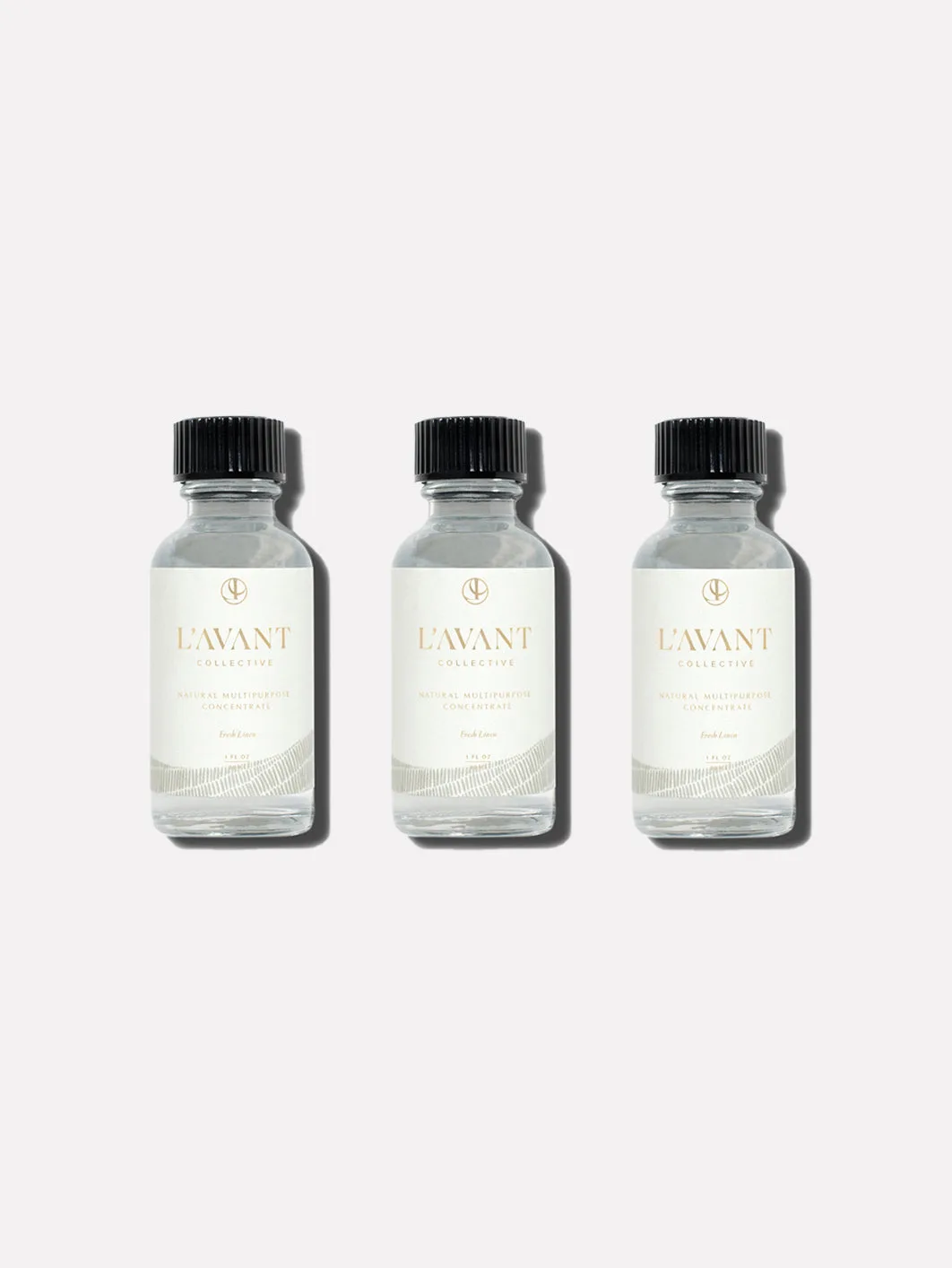
- Multipurpose Surface Cleaner Refill - 3 Pack: The https://lavantcollectiveus.com/products/multipurpose-surface-cleaner-refill-93457Multipurpose Surface Cleaner Refill - 3 Pack includes three 1 oz. eco-luxe glass bottles of concentrate. Small glass bottles are easy to tuck into a cool cabinet, and the concentrate format means you mix only what you need, reducing waste and storage hassles.