Quick answer
Keep cleaning tablets in their original sealed pouch or a genuinely airtight container, in a cool, dry spot away from sinks, showers, dishwashers and direct sun. Never pre-drop a tablet into a bottle of water you are not ready to use, and never store loose tablets in the bathroom cabinet where steam reaches them every day.
Why moisture, not time, is the real enemy
Compressed cleaning tablets are built to dissolve on contact with water. That is exactly what makes them convenient and what makes them fragile. Ambient humidity starts the reaction early, so a tablet left in a steamy room can soften, clump or fuse to its neighbors before you ever use it. Heat speeds that process up, and temperature swings are worse than a steady cool room because they pull condensation in and out of the packaging.
This is also why 'do cleaning tablets expire' has no single neat answer. Manufacturers typically print a best-by window, but the practical lifespan depends far more on how the tablets were stored than on the calendar. A sealed tablet in a dry closet will outlast a loose one sitting on a windowsill by a wide margin.
Pick a storage spot that is dry, dark and steady
The best location is usually a closed cabinet or closet away from plumbing. Under-sink storage feels logical because that is where cleaning supplies have always lived, but it is one of the worst places for tablets: pipe condensation, leaks and daily steam all live there. Bathroom vanities and shelves directly above a dishwasher or kettle have the same problem.
Aim for a spot that stays roughly room temperature and out of direct sunlight. If the only available space is humid, keep tablets inside a sealed container inside that space rather than relying on the room itself.
Keep the original packaging in play
Original pouches and boxes are designed to block moisture and light, and they usually carry the batch or best-by information you may want later. If you decant tablets into a jar for looks, keep the packaging label with them or write the date on the container.
One practical compromise: leave tablets in their sealed pouch and place the whole pouch inside a rigid airtight container. You get the moisture barrier plus protection from crushing and from accidental water splashes.
Handle tablets with dry hands and dry tools
Most premature tablet damage happens in the ten seconds between opening the pouch and dropping the tablet in. Wet fingers, a damp scoop or a splash from the tap is enough to start dissolution on the surface. Dry your hands first, and if you use a scoop or tongs, keep them dry and dedicated to tablets only.
If a tablet does get damp, use that one next rather than returning it to the container. A single compromised tablet can fuse a whole stack together.
Your tablet storage routine, step by step
- 1. Choose the location before you choose the container: Walk your home and pick a closed cabinet or closet that is away from sinks, showers, dishwashers, kettles and direct sun. Check it once in the morning and once after a shower or dish load to confirm it stays dry. Mistake to avoid: defaulting to the under-sink cabinet because that is where cleaning products have always gone.
- 2. Move tablets into an airtight container, pouch and all: Leave tablets in their sealed original pouch, then place the pouch inside a rigid airtight container with a gasket or tight lid. This adds a second moisture barrier and protects tablets from crushing. Checkpoint: if the container lid does not seal firmly, it is a display jar, not storage.
- 3. Label the container with the date you opened it: Write the open date on a piece of tape on the lid. Combined with any best-by information on the original packaging, this tells you which tablets to use first without guessing. Mistake to avoid: tossing the packaging, which usually removes the only batch or date information you have.
- 4. Use the oldest tablets first: When you open a new pouch, move older tablets to the front of the container or into a smaller 'use next' bag. Rotation matters more than any single storage trick. Checkpoint: if you cannot tell which tablets are older, your rotation system is not working yet.
- 5. Handle only with dry hands and dry tools: Dry your hands before opening the container. If you use a scoop or tongs, keep them dry and stored outside the container so they never carry moisture in. Mistake to avoid: reaching in with damp hands straight from the sink or shower.
- 6. Mix one bottle at a time, and only when you need it: Fill your Forever Bottle with water and drop in a tablet only when you are ready to use that bottle. Do not pre-mix bottles to 'save time' and leave them sitting. Checkpoint: a tablet that has already been dropped in water should be used, not stored.
- 7. Do a quick monthly check: Once a month, open the container and look for clumping, softening, discoloration or a stuck-together stack. If you find any, separate the tablets and use the affected ones next. Mistake to avoid: assuming a sealed container means you never need to look inside again.
Tablet refills built for this routine
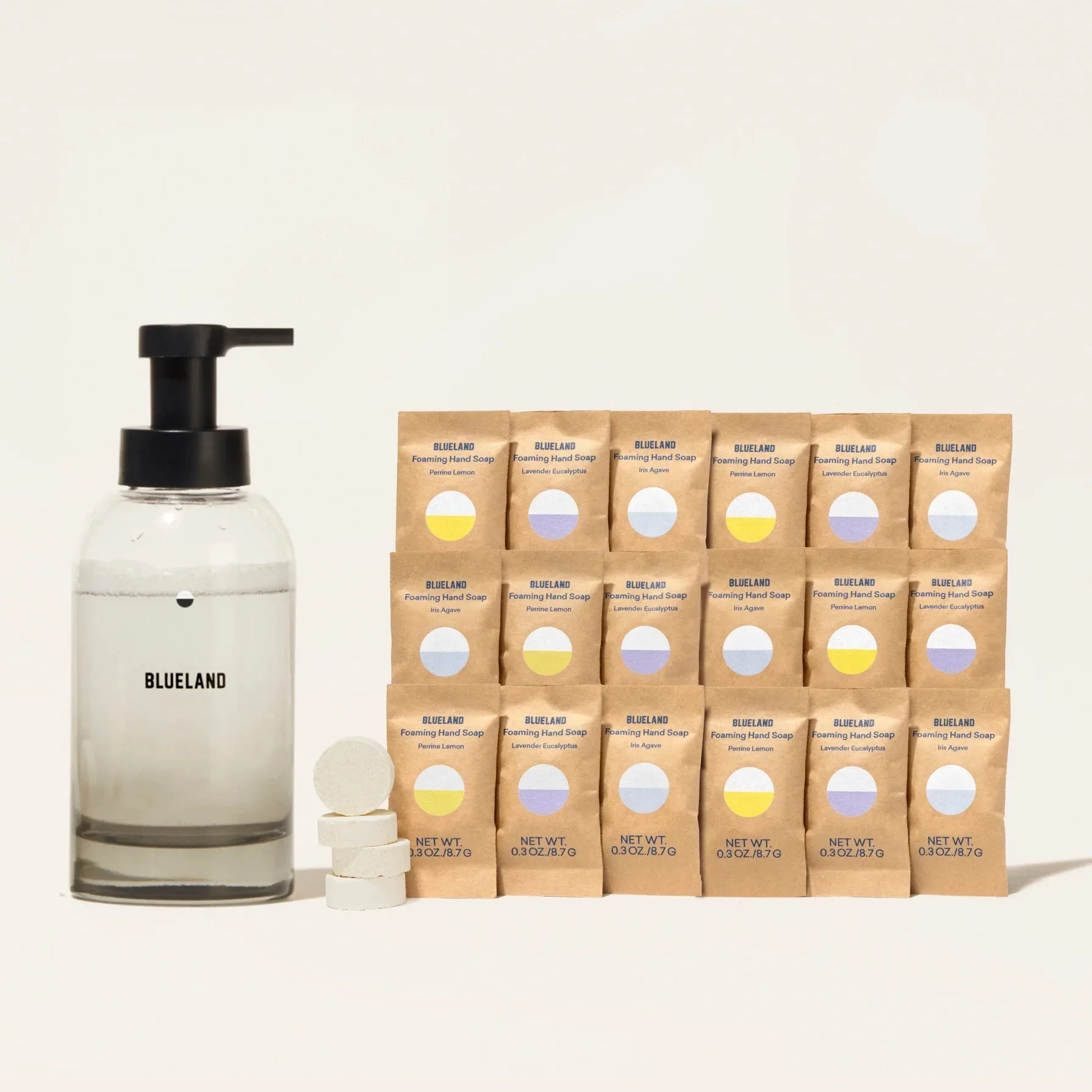
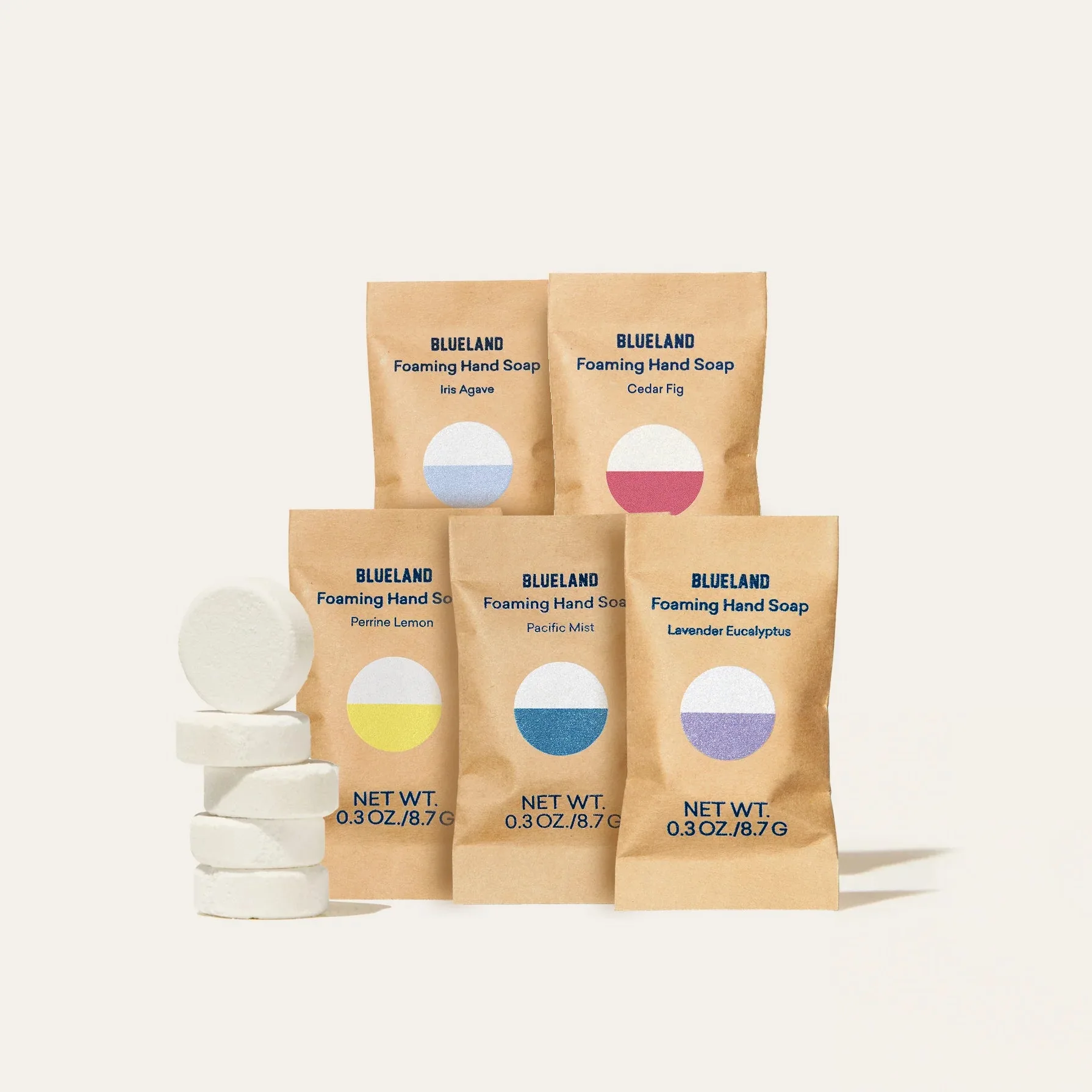
- Garden Blooms Hand Soap Tablet Refills: Each Foaming Hand Soap refill tablet makes one full bottle of foaming hand soap when you fill your Forever Bottle with water and drop the tablet in. Because the tablet only works once it hits water, dry storage is what keeps the refill usable until you are ready to mix a fresh bottle.
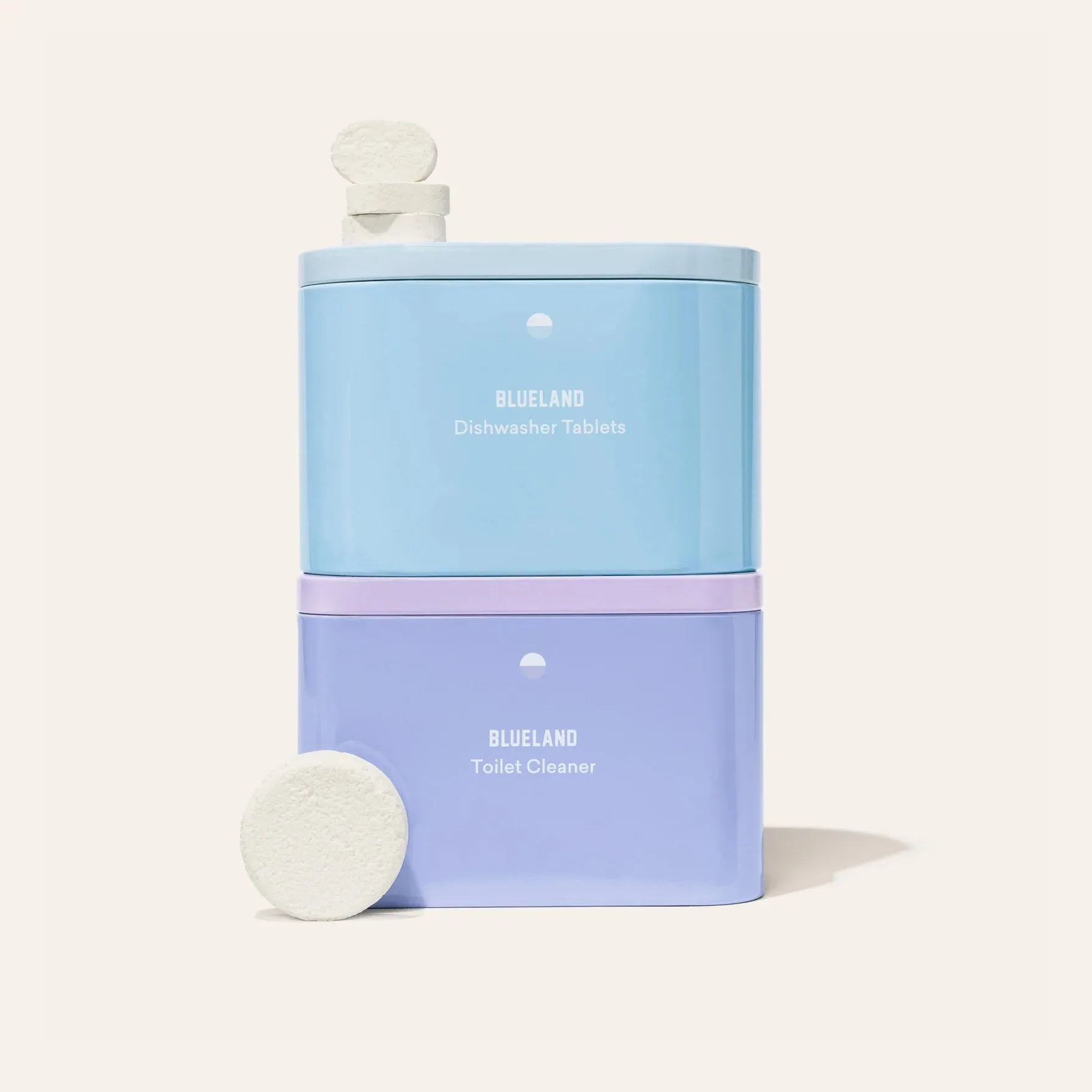
- Toilet Bowl Cleaner Tablet Refills: Toilet Bowl Cleaner Tablets are dropped, brushed and flushed, and the line comes in a Lemon Cedar scent. A drop-in format means no measuring and no liquid to spill, but it also means a damp bathroom cabinet can soften tablets before they ever reach the bowl.
- Multi-Surface Cleaner Tablet Refills: Each Multi-Surface Cleaner tablet makes one full 24oz bottle of cleaner once you fill the bottle with water and add the tablet. Multi-surface tablets are often kept near the kitchen sink, the most humid spot in the house, so an airtight container matters more here than anywhere else.