You've just received a fresh bag of specialty coffee from Union Coffee. The aroma is intoxicating, and you can't wait to brew your first cup. But did you know that how you store your coffee beans from this moment forward will make or break that experience? Proper coffee storage is the unsung hero of a great cup, and getting it right is simpler than you think.
Coffee beans are porous and hygroscopic, meaning they eagerly absorb moisture, odors, and oxygen from their environment. Once roasted, they begin a slow but steady degradation. The enemy is not time alone—it's heat, light, air, and moisture. In this guide, we'll walk you through the best practices for storing coffee beans so you can enjoy peak freshness from the first brew to the last.
Why Coffee Freshness Matters
Freshly roasted coffee contains volatile aromatic compounds and oils that create the complex flavors and aromas we love. Within days of roasting, these compounds begin to oxidize and evaporate. Stale coffee tastes flat, bitter, or cardboard-like. For specialty coffee lovers, preserving that vibrant acidity, sweetness, and clarity is paramount. Proper storage slows down this natural process, giving you more time to enjoy your beans at their best.
Many people mistakenly believe that freezing or refrigerating beans extends freshness indefinitely. In reality, temperature fluctuations cause condensation, which accelerates staling. The goal is to create a stable, cool, dark, and airtight environment. Let's break down exactly how to achieve that.
- Oxygen is the primary enemy—always minimize air exposure.
- Light, especially UV, breaks down oils and accelerates rancidity.
- Heat speeds up chemical reactions that degrade flavor.
The Best Containers for Coffee Storage
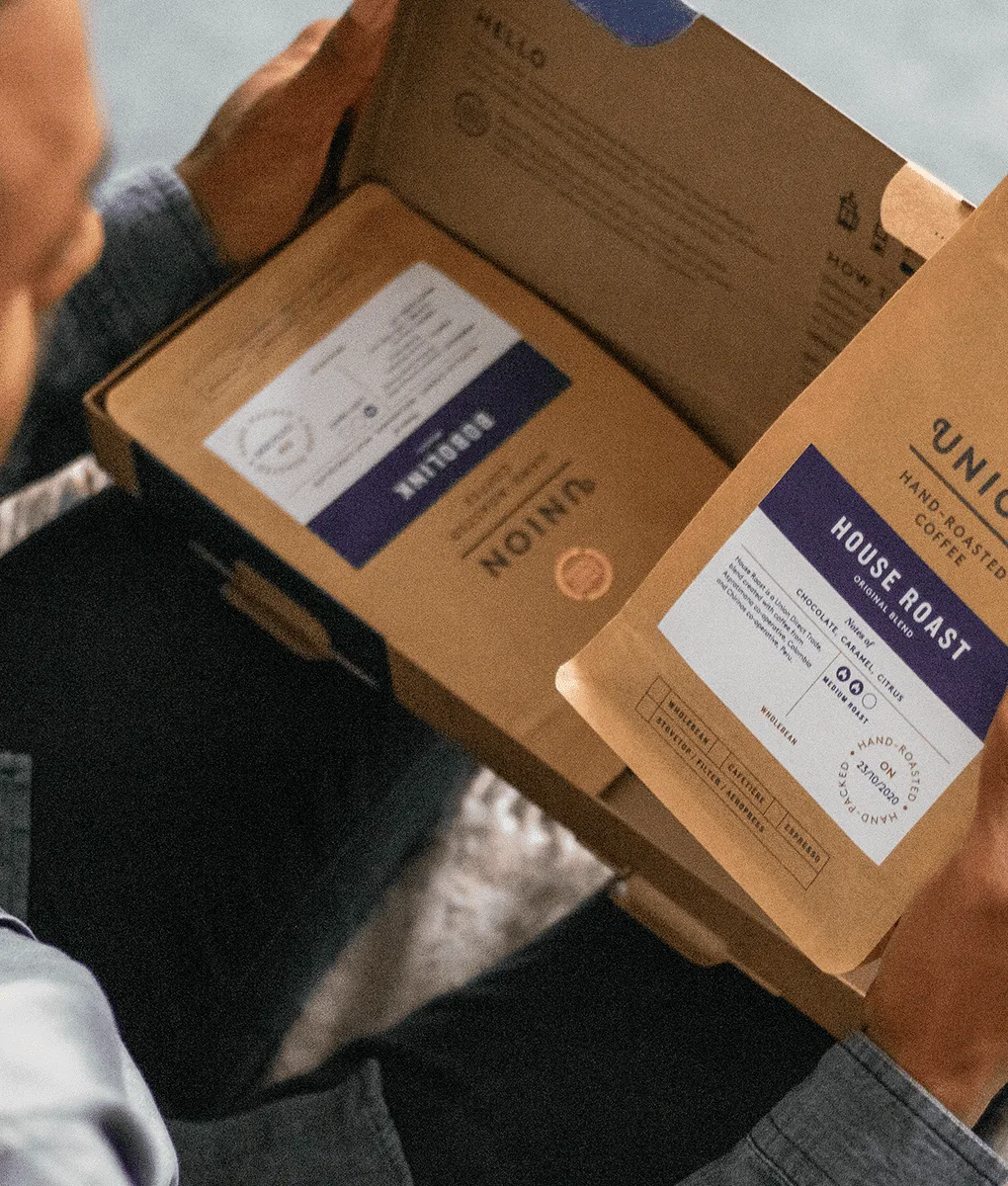
The container you choose matters more than you might think. Avoid clear glass jars or plastic containers that let in light. Instead, opt for opaque, airtight containers made of ceramic, stainless steel, or dark glass. A container with a one-way valve is ideal because it allows CO2 to escape (freshly roasted coffee degasses for days) without letting oxygen in. Many specialty roasters, including Union Coffee, package their beans in valve-sealed bags that work perfectly for short-term storage.
If you transfer beans to a different container, make sure it has a tight seal. For daily use, consider a countertop canister that blocks light and has a flip-top or screw lid. For bulk storage, keep beans in their original valve bag inside a larger airtight container. Remember: never store coffee in the fridge or freezer unless you plan to use it within a few days and can avoid condensation.
- Use opaque, airtight containers with one-way valves if possible.
- Avoid clear glass or plastic—light is a flavor killer.
- For long-term storage (over 2 weeks), consider vacuum sealing.
Where to Store Your Coffee Beans
Location is just as important as the container. The ideal spot is a cool, dark cupboard away from the stove, oven, or any heat source. Avoid placing your coffee near the window, above the refrigerator, or next to the microwave. These areas experience temperature swings that cause moisture to form inside the container. A pantry or a dedicated cabinet works perfectly.
Humidity is another factor. If you live in a humid climate, consider adding a food-grade silica gel packet to your container (not touching the beans directly) to absorb excess moisture. Also, keep your coffee away from strong-smelling foods like spices, onions, or garlic—coffee absorbs odors easily. A dedicated coffee station with proper storage can elevate your daily ritual.
- Store in a cool, dark, dry place—ideally below 70°F (21°C).
- Keep away from heat sources, windows, and strong odors.
- Consider a dedicated cabinet or drawer for all your coffee gear.
Common Coffee Storage Mistakes to Avoid
One of the most common mistakes is storing coffee in the refrigerator. The fridge is humid, filled with food odors, and subject to temperature changes every time the door opens. This environment causes beans to stale faster and absorb unwanted flavors. Freezing is slightly better for long-term storage (over a month), but only if you portion beans into airtight, single-use bags and thaw them without opening the bag until they reach room temperature.
Another mistake is buying too much coffee at once. Coffee is best consumed within two to four weeks of roasting. If you can't finish a bag in that time, consider buying smaller quantities more frequently. Union Coffee offers a variety of pack sizes and subscription options to match your consumption rate. Also, never grind your beans until you're ready to brew—ground coffee loses freshness in minutes.
- Don't store coffee in the fridge—it's too humid and odorous.
- Only freeze if you portion beans in airtight, single-use packs.
- Buy fresh coffee in quantities you can use within 2-4 weeks.
How to Extend Freshness with the Right Brewing Equipment
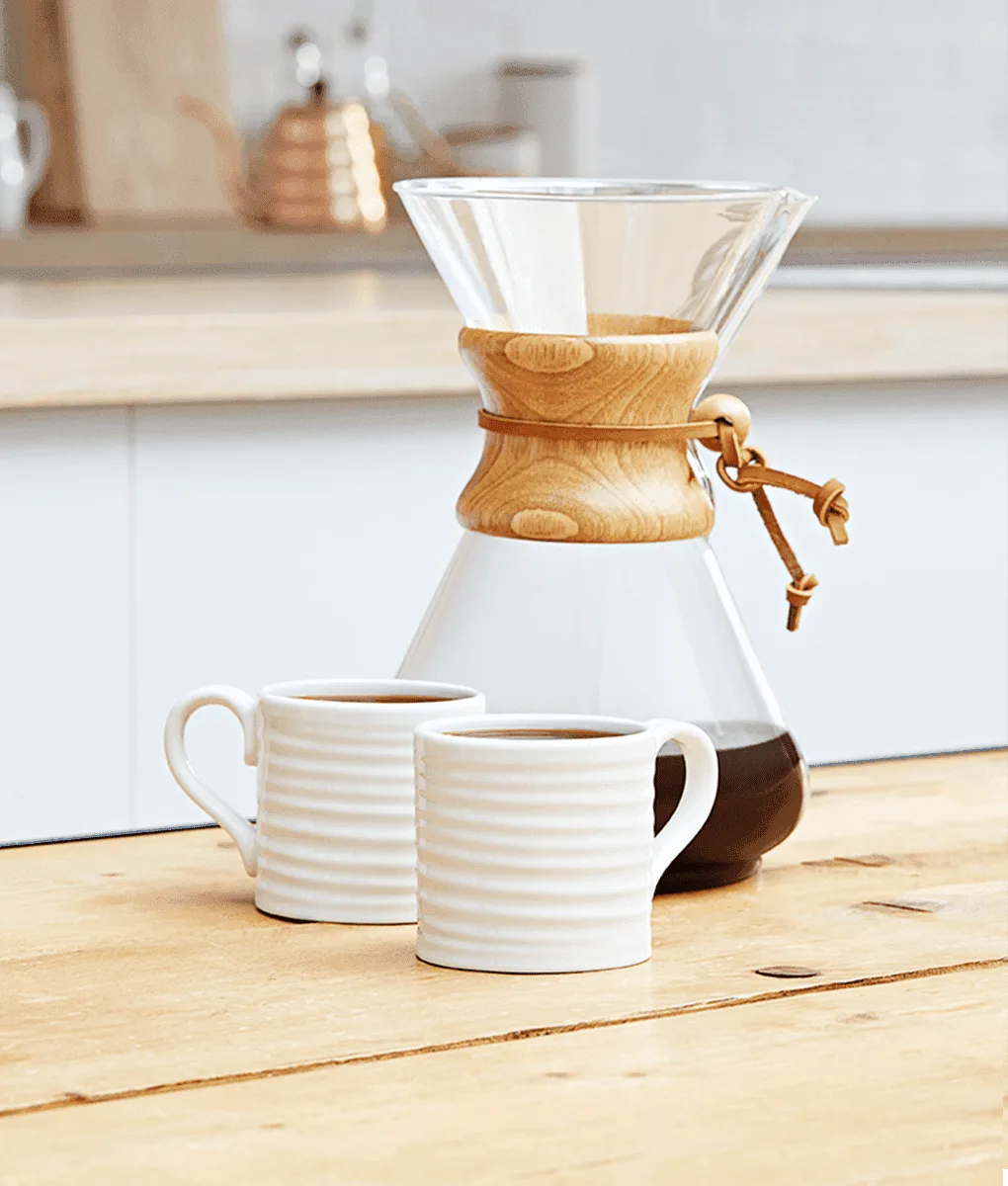
Even with perfect storage, the way you brew affects how you perceive freshness. Using the right equipment can help you extract the best from your beans. For example, a brewer like the Clever Dripper combines immersion and pour-over methods, giving you full control over extraction. It's a great choice for showcasing the nuanced flavors of fresh coffee.
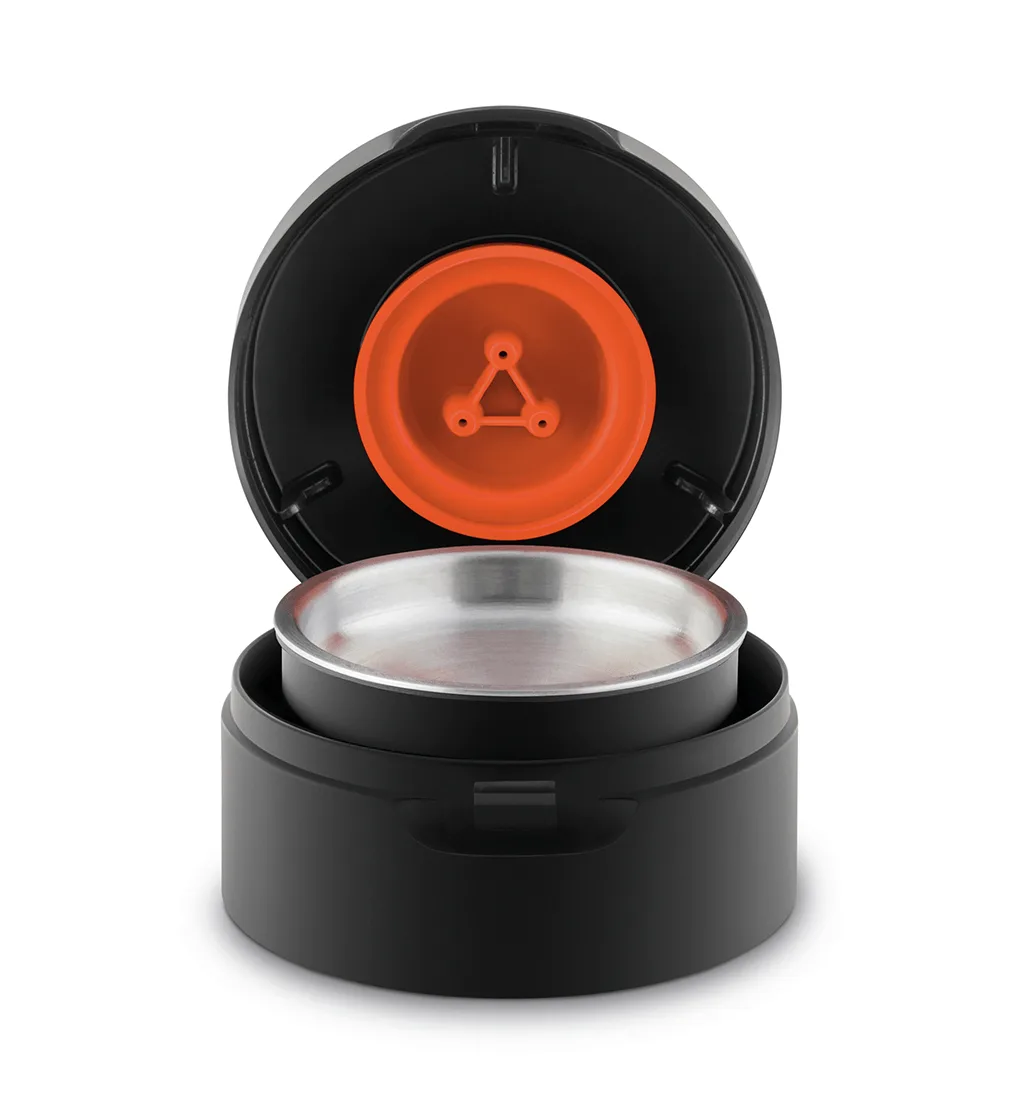
Similarly, the Aerobie AeroPress coffeemaker brews quickly at lower temperatures, preserving delicate aromatic compounds. Pairing fresh beans with a well-matched brewing method ensures you taste the full spectrum of flavors the roaster intended. Investing in quality gear is just as important as storing your beans correctly.
When to Let Your Beans Rest
Freshly roasted coffee needs a few days to degas before it reaches its peak flavor. This resting period allows CO2 to escape and the flavors to stabilize. For espresso, a rest of 5 to 10 days is often recommended. For pour-over or French press, 3 to 5 days is usually sufficient. During this time, store the beans in their original valve bag in a cool, dark place. Don't rush to brew—patience rewards you with a more balanced cup.
After the resting period, the flavor curve typically peaks between days 5 and 14 post-roast, then slowly declines. By day 21, most beans have lost significant vibrancy. If you're a slow drinker, consider ordering smaller batches or sharing with a friend. Union Coffee's selection packs are perfect for sampling different origins without committing to a large bag.
- Allow fresh beans to rest 3-10 days depending on brew method.
- Peak flavor is usually 5-14 days after roasting.
- Use smaller packs if you don't drink coffee daily.
Mastering coffee storage is one of the simplest ways to elevate your daily brew. By keeping your beans in an airtight, opaque container away from heat, light, and moisture, you'll preserve the vibrant flavors that make specialty coffee so special. Ready to start with the freshest beans? Explore our Union Signature Selection, 2 pack to enjoy a curated blend of two exceptional coffees, perfectly roasted and ready for your next cup.
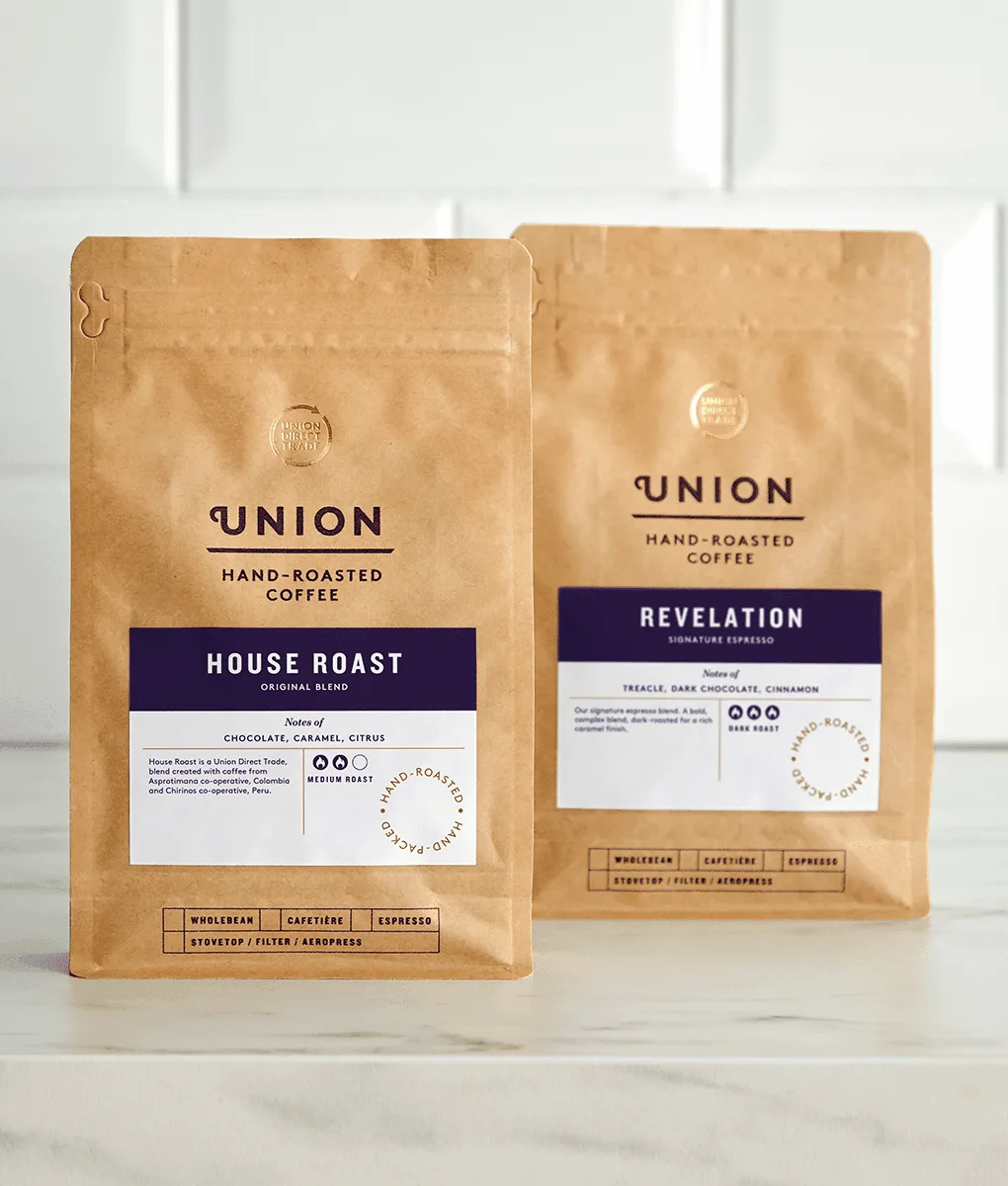
Union Signature Selection, 2 pack