You’ve invested in high-quality loose leaf tea—perhaps a vibrant Earl Grey or a delicate white tea—but did you know that improper storage can rob it of its character in just weeks? Tea is hygroscopic, meaning it eagerly absorbs moisture, odors, and light, all of which degrade its essential oils and delicate flavors. Whether you’re a seasoned tea enthusiast or just starting your journey, learning how to store loose leaf tea properly is the key to unlocking every sip’s full potential.
In this guide, we’ll walk you through the science of tea freshness, the best containers and conditions, and common pitfalls to avoid. With a few simple adjustments, you can keep your tea tasting as vibrant as the day it arrived—and even extend its shelf life significantly.
Why Tea Storage Matters: The Enemy of Freshness
Tea leaves are packed with volatile compounds—the aromatic oils and polyphenols that give each variety its unique taste and health benefits. When exposed to air, light, heat, or moisture, these compounds break down. Oxygen triggers oxidation (even in green and white teas), while UV light accelerates chemical reactions that dull flavor. Moisture can lead to mold or staleness, and heat speeds up all these processes. The result? A flat, lifeless cup that tastes more like hay than the nuanced brew you paid for.
The good news is that with proper storage, most teas retain peak freshness for 6–12 months (and some, like pu-erh, can improve with age under controlled conditions). The key is to control four factors: air, light, temperature, and humidity. Let’s explore how to master each one.
- Always store tea away from strong odors—tea absorbs smells like a sponge.
- Avoid clear glass jars unless kept in a dark cupboard; light is a major culprit in flavor loss.
Choosing the Right Container for Your Tea
Your tea’s best friend is an airtight, opaque container. Many tea lovers reach for a Glass Storage Jar, which can be excellent if it’s kept in a dark cabinet—but if left on a sunny counter, it becomes a flavor-destroying greenhouse. For daily use, consider a dedicated tin or ceramic canister with a tight seal. Avoid plastic containers, as they can impart unwanted flavors over time and are less effective at blocking air.
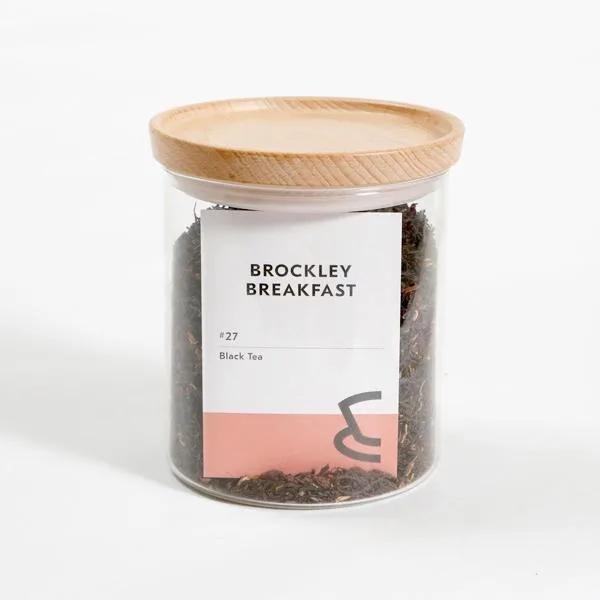
Glass Storage Jar
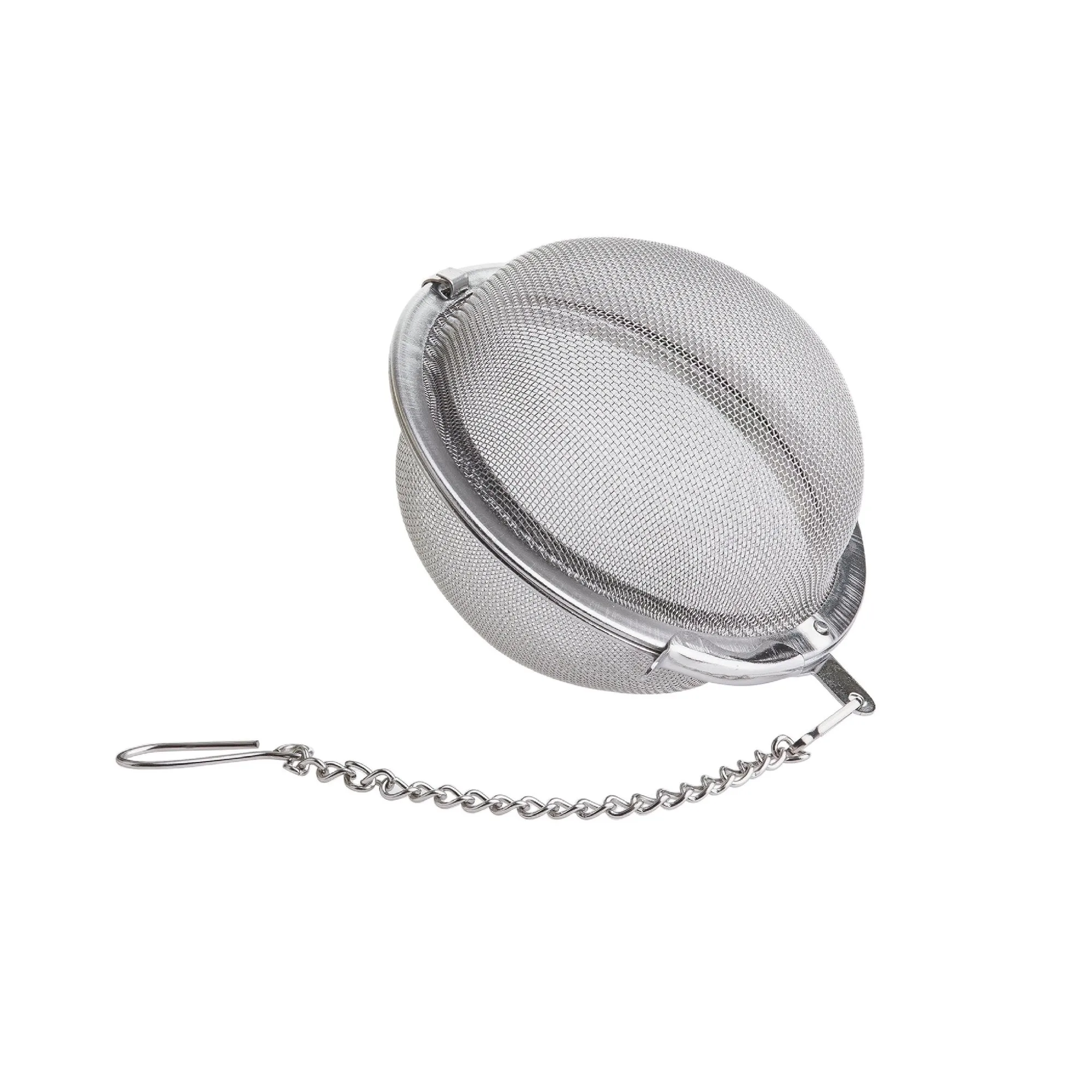
If you frequently switch teas or brew on the go, a Loose Tea Infuser paired with a small airtight tin is a practical solution. For matcha lovers, the Matcha Sieve is essential for clump-free preparation, but storing matcha in the original bag inside a sealed container is best to protect it from light and air. Remember: the container should be just large enough for your tea—too much empty space means more air inside, speeding up oxidation.
- Use opaque, airtight containers—avoid clear jars unless stored in complete darkness.
- For long-term storage, double-bagging (inner foil bag inside a sealed tin) adds extra protection.
Temperature and Humidity: Finding the Sweet Spot
Tea prefers a cool, consistent environment. The ideal storage temperature is between 15–20°C (59–68°F). Avoid storing tea above the stove, near a window, or next to appliances that emit heat. Humidity should be kept low—below 60% relative humidity. High humidity can cause tea to clump, lose crispness, or even grow mold. If you live in a humid climate, adding a food-grade silica gel packet (not the kind used in shoe boxes) inside your storage container can help.
Refrigeration is generally not recommended for most teas, as condensation can form when you open the container, introducing moisture. The exception is matcha and some green teas, which can be refrigerated in an airtight container—but only if you bring the container to room temperature before opening to prevent condensation. For daily drinking, a cool pantry or cupboard is perfect.
- Never store tea in the refrigerator unless it’s matcha and you follow the condensation rule.
- A cool, dark pantry is the best spot for most loose leaf teas.
How Long Does Different Tea Last? A Quick Guide
Not all teas age gracefully. Here’s a general freshness timeline for common types: Green and white teas are most delicate—enjoy within 6 months for best flavor. Oolong and black teas hold up for 12–18 months if stored well. Herbal teas (like peppermint) can last 1–2 years but lose potency over time. Pu-erh and some aged oolongs are exceptions—they can improve with proper aging in controlled humidity.
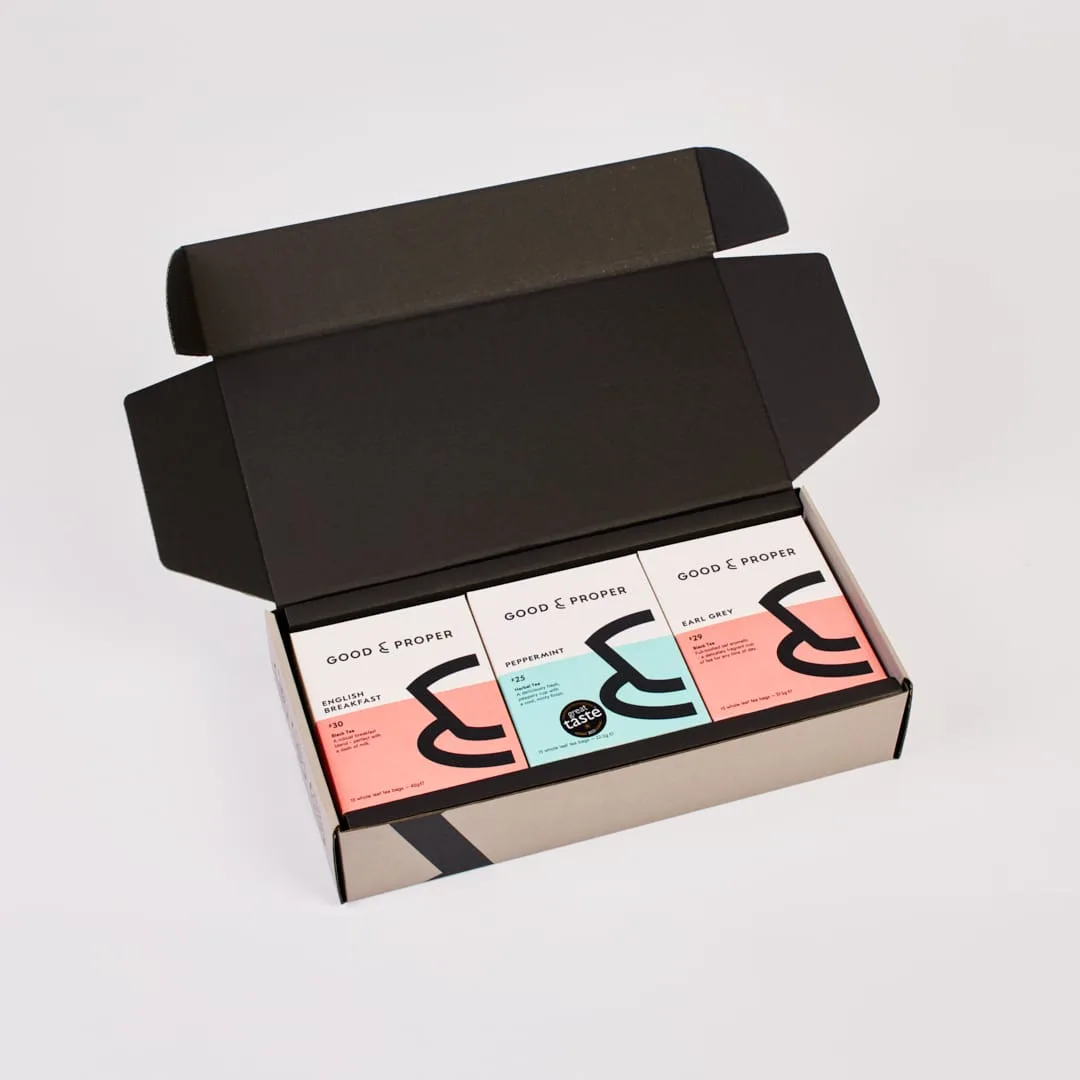
For a curated selection that covers all bases, the Favourites Collection - Tea Bags is a great way to sample different styles without committing to large quantities. And if you’re a black tea lover, a classic Ceylon - Loose Leaf stored in an airtight tin will reward you with bright, brisk cups for months. Always label your containers with the purchase date so you know when to refresh your stash.
- Green and white tea: 6 months for peak freshness.
- Black and oolong tea: 12–18 months in proper storage.
- Herbal tea: 1–2 years, but best within the first year.
Common Mistakes to Avoid When Storing Tea
Even experienced tea drinkers make these errors. One big mistake is storing tea in the original paper or plastic bag—those are not airtight and offer little protection. Another is keeping tea near spices, coffee, or onions; tea will absorb those odors, ruining its delicate aroma. Also, avoid using wooden containers unless lined with food-grade metal or ceramic, as wood can impart its own scent and is hard to clean thoroughly.
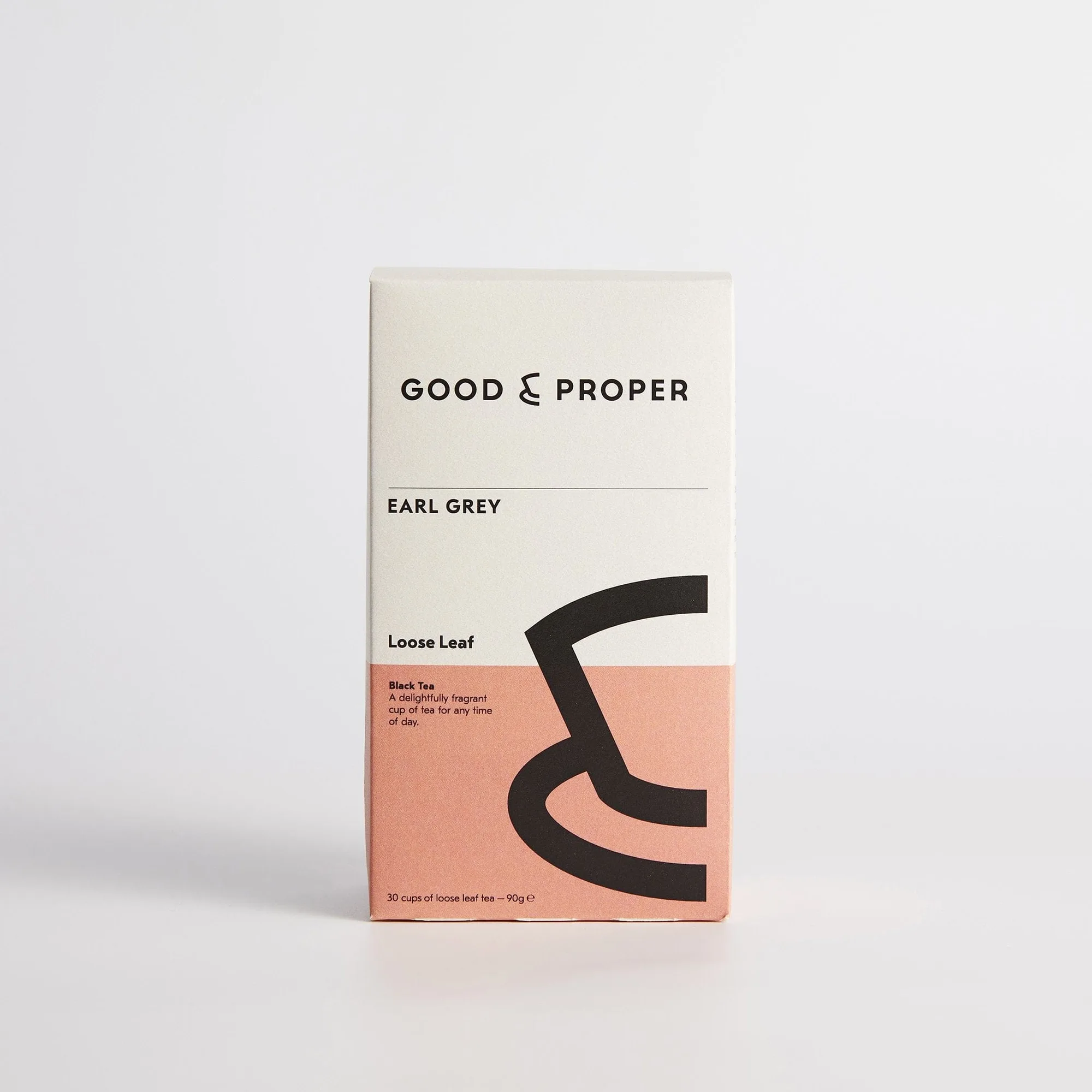
Finally, don’t buy more tea than you can drink within a few months unless you have a dedicated storage system. Buying smaller, fresher batches and rotating your stock ensures you always enjoy tea at its best. If you have a favorite that you reach for daily, consider a convenient loose leaf option like the Earl Grey - Loose Leaf, which stores beautifully in a sealed tin and delivers consistent quality cup after cup.
- Transfer tea out of original bags into airtight containers immediately.
- Keep tea away from strong-smelling pantry items like coffee and spices.
- Buy in smaller quantities to ensure you finish tea before it fades.
Storing loose leaf tea properly doesn’t require expensive equipment—just a few mindful habits. By using airtight, opaque containers, keeping your tea cool and dry, and avoiding common pitfalls, you can preserve the vibrant flavors and aromas that make each variety special. Ready to upgrade your tea storage? Explore our collection of teaware and accessories, including the Glass Storage Jar, designed to keep your leaves fresh and your tea rituals delightful.