You’ve just opened a bag of freshly roasted specialty coffee—aroma fills the room, and you can’t wait to brew. But within days, that vibrant scent fades, and your morning cup tastes flat. The culprit? Poor coffee storage. Whether you’re a home barista or a casual drinker, knowing how to store coffee beans is essential for preserving the complex flavors that make specialty coffee worth every sip.
In this guide, we’ll walk you through the science of coffee freshness, the best containers and conditions, common mistakes to avoid, and how to keep your beans tasting like they were roasted yesterday. By the end, you’ll have a foolproof routine to protect your investment—and your taste buds.
Why Coffee Storage Matters: The Science of Staleness
Coffee beans are porous and packed with volatile aromatic compounds that create their unique flavor profile. Once roasted, beans begin to release carbon dioxide and slowly oxidize, which degrades those precious oils and aromatics. Exposure to oxygen, moisture, heat, and light accelerates this process, turning bright, fruity notes into flat, cardboard-like tastes within a week if stored improperly.
The key to maximizing bean freshness is slowing down oxidation. That means controlling four enemies: air, moisture, temperature, and light. An airtight container kept in a cool, dark place is your best defense. Avoid storing beans near the stove, dishwasher, or a sunny window. Even the best beans—like our Sombra 500g Whole Bean—will disappoint if left in a warm, open bag.

Sombra 500g Whole Bean
- Oxygen is the #1 enemy: it causes oils to go rancid and flavors to fade.
- Moisture can lead to mold and stale, musty notes.
- Heat speeds up chemical reactions that ruin freshness.
- Light, especially UV, breaks down compounds and accelerates staling.
The Best Containers for Coffee Bean Storage
Not all containers are created equal. The ideal coffee storage vessel is opaque, airtight, and made of non-reactive material like ceramic, stainless steel, or dark glass. A clear glass jar on your counter may look pretty, but it lets in light that damages beans. Similarly, a bag with a one-way valve is great for the first few days after roasting, but once opened, it won’t seal out oxygen completely.
For daily use, consider a dedicated coffee canister with a tight silicone gasket and a CO2 release valve. If you want to keep your beans fresher longer, you can also pair your canister with a https://brewbarai.shop/products/coffee-bag-clip-large-132398Coffee Bag Clip (Large) to reseal original bags tightly after each use. This simple accessory helps maintain an airtight seal and prevents air from sneaking in between pours. Remember: every time you open the container, fresh oxygen rushes in, so only store what you’ll use in a week or two.
- Ceramic or stainless steel canisters with airtight lids are ideal.
- Avoid clear glass or plastic containers unless stored in a dark cupboard.
- Use a coffee bag clip to reseal original bags if you don’t have a canister.
- Never store beans in the refrigerator—it introduces moisture and odors.
To Freeze or Not to Freeze? Debunking the Myth
Freezing coffee beans is a hotly debated topic. The truth is, freezing can work—but only if done correctly. If you buy in bulk or want to preserve beans for more than two weeks, freezing in an airtight, portion-sized container can lock in freshness. The key is to minimize moisture exposure: never thaw and refreeze, and let the container come to room temperature before opening to prevent condensation.
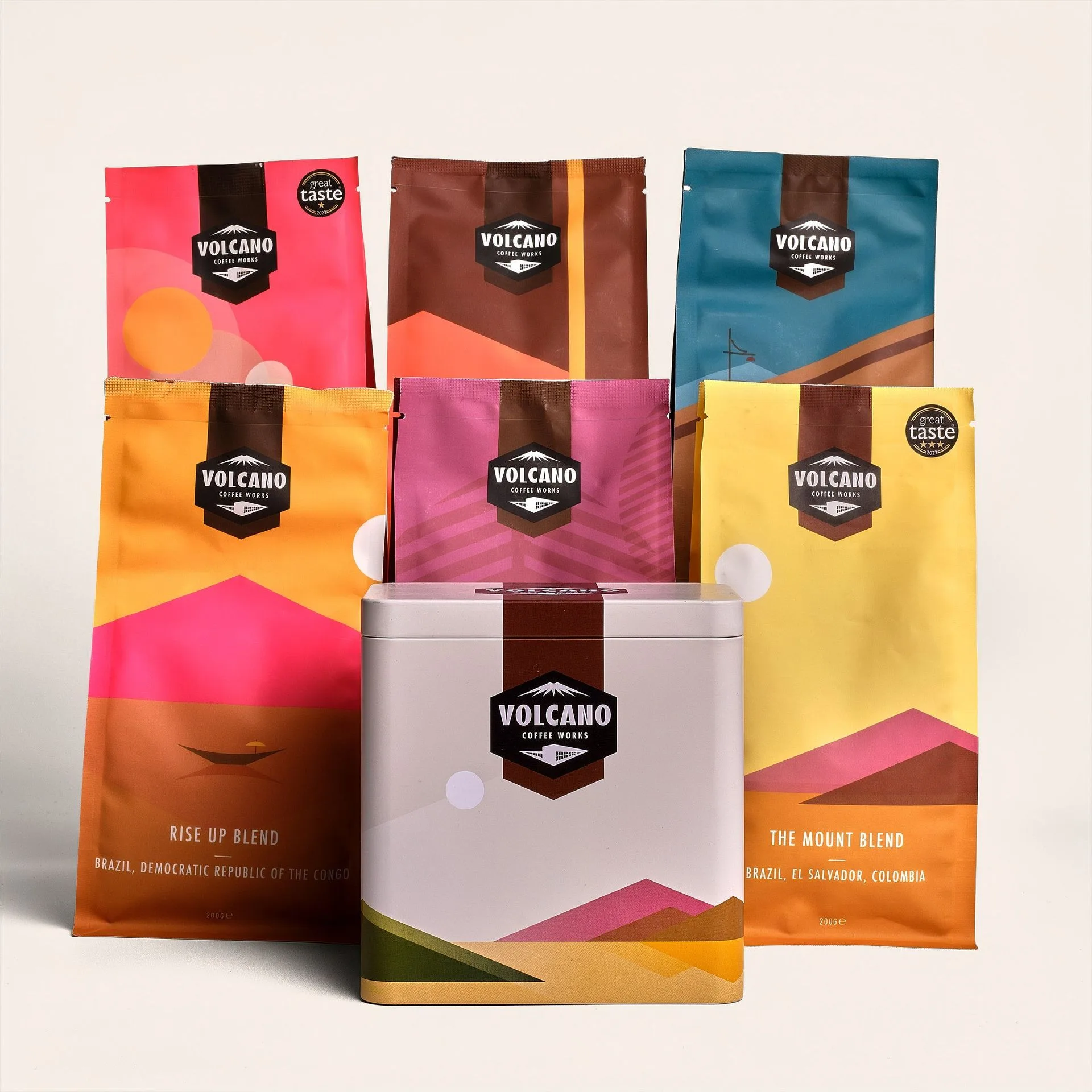
For most home brewers, the best approach is to buy smaller quantities and use them within two weeks of roasting. That’s why subscription services like our Rise Up Blend Subscription deliver fresh-roasted beans on a schedule that matches your consumption. This way, you always have peak flavor without the hassle of freezing. If you do freeze, portion beans into single-use bags, squeeze out all air, and seal tightly.
- Freeze only if you won’t use beans within 2–3 weeks of roasting.
- Use vacuum-sealed or zipper-lock bags with all air removed.
- Thaw to room temperature before opening to avoid moisture damage.
- Never refreeze—each freeze-thaw cycle degrades quality.
Common Coffee Storage Mistakes to Avoid
Even experienced coffee lovers make storage errors. One of the most common is leaving beans in the original bag without sealing it properly. While many bags have a one-way valve, they aren’t airtight after opening. Another mistake is storing beans in the refrigerator—the fridge is humid and full of food odors that beans will absorb. The freezer, as mentioned, can work but is risky if not done precisely.
Also, avoid grinding beans in advance. Whole beans retain freshness far longer than ground coffee because grinding increases surface area exposed to oxygen. Grind only what you need right before brewing. For the best results, store your whole beans in a cool, dark pantry (around 60–70°F) in an airtight container. If you’re serious about your morning ritual, consider pairing your storage setup with a quality espresso machine like the Lelit Kate Espresso Machine & Free 1kg Coffee, which includes fresh beans to get you started.
- Don’t store beans in the fridge or near the stove.
- Avoid grinding all beans at once—grind fresh each brew.
- Don’t keep beans in a clear container on the counter.
- Don’t buy more than you can use in 2–3 weeks unless freezing.
How to Tell If Your Coffee Beans Have Gone Stale
Even with perfect storage, beans will eventually lose their luster. How can you tell if your coffee is past its prime? Start with the aroma: fresh beans smell vibrant—fruity, nutty, or chocolaty depending on the roast. Stale beans smell flat, dusty, or even like cardboard. Next, check the appearance: fresh beans have a slight sheen from natural oils, while stale beans look dry and dull.
Finally, taste the coffee. If your brew tastes sour, bitter in a harsh way, or lacks the complexity you remember, the beans are likely stale. For the freshest experience, always check the roast date on the bag and aim to use beans within two to four weeks of that date. Our Barista Brew Guide can help you dial in your brewing technique to get the most from fresh beans, but no amount of skill can rescue stale coffee.
- Fresh beans: strong, pleasant aroma; oily surface (medium-dark roasts).
- Stale beans: weak, flat smell; dry, matte appearance.
- Taste test: dull, one-dimensional flavor means it’s time for a new batch.
- Always check the roast date—fresher is better.
Storing your coffee beans properly is one of the easiest ways to elevate your daily cup. By using an airtight container, keeping beans cool and dark, and buying fresh in smaller quantities, you’ll enjoy the full spectrum of flavors your specialty coffee has to offer. Ready to upgrade your coffee storage? Explore our selection of coffee accessories and fresh-roasted beans—including the versatile Rise Up Blend Subscription—to keep your mornings bright and delicious.