Coffee is at its peak flavor just days after roasting, but without proper storage, those delicate oils and aromatic compounds can degrade quickly. Whether you are a home barista or a casual coffee lover, knowing how to store your beans correctly is essential to enjoying every cup at its best. Poor storage can lead to stale, flat-tasting coffee no matter how premium the origin.
In this guide, we will walk you through the science behind coffee freshness, the best containers and environments for bean storage, and common pitfalls to avoid. By following these simple steps, you can extend the life of your coffee and savor that freshly roasted taste for weeks longer.
Why Coffee Freshness Matters
Freshly roasted coffee beans contain hundreds of volatile compounds that create their complex flavor profile. Once exposed to oxygen, moisture, heat, or light, these compounds begin to break down. This process, called staling, results in a loss of aroma and the development of off-flavors. Within a week of roasting, coffee can lose a significant portion of its desirable characteristics if not stored properly.
The enemy of coffee freshness is oxidation. When oxygen interacts with the oils in coffee beans, it causes rancidity. Additionally, moisture can lead to mold growth, while heat accelerates chemical reactions. Light, especially direct sunlight, can also degrade quality. Understanding these factors is the first step to preserving your coffee.
- Oxygen is the primary cause of staling; always minimize air exposure.
- Store beans away from heat sources like ovens or direct sunlight.
- Use opaque containers to block light damage.
Choosing the Right Storage Container
The best coffee storage containers are airtight, opaque, and made from materials that do not impart flavors. Glass jars with rubber seals, ceramic canisters with tight lids, or stainless steel containers are excellent choices. Avoid clear glass or plastic containers that allow light to penetrate, as they can accelerate staling.
For those who buy in bulk or want ultimate freshness, consider using vacuum-sealed containers that remove air after each use. Another popular option is the one-way valve bag that many roasters use. These bags allow gases from freshly roasted coffee to escape without letting oxygen in. If you purchase coffee in such packaging, you can keep it in the bag by folding the top and using a clip, as long as the bag is stored in a cool, dark place.
- Airtight glass or ceramic canisters are ideal for daily use.
- Avoid storing beans in the refrigerator; it can introduce moisture and odors.
- If you use the original bag, press out excess air and seal it tightly.
Where to Store Your Coffee Beans
The ideal storage location is a cool, dark, and dry pantry or cupboard away from the stove, dishwasher, or any heat-emitting appliances. The temperature should be stable, ideally between 60 and 75 degrees Fahrenheit. Avoid areas with high humidity, such as near the sink or in the refrigerator.
Many people mistakenly think the freezer is a good place for coffee beans. While freezing can slow down staling, it also introduces moisture when you open the bag, and the beans can absorb odors from other foods. If you must freeze beans, do so in an airtight container and only freeze once. Thawing and refreezing repeatedly will damage the beans. For most home users, a cool pantry is sufficient.
- Store beans in a dark cupboard away from the stove and sunlight.
- Only freeze beans if you have a large quantity and use an airtight container.
- Never store coffee in the refrigerator; it will absorb food odors.
How Long Do Coffee Beans Stay Fresh?
Whole coffee beans generally stay fresh for up to two weeks after roasting when stored properly. Once ground, coffee loses freshness much faster—often within minutes. This is why it is best to grind your beans just before brewing. For optimal flavor, aim to use your beans within two to three weeks of the roast date.
If you purchase specialty coffee from a roaster like Colonna, you can enjoy exceptional freshness by buying in smaller quantities and storing them correctly. For example, a bag of single-origin beans can deliver vibrant flavors for days if you follow these guidelines. For those who prefer convenience without sacrificing quality, consider exploring options like the Foundation Specialty Instant Coffee (Box of 6 Sachets), which offers a shelf-stable alternative that retains flavor without the need for complex storage.
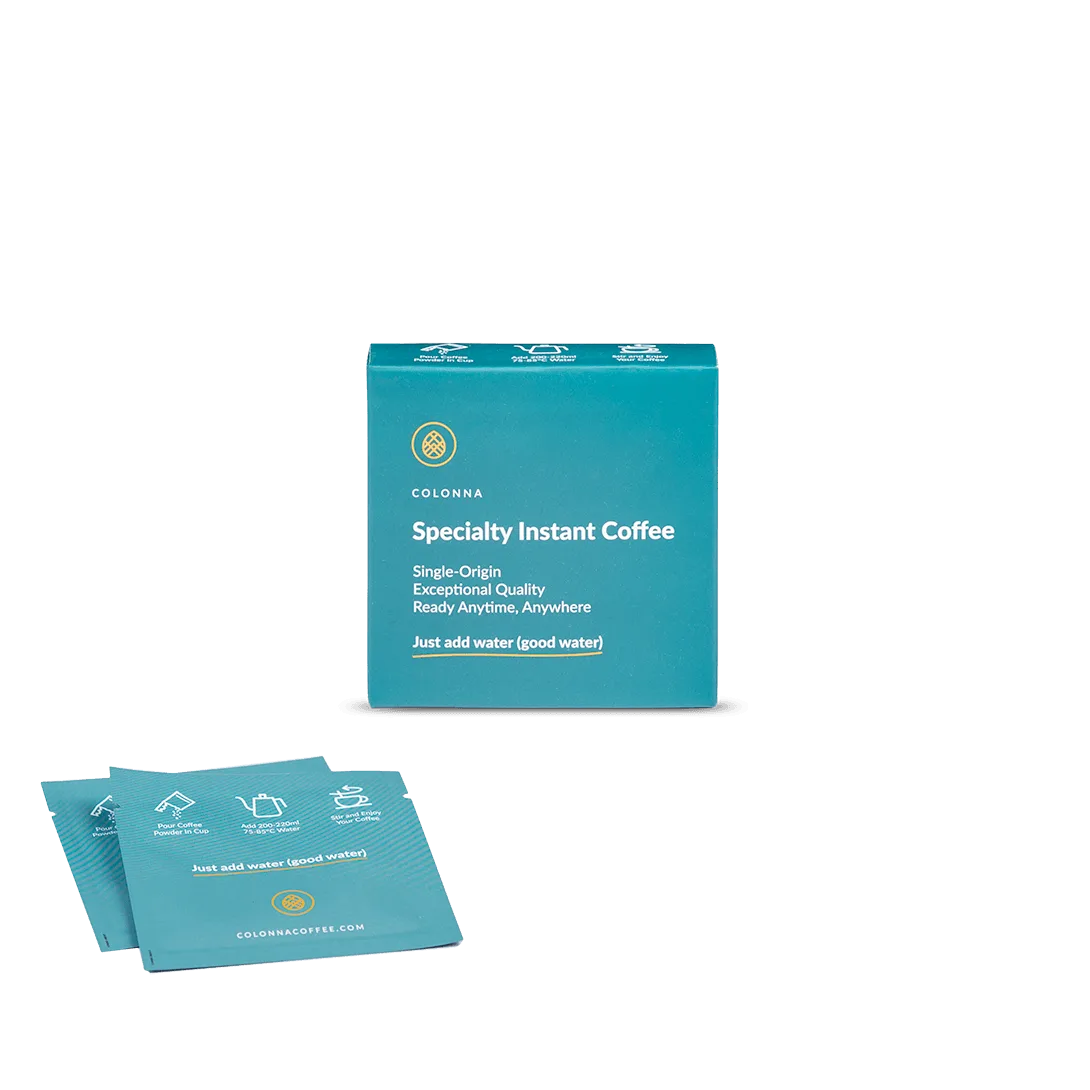
Foundation Specialty Instant Coffee (Box of 6 Sachets)
- Whole beans: 2-3 weeks in optimal conditions.
- Ground coffee: use within 1-2 days for best flavor.
- Always check the roast date on the bag.
Common Mistakes to Avoid
One of the most common mistakes is storing coffee in the refrigerator. The moisture and fluctuating temperatures cause condensation, which degrades the beans. Another error is keeping beans in a transparent container on the counter where sunlight can hit them. Also, avoid buying large quantities of coffee if you do not consume it quickly, as it will go stale before you finish it.
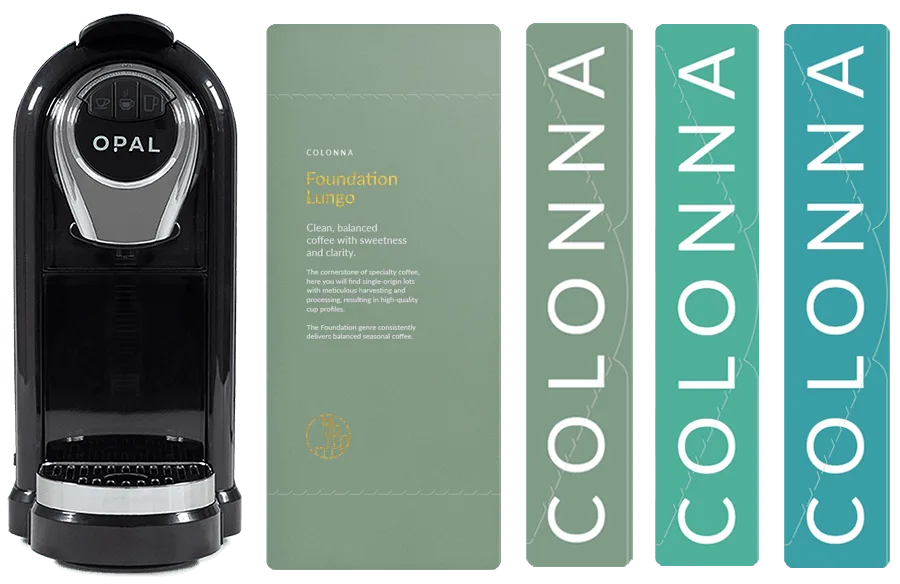
Finally, never store coffee near strong-smelling items like spices or onions, as beans are porous and can absorb those aromas. For those who enjoy espresso or lungo-style drinks, proper storage ensures that every shot is as rich as intended. If you use capsules, such as the Foundation Lungo Capsules, they are individually sealed for freshness, so storage is simpler—just keep them in a cool, dry place away from heat.
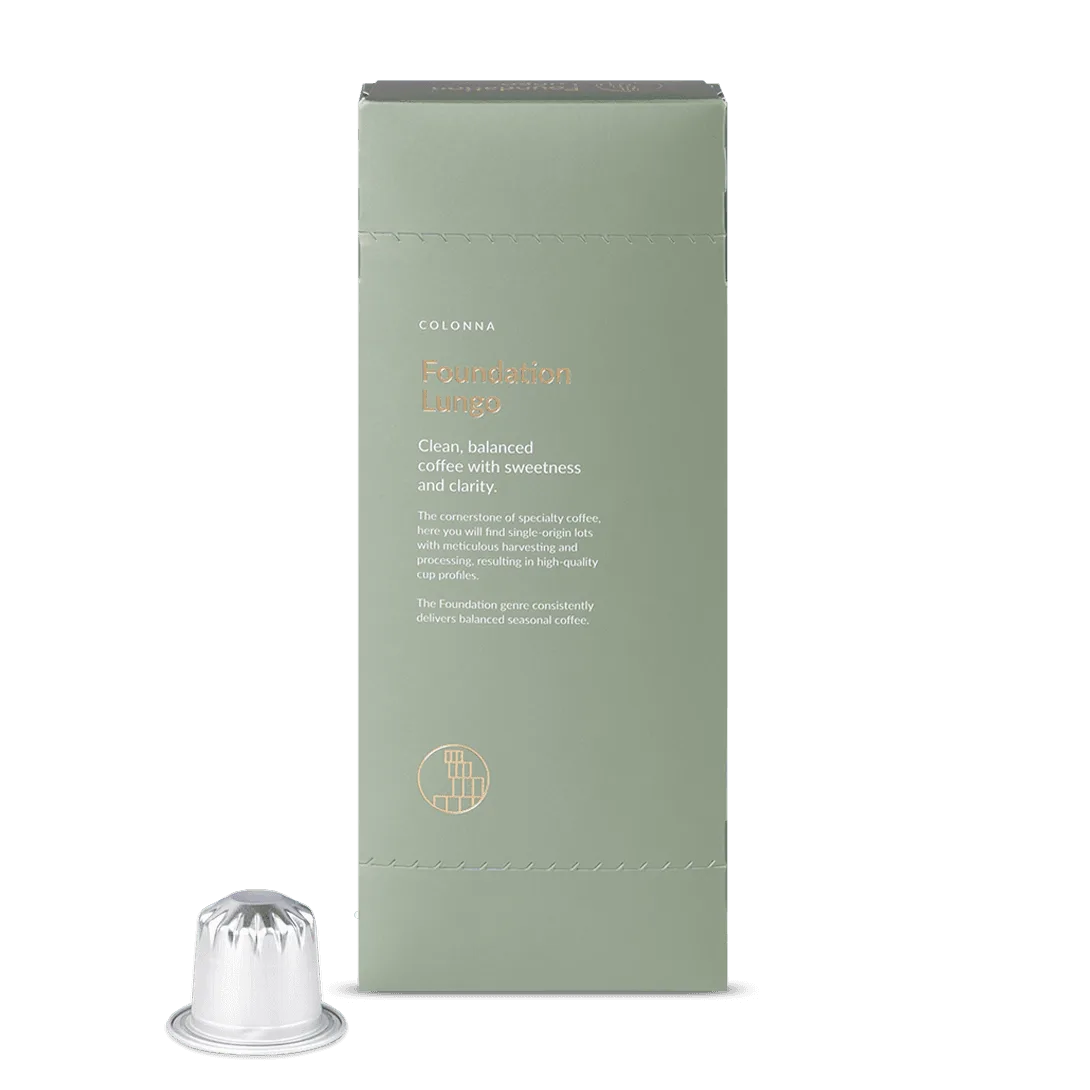
Foundation Lungo Capsules
- Do not store beans in the fridge or freezer unless absolutely necessary.
- Avoid clear containers that let in light.
- Keep coffee away from strong odors.
Storing your coffee beans correctly is a small effort that pays off in every cup. By using an airtight container, keeping beans in a cool dark place, and buying only what you need, you can enjoy fresh, flavorful coffee for weeks. For a convenient and consistently fresh option, try the Foundation Lungo Capsules, which are sealed for peak quality and perfect for a quick, delicious brew.