Quick answer
For travel and camping, store whole beans in a small, airtight, opaque container that fits your pack, and grind them just before brewing. Keep that container out of heat, sunlight, and damp gear, and only open it when you are ready to make coffee. This simple routine protects flavor far better than leaving beans in a bag or a hot car.
Why travel storage is different from kitchen storage
At home, you might keep beans in a hopper or a large canister. On the road, three things change: space is limited, temperatures swing, and you may not brew a full dose every time. Those conditions speed up staling. Oxygen, heat, light, and moisture are the main enemies, and camping exposes beans to all four. A bag folded over in a backpack is not airtight, and a car trunk in summer can get hot enough to flatten flavor fast.
The goal is not to recreate a perfect kitchen setup. It is to slow down the inevitable decline enough that your portable espresso still tastes sweet and balanced. That means choosing a container that seals well, keeping it small enough to carry, and handling it gently so you do not crush beans before you grind them.
Choose the right container for your trip
A dedicated travel coffee storage container should be airtight, opaque or stored in a dark place, and sized to the amount you will actually drink. If you carry a week's worth of beans, a large jar wastes space and exposes more beans to air each time you open it. Smaller is better. For a weekend trip, a 4- to 8-ounce capacity works well. For longer trips, consider two small containers rather than one large one so you only open what you need.
Material matters less than the seal. A screw-top metal tin with a silicone gasket, a vacuum-sealed canister, or a thick-walled plastic container with a locking lid can all work. Avoid thin zip-top bags alone; they let in air and crush easily. If you use a valve bag, squeeze out excess air before sealing, but know that repeated opening still exposes beans to oxygen.
Pack beans in the right amount and form
Whole beans stay fresh longer than ground coffee because less surface area is exposed. Grind only what you need for each brew. If you must pre-grind for convenience, grind coarse and use it within a day or two, accepting a drop in quality. For portable espresso, a fine grind is necessary, so pre-grinding is a bigger compromise. Freshly ground beans also behave more predictably in a pressurized basket or a manual machine.
Portion beans into daily doses using small, sealed bags or containers if you want to avoid opening the main supply. This is especially useful when camping, where you may not want to measure in the dark or in wind. Label each portion with the date if you are traveling for more than a few days.
Protect against heat, light, and moisture
Heat accelerates staling, so keep your container out of direct sun and away from camp stoves, fires, and car dashboards. If you are hiking, pack the container in the center of your bag rather than an outer pocket. Light degrades coffee oils, so an opaque container or a dark stuff sack helps. Moisture is the quiet killer: never store beans near wet gear, ice packs, or a leaky water bottle. If condensation forms inside the container, you have a problem.
Temperature swings are common when camping. Try to keep the container at a stable temperature rather than moving it between a hot tent and a cold night. A small insulated pouch can help, but do not add ice directly. If you are car camping, bring the container inside at night instead of leaving it in the vehicle.
Handle and open the container correctly
Every time you open the container, fresh air enters. Minimize open time: decide what you need, open, scoop or pour, and close. Do not leave the lid off while you set up your brewer. If you are using a manual portable espresso machine, get your water ready first, then open the beans. This small habit reduces oxidation.
Avoid shaking or dropping the container. Whole beans are fragile; cracks and chips expose more surface area and speed staling. If you are using a container with a wide mouth, pour gently rather than digging with a metal scoop that can crush beans.
Match your gear to your storage plan
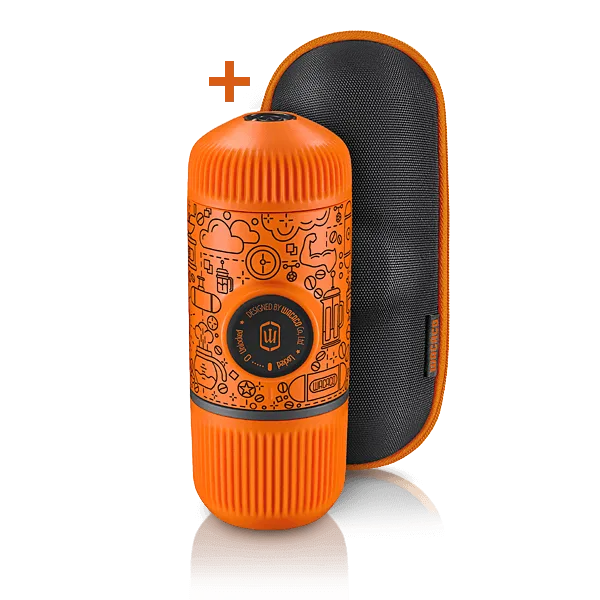
Your brewing method affects how much storage discipline you need. A portable espresso machine like the Nanopresso uses a small, precise dose, so you can carry just enough beans for each shot. If you use NS capsules with the NS Adapter, you skip grinding and dosing entirely, which simplifies travel storage because the coffee is already sealed in a capsule. That can be a smart trade-off for camping or flying when you want consistency and minimal mess.
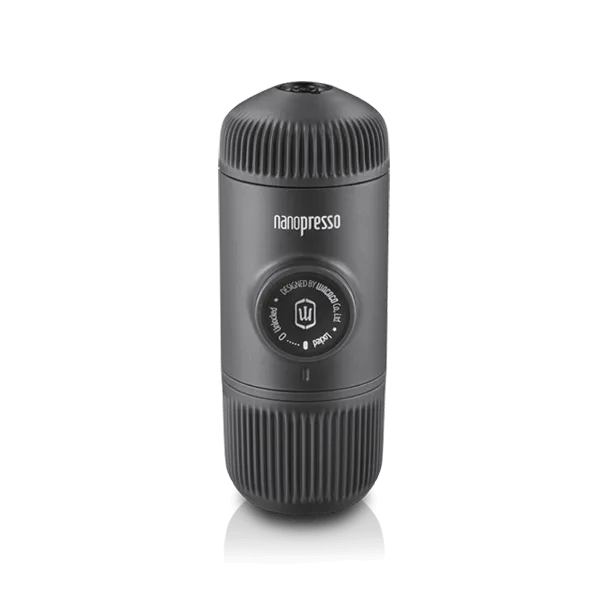
Nanopresso
For whole-bean brewing, pair your container with a small hand grinder. Keep the grinder clean and dry; old grounds and moisture can taint fresh beans. If you are tight on space, choose a container that nests with your grinder or fits inside your mug.
Step-by-step travel coffee storage routine
- Start with fresh whole beans: Buy beans roasted within the last two to four weeks if possible. Check the roast date, not just the best-by date. Whole beans stay fresher longer than pre-ground. Common mistake: buying a large bag with no roast date and assuming it is fresh.
- Portion into small airtight containers: Divide beans into daily or trip-sized portions using small, opaque, airtight containers or vacuum-sealed bags. Squeeze out excess air before sealing. Checkpoint: each container should be full enough to limit air space but not so full that beans get crushed.
- Pack for stable temperature and protection: Place containers in the center of your pack, away from heat sources, direct sun, and wet gear. Use an insulated pouch if temperatures will swing widely. Common mistake: leaving beans in a hot car or an outer pocket exposed to sun.
- Open only when brewing: Set up your water and brewer first. Then open the container, take what you need, and close it immediately. Do not leave the lid off while you adjust your gear. Checkpoint: minimize open time to reduce oxygen exposure.
- Grind just before brewing: Use a hand grinder for whole beans. If you must pre-grind, do it coarse and use within a day or two, accepting some flavor loss. Common mistake: grinding a week's worth of beans at home and expecting the same taste.
- Clean and dry storage gear after the trip: Wipe out containers and let them air-dry completely before storing. Residual oils and moisture can turn rancid and taint the next batch. Next step: store empty containers open until fully dry, then seal for the next adventure.
Gear that helps with travel storage
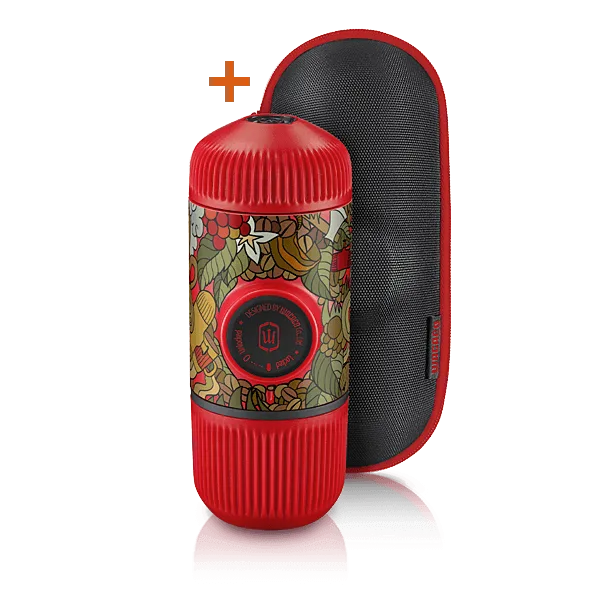
- NANOPRESSO RED TATTOO JUNGLE: The Nanopresso Red Tattoo Jungle is a limited edition bundle with a main body covered in dense vegetation doodles art and a red accent on the case. A compact, self-contained espresso maker means you can carry only the beans you need for each shot, reducing the amount of coffee exposed to air.
- NANOPRESSO + NS ADAPTER: The Nanopresso + NS Adapter set groups the Nanopresso with the NS Adapter, and the Nanopresso uses a patented pumping system capable of reaching up to 18 bars (261 PSI) of pressure. With the adapter, you can use sealed NS capsules instead of loose beans, which simplifies storage and cleanup on the road.
- NANOPRESSO NS ADAPTER: The NS Adapter allows the Nanopresso to use NS capsules, which are mechanically ground, measured, and tamped for consistency. Capsules stay sealed until use, so you avoid the grind-and-store steps that expose beans to air, heat, and moisture.