Quick Answer
If you're out of contact lens solution, the safest emergency option is to place your lenses in a clean contact lens case with sterile saline solution for up to 24 hours. Never use tap water, saliva, or homemade solutions. If you have no saline, it's better to discard the lenses than risk an eye infection.
You're packing for a trip or staying at a friend's place, and you realize you forgot your contact lens solution. Panic sets in: you can't wear your lenses overnight, and you have nowhere to store them. What do you do? While running out of solution is inconvenient, you have a few safe emergency options that can keep your lenses wearable until you get back to your routine.
This guide walks you through the do's and don'ts of temporary contact lens storage, explains why water and saliva are dangerous, and tells you exactly when to stop and replace your lenses. You'll also learn about lens types that make emergencies less stressful, like daily disposables.
Why Contact Lens Solution Matters
Contact lens solution does more than keep your lenses wet. It disinfects, removes protein deposits, and maintains the correct pH and osmotic balance so your lenses stay comfortable and safe. When you store lenses without proper solution, you risk bacterial contamination, lens deformation, and eye infections like keratitis.
The solution you use should be specifically designed for contact lenses. Multipurpose solutions clean, rinse, disinfect, and store, but not all solutions are equal. Some are better for sensitive eyes, while others offer extra protein removal. Always follow the manufacturer's instructions for soaking times and replacement intervals.
- Never reuse solution from the lens case; always use fresh solution each time.
- Replace your lens case every three months to prevent bacterial buildup.
Safe Emergency Storage Options
If you find yourself without solution, the best alternative is sterile saline solution, which you can buy at most pharmacies. Saline keeps lenses moist but does not disinfect, so it's only a temporary measure. Place your lenses in a clean case, fill it with saline, and store them for no more than 24 hours. After that, you must disinfect with multipurpose solution before wearing them again.
Another option is to use a contact lens case with a tight seal and store the lenses in a small amount of sterile saline or even just keep them in your eyes for a short period if you can. But the safest emergency approach is to have a spare pair of daily disposable lenses. That way, if you're caught without solution, you can simply wear a fresh pair and discard the old ones.
- Always carry a travel-sized bottle of multipurpose solution in your bag.
- Consider daily disposable lenses for travel or occasional wear.
What NOT to Use as a Substitute
You might be tempted to use tap water, bottled water, or saliva to wet your lenses. Don't. These are not sterile and contain microorganisms that can cause severe eye infections. Water also has the wrong osmotic balance, which can make lenses swell and stick to your eye.
Homemade saline solutions are also a bad idea. You cannot guarantee the correct salt concentration or sterility. Even if you boil water and add salt, the mixture can become contaminated during preparation. The risk of infection far outweighs the convenience.
- Tap water, distilled water, and bottled water are all unsafe for contact lens storage.
- Saliva is full of bacteria and should never be used to wet or store lenses.
When to Discard Your Lenses
If you have no saline or multipurpose solution, and you cannot get any within a few hours, it's safer to discard the lenses. Wearing lenses that have dried out or been stored in unsafe conditions can scratch your cornea or introduce bacteria. Even if you later get solution, the lenses may be damaged.
Also, if you've worn your lenses for longer than their recommended replacement schedule (e.g., daily disposables worn overnight, or monthlies worn for over a month), you should replace them. Never push the limits of your lens replacement schedule, as that increases the risk of complications.
- If lenses are dried out, do not try to rehydrate them with solution; throw them away.
- Always follow the replacement schedule for your specific lenses.
Diagnosis: When to Stop and Choose Another Option
- Symptom: You realize you have no contact lens solution and need to store your lenses. Assess your situation: do you have saline, a spare case, or daily disposables?
- Likely cause: Running out of solution often happens during travel, at work, or when you forget to pack supplies. Prevention is key: always carry a travel-size solution and a spare case.
- Corrective action: If saline is available, use it for up to 24 hours. If not, consider discarding the lenses and using a new pair. When in doubt, throw them out. Your eye health is not worth the risk.
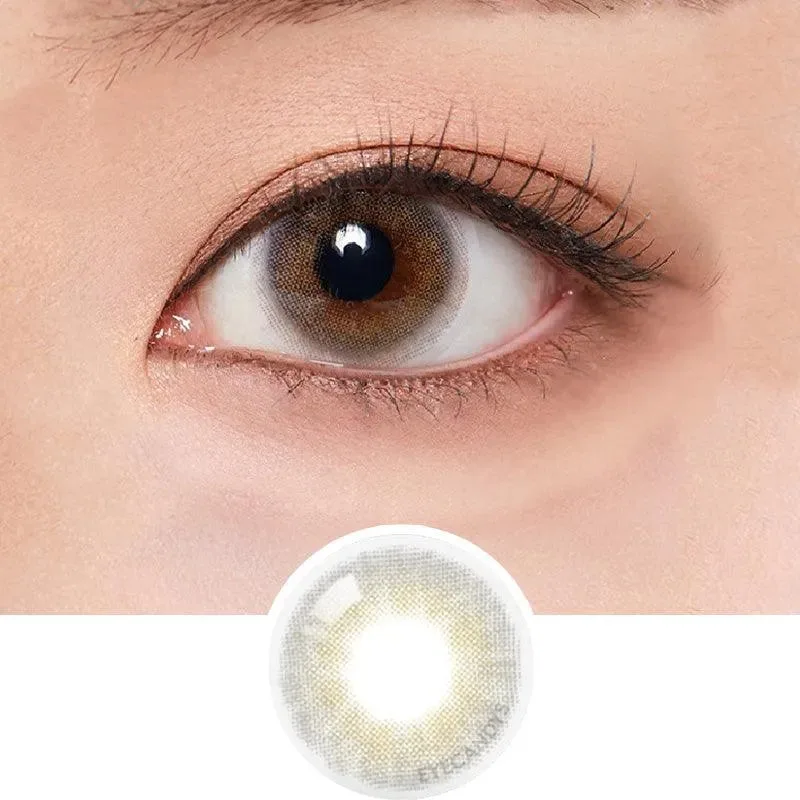
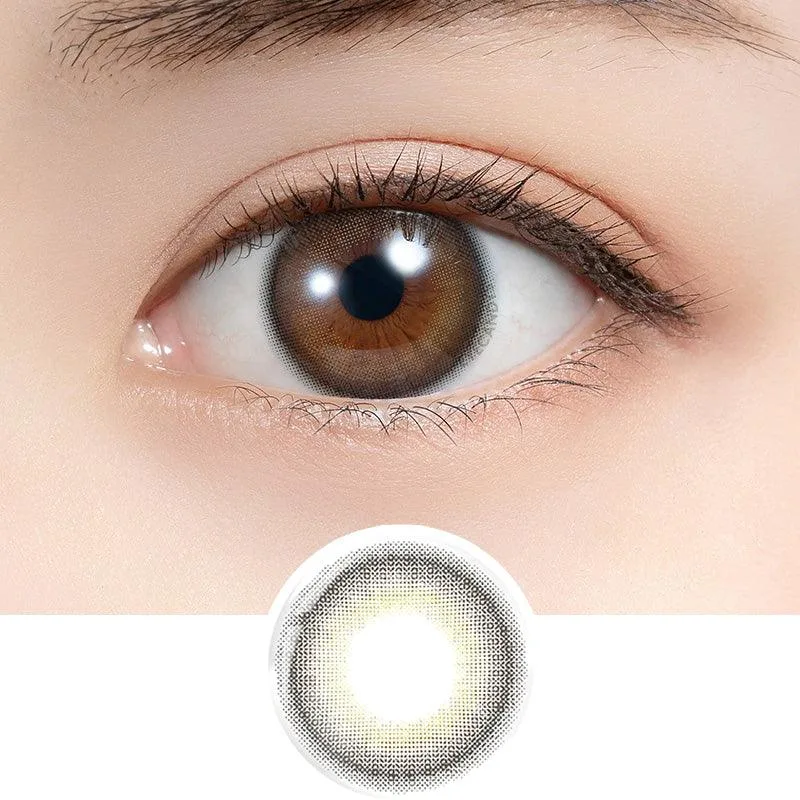
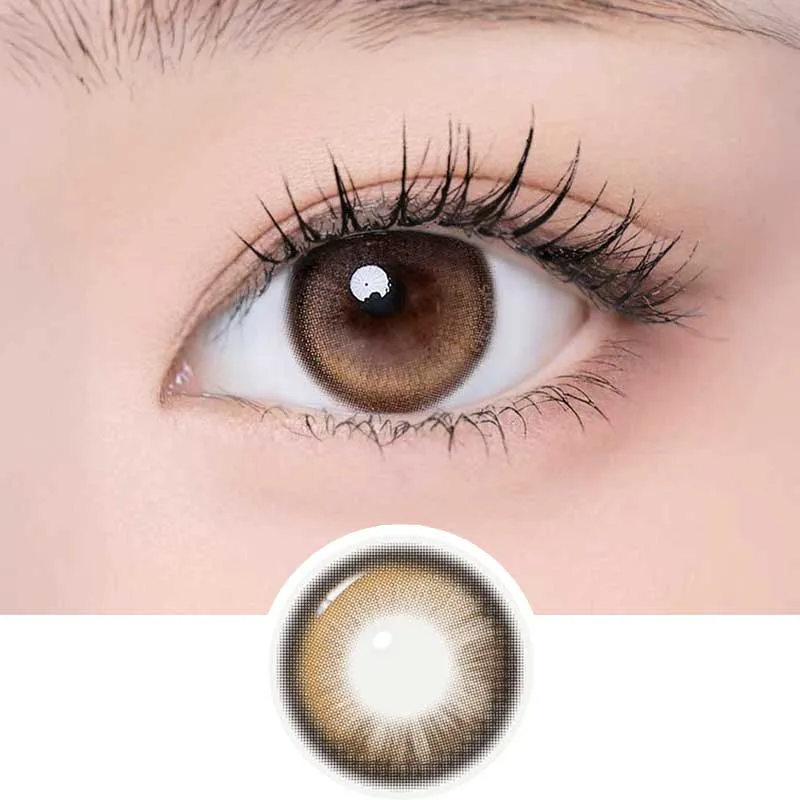
- Stop point: If you have no saline and cannot get any within a few hours, or if your lenses are daily disposables, stop and discard the lenses. Choose a fresh pair from your stash or buy a new box. Daily disposables like Olola 1-Day Able Grey or Feliamo 1-Day Coffee Jelly are ideal for emergencies.
Products That Make Emergencies Easier
- Olola 1-Day Able Grey (10pk): Olola 1-Day Able Grey lenses are daily disposables with a high water content of 48% and a universally flattering fit for effortless wear throughout the day. Daily disposables eliminate the need for storage solutions entirely. If you're caught without solution, you simply wear a fresh pair and toss them at the end of the day.
- Feliamo 1-Day Coffee Jelly (10pk): Feliamo 1-Day Coffee Jelly is a daily lens from PIA's Feliamo Collection, designed for a natural, fresh, and youthful look with a subtle two-toned design. Like other daily lenses, these require no cleaning or storage solution, making them a convenient and hygienic choice for travel or busy days.
Running out of contact lens solution is stressful, but you can handle it safely. Use sterile saline as a temporary stopgap, never water or saliva, and know when to discard your lenses. For the future, consider daily disposable lenses to avoid this problem altogether. Your eyes will thank you.