Quick answer
Store designer wallets upright or flat in a dust bag, away from direct sunlight and heat, with a light stuffing to hold their shape. Keep them in a cool, dry place and avoid stacking heavy items on top. This simple routine prevents creasing, color fading, and moisture damage.
A designer wallet is a daily accessory, but it spends most of its life in storage. How you store it between uses determines whether the leather stays supple or dries out, cracks, and loses its shape. The good news: you do not need a climate-controlled vault. A few consistent habits will protect your investment.
This guide walks through an ordered storage process you can start today. Each step includes a common mistake to avoid, so you can prevent wallet damage without overcomplicating your routine. Whether you own a grained leather crossbody or a structured tote, the same principles apply.
Why proper wallet storage matters
Leather is skin: it reacts to light, heat, and moisture. When a wallet sits in direct sun, dyes fade and the surface can dry out. When it is crammed into a tight drawer, creases form along the spine and card slots stretch. Over time, these small stresses turn into cracks and misshapen edges that cannot be reversed.
Dust is abrasive. Left undisturbed, it works into stitching and hardware, dulling finishes. A dust bag or soft cloth barrier keeps grit away without trapping humidity. The goal is a stable environment: consistent temperature, low light, and enough room for the wallet to breathe.
- Avoid storing leather in plastic bags, which trap moisture and can cause mildew.
- Never store a wallet while it is damp from rain or hand cream.
Gather the right storage supplies
You likely already own what you need. A breathable cotton dust bag, acid-free tissue paper, and a shelf or drawer with moderate airflow are the essentials. If you do not have a dust bag, a clean pillowcase works. For structured wallets, a small insert or folded tissue helps maintain shape.
Skip silica gel packets for long-term storage; they can overdry leather. Instead, use a humidity absorber only in very damp climates, and check it monthly. A simple hygrometer can help you monitor relative humidity, which ideally stays between 40% and 60%.
- Dust bags should be cotton or flannel, not plastic or vinyl.
- Acid-free tissue prevents ink transfer and yellowing.
Step-by-step storage routine
First, empty the wallet completely. Remove cards, receipts, coins, and any paper. Coins left in a zip pocket can scratch hardware and stretch leather. Next, wipe the exterior with a dry, soft cloth. For deeper cleaning, use a leather-safe conditioner sparingly and let it dry fully before storage.
Then, stuff the wallet lightly with acid-free tissue to hold its shape. Do not overstuff, which stresses seams. Place it inside a dust bag, leaving the bag open slightly for airflow. Finally, store it upright on a shelf or flat in a drawer, away from sunlight and heat sources.
- Common mistake: storing a wallet with cards inside. This stretches card slots over time.
- Checkpoint: the wallet should feel supported, not squeezed.
Choosing the right location
A cool, dark closet shelf is ideal. Avoid attics, basements, and garages where temperature and humidity fluctuate. Keep wallets away from radiators, vents, and windows. If you live in a humid area, a dehumidifier in the room can help, but do not aim for bone-dry air.
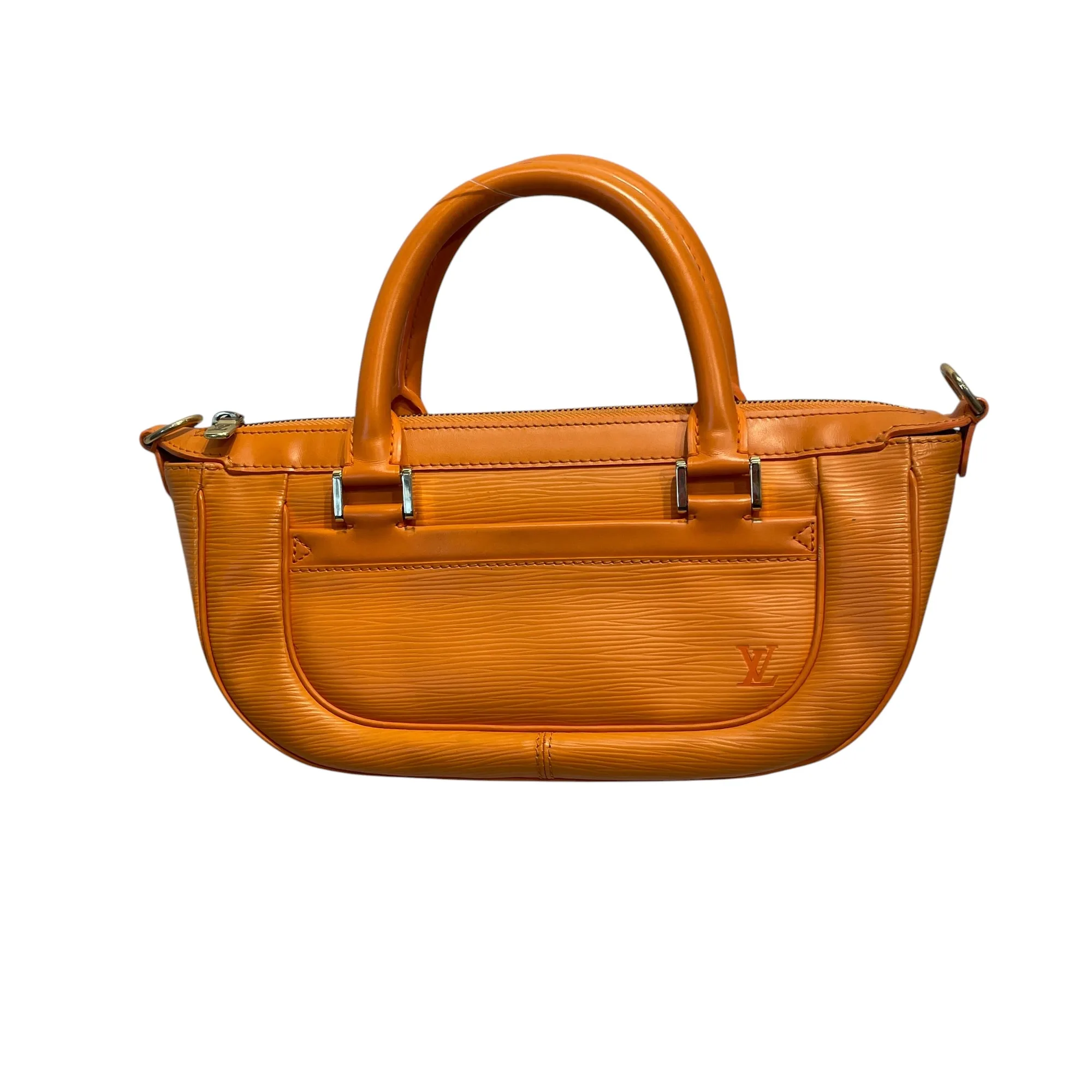
Do not stack heavy bags or boxes on top of a wallet. Pressure creates permanent creases, especially on soft leathers like the LOUIS VUITTON EPI Dhanura crossbody. If you must stack, place the wallet on top or use a divided drawer.
- Rotate wallets every few months to avoid long-term compression in one spot.
- Keep away from cedar chests; cedar oils can darken leather.
Long-term maintenance and rotation
Even stored leather needs occasional care. Every three to six months, take the wallet out, check for dust or dryness, and re-condition if needed. This is also a good time to rotate your everyday wallet so no single piece bears all the wear.
If you notice stickiness, mold, or a white bloom, isolate the wallet and clean it with a diluted vinegar solution, then dry completely. For valuable pieces, consult a leather professional. Consistent small checks prevent big problems.
- Set a calendar reminder for seasonal checks.
- Store a small notebook with dates of conditioning to track care.
Your 6-step wallet storage routine
- Empty completely: Remove all cards, cash, coins, and receipts. Coins and cards left inside stretch leather pockets and can scratch hardware. Checkpoint: shake the wallet gently to ensure nothing remains.
- Clean and condition: Wipe with a dry soft cloth. If needed, apply a small amount of leather conditioner and buff gently. Let it dry fully before storing. Mistake to avoid: using too much conditioner, which can darken or clog leather pores.
- Lightly stuff: Use acid-free tissue paper to fill the wallet just enough to hold its shape. Do not overstuff, which stresses seams and stretches leather. Checkpoint: the wallet should look relaxed, not plump.
- Place in dust bag: Slide the wallet into a breathable cotton dust bag. Leave the top slightly open for airflow. Never use plastic bags. Mistake to avoid: sealing the bag completely, which traps moisture.
- Choose a stable location: Store upright on a shelf or flat in a drawer away from sunlight, heat, and humidity swings. Avoid attics, basements, and direct sun. Checkpoint: the spot should feel cool and dry year-round.
- Rotate and check: Every three months, inspect stored wallets for dust, dryness, or mold. Rotate your daily carry to distribute wear evenly. Next step: set a seasonal reminder to repeat this routine.
Real examples from our catalog
- LOUIS VUITTON/Cross Body Bag/Leather/ORN/EPI DHANURA: Condition: Used_Good, Material: Leather, Measurements: Height 5.5 in, Width 11 in, Depth 4.5 in, Drop 4-18 in. Its structured EPI leather holds shape well, but the wide profile means it should be stored flat or upright without heavy items on top to prevent creasing.
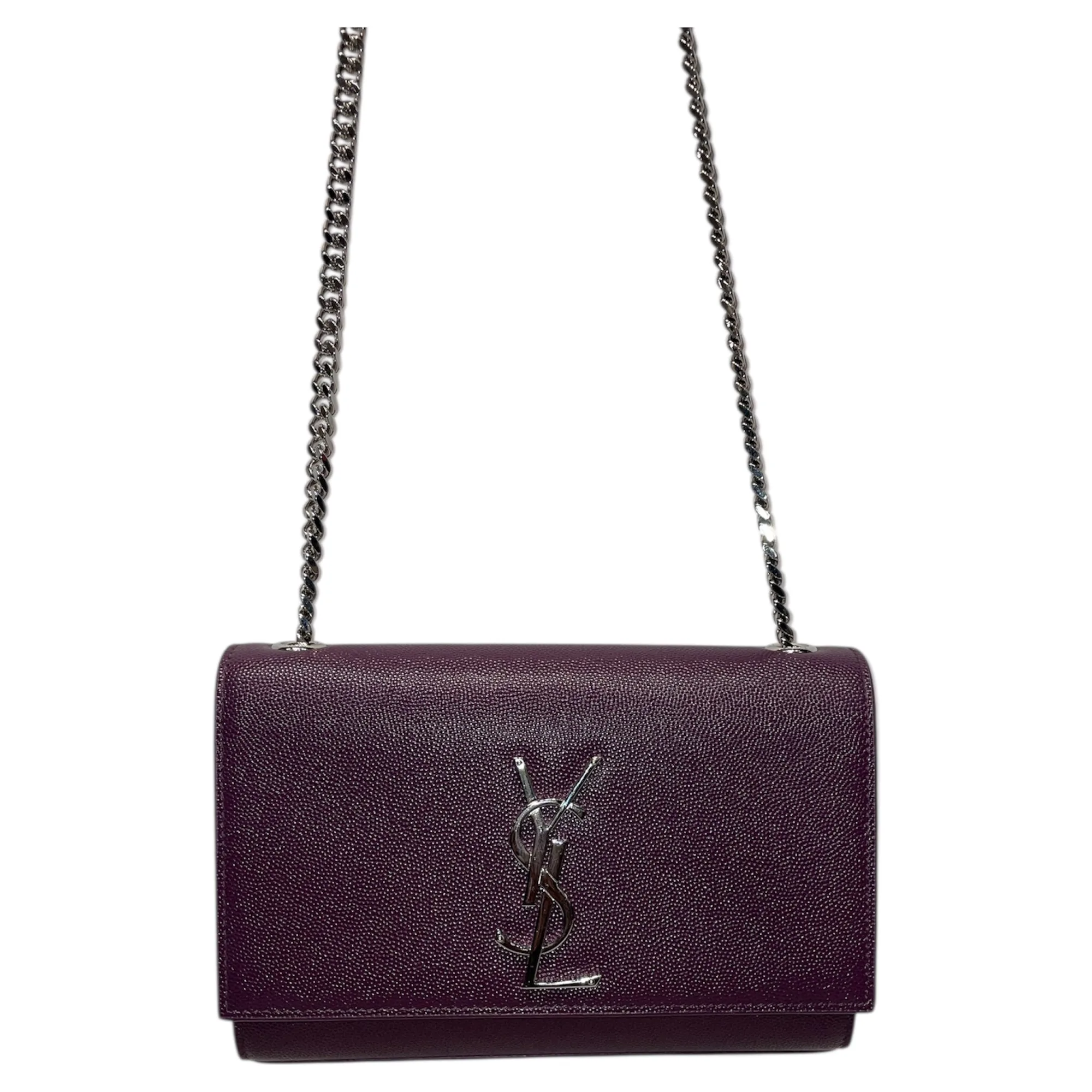
- YVES SAINT LAURENT/Cross Body Bag/Leather/PPL/Kate Grainy Leather: Condition: Used_Good, Material: Leather, Measurements: Height 5.5 in, Width 8 in, Depth 2 in, Color: Purple. The grainy leather resists scratches, but the slim depth makes it prone to bending if stored vertically in a crowded drawer. Use a dust bag and avoid stacking.
Storing designer wallets well is not about expensive supplies. It is about consistency: empty, clean, stuff lightly, bag, and place in a stable spot. Follow these steps and your leather wallet care routine will prevent damage for years to come.