Quick answer
Store cassette tapes upright in a cool, dry place away from direct sunlight and magnetic fields, and use a shelf or case that keeps them vertical. For display, choose a spot with stable temperature and low humidity, and keep tapes in their plastic cases when not in use. This prevents warping, mold, and tape damage while keeping your collection accessible.
Why the Right Environment Matters More Than the Shelf
Cassette tapes are magnetic media with thin plastic shells and internal felt pads. Heat above 75°F (24°C) can soften the shell and warp the tape path, while humidity above 60% encourages mold that eats the oxide layer. Cold is less harmful, but rapid temperature swings cause condensation inside the shell. Keep your storage area between 60–70°F (15–21°C) and 40–50% relative humidity if possible. A closet or interior shelf works better than an attic, garage, or basement. Avoid placing tapes near speakers, old CRT monitors, or large motors—magnetic fields can erase or distort recordings over time.
Cleaning and Inspecting Before You Store
Before putting tapes away, check each one for dust, mold, or loose felt pads. Use a dry, soft brush or a microfiber cloth to wipe the shell and the exposed tape window. If you see white or green fuzzy spots, isolate that tape—mold spreads. For moldy tapes, clean the shell with a slightly damp cloth (distilled water only) and let it dry completely before returning it to its case. Inspect the pressure pad inside the cassette; if it's missing or flattened, the tape may not play properly. You can replace pads with a repair kit, but for valuable recordings, consider digitizing first.
Choosing Storage Boxes and Shelving
Cardboard shoeboxes and plastic bins work, but they trap moisture and dust if not sealed. Better options: acid-free cassette cases, wooden or metal shelves with good air circulation, or dedicated cassette racks that hold tapes upright. Avoid stacking tapes horizontally in tall piles—the weight can crack shells and warp reels. If you use plastic bins, add silica gel packets and check them monthly. For long-term cassette collection storage, consider a fireproof safe or a climate-controlled cabinet if you have irreplaceable mixtapes or rare releases.
Displaying Tapes Without Exposing Them to Damage
Display cassette tapes on a shelf away from windows, radiators, and air vents. UV light fades labels and weakens plastic, so keep them out of direct sun. If you want a visible display, use a shadow box or a wall-mounted cassette frame that holds tapes vertically and allows airflow. Rotate displayed tapes every few months to limit light exposure. For a playful touch that matches a music-themed shelf, a small enamel pin like the Mountain Enamel Pin (product ID 405291) can sit alongside your tapes—it’s a fun nod to collecting without adding any risk to the cassettes themselves.
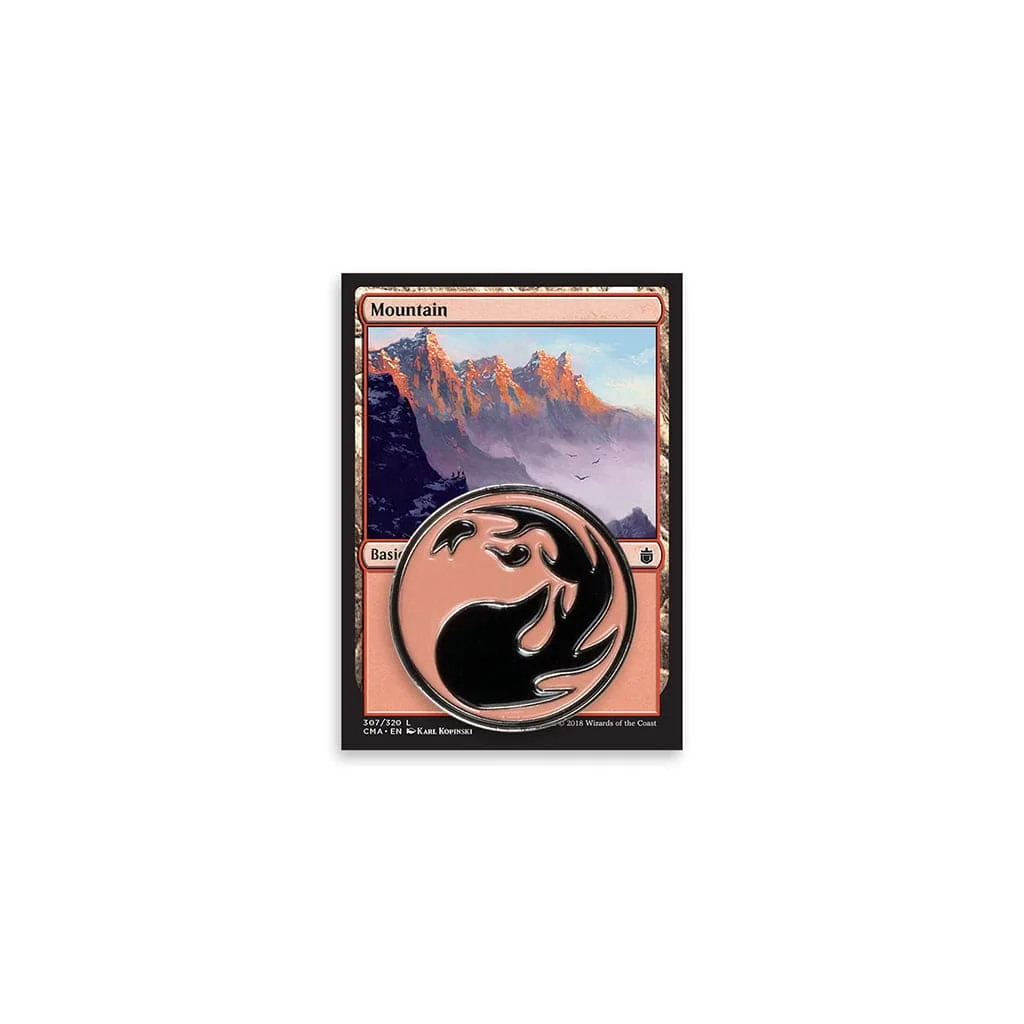
Mountain Enamel Pin
Step-by-Step Cassette Care Routine
- 1. Clear a stable, climate-controlled spot: Choose an interior shelf or closet away from windows, heaters, and vents. Keep temperature between 60–70°F and humidity around 40–50%. Checkpoint: Use a hygrometer to confirm humidity stays below 60%.
- 2. Clean each tape and its case: Wipe shells with a dry microfiber cloth. For mold, use a barely damp cloth with distilled water and dry fully. Replace damaged felt pads if needed. Mistake to avoid: Don’t use alcohol or household cleaners—they can cloud plastic and damage labels.
- 3. Store tapes upright in acid-free cases: Place tapes vertically in their plastic cases inside a sturdy box or on a shelf. Avoid stacking horizontally or overpacking. Checkpoint: Tapes should slide out easily without force.
- 4. Keep magnetic fields away: Don’t store tapes near speakers, microwaves, or large appliances. Even small magnets can gradually erase high frequencies. Mistake to avoid: Assuming distance alone is enough—test with a compass if unsure.
- 5. Display with UV protection and airflow: Use a shadow box or open shelf out of direct sun. Rotate displayed tapes every 3–6 months to limit light exposure. Checkpoint: If you can feel warmth on the tape, it’s too close to a heat source.
- 6. Inspect and play tapes periodically: Play each tape at least once a year to keep the tape path lubricated and to catch problems early. Clean your player’s heads and pinch rollers before playing valuable tapes. Mistake to avoid: Storing tapes for years without playing—they can develop print-through or sticky shed.
A Collectible That Pairs Well With Cassette Culture
- Dragon Ball Z - Best Collection: Dragon Ball Z - Best Collection vinyl features music by Chiho Kiyooka, Takeshi Ike, and Keiju Ishikawa, including themes like "Cha-La Head-Cha-La" and "We Gotta Power." If you collect anime soundtracks on cassette, this vinyl release is a great companion piece for display or listening, and its iconic tracks appeal to the same nostalgia-driven collectors.