Quick answer
Store pins point-down or flat in a felt-lined box, keep the rubber backing clasp on until you mount the pin, and display on a fabric board rather than bare metal or glass. Wipe each pin with a dry microfiber cloth before storage, and never stack pins face-to-face. This routine prevents the two most common failures: scratched enamel and bent or lost clasps.
Why storage method matters more than display style
Enamel pins fail from three things: abrasion, moisture, and pressure on the clasp. Abrasion dulls the synthetic hard enamel surface and wears the black nickel plating. Moisture creeps under the plating at the edges and causes spotting. Pressure bends the rubber backing clasp or pushes the post sideways until it loosens. A storage method that controls those three risks will protect a pin for years, regardless of whether it lives in a box or on a board.
The display decision is secondary. You can rotate pins between a closed box and an open board as long as each move follows the same handling steps. The mistake is treating storage and display as separate systems with different rules. Pick one handling routine and apply it in both places.
Choose a surface that will not scratch enamel
Bare metal shelves, glass, and painted wood are the usual culprits behind fine scratches on pin faces. Fabric is safer. Felt, suede, or a tight-weave canvas board gives the pin something soft to rest against and holds it in place without adhesive. If you use a corkboard, cover it with fabric first; cork granules can embed in the enamel edge and are difficult to remove without rubbing.
For boxes, line the bottom and lid with acid-free felt or a clean cotton cloth. Avoid foam inserts that shed, and avoid plastic bags that trap moisture. A simple shallow box with a fabric liner handles most collections and lets you stack boxes without pressing on the pins.
Handle the clasp correctly every time
The rubber backing clasp is the most replaceable part of a pin and the easiest to damage. Pull it straight off the post rather than twisting or prying it. Twisting stretches the rubber and it will no longer grip. When you reattach it, push until it seats flat against the back of the pin, not just until it touches.
If you display a pin on a board, keep the clasp on the post behind the fabric. This prevents the pin from sliding and keeps the clasp from being lost in a drawer. If you store pins loose, leave the clasp on and place the pin face-up so the post does not press into another pin.
Clean without adding moisture
Dust is the main enemy of a displayed pin. A dry microfiber cloth removes it without scratching. Do not use water, alcohol, or jewelry cleaner on synthetic hard enamel with black nickel plating; the plating can spot or discolor at the edges, and moisture can wick behind the enamel. If a pin has a stubborn smudge, breathe on it lightly and wipe immediately with a dry cloth, then let it air dry before storing.
Wash your hands before handling pins or wear cotton gloves. Skin oils transfer to the enamel and attract dust. This is especially noticeable on dark-colored pins where fingerprints show as dull patches.
Rotate and inspect on a schedule
Set a simple interval, such as every three months, to inspect stored pins. Check for loose clasps, wobbling posts, and any white or green spotting at the edges. Catching a loose post early lets you tighten or replace the clasp before the pin falls and hits a hard floor. Catching edge spotting early lets you isolate the pin from the rest of the collection.
During inspection, move displayed pins to storage and bring out a different set. Rotation limits UV exposure and dust accumulation on any one pin. It also forces you to handle each pin, which is when you notice problems.
Match the storage setup to the size of the pin
Small pins and large pins need different clearance. A 2-inch pin sits flat in a shallow box, but a 2.5-inch pin may need a deeper compartment so the post does not press against the lid. If you store pins in a single layer, measure the tallest pin in the collection and choose a box that clears it by at least half an inch.
Series sets often mix sizes. Keep the set together in one box with dividers rather than splitting sizes across containers, so you do not lose track of which pins belong together. Dividers also stop pins from sliding into each other.
Your step-by-step pin care routine
- Clear a clean, soft workspace: Lay a microfiber cloth or felt mat on a table before handling any pin. Work away from hard floors and bare metal surfaces. Checkpoint: if you would not set a pin face-down on the surface, it is not safe for handling either.
- Remove the clasp straight off the post: Grip the rubber backing clasp and pull it directly away from the pin. Do not twist or pry it sideways. Mistake to avoid: twisting stretches the rubber and the clasp will stop gripping the post.
- Wipe the pin with a dry cloth: Use a dry microfiber cloth on the enamel face and the black nickel edge. Do not use water, alcohol, or jewelry cleaner. Checkpoint: the cloth should come away clean; if it snags, stop and check for a rough edge.
- Store face-up in a felt-lined box: Place pins in a single layer with the clasp on the post. Use dividers if the box holds more than one pin. Mistake to avoid: stacking pins face-to-face or letting posts press into other pins.
- Display on fabric, not bare metal or glass: Mount pins on a felt, suede, or tight-weave canvas board. Keep the clasp on the post behind the fabric to stop sliding. Checkpoint: press the pin gently; if it shifts, the fabric is too loose or the clasp is not seated.
- Inspect and rotate every three months: Check each stored pin for loose clasps, wobbling posts, and edge spotting. Swap displayed pins with stored ones. Next step: isolate any pin showing spotting and clean the storage box before returning the rest.
Product facts
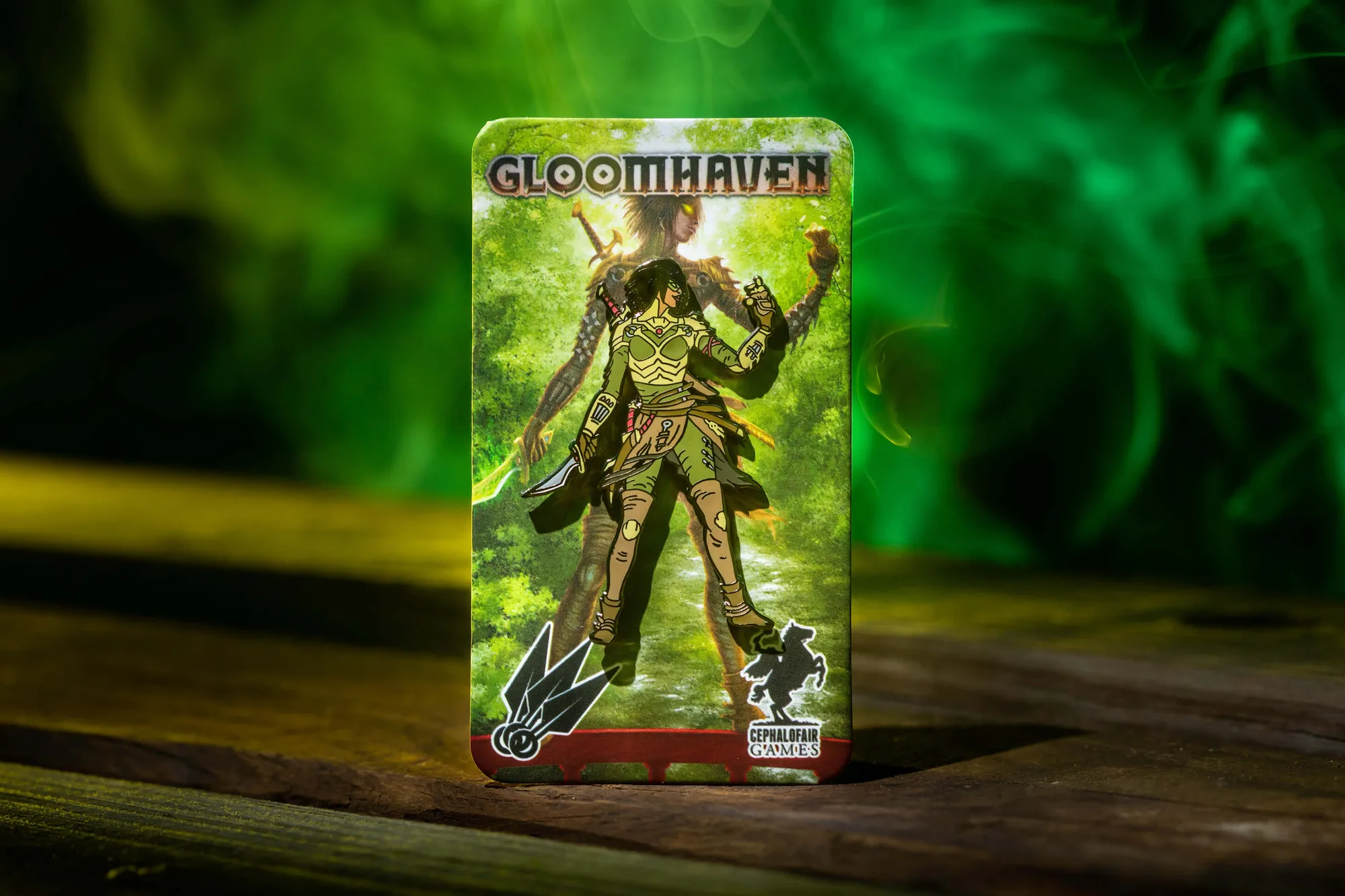
- Silent Knife Collectors Pin: 2-inch Collectors Pin by Cephalofair Games with high quality synthetic hard enamel, cast in black nickel, and rubber backing clasps. The 2-inch size fits a shallow felt-lined box, and the rubber clasp should be pulled straight off the post to avoid stretching it.
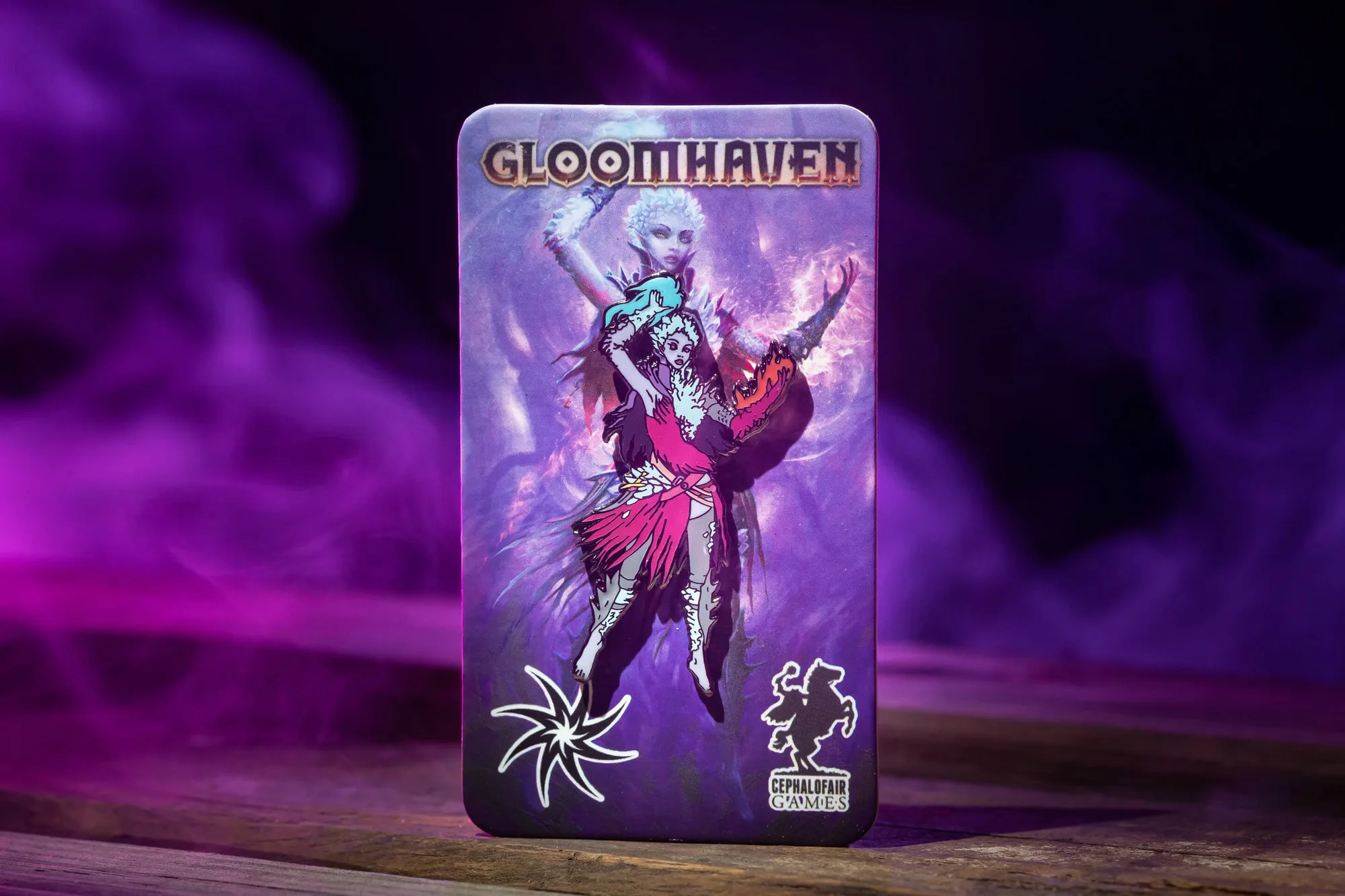
- Spellweaver Collectors Pin: 2-inch Collectors Pin by Cephalofair Games with high quality synthetic hard enamel, cast in black nickel, and rubber backing clasps. Same handling rules as other 2-inch pins, so you can store this alongside the Silent Knife pin without a separate compartment size.
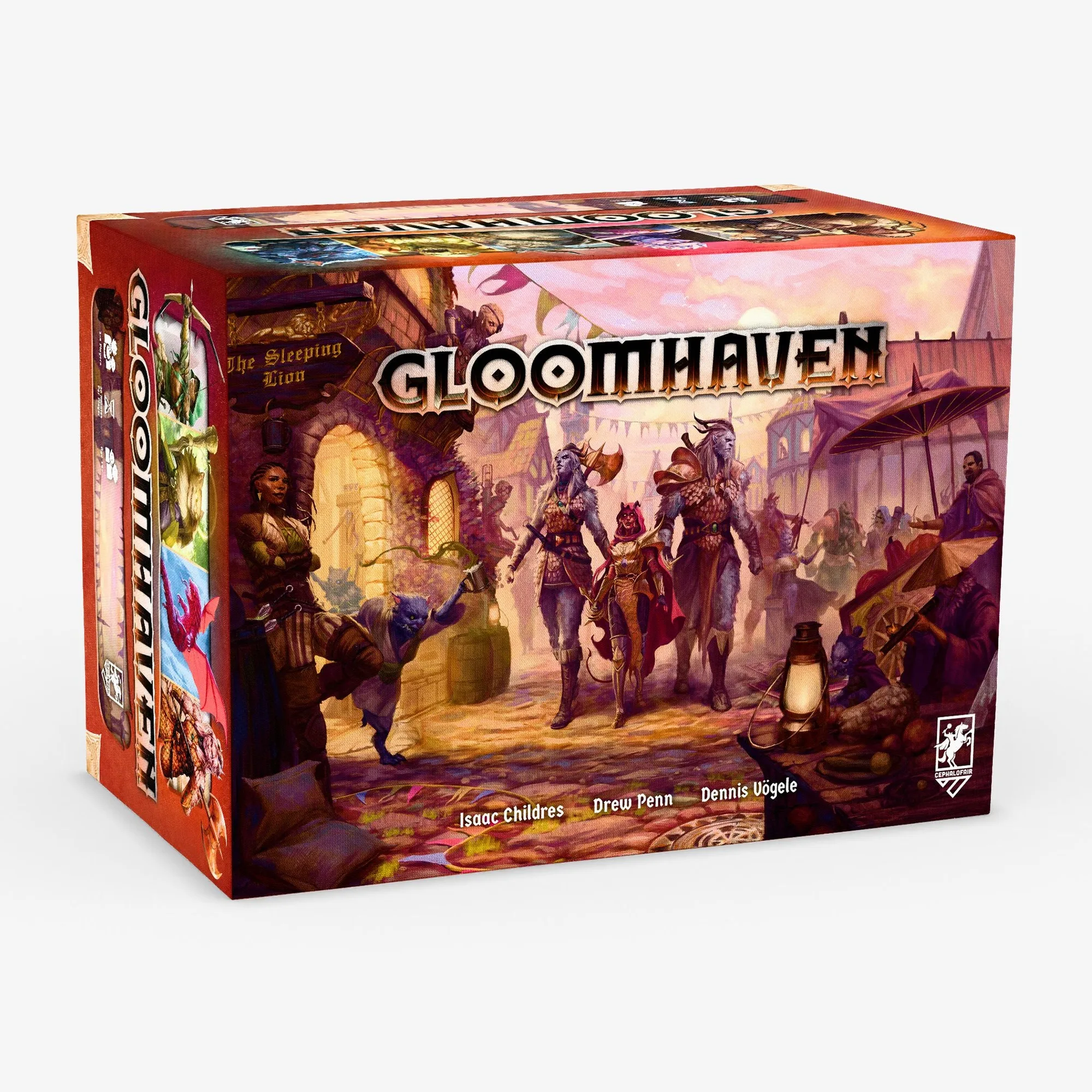
- Gloomhaven Collectors Pin Series #1: Full Gloomhaven Collectors Pin Series #1 with pins sized 1.5 to 2.5 inches each, high quality synthetic hard enamel, cast in black nickel, and rubber backing clasps. The mixed sizes mean the storage box must clear the 2.5-inch pin, so measure the tallest pin before choosing a case or divider height.