Quick answer
Store loose ReAction figures in a cool, dark, dry place inside acid-free bags or lined boxes, and display them behind glass or acrylic away from direct sunlight. Keep them out of hot attics and garages, and handle them by the torso, not the paint. This prevents dust buildup, UV fading, and the yellowing that can affect vintage-style plastic.
Why loose figures need different care than carded ones
Once a ReAction figure is out of its blister, the plastic and paint are fully exposed. Carded figures have a cardboard and plastic barrier that slows dust and light; loose figures do not. That means airborne dust, ultraviolet light, and heat are the three main threats. Dust is abrasive if you wipe it dry, UV breaks down pigments, and heat can warp joints or speed up discoloration. The steps below treat those risks in order, from short-term storage to long-term display.
Materials that are safe for loose figures
Use acid-free, archival-grade supplies. Polyethylene zip bags or small archival boxes are fine; avoid PVC bags, which can off-gas and stick to paint over time. For cushioning, use acid-free tissue or polyethylene foam, not newspaper or bubble wrap that can leave imprints. A soft, clean makeup brush or camera lens blower removes dust without scratching. If you display on a shelf, a glass or acrylic case or a closed cabinet door is the single most effective dust barrier.
Handling rules that prevent paint rub
Pick up a figure by the torso or legs, not by the head or any painted detail. ReAction figures are articulated, so support the limbs when moving them; forcing a stiff joint can crack the plastic. Wash and dry your hands before handling, and avoid lotions or oils that can transfer to the surface. If a figure has a cape or staff, remove or support those accessories before moving the figure to avoid stress on the grip.
When to keep the original packaging
If you might sell or trade later, keep the card back and blister in a flat, dry place even if you display the figure loose. The packaging is not a substitute for a display case, but it adds value and protects the figure during moves. For figures you plan to keep loose permanently, recycling the card is fine, but note that some collectors later want the bio card or file card. There is no single right answer; decide before you discard anything.
Step-by-step storage and display routine
- 1. Sort and inspect before storing: Lay figures on a clean, soft cloth. Check for loose joints, sticky residue, or existing dust. Separate any figure with a strong odor or tacky surface from the rest, as that can indicate plasticizer migration. Common mistake: storing a figure while it is still dirty, which grinds dust into the paint. Checkpoint: every figure should be clean and dry before it goes into a bag or box.
- 2. Clean with air first, then a soft brush: Use a camera lens blower or compressed air held at a distance to remove loose dust. For stubborn dust, use a dry, soft makeup brush with light strokes. Never use water, alcohol, or household cleaners on painted plastic. Common mistake: wiping with a paper towel or dry cloth, which can scratch. Checkpoint: no visible dust in crevices or on flat paint areas.
- 3. Bag or box for storage: Place each figure in its own acid-free polyethylene bag, or line a rigid box with acid-free tissue. Keep accessories in a separate small bag so they do not rub against the figure. Do not seal tightly; allow a little air exchange to avoid trapped moisture. Common mistake: using PVC bags or rubber bands, which can leave marks. Checkpoint: bags are archival and not stretched tight.
- 4. Choose a stable storage location: Store in a cool, dark, dry area with steady temperature, ideally below 75°F and away from exterior walls. Avoid attics, garages, basements, and sheds where heat and humidity swing. Keep boxes off concrete floors. Common mistake: using a garage or attic because it is convenient. Checkpoint: the spot stays dry and does not get hot to the touch.
- 5. Set up display away from UV and heat: Display behind glass or acrylic, or in a closed cabinet. Keep shelves out of direct sun and away from halogen or incandescent lamps. If you use LED lighting, keep it at least a few inches from the figures. Common mistake: placing figures on a sunny windowsill. Checkpoint: no direct sunlight reaches the figures at any time of day.
- 6. Dust and rotate on a schedule: Every one to three months, use the blower and soft brush to remove dust from displayed figures. Rotate which figures are on open shelves and which are stored, so no single piece is exposed year-round. Common mistake: waiting until dust is visible, when it has already bonded. Checkpoint: a quick monthly check keeps dust from building up.
- 7. Watch for early yellowing and act: Compare white or light-colored plastic areas against a known-clean reference. If you see yellowing, move the figure to dark storage immediately to slow further change. Do not use hydrogen peroxide or retrobright methods on painted ReAction figures without testing on a hidden area. Common mistake: assuming yellowing is only dirt and scrubbing it. Checkpoint: isolate any yellowing figure from the rest and document its condition.
ReAction figures built for handling and display
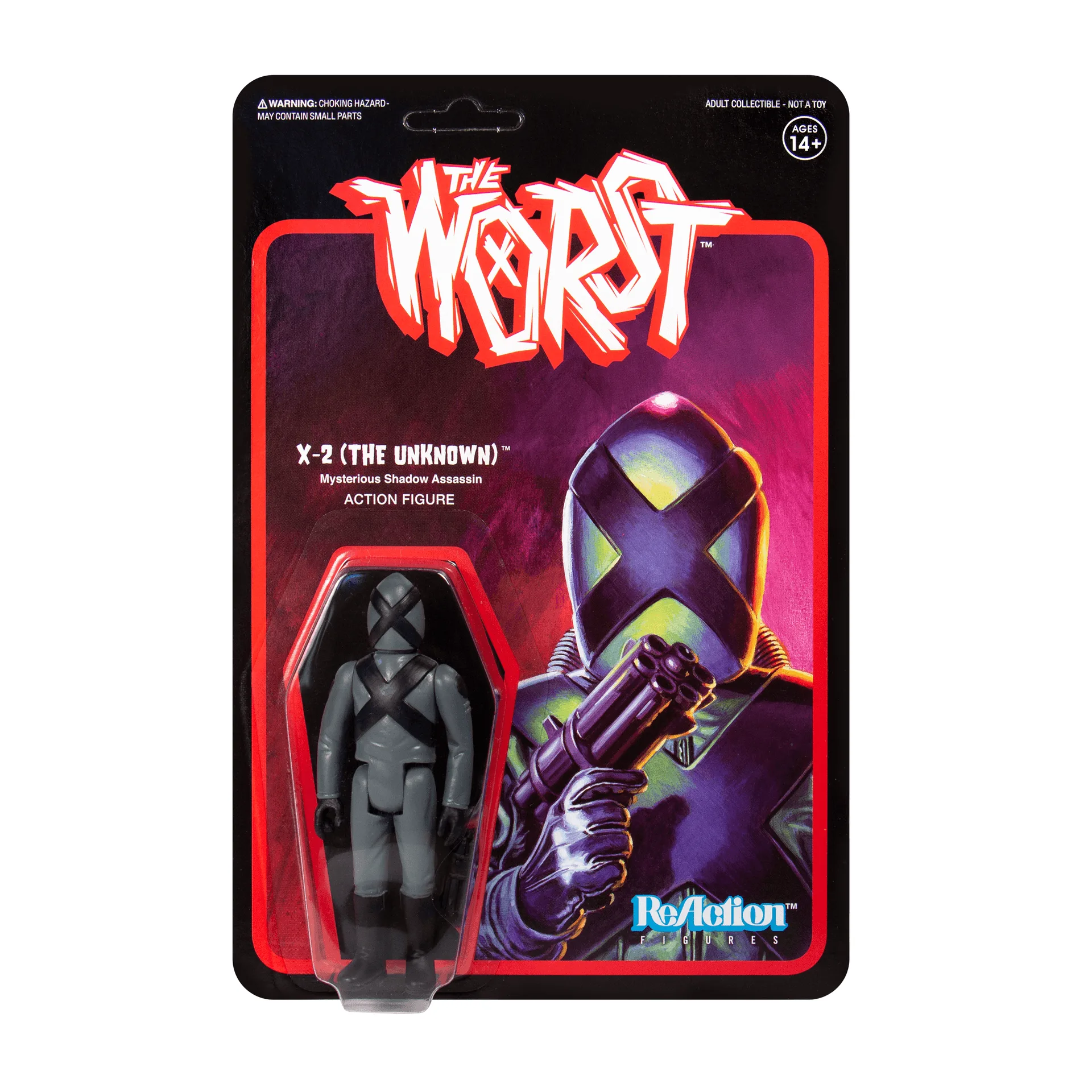
- The Worst ReAction Figure - X-2 (The Unknown) Wide Release Color: The Worst ReAction Figure - X-2 (The Unknown) is a 3.75-inch articulated figure with a wide-release color scheme. Its small size fits standard archival bags and narrow shelf space, and the articulated joints mean you should support limbs when posing to avoid stress.
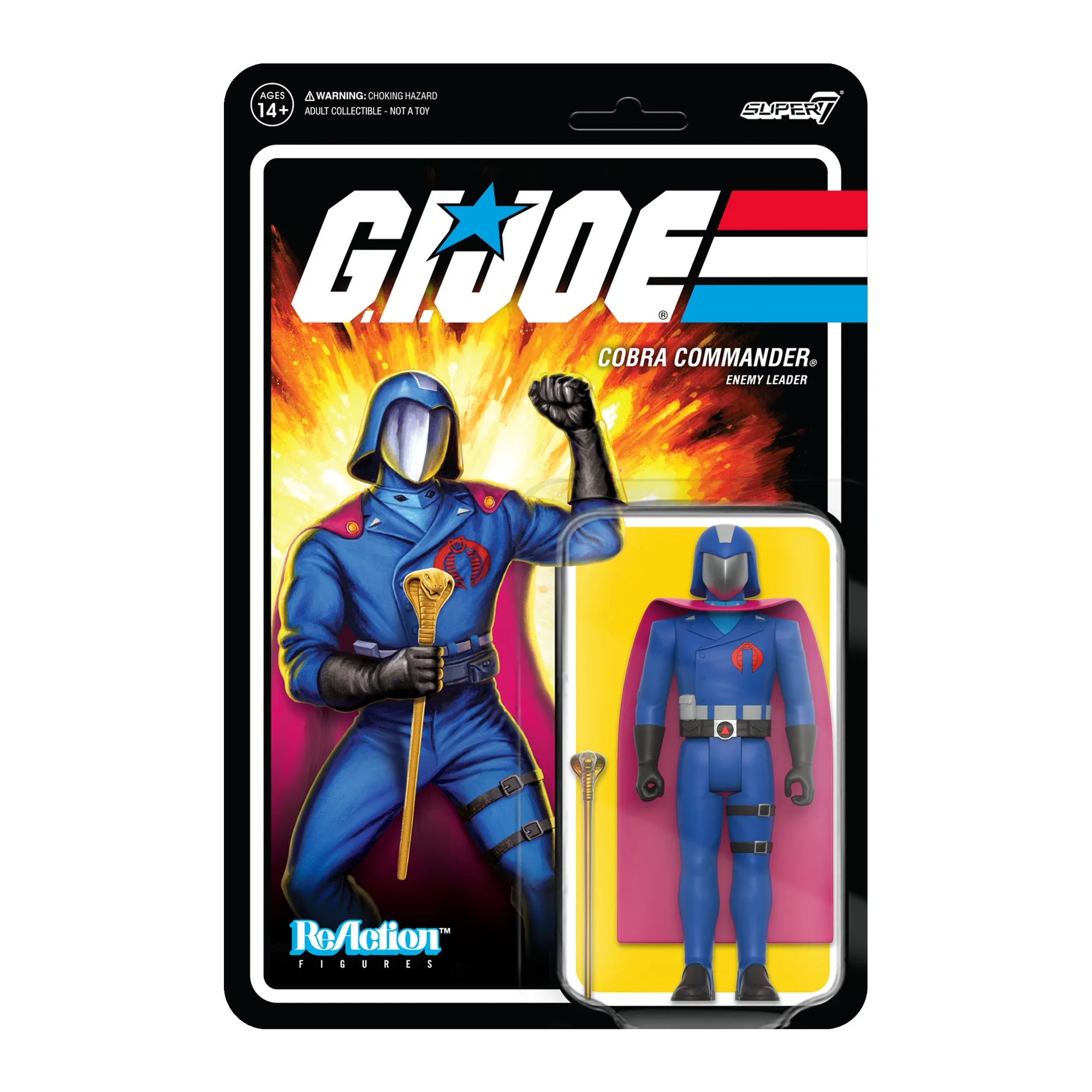
- G.I. Joe ReAction Wave 4 - Cobra Commander (Cape & Scepter): G.I. Joe ReAction Wave 4 - Cobra Commander (Cape & Scepter) includes a cape and serpent staff accessory. The cape can trap dust and crease if stored loosely; store it flat or draped over the figure in a case, and remove the staff before moving the figure to avoid grip stress.
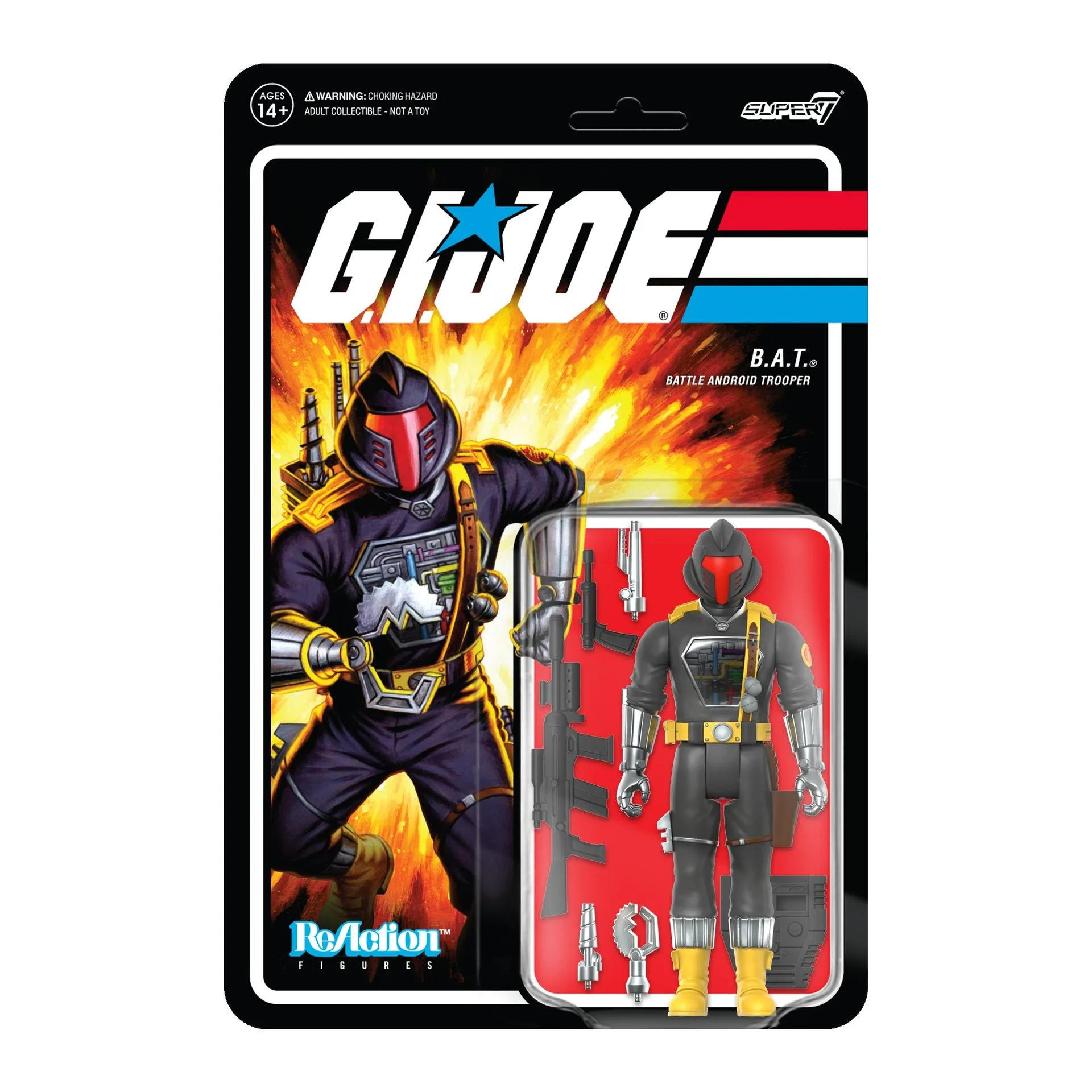
- G.I. Joe ReAction Wave 4 - Cobra B.A.T.: G.I. Joe ReAction Wave 4 - Cobra B.A.T. comes with multiple weapon and arm attachment accessories. Small accessories are easy to lose and can scratch paint if jumbled together; keep them in a separate labeled bag or compartment.