Quick answer
To keep stuffed animals dust-free, limit open-air display to a few favorites, enclose the rest in breathable bins or cases, and clean surfaces weekly. Rotate plush toys every few months so no item sits exposed long enough to collect a visible layer of dust.
Match the storage method to how often you handle the plush
Plush toys that get picked up daily belong on open shelves where you can reach them. Items you touch once a month or less should live in closed storage. This one decision prevents most dust problems before they start. A common mistake is treating every plush the same, which either buries favorites or leaves keepsakes exposed.
- Daily handling: open shelf, dusted weekly
- Monthly handling: lidded bin or zippered case, checked monthly
- Seasonal or archival: breathable storage bag inside a lidded bin, checked quarterly
Choose shelf materials and placement that reduce dust
Smooth, non-porous shelf surfaces such as sealed wood, glass, or metal wipe clean faster than unfinished particleboard or fabric-covered shelves. Keep shelves away from open windows, air vents, and high-traffic doorways, where airborne dust settles most. If you use wall shelves, add a small lip or rail so plush toys do not slide off during cleaning.
Clean plush toys without soaking or shrinking them
Surface clean most plush with a soft brush or a vacuum upholstery attachment on low suction. For deeper cleaning, spot-treat with a barely damp cloth and mild soap, then air-dry fully before returning the item to display. Never machine-wash a plush toy unless its care label explicitly allows it, and never put plush in a hot dryer.
Use breathable enclosures for long-term anime plush storage
Cotton storage bags and acid-free tissue let air circulate while blocking settled dust. Avoid sealed plastic bags for anything stored longer than a few weeks, because trapped moisture can cause mildew or musty odors. If you use plastic bins, leave the lid slightly ajar or add silica packets, and check them every three months.
Keep small collectible plush and earphone cases dust-free together
Small plush items and silicone earphone cases collect dust in the same crevices, so clean them in one pass. A dedicated tray or shallow box keeps these small pieces contained while you wipe them down, and prevents them from rolling behind furniture where dust and pet hair gather.
Your dust-free plush routine, step by step
- Sort plush by handling frequency: Divide your collection into daily, monthly, and seasonal groups. Put daily items on open shelves and the rest into closed or breathable storage. Common mistake: leaving everything on open display because it looks nice, which guarantees dust on items you never touch. Checkpoint: if you have not picked it up in a month, it belongs in closed storage.
- Wipe shelves before placing anything back: Use a microfiber cloth slightly dampened with water to wipe shelf surfaces, then let them dry completely. Dust the shelf edges and the wall behind the shelf, where dust accumulates out of sight. Common mistake: dusting the plush but not the shelf, so dust settles back onto the toys within days. Checkpoint: run a finger along the back edge. If it comes away gray, wipe again.
- Dust each plush with a soft brush or low-suction vacuum: Work from top to bottom with a soft brush or an upholstery attachment on the lowest suction setting. Pay attention to ears, tails, and seams where dust packs in. Common mistake: using high suction, which can pull fibers and distort the plush shape. Checkpoint: hold the nozzle an inch away from the surface rather than pressing it into the fabric.
- Spot-clean stains immediately with minimal moisture: Dab, do not rub, with a barely damp cloth and a drop of mild soap. Blot dry with a clean towel and let the item air-dry fully before returning it to the shelf. Common mistake: soaking the plush or drying it with heat, which can shrink fibers or leave a watermark. Checkpoint: if the fabric feels damp after blotting, wait another hour before displaying.
- Move seasonal plush into breathable storage: Place items in cotton bags or acid-free tissue inside a lidded bin. Add a silica packet if the storage area is humid, and keep the bin off the floor and away from exterior walls. Common mistake: sealing plush in plastic bags, which traps moisture and can cause mildew. Checkpoint: open each bin every three months to check for odors or moisture.
- Rotate your display every season: Swap out which plush toys are on open shelves so no single item stays exposed year-round. Clean the shelf and the incoming items during the swap. Common mistake: rotating without cleaning, which moves dust from storage onto the display shelf. Checkpoint: set a recurring calendar reminder so rotation actually happens.
Products that fit this routine
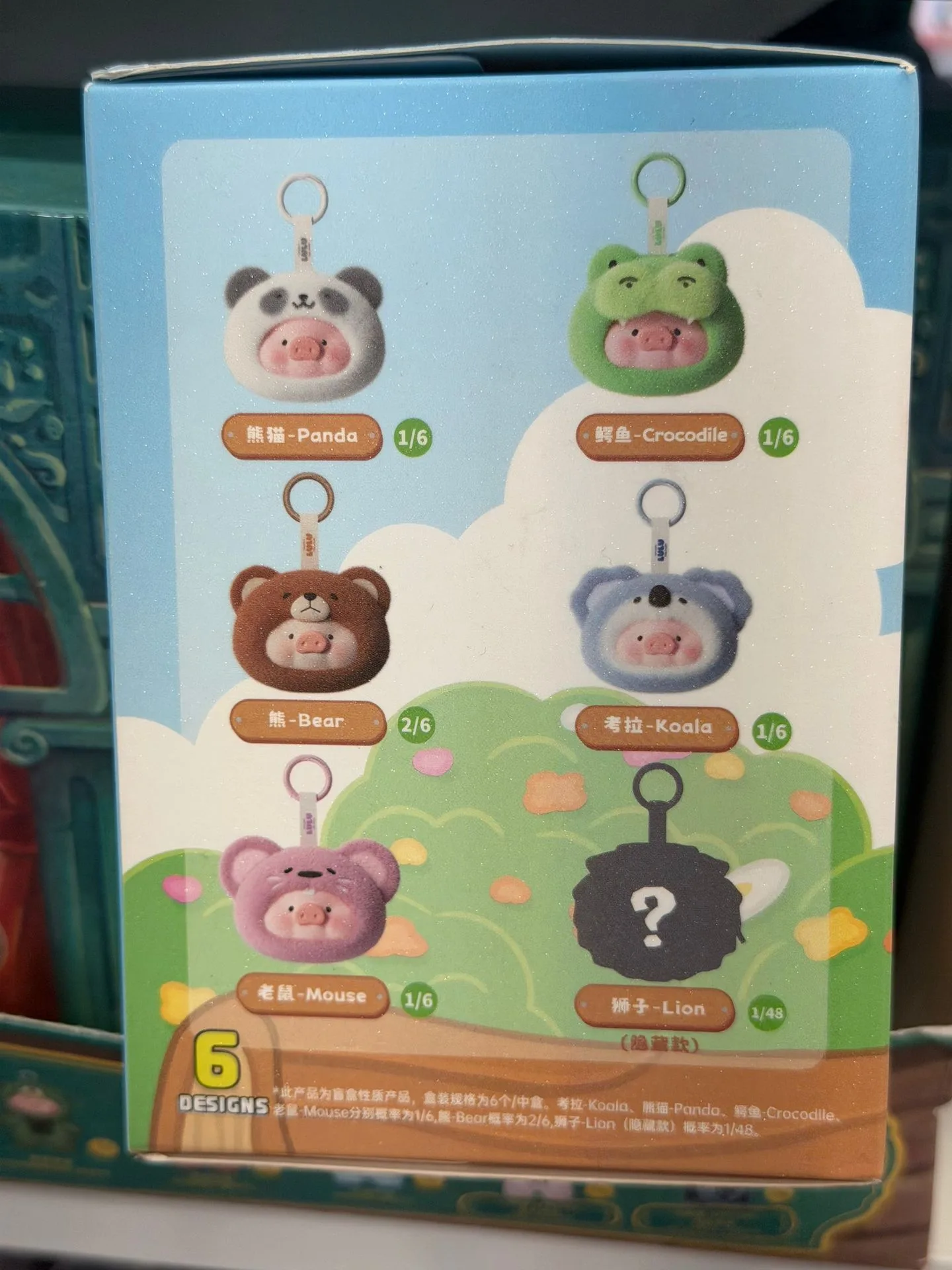
- 01138 LULU THE PIGGY Animal Party Series Plush Silicone Earphone Bag Blind Box: The 01138 LULU THE PIGGY Animal Party Series Plush Silicone Earphone Bag Blind Box combines a plush exterior with silicone construction and arrives in a blind box format. The plush surface needs the same dust routine as other plush toys, while the silicone portion can be wiped clean with a damp cloth. Its small size makes it a good candidate for a shallow tray or lidded case.
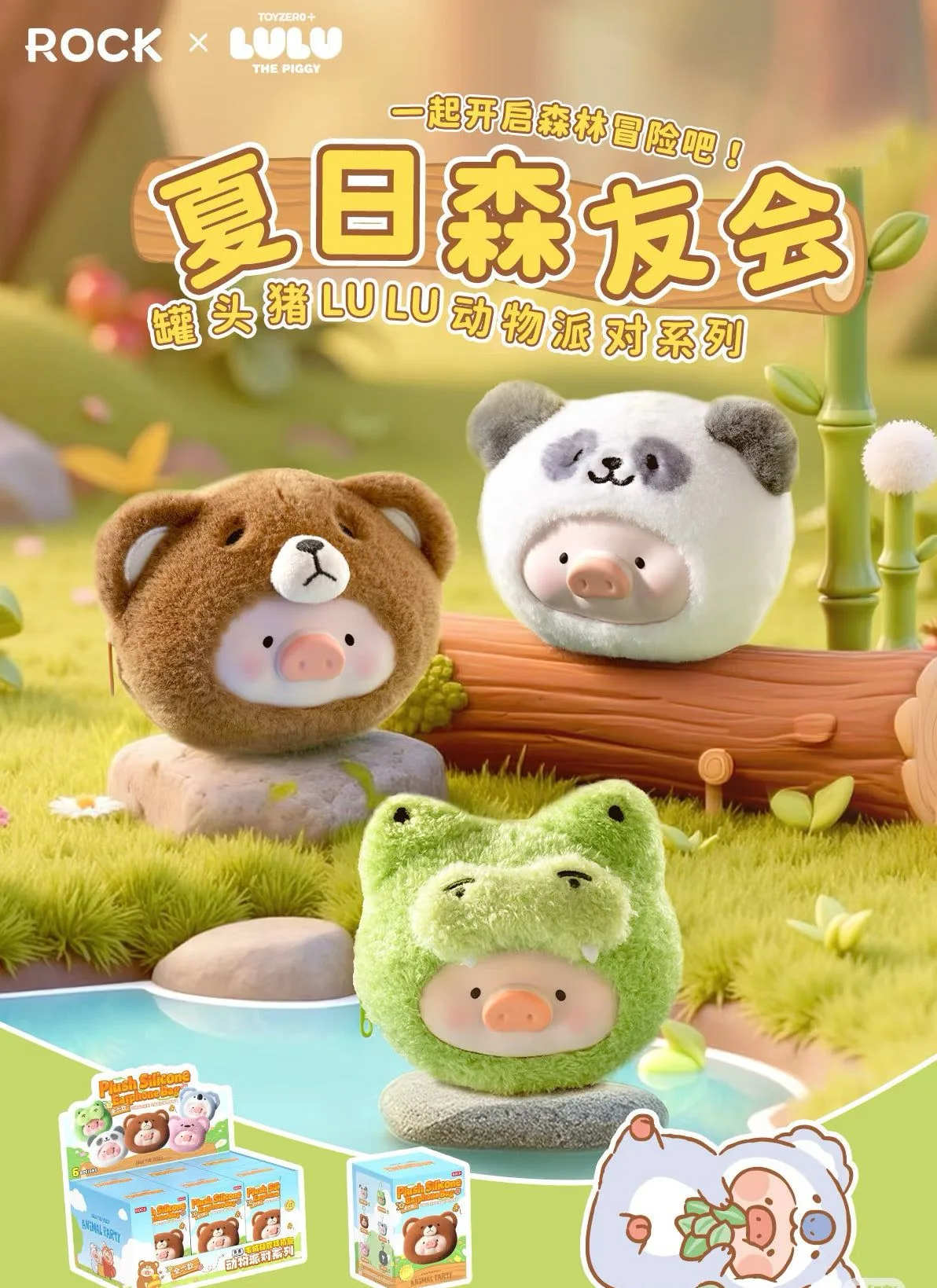
01138 LULU THE PIGGY Animal Party Series Plush Silicone Earphone Bag Blind Box
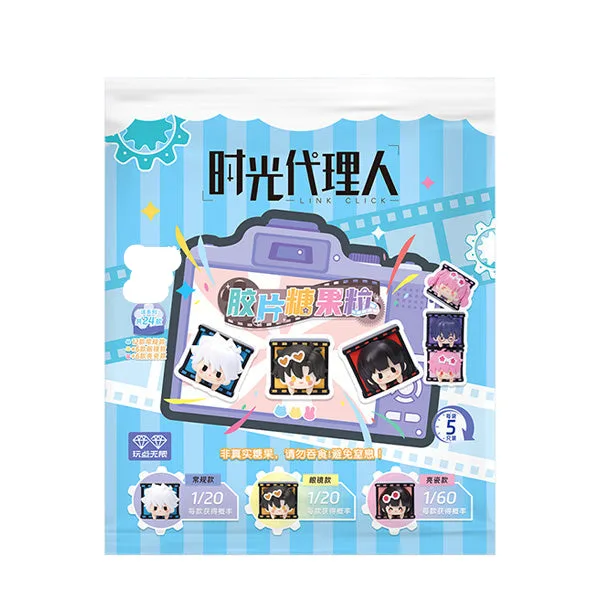
- 44307 Link Click Mini Ornaments Blind Box: The 44307 Link Click Mini Ornaments Blind Box contains mini ornament figures inspired by the Link Click series, sold in a blind box format. Mini ornaments are small enough to disappear into shelf clutter, so keep them in a shallow tray or case where you can dust them without losing pieces.