Quick answer
Store each complete costume as a kit: one labeled bin or garment bag per outfit, with small accessories in a mesh pouch clipped to the hanger or tucked inside the same bin. Keep the system at child height so kids can put pieces back without help. This single rule prevents most missing wands, hats, and dress pieces.
Choose a storage format that matches how your child plays
The right container depends on whether your child grabs one full costume or mixes pieces. If they usually wear one character at a time, a garment bag or a labeled bin per costume works best. If they build new combinations every day, use a shared dress-up box with clear dividers for hats, wands, and dresses so pieces stay visible and easy to return.
Avoid deep, dark toy chests. When children cannot see what is inside, they pull everything out to find one item, which is how small accessories get separated from their sets.
Set up zones for hats, wands, and dresses
Give each accessory type a home. A small hook or shelf for headgear, a cup or jar for wands, and a short hanging rod for dresses keep items from tangling. Label each zone with a word or a simple picture so pre-readers can match the item to the spot.
Keep the zones low enough that a four-year-old can reach them without climbing. Storage that requires adult help will not survive a normal play session.
Use one-in, one-out during play
Before a new costume comes out, the previous one goes back in its bin or bag. This habit stops the floor pile that swallows small pieces. It also makes clean-up a two-minute task instead of a chore.
If your child resists, turn it into a game: the wand must return to its cup before the next wand can be chosen.
7 steps to a costume storage system that stays organized
- 1. Sort every costume into complete sets: Lay out each outfit with its hat, wand, and any other pieces. If something is missing, check under beds and in toy bins before you store the rest. Checkpoint: every set should have its main piece plus at least one accessory.
- 2. Pick one container per costume or one shared box: Use a clear bin, a garment bag, or a labeled box. For shared storage, add dividers so hats, wands, and dresses each have a zone. Mistake to avoid: choosing a container that is too deep for small hands to reach the bottom.
- 3. Label each container with a word or picture: Write the costume name or tape a photo of the outfit on the bin. For pre-readers, a simple drawing of a hat or wand works. Checkpoint: your child can point to the right bin without your help.
- 4. Give small accessories a clip or pouch: Attach a mesh pouch to the hanger or inside the bin lid for wands, jewelry, and other tiny pieces. This keeps them from falling to the bottom of a toy box. Mistake to avoid: tossing loose accessories into a bin where they get buried.
- 5. Place storage at child height: Install a low rod, shelf, or hooks so kids can hang up dresses and put hats away themselves. If they need a stool, the system will fail on busy days. Checkpoint: a four-year-old can reach the rod and the wand cup without climbing.
- 6. Run a two-minute reset after each play session: Set a timer and have your child return each piece to its labeled spot. Do a quick scan for stray wands or hats before moving on. Mistake to avoid: waiting until the end of the week to tidy up, when pieces have already scattered.
- 7. Do a monthly piece check: Once a month, open each bin and confirm that sets are still complete. Reunite any orphaned accessories with their costume or retire them. Next step: if pieces keep going missing, simplify by reducing the number of costumes in rotation.
Products that fit this storage system
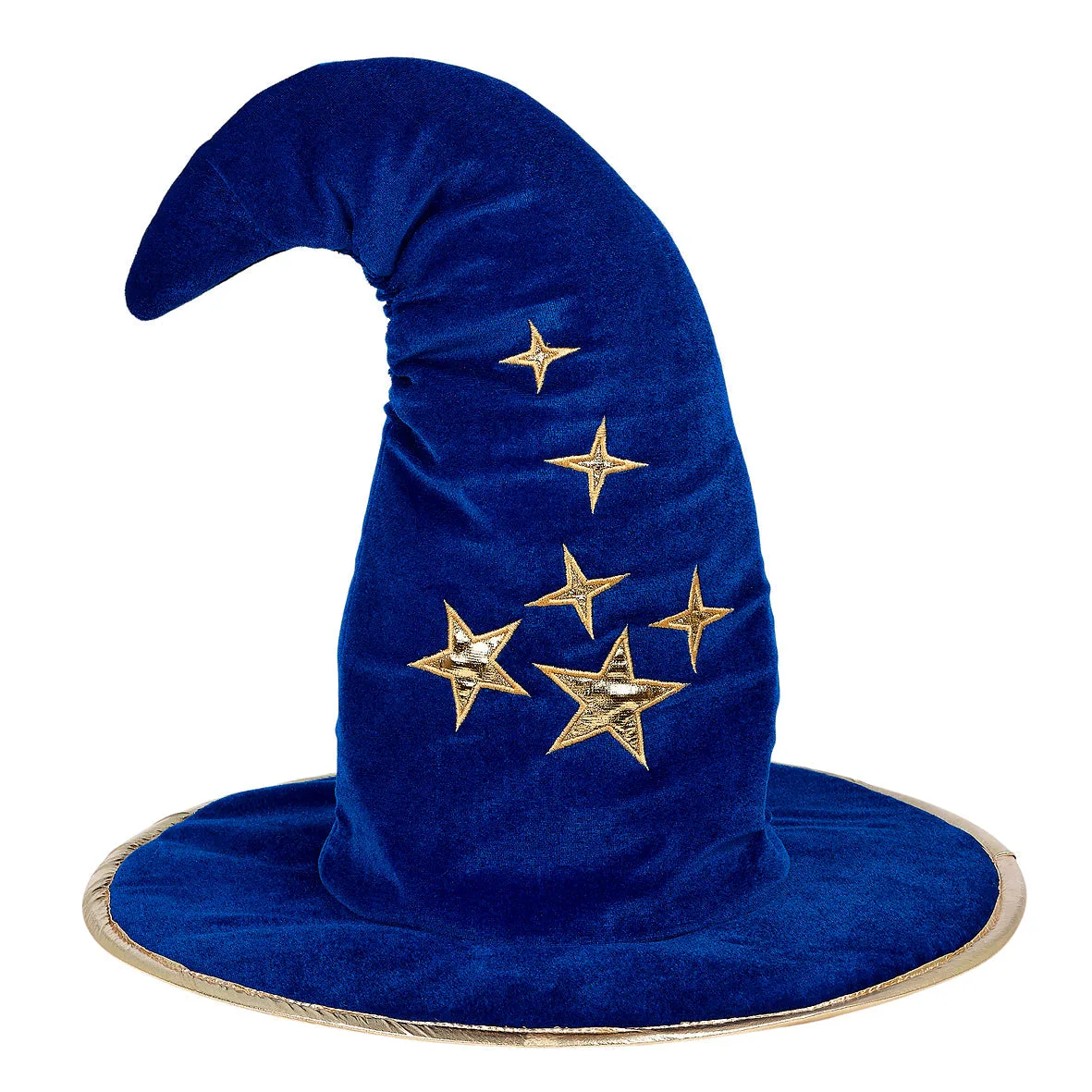
- Wilfred Magician Hat - Costume Accessory for Kids - Carnival & Festive Use: The Wilfred Magician Hat is made of navy-blue velvet with a wire-lined brim and six star appliqués, and fits most kids aged about 4–8. The structured brim can lose its shape if crushed, so store this hat on a hook or shelf rather than at the bottom of a bin.
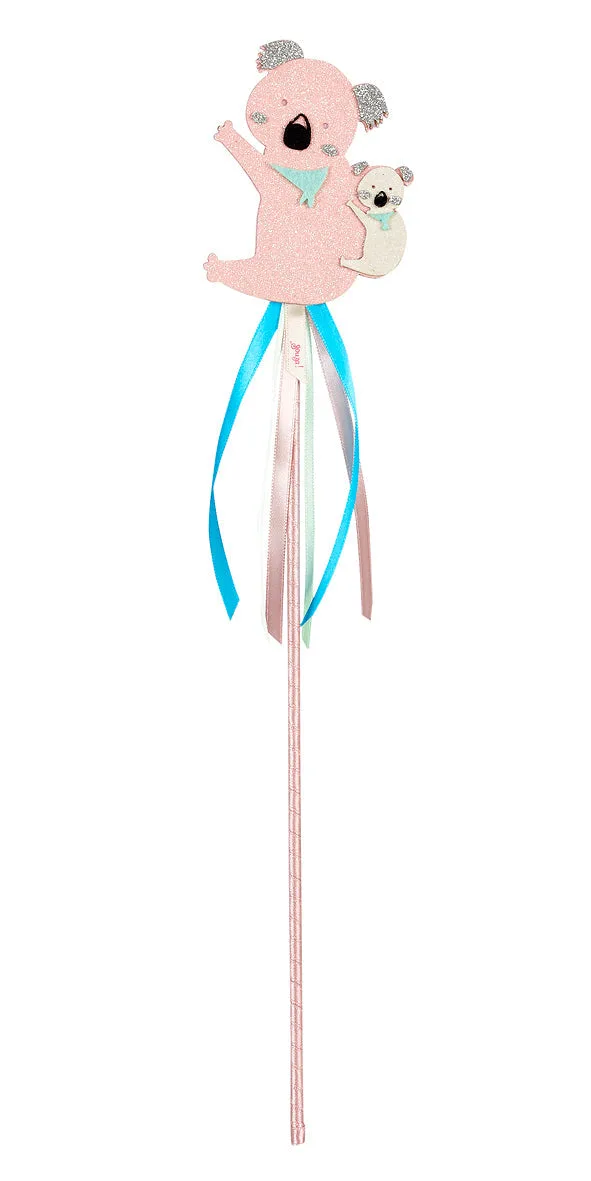
- Koala wand - Costume Accessory for Kids - Carnival & Festive Use: The Koala wand is a plush toy that doubles as a wand. Because it is soft and small, it is the type of accessory that disappears easily; a dedicated wand cup or mesh pouch keeps it with the rest of the costume.
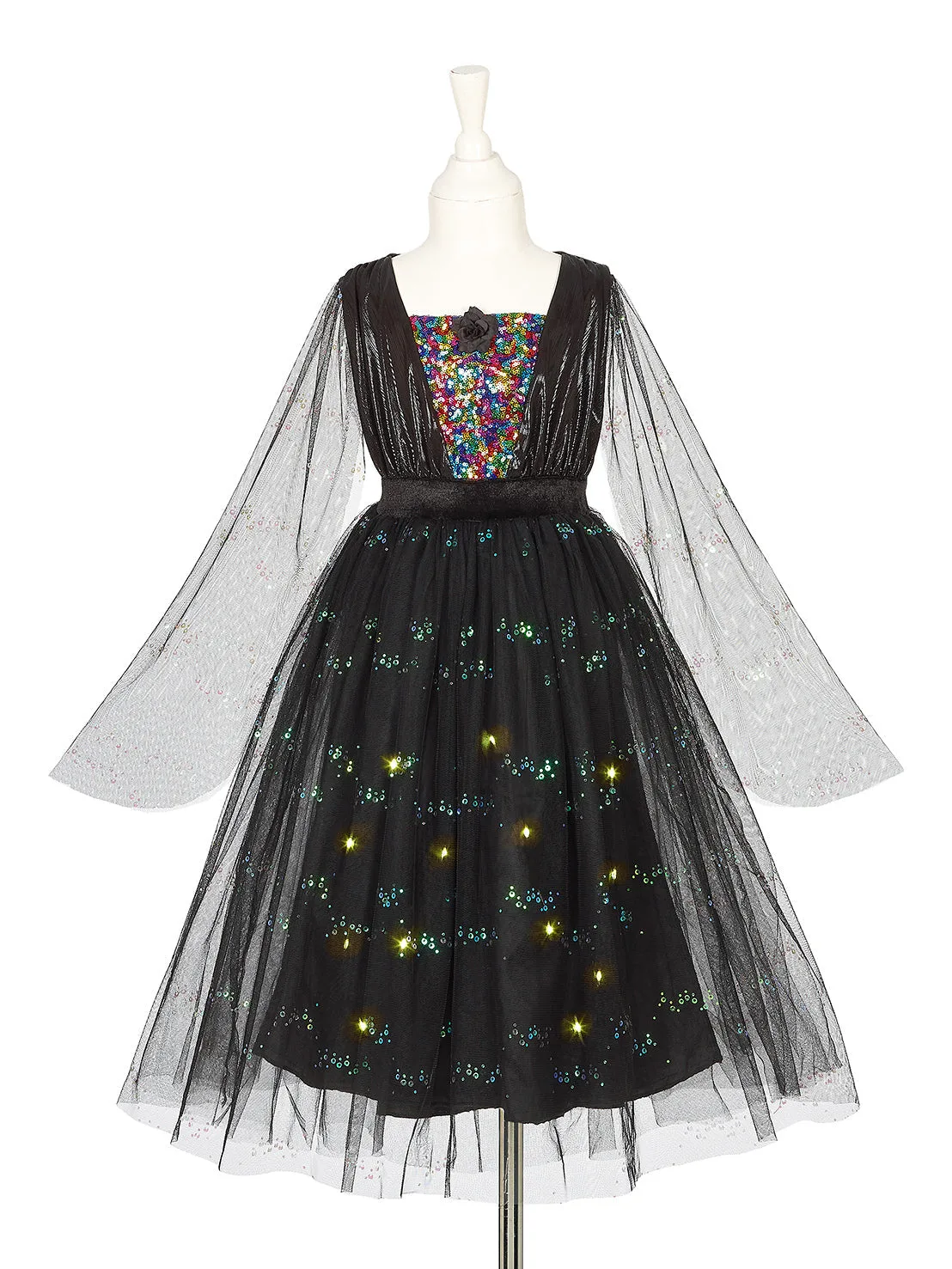
- Agatha Costume Dress Carnival & Festive Use (2 Sizes): The Agatha Costume Dress comes in two sizes and features hidden details for a starry-night look. Hanging the dress on a child-height rod prevents wrinkles and keeps it ready to wear, instead of folded into a crowded bin.