Quick answer
Store fabric rolled or folded in a cool, dry, dark place, keep it off concrete floors, and separate metal hardware from fabric so rust and snags can't spread. Check your stash every few months for moisture, pests, and creases before they become permanent.
Good storage is the difference between pulling out a clean cut of fabric and discovering a faded fold line, a rust ring, or a moth nibble. Bag makers work with a mix of materials — coated canvas, ripstop, linen-backed vinyl, metal grommets, and zipper tape — and each one fails in a different way when it's stored badly.
This guide walks through a simple order of operations you can set up in a closet, a shelf unit, or a dedicated sewing room. You don't need a perfect studio; you need dry air, darkness, a little separation, and a habit of checking in.
Step 1: Pick a spot that stays dry and dark
Fabric fades and coated backings degrade faster with UV exposure and humidity swings, so the best storage spot is a closet or cabinet away from windows, heating vents, and exterior walls. Basements and garages can work if you use sealed bins and a dehumidifier, but they're the riskiest choice for natural fibers and coated fabrics.
Aim for stable temperature and low humidity rather than a specific number. If a room smells musty or feels damp on a rainy day, it's not the right home for long-term fabric storage.
- Checkpoint: put a cheap hygrometer in your storage area and watch it for a week before committing your stash to that space.
Step 2: Get everything off the floor and away from concrete
Concrete wicks moisture and can transfer it into the bottom layer of a fabric stack. Use shelving, wire racks, or lidded bins raised on a pallet or shelf. If you must stack on the floor temporarily, put a moisture barrier underneath and don't leave it there for months.
This matters most for coated and backed fabrics, where trapped moisture between layers can cause sticking, mildew, or a musty smell that's hard to remove.
- Checkpoint: if the bottom of a bin feels cool or damp, move the whole bin up a level and add a desiccant pack.
Step 3: Decide what gets rolled and what gets folded
Rolling is gentler on coated fabrics, vinyl-backed linen, and anything prone to sharp creases. Folded fabric is easier to stack and label, but long-term folds in stiff or coated material can become permanent lines that show up in finished bags.
A practical compromise: roll coated, backed, and heavy fabrics around a cardboard tube or pool noodle, and fold stable wovens like quilting cotton or ripstop into uniform stacks. If you fold, refold along different lines every few months.
- Checkpoint: if a fold line won't relax with a light press, that fabric should be stored rolled from then on.
Step 4: Separate metal hardware from fabric
Grommets, zipper pulls, snaps, and strap ends can rust or leave dark marks, especially in humid conditions. Keep metal hardware in its own small containers rather than loose in a fabric bin, and don't store it directly against fabric for months at a time.
Small parts also snag and puncture fabric. A divided organizer or a few small tins solves both problems and makes it obvious when you're running low.
- Checkpoint: any hardware that shows rust spots should be quarantined and never stored against fabric again.
Step 5: Protect against pests and dust
Natural fibers and blends can attract moths and carpet beetles, and dust settles into anything left open. Sealed bins, zippered storage bags, or garment bags cut down on both. Cedar and lavender are fine as a supplement, but they don't replace a sealed container.
If you store fabric in open shelving for the visual appeal, rotate it and dust the shelves regularly. Open storage is a display choice, not a preservation choice.
- Checkpoint: shake out and inspect folded stacks every few months; catch pest damage early before it spreads to the whole shelf.
Step 6: Label and inventory so you actually use what you have
Unlabeled fabric becomes mystery fabric, and mystery fabric becomes waste. Write the fiber content, yardage, and date on a tag or a strip of painter's tape, and note whether it's been prewashed. For small cuts and scraps, group by size or color in clear bins so you can see what's inside.
A simple running list — paper or digital — helps you avoid buying a third cut of the same color and reminds you what's waiting for a project.
- Checkpoint: if you can't identify a fabric's content or yardage, mark it as 'unknown' and use it for test pieces, not for a finished bag.
Storage setup checklist
- Choose the room: Pick a cool, dark, low-humidity space away from windows, vents, and exterior walls. Test it with a hygrometer for a week. If it smells musty, don't store fabric there long term.
- Raise everything off the floor: Use shelving or lidded bins on a pallet. Keep the lowest layer off bare concrete. Check bin bottoms for coolness or dampness every season.
- Roll coated and backed fabrics: Roll vinyl-backed linen, coated canvas, and stiff materials around tubes. Fold stable wovens into uniform stacks. Refold folded fabric along new lines every few months.
- Isolate metal hardware: Store grommets, zipper pulls, snaps, and strap ends in small tins or divided organizers, separate from fabric. Quarantine anything showing rust.
- Seal against pests and dust: Use sealed bins or zippered bags for natural fibers and blends. Dust and inspect open shelving regularly. Rotate and shake out folded stacks every few months.
- Label and inventory: Tag each piece with fiber content, yardage, and prewash status. Keep a simple running list of what you own. Unknown fabric becomes a test piece, not a finished bag.
Storage-friendly supplies worth knowing
- Hex Polyester Ripstop Golden Lemon 420D (Yard): Polyester ripstop 400D fabric, sold by the yard, described as durable, ultrathin, water-resistant, and suitable as either a lining or an exterior fabric. Ripstop's grid structure helps resist tearing, and its slick finish means it folds and rolls without clinging, so it stores well in a labeled bin or on a tube.
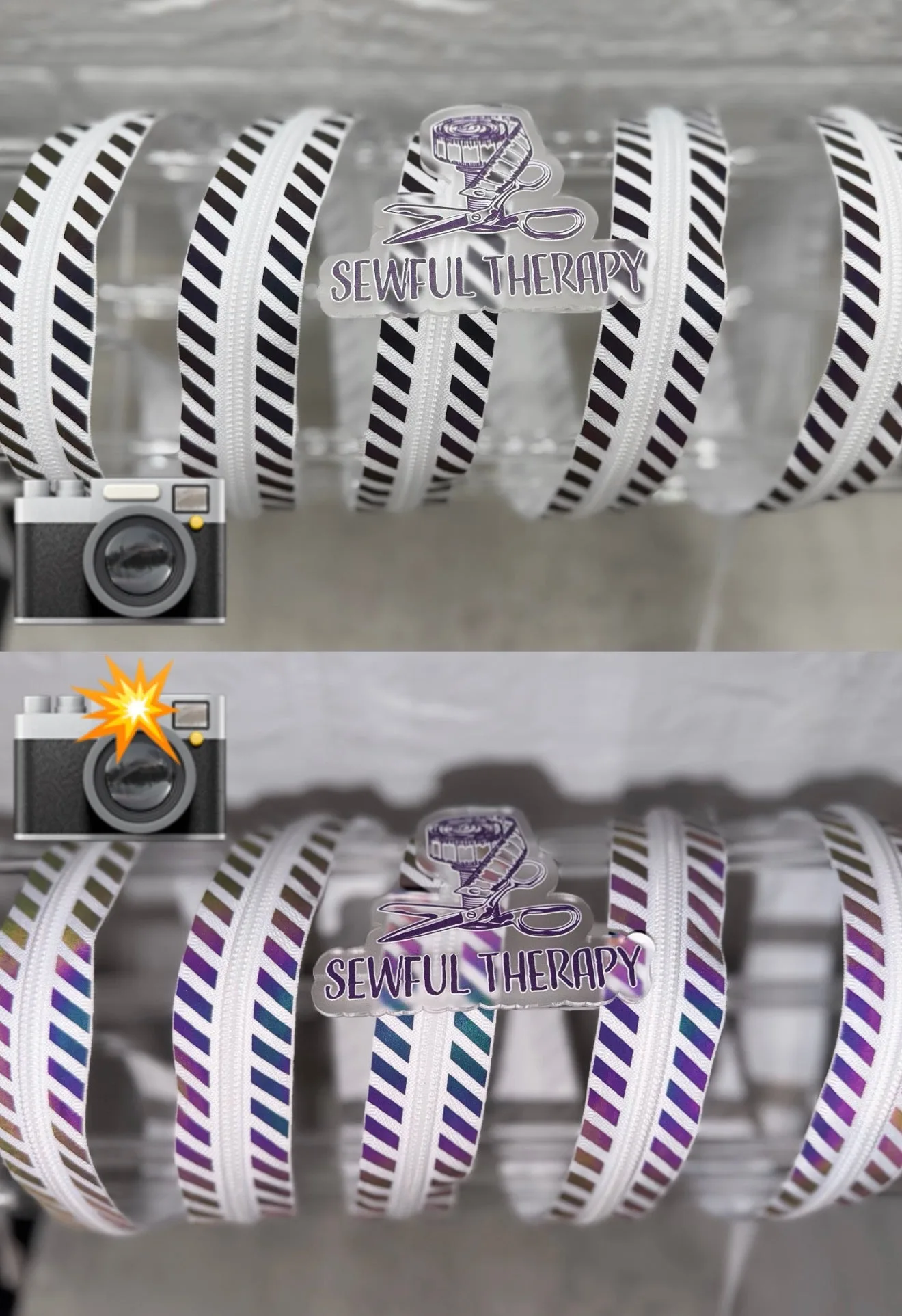
- Reflective White Diagonal Stripes #5 Zipper Tapes - 3 or 5 Yards Precut: Sold as precut 3-yard or 5-yard lengths. Precut zipper tape is easy to bundle and store flat without tangling, and keeping it in a labeled bag means you know exactly how much you have left.
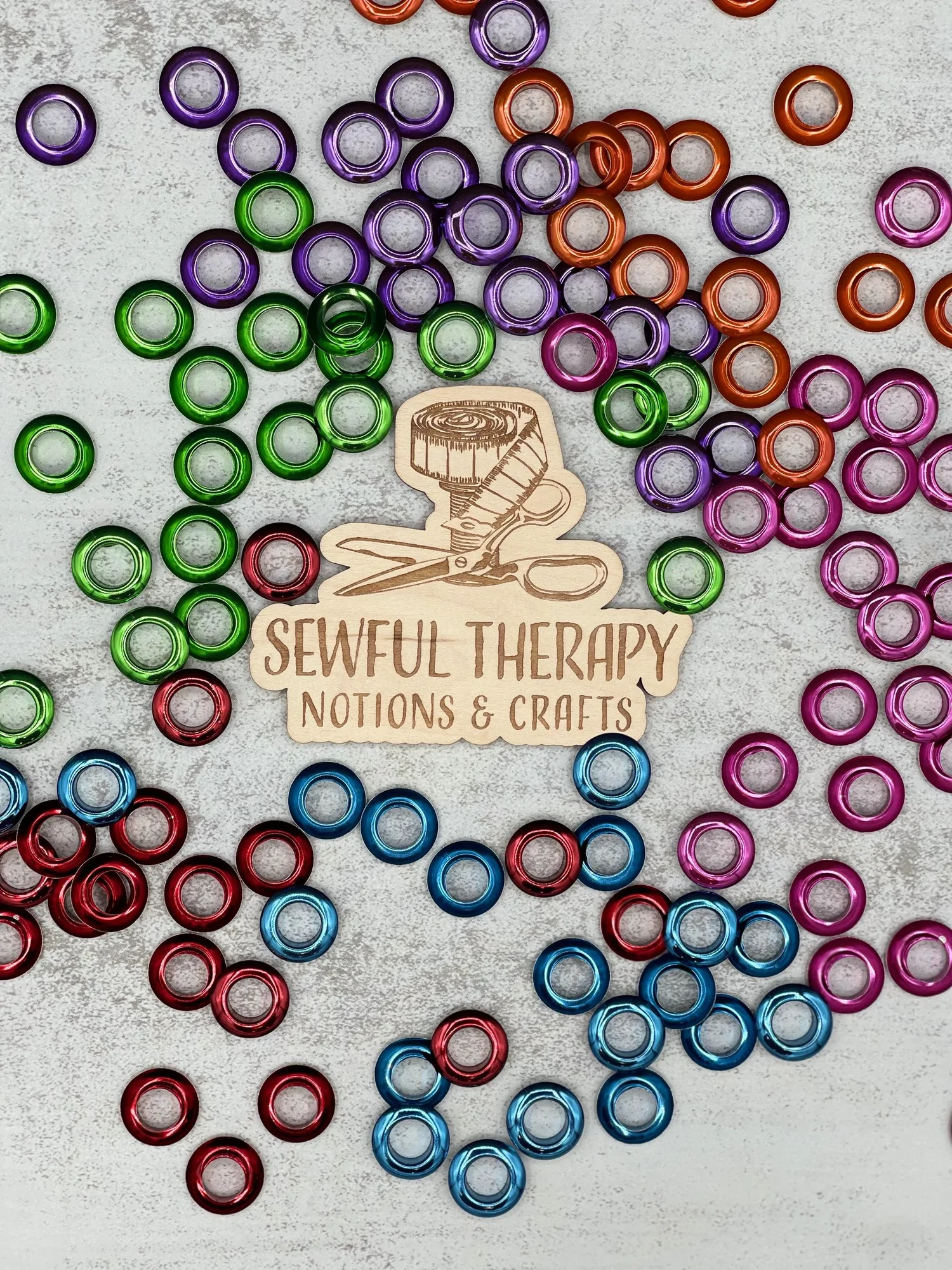
- Chroma: Die Press Grommets - 10mm, 16mm (Packs of 5): Inner diameter 10mm or 16mm, outer diameter 12mm or 18mm, sold in packs of 5, and they require corresponding grommet dies to set. Small metal parts like these belong in a closed tin or divided organizer, not loose in a fabric bin, so they can't rust against fabric or puncture a folded cut.
You don't need a perfect studio to keep fabric and supplies in good shape. Dry, dark, off the floor, separated, labeled, and checked a few times a year covers most of the risk — and it makes your stash easier to actually use.