Quick answer
Store fabric clean, dry, and out of direct sunlight in a cool room, folded or rolled to reduce creases, and protected from dust and pests. Sort by fiber and project so you can see what you own, and keep the most-used pieces at eye level. The exact bins or shelves matter less than consistent light, moisture, and pest control.
A fabric stash grows faster than most of us expect. The difference between a stash that inspires you and one that overwhelms you comes down to a few repeatable habits: how you prepare fabric before it goes away, what you store it in, and how you label it so you can find it again. This guide walks through a storage routine you can set up in an afternoon and maintain without re-sorting everything every season.
The goal is not a perfect sewing room. It is protecting the fabric you already paid for, keeping it clean enough to sew on short notice, and making your fabric storage ideas work for the way you actually cut and sew.
Start with clean, dry, prepped fabric
Before anything goes into storage, make sure it is clean, dry, and free of pins or loose threads. If you pre-wash fabric, finish that step first and dry it completely, because damp fabric folded into a bin can develop mildew and a musty smell that is hard to remove. Press or smooth each piece so it folds flat rather than holding the creases it arrived with.
This is also the moment to decide how much fabric you actually have. Measure or note the yardage on a small label. When you later need a half yard for binding, you will not have to unfold and re-measure the whole piece.
- Checkpoint: if fabric feels cool or damp, let it air dry longer before folding.
- Common mistake: storing fabric with the paper band still wrapped tightly around it, which traps moisture and leaves a permanent crease line.
Choose storage that blocks light and dust
Light is the quiet enemy of a fabric stash. Direct sun and even bright indirect light can fade printed cottons over months, so closed bins, drawers, or cabinets beat open shelving for long-term storage. If you love open shelves for the look, rotate the pieces you use most to the front and keep the rest in opaque containers.
Dust and pet hair settle into folded fabric, especially on shelves. Lidded bins, zippered bags, or a simple cotton pillowcase over a folded stack all reduce how often you need to re-wash before cutting. Avoid airtight plastic bags for long-term storage of natural fibers unless the fabric is bone dry and the room stays stable, because trapped moisture is worse than a little airflow.
- Clear bins make it easier to see what you have without opening every lid.
- Label the outside of each bin with fiber type and rough yardage so you can shop your stash first.
Fold or roll to prevent hard creases
Sharp creases are the most common complaint about stored fabric. Fold fabric into a shape that fits your bin without forcing it, and avoid stacking heavy pieces on top of delicate ones. For larger cuts, folding to a consistent width, roughly the size of a fat quarter or a little wider, keeps stacks even and makes them easy to flip through.
Rolling works well for fabric you plan to use soon, for knits that crease easily, and for long cuts like backing. A clean cardboard tube or a rolled-up piece of muslin inside the fold helps larger pieces hold their shape. Either method is fine, as long as you are consistent enough that you can pull one piece out without toppling the stack.
- Do not fold fabric along the same line every time you re-store it; shift the fold an inch or two to avoid a permanent crease.
- For 100% cotton like Blossom Barn Red by Christopher Thompson for Riley Blake Design, a flat fold in a lidded bin keeps the print face protected.
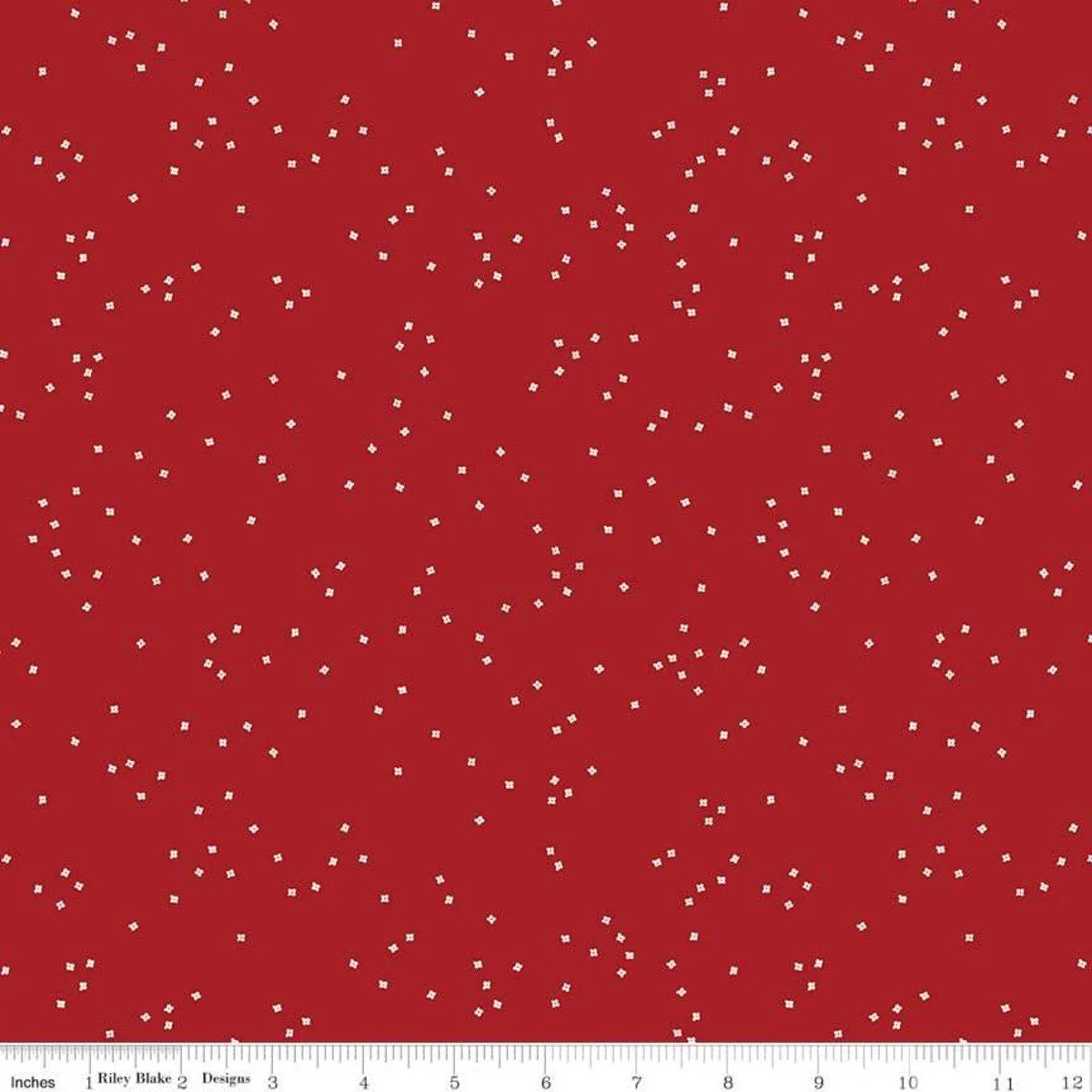
Blossom Barn Red by Christopher Thompson for Riley Blake Design
Sort by fiber, then by project
Sorting by fiber first makes care and storage decisions easier. Cottons, linens, and blends behave differently, and keeping them separate means you are not guessing later. Within each fiber group, sort by project or color family so a quilt idea stays together instead of scattering across three bins.
If you buy fabric for specific projects, a small project bin is one of the most useful fabric storage ideas you can adopt. Keep the pattern, the main fabric, and the coordinating pieces together. You will cut down on duplicate purchases and on the frustration of hunting for one print you know you own.
- A linen-cotton blend such as Shabby Chic Linen Red Quatrefoil (18-154) by Stof Fabrics stores best with other blends, away from heavy piles that press creases into the weave.
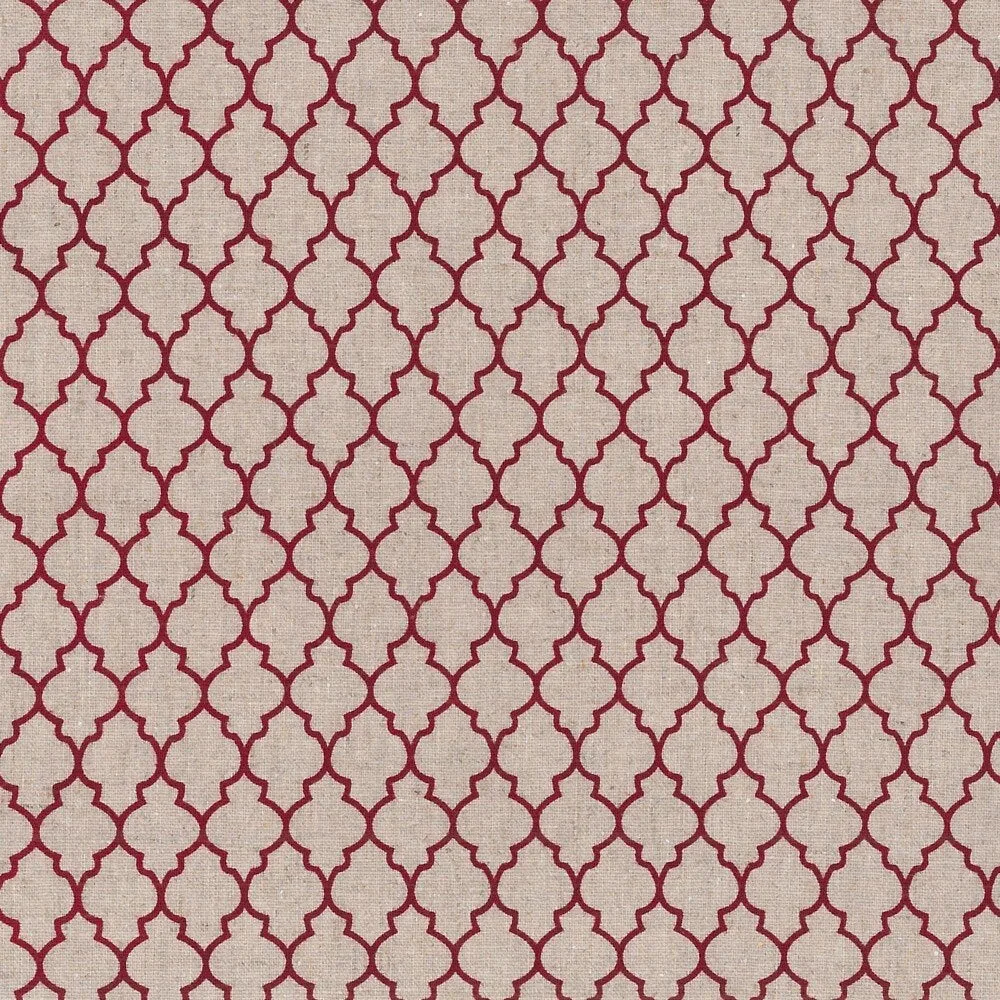
Shabby Chic Linen Red Quatrefoil (18-154) by Stof Fabrics
- Snap a photo of each project bin and keep it on your phone for quick reference while shopping.
Control moisture, heat, and pests
A cool, dry, dark spot is the ideal home for a fabric stash. Avoid attics, garages, and damp basements where temperature swings and humidity do the most damage. If your sewing room runs humid, a small dehumidifier or moisture absorber in the closet can make a real difference over a season.
For pests, cleanliness and containment do more than scented sachets. Keep fabric in closed containers, vacuum shelves occasionally, and deal with any moth or carpet beetle signs promptly. Cedar and lavender may help a little, but they are not a substitute for sealed storage and a clean space.
- Checkpoint: inspect stored fabric once or twice a year for tiny holes, webbing, or a musty smell.
- Common mistake: storing fabric directly against a concrete wall, where condensation can wick into the bottom of the stack.
Keep tools and marking supplies with the stash
Storage is not only about fabric. The small tools you reach for while prepping and cutting get lost easily, so give them a dedicated spot near your stash. A marking pencil, a small ruler, and a pair of scissors in a labeled cup or drawer saves time every session and keeps you from digging through bins.
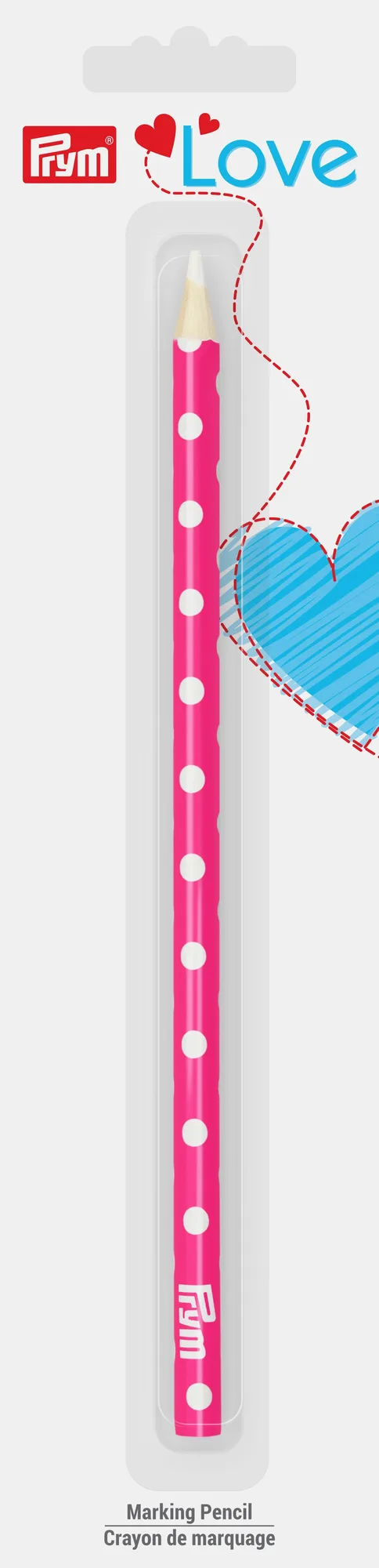
For light or dark fabric, marking tools matter. A water-soluble pencil with white lead, like the Prym Love Fabric Marking Pencil, is easy to see on darker prints and removes with a soak in water, which is useful when you are labeling yardage or marking fold lines before storage.
- Keep a small notepad or label maker in the same drawer as your marking tools.
- Store marking pencils flat so the lead does not break inside the barrel.
Your fabric storage routine, step by step
- Step 1: Prep before you store: Pre-wash if you plan to, dry completely, press, and remove pins or tags. Note the yardage on a label. Checkpoint: no fabric goes into a bin until it is clean, dry, and crease-free.
- Step 2: Pick light-blocking containers: Choose lidded bins, drawers, or cabinets over open shelves for long-term storage, and keep the room out of direct sun. Common mistake: using clear bags in a sunny room, which still allows fading.
- Step 3: Fold or roll consistently: Fold to a uniform width for easy stacking, or roll larger cuts and knits to avoid hard creases. Shift fold lines occasionally so creases do not set in permanently.
- Step 4: Sort by fiber and project: Group cottons, linens, and blends separately, then keep project fabrics together with their patterns. Take a photo of each project bin for shopping reference.
- Step 5: Control the environment: Store in a cool, dry, dark spot, keep fabric off concrete floors, and check for pests a couple of times a year. Checkpoint: if you smell mustiness when you open a bin, air and inspect the contents before adding more.
- Step 6: Keep tools within reach: Store marking pencils, rulers, and labels near the stash so prepping and labeling are quick. A water-soluble marking pencil like the Prym Love Fabric Marking Pencil makes labeling dark fabrics easier.
Fabric and tool notes for storage
- Prym Love Fabric Marking Pencil: Fabric marking pencil with white lead; water-soluble and removed by soaking with water. Useful for labeling yardage or marking fold lines on darker fabrics, and the markings come out with a soak rather than scrubbing.
- Shabby Chic Linen Red Quatrefoil (18-154) by Stof Fabrics: 55% linen, 45% cotton blend from the Shabby Chic collection by Stof Fabrics. Linen-cotton blends crease more readily than plain cotton, so fold them loosely or roll them and avoid heavy stacks on top.
- Blossom Barn Red by Christopher Thompson for Riley Blake Design: 100% cotton, 43/44 inches wide, with tiny white confetti blossoms on a colored background; basics may vary by bolt lot. A stable cotton that folds flat well, but because basics vary by lot, keep the bolt information or a small swatch with stored yardage if you may need to match it later.
Good fabric storage is less about buying the perfect system and more about a repeatable routine: prep the fabric, block the light, fold it consistently, sort it so you can find it, and keep the space dry and clean. Start with one bin or one shelf this week, and let the rest of your sewing room organization follow.