Quick answer
Store fat quarters folded or rolled in a cool, dark, dry place, away from direct sunlight and heat. Use acid-free boxes, bins, or storage bags for fabric to block light and dust, and refold along different lines every few months to prevent permanent creases. Avoid plastic bags that trap moisture, and never stack heavy items on top of your fabric.
Fat quarters are the building blocks of so many quilts, but they can quickly become a wrinkled, faded mess if you store them wrong. Whether you have a small bundle or a full stash, a little organization goes a long way.
This guide walks you through a simple, repeatable process for fat quarter storage that keeps your fabric smooth, vibrant, and ready to use. You will also learn common mistakes that cause fading and creasing, and how to avoid them.
Why fat quarters wrinkle and fade
Fat quarters wrinkle when they are stored under pressure or in fluctuating temperatures. Natural cotton fibers have memory; if they are folded the same way for months, the crease becomes stubborn. Fading happens when fabric is exposed to ultraviolet light, whether from direct sun or even strong indoor lighting over time.
Moisture is another enemy. Damp basements or humid rooms can cause mildew and weaken fibers. The goal is stable, dark, dry storage with minimal stacking. Once you understand these causes, the steps below become easy to follow.
- Keep fabric away from windows and heat vents.
- Avoid storing in damp basements or hot attics.
Choose the right storage materials
Not all containers are created equal. Cardboard boxes can be fine if they are acid-free and lined, but ordinary cardboard may off-gas and discolor fabric over time. Plastic bins are popular, but they can trap moisture if the fabric is not completely dry. Look for breathable options like cotton canvas bins or acid-free storage boxes.
For smaller collections, storage bags for fabric made of cotton or muslin work well. They let air circulate while keeping dust off. If you use clear plastic bins, consider adding silica gel packets to absorb excess moisture, and check them periodically.
- Avoid vacuum-sealed bags for long-term storage; they crush fibers.
- Label bins by color or project to avoid digging and re-folding.
Fold or roll to prevent creases
The way you fold matters. For fat quarters, a common method is to fold them in half twice, then file them vertically like books. This reduces pressure on any single fold line and makes it easy to flip through your stash. If you prefer rolling, use acid-free tissue paper as a core to prevent sharp creases.
Whichever method you choose, avoid overstuffing. When fabric is packed too tightly, the fibers are compressed and creases set in. Leave a little breathing room in each bin or box. For long-term storage, refold along different lines every few months to let the fabric relax.
- Rolling is great for large cuts; folding works best for fat quarters.
- Use comic book boards or acid-free cardboard as folding templates.
Control light, temperature, and humidity
Ultraviolet light is the top cause of fabric fading. Store your fat quarters in a closet, cabinet, or drawer that stays dark. If you use open shelving, place fabric in opaque bins or cover shelves with a curtain. Even indirect sunlight can cause fading over months.
Aim for a stable temperature between 60 and 70°F (15–21°C) and humidity around 45–55%. Sudden swings are worse than a consistent slightly warmer room. A simple hygrometer can help you monitor conditions. If humidity is high, use a dehumidifier or silica packets.
- Never store fabric near a radiator, furnace, or sunny window.
- Rotate your stash so older fabrics get used first.
Keep pests and dust away
Dust and pests like moths and silverfish can damage fabric. Airtight containers help, but they must be completely dry inside. Cedar blocks or lavender sachets are natural repellents, but keep them from direct contact with fabric to avoid oil stains. Regularly vacuum or dust your storage area.
If you notice any musty smell or tiny holes, isolate the affected fabric immediately. Wash or freeze the fabric to kill pests before returning it to storage. Prevention is much easier than dealing with an infestation.
- Inspect your stash every few months for signs of pests.
- Store fabric clean; food stains attract insects.
Your step-by-step fat quarter storage routine
- Sort and inspect: Gather all your fat quarters. Check for any that are damp, dirty, or showing signs of pests. Set aside any damaged pieces for washing or isolation. Never store dirty or damp fabric; it invites mildew and bugs.
- Fold or roll consistently: Decide on a folding or rolling method. For folding, use an acid-free template to create uniform sizes. For rolling, use a pool noodle or acid-free tube. Keep the folds loose. Consistency makes stacking easier and reduces pressure points.
- Choose breathable containers: Place folded or rolled fat quarters in acid-free boxes, cotton bins, or muslin bags. Avoid airtight plastic for long-term storage unless you add silica packets. Breathable containers prevent moisture buildup and off-gassing.
- Store in a dark, stable place: Put containers in a closet or cabinet away from sunlight, heat, and humidity. Keep them off the floor to avoid pests and temperature swings. A consistent environment is key to preventing fading and fiber damage.
- Rotate and refold every few months: Set a reminder to revisit your stash. Refold along different lines to release creases, and rotate older fabrics to the front for use. Regular maintenance keeps fabric fresh and reminds you what you own.
Products that help with fabric storage
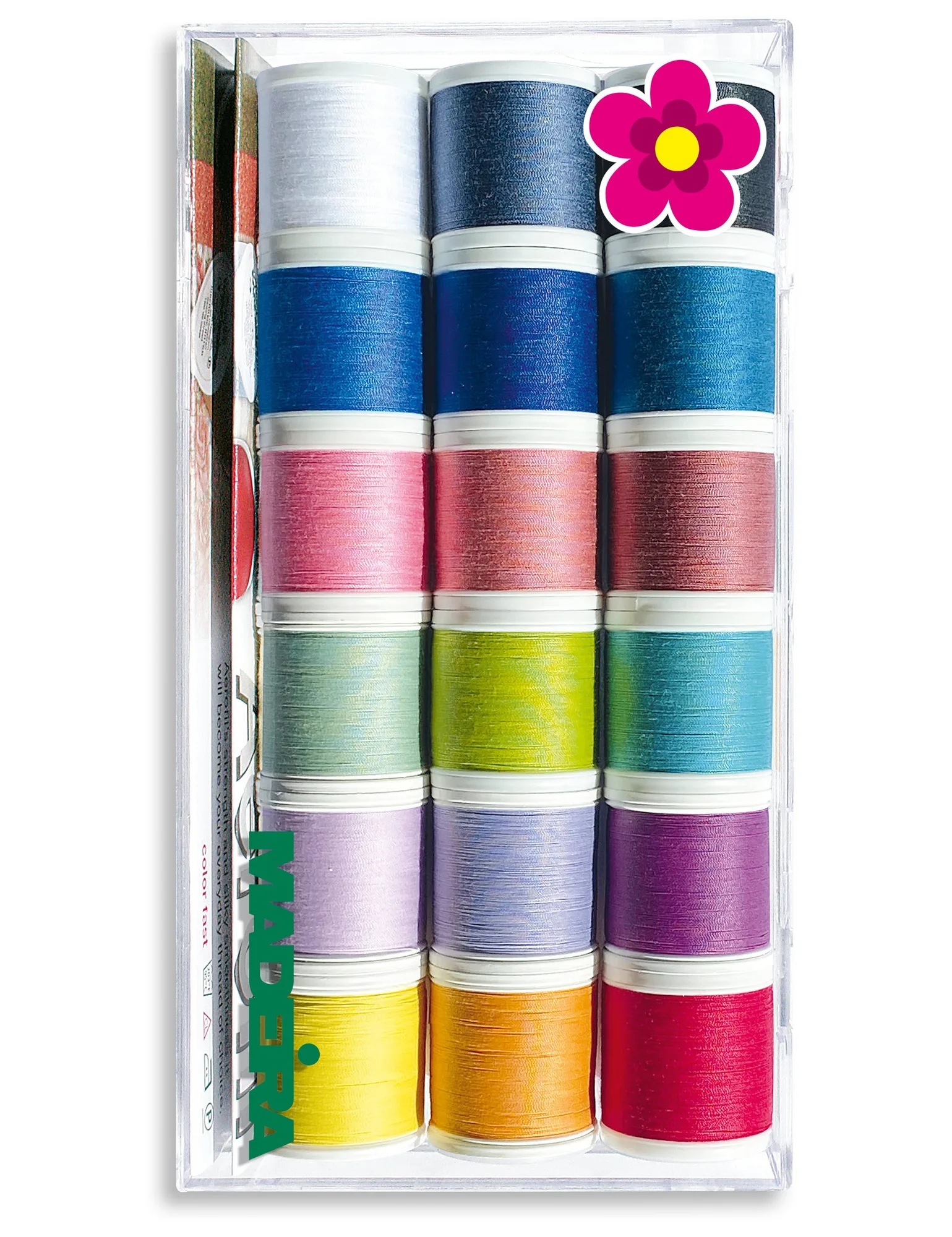
- Aerofil 120 - Assortment Box, 440-yard (400m) spools, 18 Colors: The Aerofil 120—Solid Color Assortment Box includes 18 440-yard (400m) spools of 40-weight Madeira Aerofil Polyester Quilting & Sewing Thread. Designed to meet the diverse needs of modern sewing enthusiasts, this thread is suitable for both machine and hand stitching. Aerofil boasts a smooth, lint-free finish that effortlessly glides through fabric layers, minimizing friction and eliminating the risk of... While not a storage container, this thread assortment keeps your sewing supplies organized in one box, reducing clutter that can lead to fabric damage. The lint-free thread also means less dust in your sewing area.
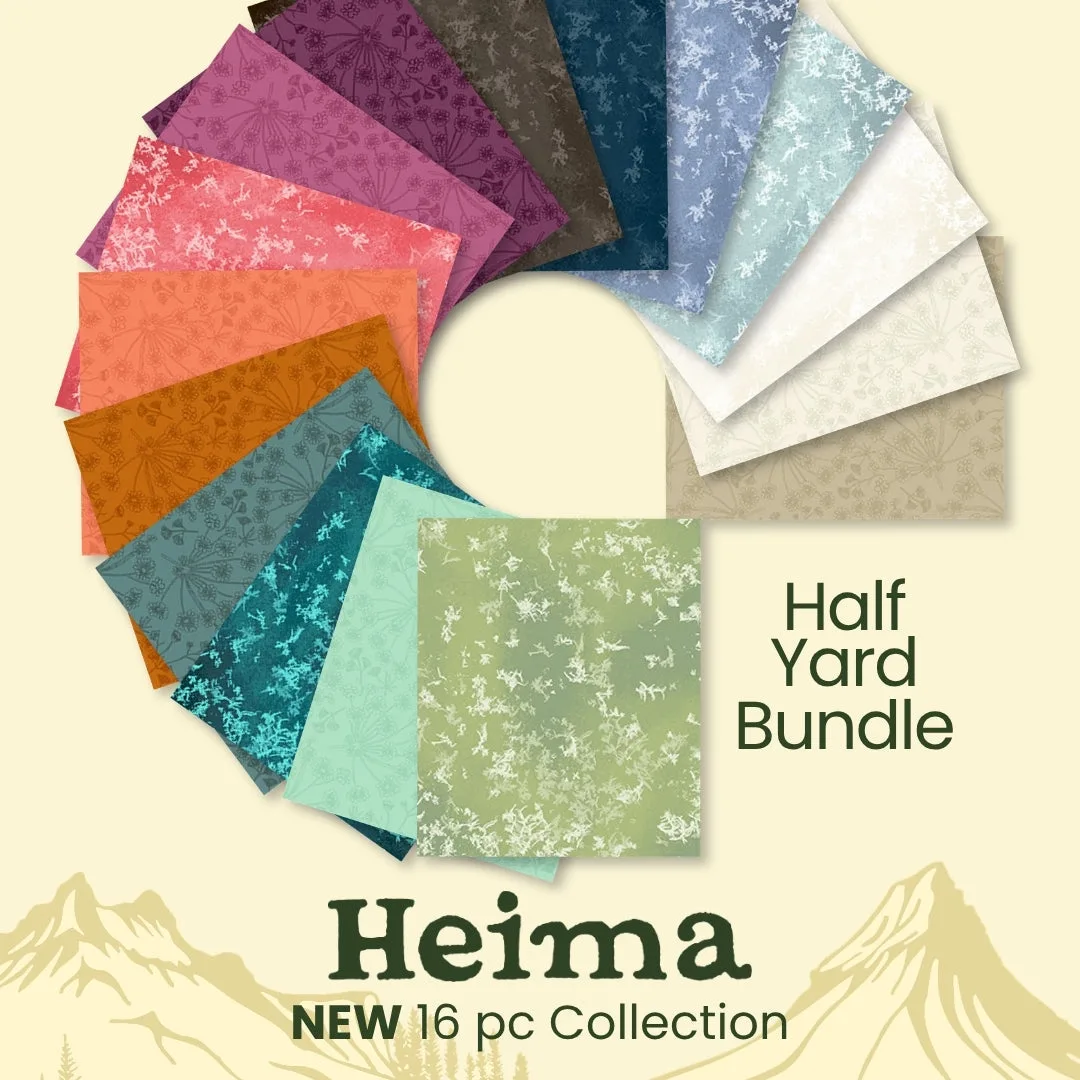
- Heima New Colors/Patterns Half Yard Bundle- Preorder: We have added to the Heima Collection. We have two new prints Angelica and Frosted Lake. Each print has 8 new colors. This bundle has a half yard of each new print and color. Designer: Gudrun Erla from GE Designs. Manufacturer: Andover Fabrics. Collection: Heima. Cut: 16 piece Half-Yard Bundle. Content: 100% cotton. This bundle comes pre-cut and neatly packaged, making it easy to store without unfolding. The half-yard cuts are less prone to deep creases than larger pieces, and the coordinated colors inspire organized projects.
With these steps, your fat quarters will stay smooth, bright, and ready for your next project. A little effort now saves you from ironing out stubborn creases or replacing faded fabric later.