Fresh produce is the cornerstone of a healthy diet, but it can be frustrating when leafy greens turn slimy or berries mold within days. The secret to longer-lasting produce often lies in how you store it. While plastic bags and containers are common, they can trap excess moisture and speed up spoilage. Enter Stasher bags: reusable silicone bags that offer a versatile, eco-friendly solution for keeping your fruits and vegetables fresh for longer.
Stasher bags are made from food-grade silicone, which is non-porous, airtight, and gentle on produce. By controlling humidity and airflow, these bags can help regulate the environment around your produce, slowing down the aging process. In this guide, we'll explore the best practices for storing different types of produce in Stasher bags, from leafy greens to berries, and share tips to maximize freshness and minimize waste.
Why Stasher Bags Are Ideal for Produce Storage
Unlike traditional plastic bags, Stasher bags are designed to be reusable, durable, and safe for food contact. Their airtight seal prevents excess air from entering, which can cause oxidation and spoilage. Additionally, the silicone material is breathable to a degree, allowing for some gas exchange while retaining moisture—this balance is key for keeping produce crisp without causing rot.
Another advantage is their versatility. Stasher bags come in various sizes, from the compact Snack Bag to the spacious 4-Cup Bowl, making it easy to store everything from a single apple to a large head of lettuce. They are also freezer-safe, so you can freeze berries or herbs without worrying about freezer burn. Plus, they're dishwasher-safe, making cleanup a breeze.
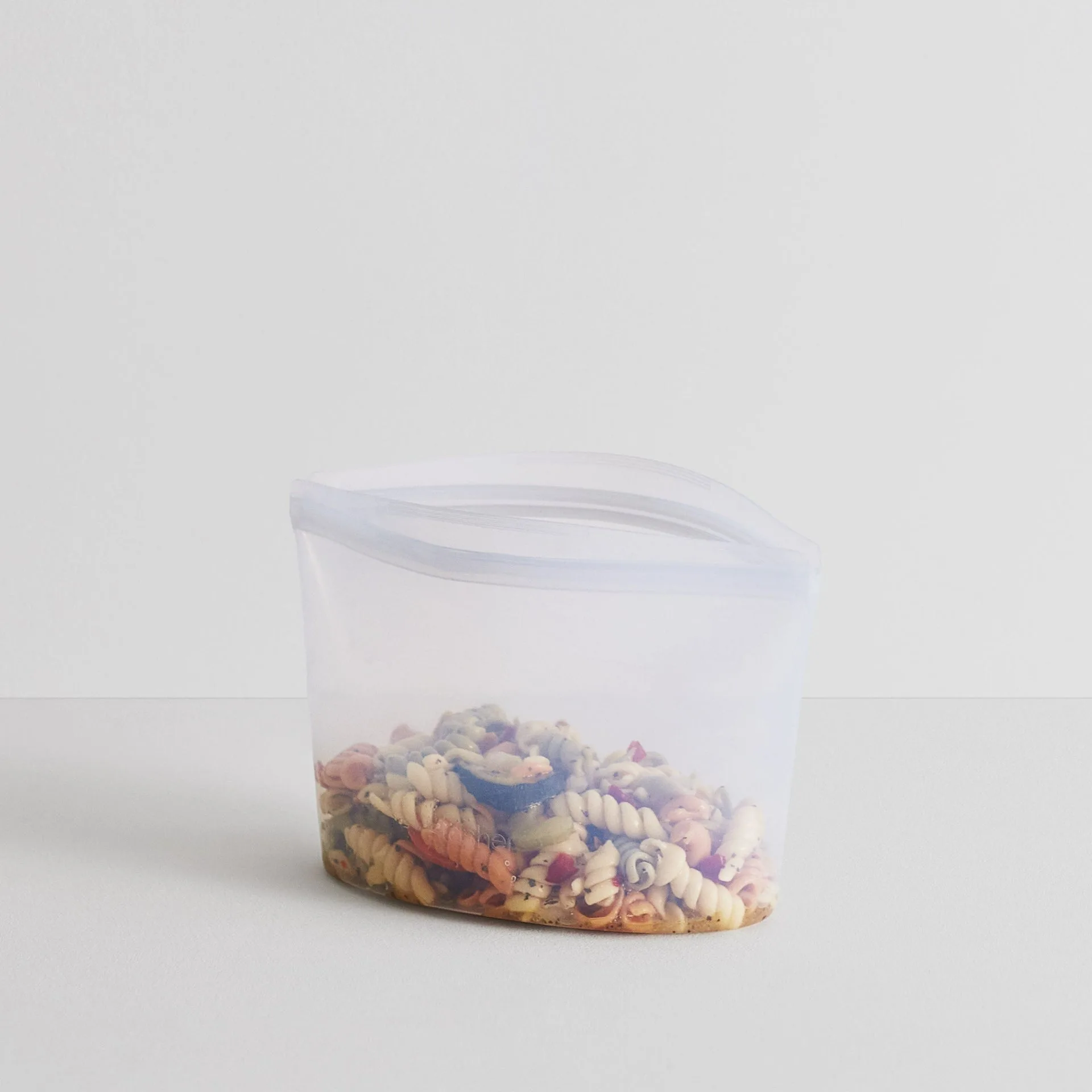
4-Cup Bowl
- Airtight seal prevents oxidation and slows spoilage
- Silicone material is gentle on delicate produce
- Multiple sizes for different types of produce
- Freezer-safe and dishwasher-safe for convenience
Storing Leafy Greens and Herbs
Leafy greens like lettuce, spinach, and kale are notoriously difficult to keep fresh. The key is to remove excess moisture while providing a humid environment. Start by washing your greens, then dry them thoroughly using a salad spinner or by patting them with a clean towel. Place the dry greens in a Stasher bag, but don't overstuff—leave some room for air circulation. You can also add a paper towel to absorb any residual moisture.
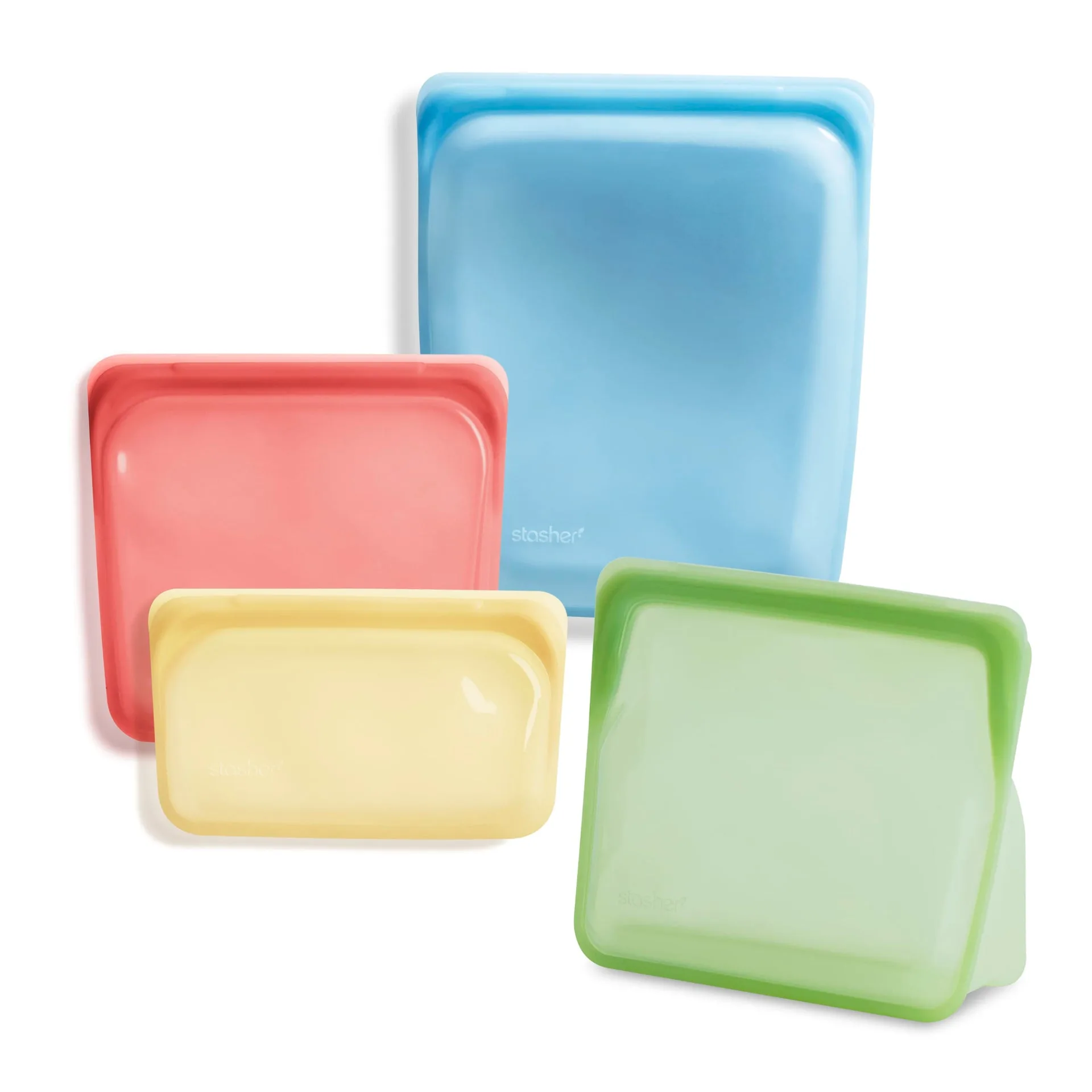
For herbs like cilantro, parsley, or basil, trim the stems and place them in a Stasher bag with a slightly damp paper towel. The bag will maintain the right humidity, keeping herbs fresh for up to two weeks. The Stasher Original Bags 4-Pack is perfect for this, as it includes multiple sizes to accommodate different quantities.
- Dry greens thoroughly before storing to prevent sliminess
- Add a paper towel to absorb excess moisture
- Use the Original Bags 4-Pack for versatile storage
Keeping Fruits Fresh and Preventing Overripening
Fruits like berries, grapes, and cherries are delicate and prone to mold. The best way to store them in Stasher bags is to keep them dry. Do not wash berries until just before eating, as moisture promotes mold growth. Place them in a Stasher bag, and you can even place a paper towel at the bottom to absorb any condensation. The airtight seal will also prevent ethylene gas from accumulating, which can cause fruits to ripen too quickly.
For fruits that produce ethylene (like apples, bananas, and tomatoes), it's best to store them separately from other produce to avoid premature ripening. Stasher bags are great for this because you can easily segregate fruits. The Snack Bag is ideal for small portions of berries or grapes, while the 4-Cup Bowl can hold larger quantities of cut fruit.
- Keep berries dry and unwashed until ready to eat
- Use separate bags for ethylene-producing fruits
- Snack Bag is perfect for single servings of fruit
Storing Vegetables and Root Crops
Vegetables like carrots, celery, and bell peppers stay crisp when stored with a bit of moisture. For carrots, peel and cut them into sticks, then submerge them in water inside a Stasher bag—this keeps them crunchy for weeks. For celery, wrap it in aluminum foil or a damp paper towel before placing it in a Stasher bag to maintain humidity.
Root crops like potatoes and onions should be stored in a cool, dark place, but if you need to store cut pieces, Stasher bags work well. The 4-Cup Bowl is excellent for storing chopped vegetables for meal prep, keeping them fresh and ready to use. The airtight seal prevents them from drying out or absorbing odors from other foods in the fridge.
- Carrot sticks stay crisp in water inside a Stasher bag
- Wrap celery in a damp paper towel before storing
- Use the 4-Cup Bowl for chopped veggie meal prep
Freezing Produce in Stasher Bags
Freezing is a great way to extend the life of produce, and Stasher bags are perfect for this. For berries, wash and dry them, then spread them on a baking sheet to freeze individually before transferring to a Stasher bag. This prevents clumping. For herbs, chop them and place in a Stasher bag with a little olive oil, then freeze—this makes it easy to add flavor to dishes later.
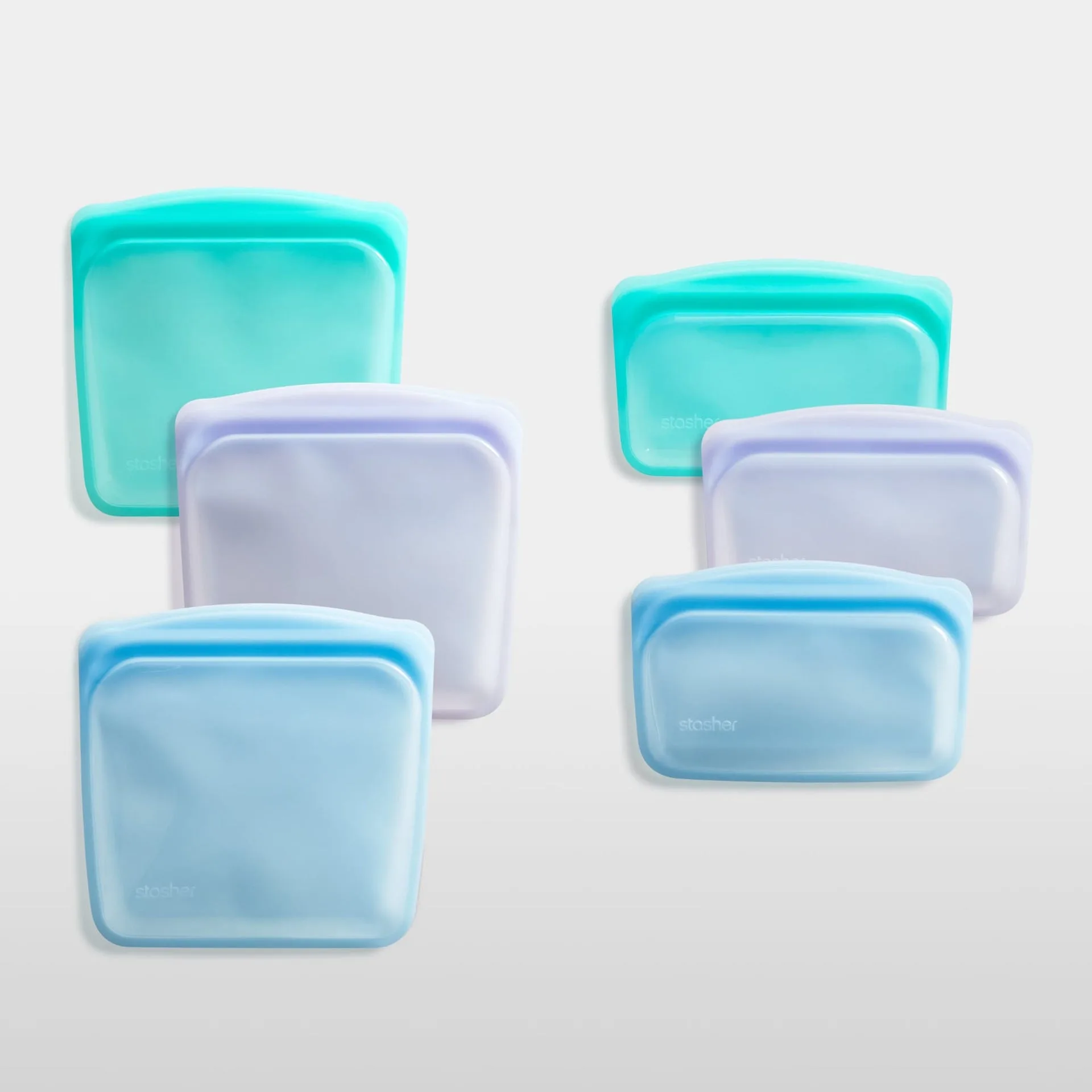
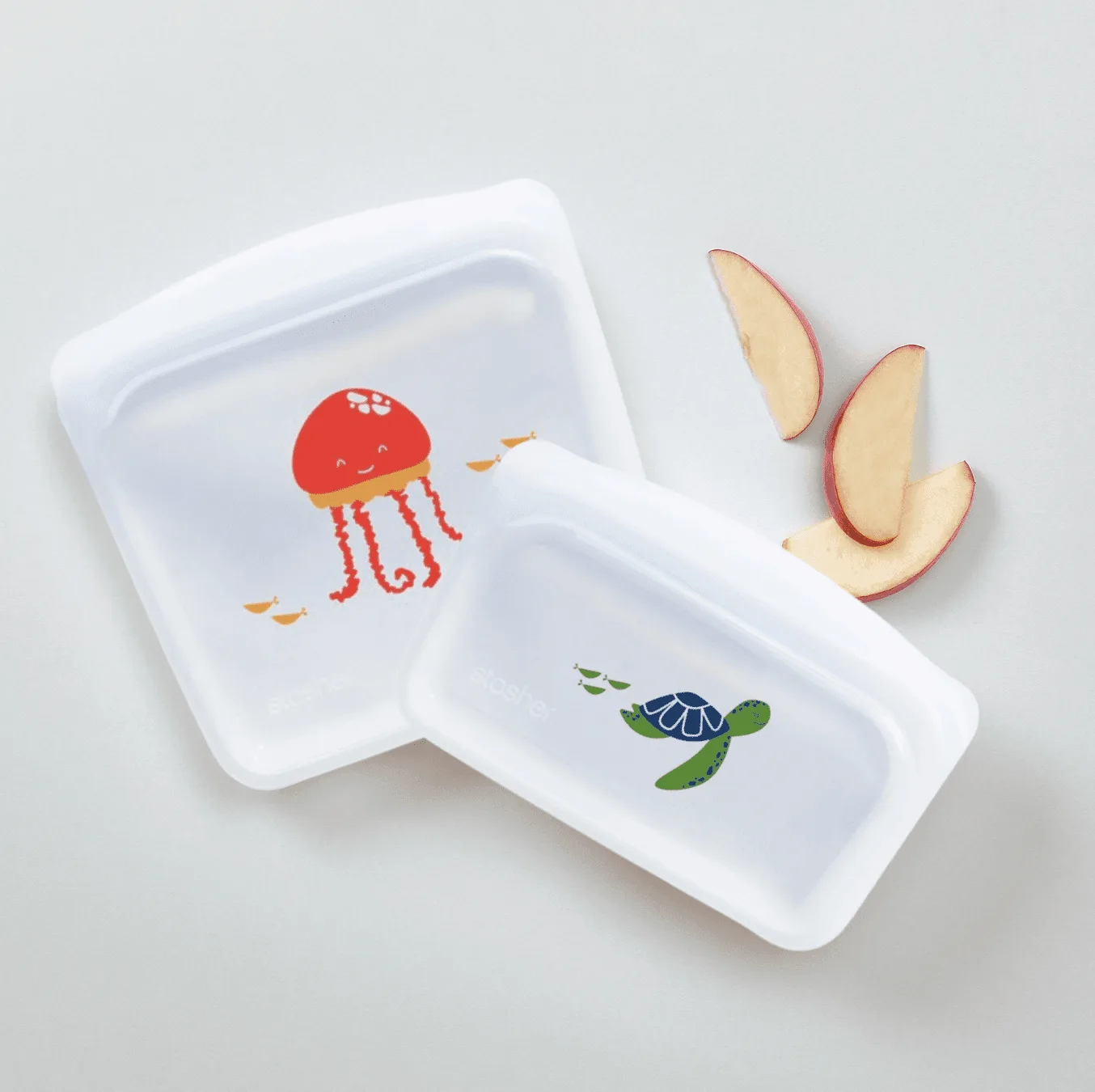
Stasher bags are freezer-safe and can withstand temperatures down to -40°F, so you can safely freeze fruits, vegetables, and even soups. The airtight seal prevents freezer burn, and the silicone material is flexible enough to allow for easy removal of frozen items. The Back to School Lunch 2-Pack or the Sandwich Snack 6-Pack can be great for portioning out frozen snacks or sides for kids.
- Freeze berries individually first to avoid clumping
- Freeze herbs in olive oil for easy cooking
- Stasher bags are freezer-safe and prevent freezer burn
Tips for Maximizing Freshness and Reducing Waste
To get the most out of your Stasher produce storage, follow these simple tips. Always start with fresh, high-quality produce. Clean and dry your produce before storing, as excess moisture is the enemy. Use the right size bag for the quantity—overfilling can bruise delicate items, while too much empty space can lead to moisture buildup. Label your bags with the date to keep track of freshness.
Stasher bags are reusable, so you'll not only reduce plastic waste but also save money by throwing away less food. By investing in a set like the Original Bags 4-Pack or the Sandwich Snack 6-Pack, you'll have a variety of sizes to accommodate all your produce storage needs. With a little care, you can enjoy fresh, crisp produce for longer and make a positive impact on the environment.
- Start with fresh, high-quality produce
- Clean and dry produce before storing
- Choose the right size bag to avoid overpacking
- Label bags with dates to track freshness
Storing fresh produce in Stasher bags is a simple yet effective way to extend its shelf life, reduce food waste, and keep your kitchen organized. By following the tips in this guide, you can enjoy crisp vegetables, juicy fruits, and fragrant herbs for longer. Ready to upgrade your produce storage? Explore the Original Bags 4-Pack and discover the perfect starter set for a zero-waste kitchen.