Quick answer
Store hardcover books upright on a sturdy shelf in a cool, dry, and dark environment, using bookends to keep them snug but not cramped.
Why hardcover books need special care
Hardcover books are more durable than paperbacks, but they still face specific risks. The rigid cover and spine can warp or crack if stored improperly, and the pages inside are just as vulnerable to humidity and pests.
A common mistake is storing them too tightly on a shelf, which stresses the hinges and can cause the spine to detach. On the other hand, leaving them loose with no support lets them lean and eventually bow.
The trade-off: aesthetics vs. preservation
Displaying your hardcovers on an open shelf looks great, but it exposes them to sunlight and dust. If you want to show them off, choose a spot away from direct sun and use a glass-front cabinet if possible.
If preservation is your top priority, consider storing them in archival boxes or a closet with controlled conditions. You can still enjoy your collection, but you'll need to balance visibility with protection.
Step-by-step hardcover book storage
- Choose the right location: Select a room with stable temperature (60-75°F) and relative humidity between 30-50%. Avoid basements, attics, and exterior walls where moisture and temperature fluctuate. Use a hygrometer to monitor humidity levels in your storage area.
- Shelve books upright and supported: Place hardcovers vertically on a sturdy shelf, using bookends to keep them upright without leaning. Leave a little space between books so you can remove them without pulling on the spine. If a shelf is not full, use bookends to prevent leaning.
- Protect from sunlight and dust: Keep books away from direct sunlight, which can fade covers and dry out bindings. Use a glass-front cabinet or cover with a cloth to reduce dust accumulation. Rotate displayed books periodically to even out any light exposure.
- Handle with care when removing: Always pull a book from the middle of the spine, not the top, to avoid stressing the hinges. Push neighboring books aside gently to create space before removing. Never yank a book by its top edge.
- Use acid-free materials for long-term storage: If you need to store books in boxes, use acid-free, archival-quality boxes and wrap each book in acid-free tissue. Label boxes and keep them off the floor. Avoid plastic bags, which trap moisture and can cause mold.
- Check periodically for damage: Inspect your books every few months for signs of mold, pests, or warping. If you spot an issue, isolate the affected book and adjust your storage conditions. Early detection prevents minor issues from becoming major damage.
Books that benefit from proper storage
-
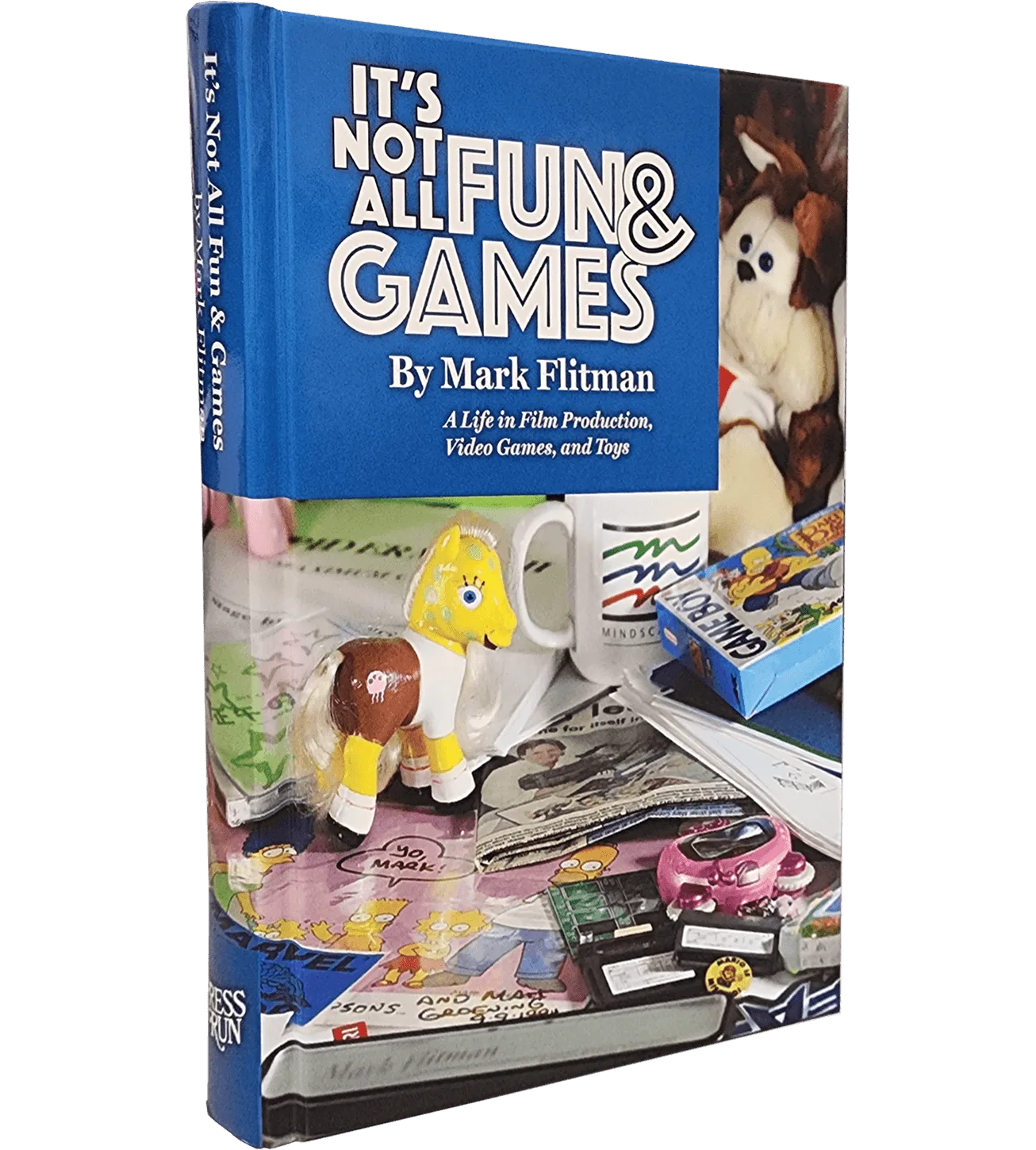
It's Not All Fun & Games (Hardcover): It's Not All Fun & Games is a hardcover insider account of licensed games across sports, toys, and cartoons. A book like this is a conversation piece, but its oversized pages and dust jacket need stable shelving to avoid warping and tearing.
It's Not All Fun & Games (Hardcover)
-
Phoenix Edition 5 - Vol. A (Hardcover): Phoenix Edition 5 - Vol. A is a hardcover that continues a series regarded as the 'Bible of Video Game History.' As a reference volume you'll likely consult often, it benefits from being stored upright and within easy reach to prevent frequent re-shelving damage.

Phoenix Edition 5 - Vol. A (Hardcover)
-
Gameplay Harmonies (Hardcover): Gameplay Harmonies is a hardcover exploring Japanese recording artists who starred in video games. This niche topic makes it a collector's item, so protecting its cover and pages from humidity and light helps maintain its value.