Quick answer
Store herbal supplements in a cool, dark, dry place in their original airtight container, and keep capsules, tinctures, and powders away from heat, light, and moisture. Follow the label's storage instructions and expiration date, and never transfer supplements into unlabeled containers. If you live in a hot or humid climate, refrigerate only the forms that specifically call for it.
Why storage conditions change herbal potency
Heat, light, oxygen, and moisture are the main enemies of herbal supplements. Heat can accelerate the breakdown of sensitive plant compounds, while light and oxygen can oxidize oils and extracts. Moisture is especially damaging to powders and capsules because it can cause clumping, stickiness, and microbial growth. Even if a product looks fine, its potency may have declined if it was stored poorly.
The form of the supplement matters. Tinctures are liquid extracts, usually alcohol- or glycerin-based, and they are more stable than many people assume, but they still degrade with heat and direct sunlight. Capsules and powders are dry and vulnerable to humidity. Whole herbs and teas lose aroma and active compounds over time. Understanding these differences helps you choose the right spot for each product.
The best place to store each supplement form
Capsules and powders: keep them in a cool, dry cabinet away from the stove, dishwasher, and sink. A pantry shelf that stays below 77°F (25°C) is ideal. Avoid the bathroom medicine cabinet because showers create fluctuating humidity. If your home is consistently hot or humid, a sealed container in the refrigerator can help, but only if the product label allows it and you prevent condensation by letting the container come to room temperature before opening.
Tinctures: store upright in a dark glass bottle with the dropper tightly closed. A cupboard away from sunlight is fine for most tinctures. Some labels recommend refrigeration after opening, so check the specific product. Never store tinctures in a car or near a radiator.
Teas and dried herbs: keep them in an airtight container in a dark, cool place. Use them within the time frame on the package, and discard any that smell musty or have visible mold.
How to read expiration dates and shelf life
Expiration dates on supplements are set by the manufacturer and usually assume the product has been stored under recommended conditions. A date is not a guarantee of potency, but it is your best guide. Once opened, many products begin to degrade faster, especially oils and liquids. Write the opening date on the label so you can track how long it has been in use.
For herbal blends, shelf life varies widely. A dried powder may stay fresh for 12 to 24 months if kept dry, while a tincture can last several years. Capsules often have a two- to three-year shelf life when unopened, but check the specific product. If a supplement changes color, smell, or texture, or if capsules become stuck together, it is safer to replace it.
Common storage mistakes to avoid
One frequent mistake is moving supplements into a weekly pill organizer without keeping the original container. The organizer exposes them to air and light, and you lose the expiration date and lot number. Another mistake is storing bottles on a windowsill or above the refrigerator, where heat rises. Also, do not rely on the cotton ball or desiccant pack inside the bottle; once opened, it can absorb moisture from the air and should usually be discarded unless the label says otherwise.
Finally, avoid using a damp spoon or wet hands to scoop powders. Introduce as little moisture as possible, and always reseal the container tightly after each use.
Step-by-step storage routine
- Check the label first: Read the storage instructions and expiration date on the bottle before you decide where to keep it. Some products require refrigeration after opening, while others should stay at room temperature. Mistake to avoid: assuming all supplements can be stored the same way.
- Choose a cool, dark, dry location: Pick a cabinet or shelf away from heat sources, direct sunlight, and humidity. A pantry that stays below 77°F (25°C) is usually ideal. Avoid the bathroom, above the stove, or a windowsill. Checkpoint: the spot should feel cool and dry, not warm or damp.
- Keep the original container tightly closed: Store supplements in their original airtight bottle or pouch. If you use a daily pill organizer, refill it from the original container and do not leave capsules exposed for long periods. Mistake to avoid: transferring supplements to unlabeled containers or leaving them open.
- Handle with dry hands and clean tools: Use a dry spoon or scoop for powders, and avoid touching capsules with wet hands. Moisture introduced during use can shorten shelf life. Checkpoint: no clumping, stickiness, or condensation inside the container.
- Monitor for changes and rotate stock: Write the opening date on the label. Use older products first. Discard any supplement that changes color, smell, or texture, or that has passed its expiration date. Next step: set a reminder to review your supplement shelf every few months.
Product storage notes
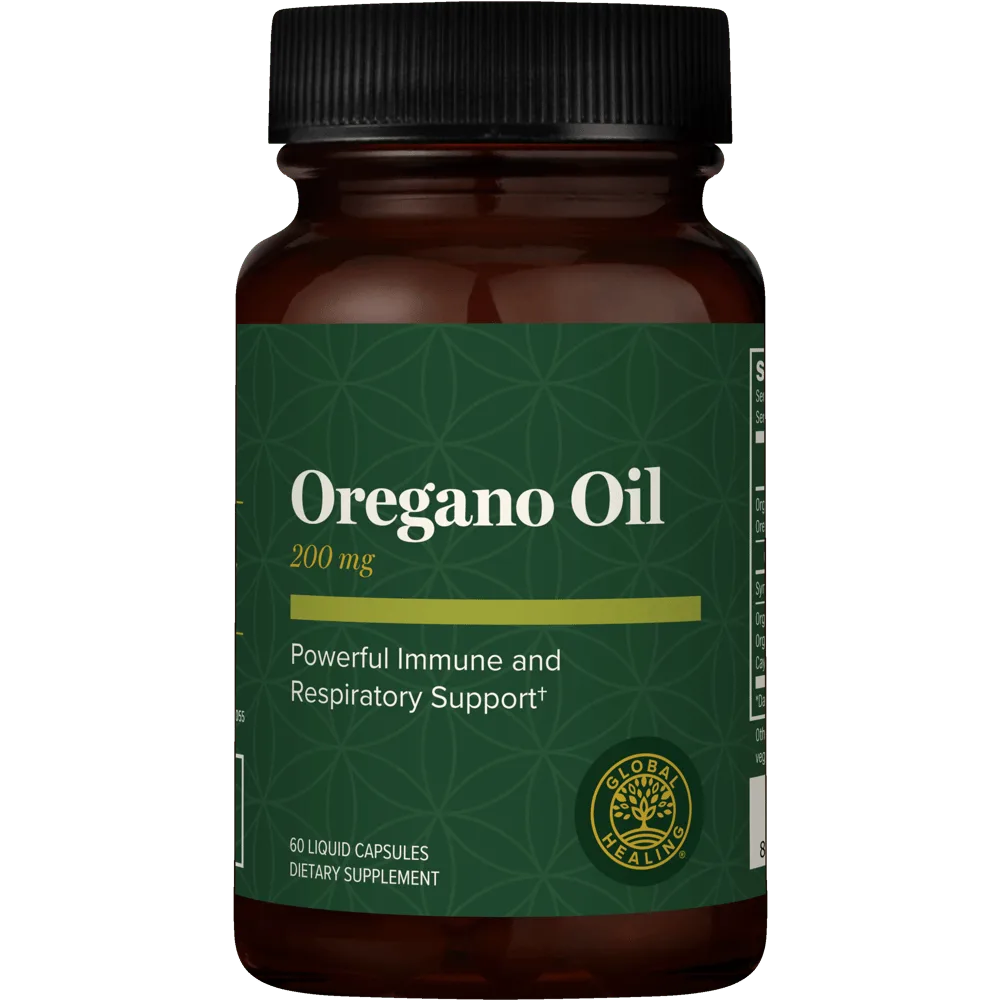
- Oregano Oil: Oregano Oil is a liquid blend of organic Mediterranean oregano oil, cold-pressed extra virgin olive oil, peppermint oil, and cayenne extract. Because it contains oils, store it upright in a cool, dark place with the cap tightly closed to slow oxidation.
- Organic Mushroom Blend Powder: Organic Mushroom Blend Powder is a powder made from nine raw whole-food mushroom powders. Powders are vulnerable to moisture, so keep the container sealed and dry, and avoid leaving the scoop inside.
- Toxin Binder: Toxin Binder is a detox support supplement available in a size option. Follow the label's storage instructions for this product and keep it in its original container to protect its ingredients.