Quick answer
Store tea bags and sachets in an airtight container away from light, heat, and moisture. Keep them in a cool, dark cupboard rather than the fridge or above the stove. Most herbal teas stay flavorful for 12 to 24 months when stored well, though they do not spoil like fresh food.
Why storage conditions matter more than the calendar
Herbal tea bags and sachets are dried plant material, so they are vulnerable to four things: air, light, heat, and moisture. Each one speeds up the loss of volatile oils that give blends like Lemongrass & Ginger their citrusy lift. A sealed sachet helps, but once you open the outer packaging, the clock starts ticking faster.
This is why 'does tea expire' has a nuanced answer. Tea does not usually become unsafe to drink the way dairy does. Instead, it goes stale: the aroma flattens, the color fades, and the brew tastes dusty or papery. You are managing quality, not safety.
The best container for opened tea
An opaque, airtight container is your best tool. A tin with a double lid or a ceramic jar with a silicone gasket blocks light and air better than a clear glass jar on an open shelf. If you only have a clear jar, keep it inside a closed cupboard so light cannot reach it.
Avoid storing tea in the bag it came in once it is opened, unless that bag has a resealable zipper and you press out the air. Rolled-down paper bags let in moisture and aroma-robbing oxygen. If you keep the original packaging for reference, place it inside your airtight container rather than relying on it alone.
Where to put your tea in the kitchen
Choose a cool, dark cupboard away from the stove, kettle, dishwasher, and window. The steady warmth from appliances and sunlight degrades delicate herbs faster than room temperature alone. A shelf above the fridge or next to the oven is one of the worst spots, even though it feels convenient.
The refrigerator and freezer are not good choices for daily-use tea. Both introduce moisture every time you open the door, and condensation inside a sachet will dull the flavor. If you must freeze tea for long-term storage, seal it in a moisture-proof bag, remove as much air as possible, and let it come to room temperature before opening.
How long tea bags and sachets stay fresh
As a practical guide, unopened herbal tea in sealed packaging holds its best flavor for about 12 to 24 months. Once opened, aim to finish it within 6 to 12 months for the fullest taste. These are general ranges, not printed expiry dates, so use your senses as the final check.
Whole-leaf and larger-cut blends often hold up longer than finely ground teas because there is less surface area exposed to air. Sachets made from biodegradable materials can be more sensitive to humidity than plastic-based bags, so keep them especially dry.
How to tell if your tea has lost its freshness
Start with smell. A fresh sachet releases a clear, recognizable aroma when you open the container. If you have to hunt for the scent, or it smells like hay, cardboard, or dust, the tea has faded. Next, look at the color of the leaves or the brewed liquor; dull, grayish, or unusually pale results are a sign of age.
Finally, taste a small cup. If the flavor is weak, flat, or slightly bitter without any of the expected character, it is past its best. You can still drink it, but consider using two sachets per mug or repurposing it for compost rather than forcing a disappointing cup.
Step-by-step tea storage routine
- 1. Check the packaging before you open it: Look for a sealed foil or lined pouch. If the outer bag is paper or already torn, plan to move the sachets into an airtight container as soon as you open it. Checkpoint: if you can smell tea through the unopened packaging, it is not airtight enough for long storage.
- 2. Choose an opaque, airtight container: Use a metal tin, a dark ceramic jar, or a gasketed container. Avoid clear glass on open shelves and avoid plastic bags that do not seal completely. Common mistake: using a decorative open-mouth jar that looks nice but lets in air and light.
- 3. Keep sachets in their individual wrappers if they have them: Individually wrapped sachets add a second barrier. If your tea bags are loose, place them directly in the container and press out excess air before sealing. Checkpoint: loose sachets should not rattle around loosely; fill the container enough to limit air space without crushing them.
- 4. Store in a cool, dark cupboard: Pick a shelf away from the stove, kettle, sink, and sunny windows. A pantry or closed cabinet at room temperature is ideal. Common mistake: storing tea above the kettle or fridge, where warmth and moisture cycles shorten freshness.
- 5. Label and date the container: Write the tea name and the date you opened it on a piece of tape or a sticky note on the lid. This turns a vague sense of age into a clear reference. Checkpoint: if you cannot remember when you opened it, treat it as older and use it up first.
- 6. Recheck aroma every few months: Open the container, smell the tea, and brew a small cup. If the aroma is weak or the taste is flat, finish that tea soon or blend it with a stronger flavor. Next step: rotate older sachets to the front of the cupboard so you use them before newer ones.
How our packaging fits these storage habits
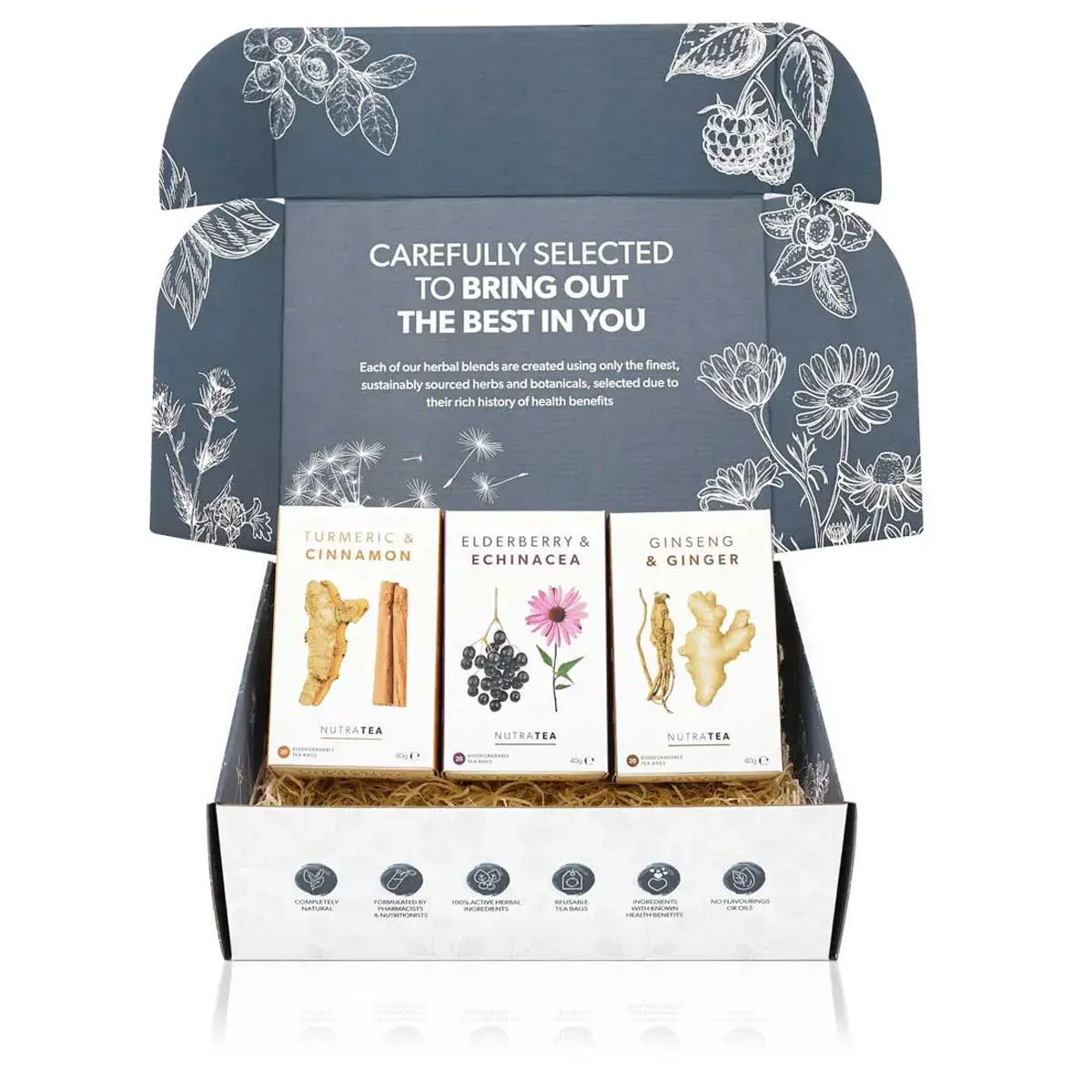
- Discovery Collection Gift Box: Discovery Collection Gift Box contains 60 sachets across Turmeric & Cinnamon, Elderberry & Echinacea, and Ginseng & Ginger, and the catalog notes it is in stock. A 60-sachet box is a long-term supply, so split it into smaller airtight containers if you will not finish it within a few months. Keeping the unopened portion sealed protects the blends you have not reached yet.
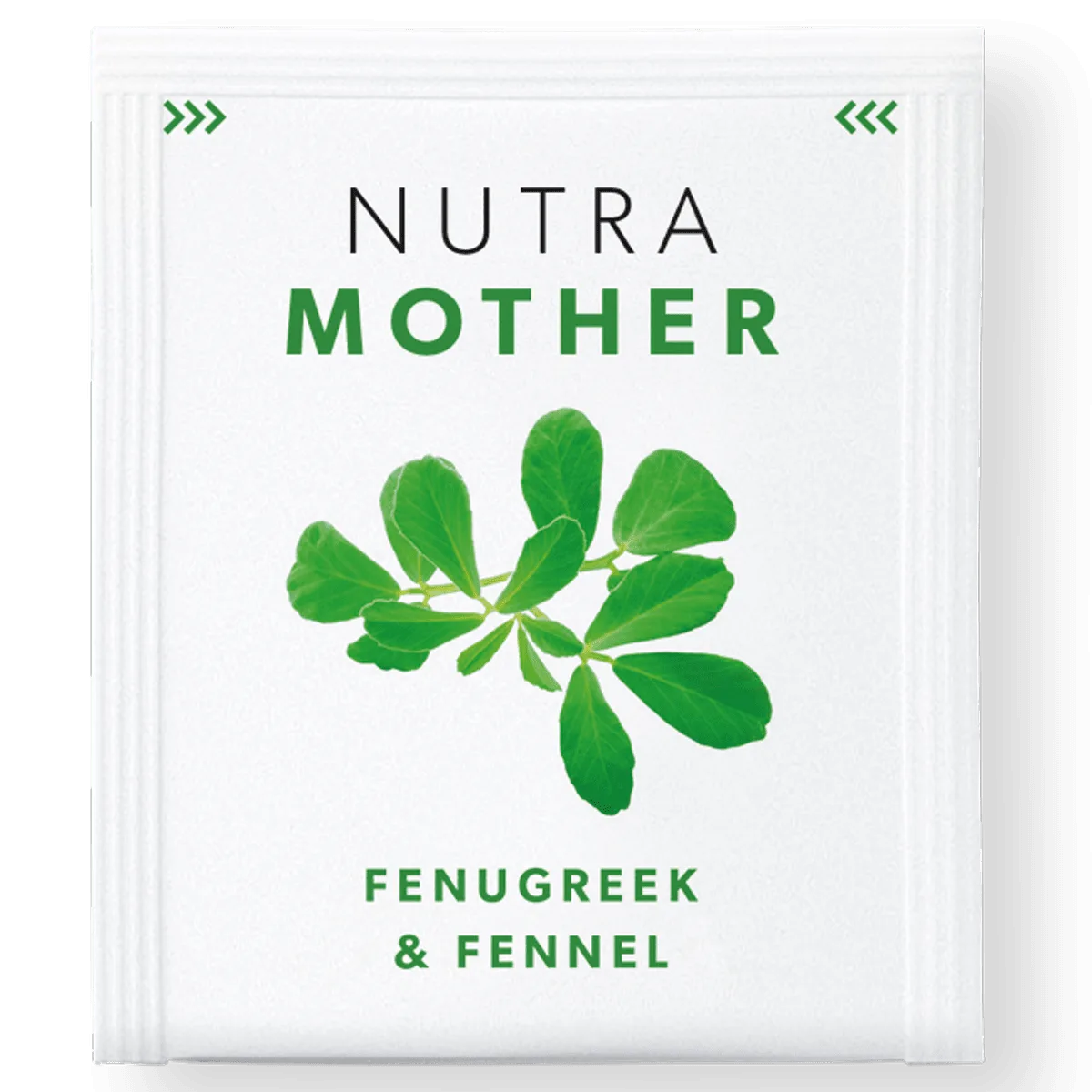
- NutraMother – Tea Sachet: NutraMother – Tea Sachet uses reusable tea bags up to 3 times and biodegradable packaging with no flavouring or oils. Because the sachets are designed for reuse, store them dry between brews. A damp sachet left on a saucer will lose aroma and can grow mold, so return it to an airtight container only after it has fully dried.
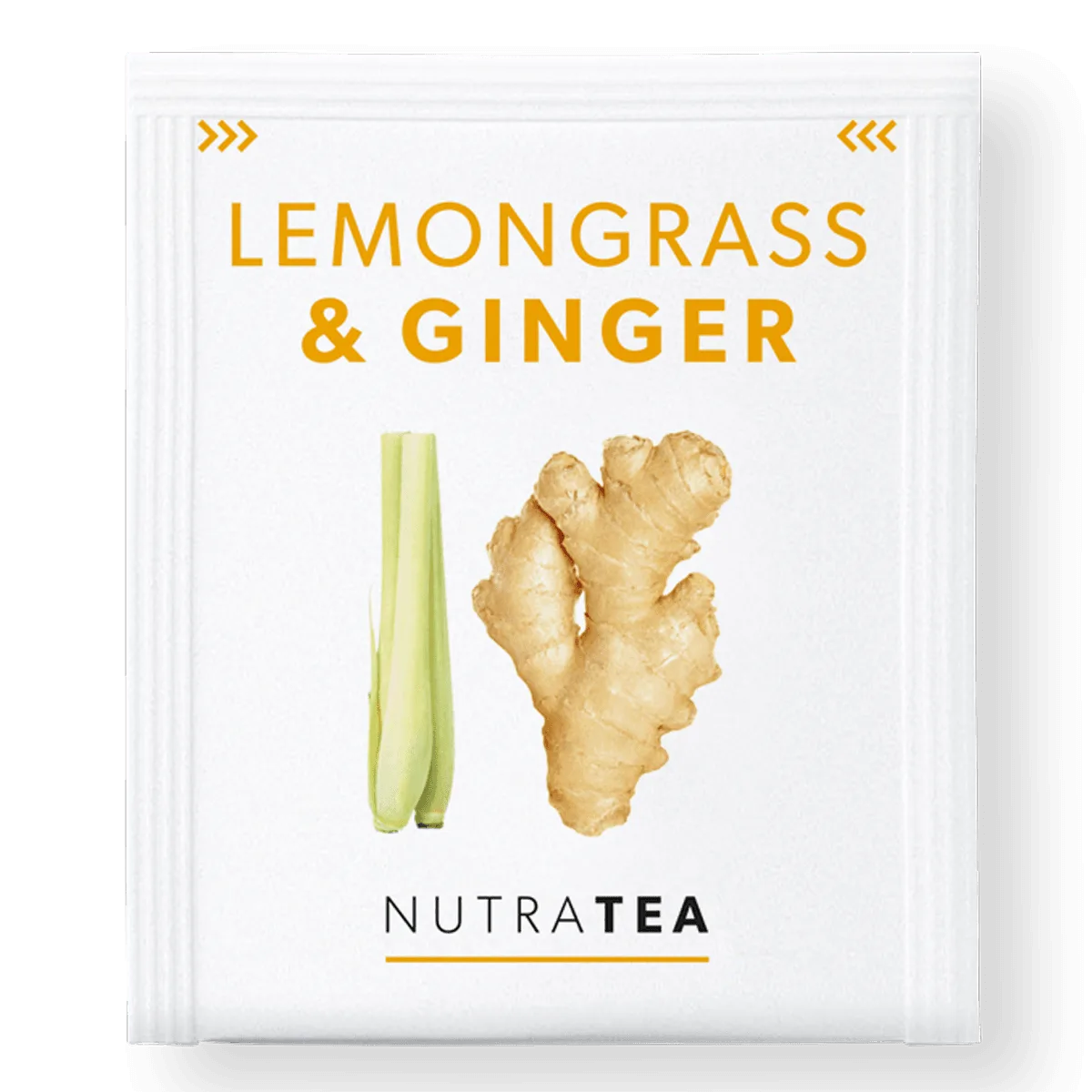
- Lemongrass & Ginger – Tea Sachet: Lemongrass & Ginger – Tea Sachet is a 50/50 blend of lemongrass and ginger, caffeine free, with reusable tea bags up to 3 times and biodegradable packaging. Citrusy lemongrass aroma is especially volatile, so this is a good blend to keep in an opaque tin rather than a clear jar. If the lemongrass scent fades first, you will know light and air have reached it.