Leftovers are a practical way to save time and reduce food waste, but proper storage is key to maintaining flavor and safety. Glasslock oven safe containers offer a durable, non-toxic solution that transitions seamlessly from fridge to oven. This guide walks you through every step, from cooling to reheating, ensuring your leftovers stay delicious and safe.
Unlike plastic, glass doesn't absorb odors or stains, and Glasslock's borosilicate glass can handle temperature changes without cracking. Whether you're storing a hearty stew or a delicate casserole, these containers are designed to make your life easier. Let's dive into the best practices for storing leftovers with Glasslock.
Why Choose Glasslock for Leftovers?
Glasslock containers are made from high-quality borosilicate glass, which is more resistant to thermal shock than regular glass. This means you can move them from the refrigerator directly to the microwave or oven without worrying about breakage. The airtight, leak-proof lids keep moisture and odors in, preserving the freshness of your food.
Additionally, glass is a non-porous material, so it won't harbor bacteria or absorb lingering smells from spicy dishes. This makes Glasslock an excellent choice for storing a variety of leftovers, from tomato-based sauces to fragrant curries. Plus, they are eco-friendly, reducing your reliance on single-use plastics.
- Borosilicate glass resists thermal shock, ideal for fridge-to-oven transitions.
- Airtight lids prevent leaks and keep food fresh longer.
- Non-porous surface doesn't absorb stains or odors.
Step 1: Cool Food Quickly and Safely
Before storing leftovers, it's crucial to cool them down to room temperature. Leaving food out for more than two hours can promote bacterial growth, so aim to refrigerate within that window. To speed up cooling, divide large portions into smaller, shallow containers. This allows heat to dissipate faster and reduces the risk of foodborne illness.
Glasslock offers a range of sizes, such as the Glasslock Oven Safe Rectangle 6pc set, which includes various capacities perfect for portioning. Using smaller containers not only cools food quicker but also makes reheating more efficient, as you can heat only what you need.
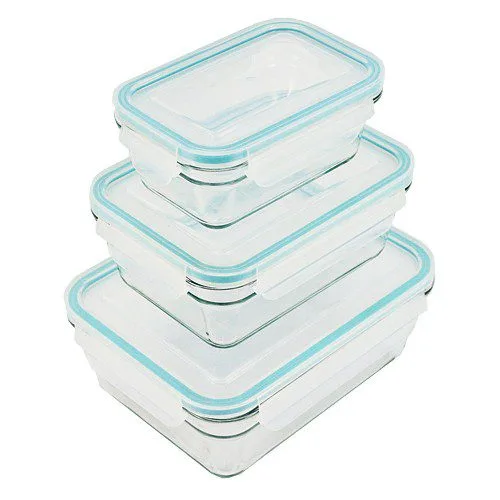
Glasslock Oven Safe Rectangle 6pc set
- Divide large batches into smaller containers to cool faster.
- Never put hot food directly in the fridge; let it cool first.
Step 2: Choose the Right Container Size
Selecting the right container size helps maintain food quality. Overfilling can cause lids to bulge and compromise the seal, while too much empty space can lead to freezer burn if freezing. For individual portions, the Glasslock Oven Safe Square 3.3 cups is ideal for single servings of rice, pasta, or vegetables. For family-sized leftovers, the Glasslock Oven Safe Rectangle 6.3 cups provides ample space without wasting fridge room.
Having a variety of sizes in your kitchen makes it easy to match the container to the portion. This not only saves space but also ensures even cooling and reheating.
- Use smaller containers for individual portions to reduce waste.
- Leave some headspace for expansion when freezing liquids.
Step 3: Pack Food Properly
When packing leftovers, press out as much air as possible before sealing. Oxygen can cause food to spoil faster and lead to freezer burn. Glasslock lids are designed to create an airtight seal, but you can also use a vacuum sealer for longer storage. For liquids, leave a little room at the top to allow for expansion during freezing.
If you're storing multiple items in the same container, use dividers or separate containers to prevent flavors from mixing. For example, store the main dish and side dishes separately to maintain their individual textures and tastes.
- Remove excess air before sealing to extend freshness.
- Store sauces and gravies in separate containers to avoid sogginess.
Step 4: Label and Date Your Leftovers
It's easy to forget what's in that container at the back of the fridge. Labeling with the contents and date helps you track freshness and avoid mystery meals. Use a piece of masking tape and a marker, or invest in reusable labels. Most leftovers are safe for 3-4 days in the refrigerator and up to 3 months in the freezer.
Glasslock containers are transparent, so you can see what's inside without opening the lid, but a label still helps with dates and rotation. This simple habit reduces food waste and saves money.
- Use labels to note the date and contents.
- Follow the 'first in, first out' rule to use older leftovers first.
Step 5: Store in the Right Spot
Place your Glasslock containers in the refrigerator promptly. For optimal cooling, put them on a shelf where air can circulate, not in the door where temperatures fluctuate. If freezing, lay containers flat initially to save space, then stack them once frozen. The Glasslock Oven Safe Square 6.0 cups is perfect for freezing soups or stews in bulk.
Avoid overloading your fridge; proper air circulation ensures even cooling. Also, keep raw meats on the bottom shelf to prevent cross-contamination with ready-to-eat leftovers.
- Store containers on shelves, not in the door, for consistent temperature.
- Freeze flat for space efficiency, then stack.
Step 6: Reheat Safely in the Same Container
One of the biggest advantages of Glasslock is that you can reheat leftovers directly in the same container. The borosilicate glass is oven safe up to 400°F (204°C) and microwave safe, making it convenient. Just remove the lid before reheating to avoid pressure buildup, and use a microwave-safe cover if needed.
For oven reheating, place the container on a baking sheet to catch any spills. The Glasslock Oven Safe Rectangle 3.5 cups is perfect for reheating casseroles or baked dishes. Always use oven mitts, as the glass gets hot.
- Always remove the lid before microwaving or oven heating.
- Place the container on a baking sheet for oven reheating to catch drips.
Step 7: Clean and Maintain Your Glasslock Containers
After enjoying your leftovers, clean your Glasslock containers properly to keep them in top condition. They are dishwasher safe, but hand washing with warm soapy water is gentle on the glass and lids. Avoid using abrasive scrubbers that can scratch the surface.
To remove stubborn odors or stains, create a paste of baking soda and water and let it sit for a few minutes before rinsing. For lids, ensure they are completely dry before storing to prevent mold. With proper care, your Glasslock containers will last for years, making them a sustainable choice for your kitchen.
- Use baking soda to neutralize odors.
- Dry lids thoroughly before storage to prevent mold.
Storing leftovers in Glasslock oven safe containers is a simple, eco-friendly way to keep your food fresh and delicious. By following these steps, you can maximize convenience and reduce waste. Explore the Glasslock Oven Safe Rectangle 6pc set to find the perfect containers for your kitchen and start storing smarter today.