Quick answer
Store liquid vitamin drops in their original amber or dark glass bottle, tightly capped, in a cool, dark, dry place away from the stove, windowsill, and bathroom humidity. Refrigerate only if the label tells you to. Most liquid drops stay potent for the shelf life printed on the bottle when kept below about 77°F (25°C) and out of direct light.
Why liquid drops are more fragile than capsules
Liquid vitamins are already dissolved, so their nutrients sit in a water, glycerin, or alcohol base that reacts to its surroundings. Heat speeds up chemical breakdown, light degrades light-sensitive vitamins like A, C, and D, and oxygen slowly oxidizes the formula every time you open the bottle. Capsules have a dry barrier; drops do not.
That means small storage mistakes compound over weeks. A bottle left on a sunny counter can fade in color and flavor long before the printed date, while the same bottle kept in a dark cabinet usually tastes and smells the same on the last dose as the first.
The four storage rules that matter most
You do not need a special cabinet. You need to control four things: light, heat, moisture, and air. Get those right and you have solved most potency problems before they start.
- Keep the bottle in its original dark glass container. Amber glass blocks the light that breaks down vitamins; transferring drops to a clear bottle undoes that protection.
- Pick a spot below 77°F (25°C) and away from the stove, dishwasher, radiator, or any appliance that cycles heat.
- Cap it immediately after measuring. Every minute open exposes the liquid to oxygen and airborne moisture.
- Skip the bathroom medicine cabinet. Steam and temperature swings are the two worst conditions for liquid supplements.
Do liquid vitamins need refrigeration?
Only if the label says so. Some liquid drops are formulated to be shelf-stable at room temperature, and refrigerating them can thicken the liquid, change how it pours, or make natural separation worse. Others, especially those with live cultures or no preservative system, require cold storage after opening.
The label is the authority here, not a general rule. If it says refrigerate after opening, do it. If it says store in a cool, dry place, a pantry shelf is fine. If it says nothing, keep it cool and dark and use it within the printed period after opening.
How long drops actually last once opened
Liquid vitamin shelf life has two clocks: the expiration date on an unopened bottle and the discard-after-opening window. The second one is usually shorter and often printed as a small symbol or note on the label. Once you break the seal, oxygen and microbes get a way in, and potency starts a slow decline.
Write the open date on the bottle with a marker. That single habit prevents the most common mistake, which is using a bottle months past its post-opening window because the printed expiration date still looks valid. If your label does not state a post-opening period, treat the printed date as the limit and store it as carefully as possible.
Signs a bottle has gone past its useful life
Trust your senses before you trust the date. A change in smell, a cloudy liquid that was previously clear, visible mold, or a sudden shift in color or taste are all reasons to stop using the bottle. Natural separation in an oil-based drop can be normal and fixed by shaking, but separation in a water-based drop that does not recombine after shaking is not.
When in doubt, replace it. The cost of a new bottle is almost always lower than the cost of relying on a supplement that is no longer delivering what the label promises.
Diagnose your storage problem
- Drops taste or smell different than when you opened them: This is usually oxidation from heat, light, or repeated open-cap time. Move the bottle to a dark cabinet below 77°F and cap it within seconds of measuring. If the change is strong or the liquid is cloudy, replace the bottle rather than finishing it.
- Liquid looks separated or grainy: Oil-based drops can separate naturally and usually recombine with a good shake. Water-based drops that stay separated after shaking have likely degraded. Shake first. If it does not come back together, stop using it.
- You cannot remember when you opened it: Without an open date, you cannot tell whether you are inside the post-opening window. Start writing the date on every new bottle today. If the bottle has been open for months past a stated window, choose a fresh one.
- The label says refrigerate but you kept it in the pantry: Some formulas need cold storage after opening to stay stable. Check the label now and move it if required. If it sat warm for weeks, replace it rather than guessing at potency.
How storage plays out in real formulas
- Organic Vitamin C Liquid Drops: Organic Vitamin C Liquid Drops come from organic acerola fruit extract, which has been found to contain higher levels of vitamin C than citrus fruits. Vitamin C is one of the most light- and heat-sensitive nutrients, so this bottle benefits more than most from a dark cabinet and a tight cap.
- Joint Health Liquid Drops: Joint Health Liquid Drops are an alcohol-free tincture with 1180 mg of herbal extract per serving, including organic devil's claw root, cat's claw bark, organic ginger root, and organic licorice root. Alcohol-free herbal tinctures have no preservative alcohol to slow spoilage, so capping immediately and keeping the bottle cool matters more than it would for an alcohol-based tincture.
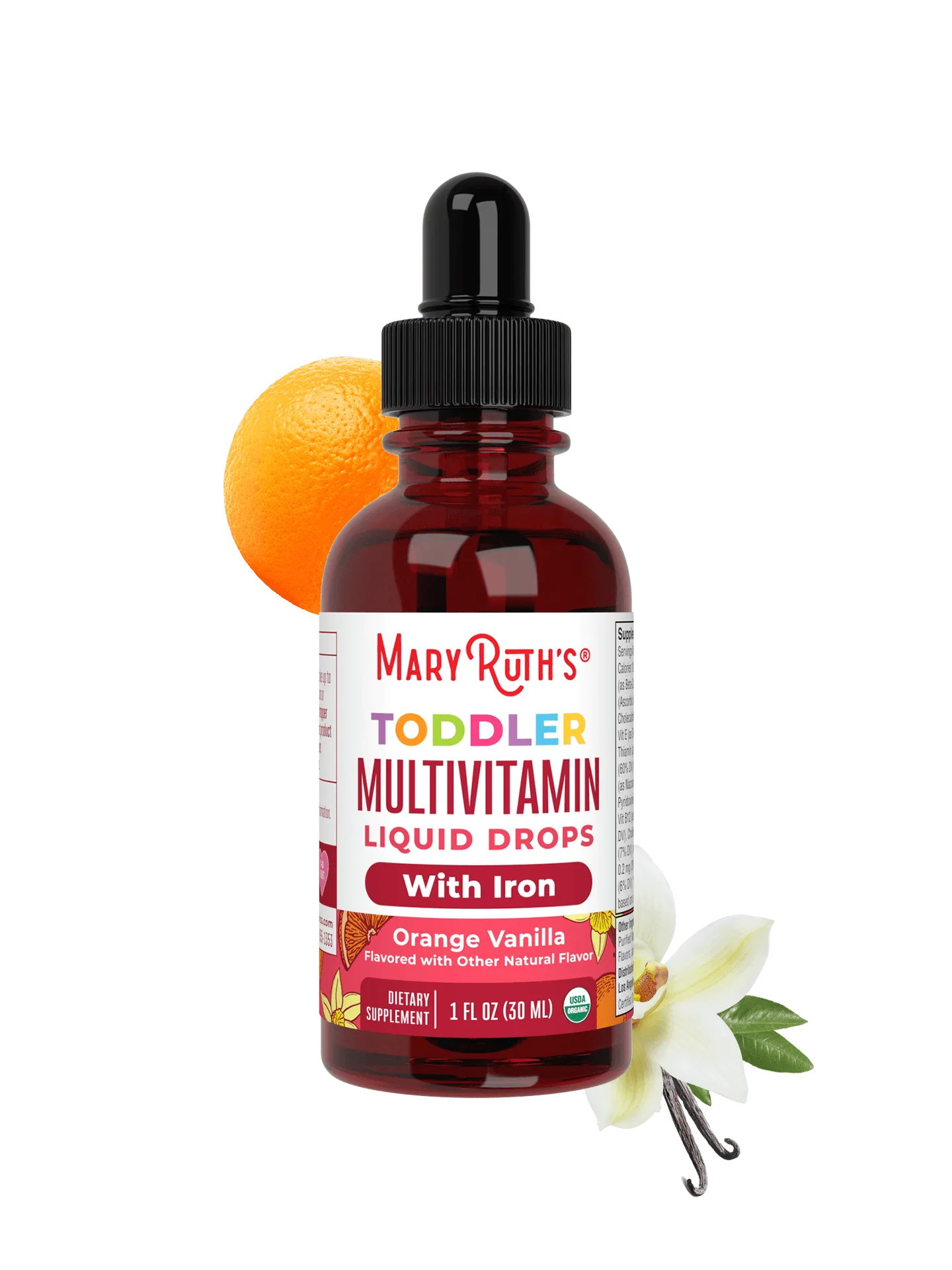
- Organic Toddler Multivitamin Liquid Drops With Iron: https://maryruthorganicsto.com/products/organic-toddler-multivitamin-liquid-drops-with-iron-381560Organic Toddler Multivitamin Liquid Drops With Iron come in an orange-vanilla flavor and include vitamins A, C, B6, B12, D3, E, iron, zinc, and choline. Flavored kids' drops are easy to leave on the counter after a dose, so put this bottle back in its cool, dark spot the moment you finish measuring.