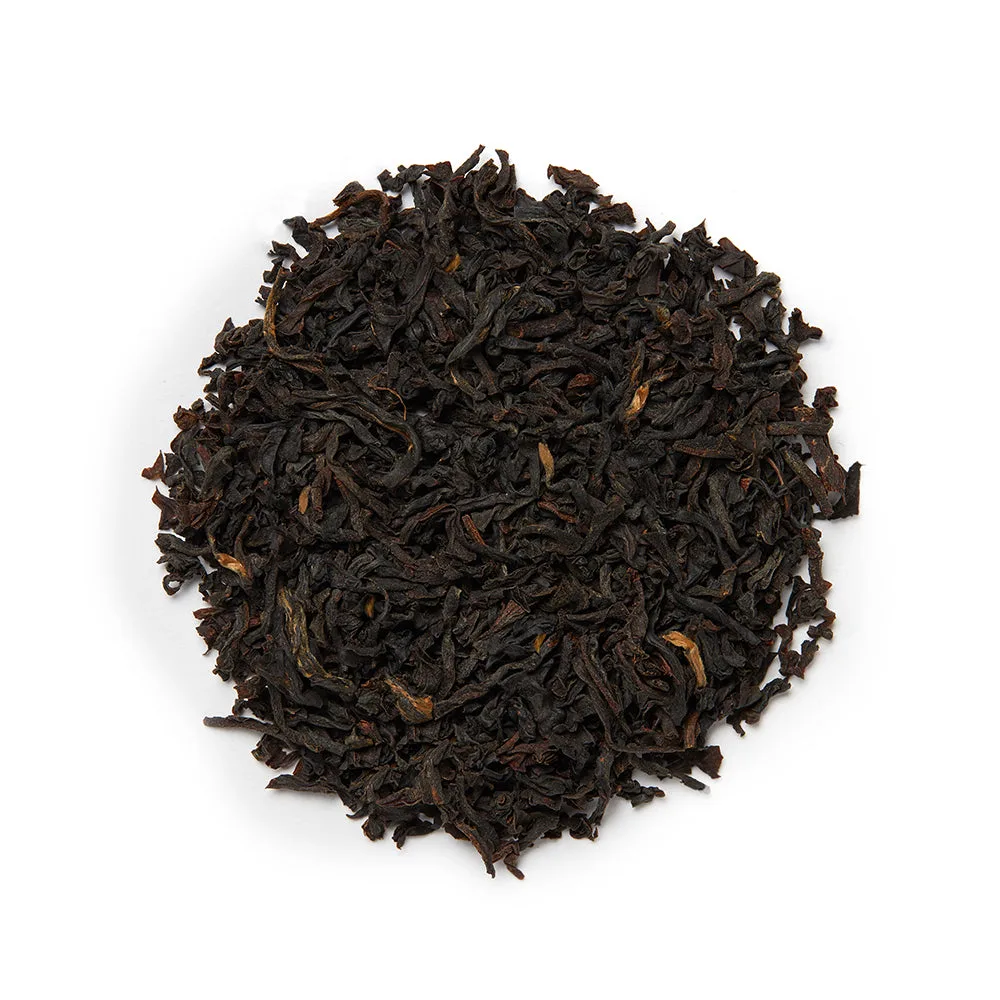
Loose leaf tea is a delicate treasure. Unlike the dusty bags found on supermarket shelves, high-quality loose leaf tea retains the essential oils, subtle aromas, and complex flavors that make every cup a journey. But if you've ever opened a tin of tea that smelled more like old cardboard than fresh leaves, you know that improper storage can ruin even the finest harvest. Whether you're savoring a rare Oolong or a soothing herbal blend, understanding how to store your tea properly is the key to preserving its magic.
In this guide, we'll walk you through the science and art of tea storage. From the enemies of freshness—light, air, moisture, and heat—to the best containers and practical tips, you'll learn everything you need to keep your tea vibrant and delicious. Whether you're a seasoned connoisseur or just starting your loose leaf journey, these tea care tips will ensure every steep is as delightful as the first.
Why Proper Tea Storage Matters
Loose leaf tea is alive with volatile compounds that create its unique flavor profile. Over time, exposure to oxygen, light, humidity, and strong odors can degrade these compounds, leading to stale, flat, or even off-tasting tea. For example, green teas like Gyokuro are especially sensitive and can lose their vegetal sweetness within weeks if not stored correctly. Similarly, delicate white teas and floral blends can absorb surrounding smells, turning a fragrant cup into a disappointing brew.
By investing in proper storage, you extend the shelf life of your tea and protect the craftsmanship that went into its production. This is particularly important for premium loose leaf teas, which are often harvested in small batches and prized for their nuanced flavors. A little care goes a long way in ensuring that every sip is as intended by the tea master.
- Oxygen is the primary culprit in flavor loss—use airtight containers to minimize exposure.
- Light, especially sunlight, can break down tea leaves and cause them to lose color and taste.
The Four Enemies of Tea Freshness
To keep your tea at its peak, you need to guard against four key elements: light, air, moisture, and heat. Light accelerates chemical reactions that fade color and degrade flavor. Air brings oxygen that oxidizes the leaves, while moisture can lead to mold or stale notes. Heat speeds up all these processes, so storing tea near a stove or in a sunny window is a recipe for disappointment.
Strong odors are another hidden threat. Tea leaves are like sponges—they readily absorb smells from spices, coffee, or even the cabinet itself. That's why it's best to store tea away from the kitchen or pantry where aromatic ingredients are kept. A dedicated, cool, dark cupboard is ideal.
- Store tea in a cool, dark place—ideally between 60-70°F (15-21°C).
- Avoid clear glass jars unless they are kept in a dark cabinet; opaque containers are best.
Choosing the Right Tea Storage Containers
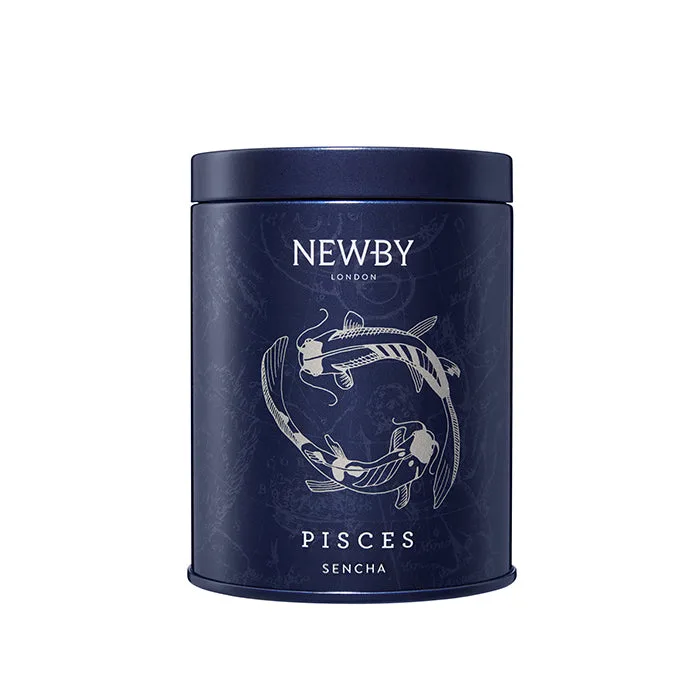
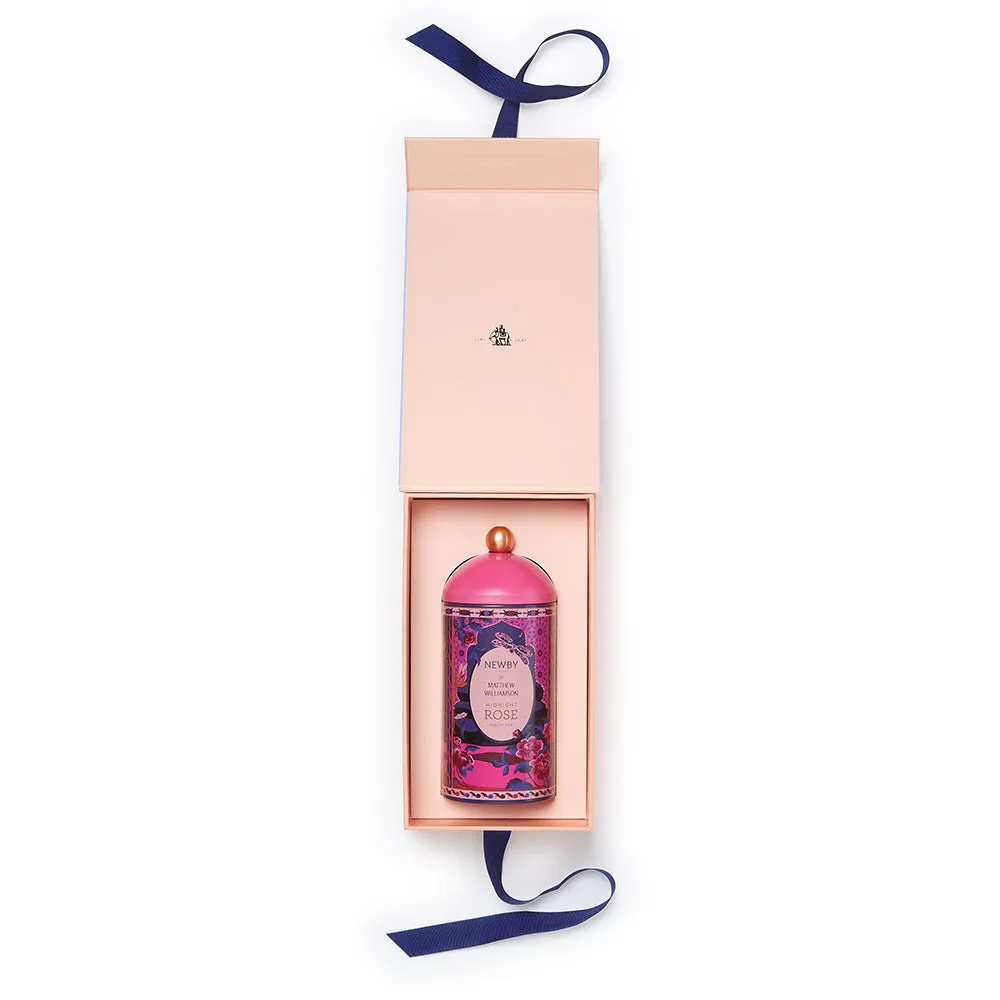
The best containers for loose leaf tea are airtight, opaque, and made from non-reactive materials. Tin caddies, ceramic jars with tight-fitting lids, and dark glass jars with rubber seals are all excellent choices. Avoid plastic containers, as they can harbor odors and may not seal as effectively over time. For long-term storage, consider vacuum-sealed bags or mylar pouches with oxygen absorbers.
At Newby Teas, we design our packaging with freshness in mind. For instance, the Royal Zafrani Gourmet Caddy 75g is a beautiful, airtight tin that not only preserves the delicate saffron-infused tea but also adds elegance to your kitchen. Similarly, the Special Formosa Gourmet Caddy 50g offers a perfect home for your prized Oolong, keeping it safe from light and air.
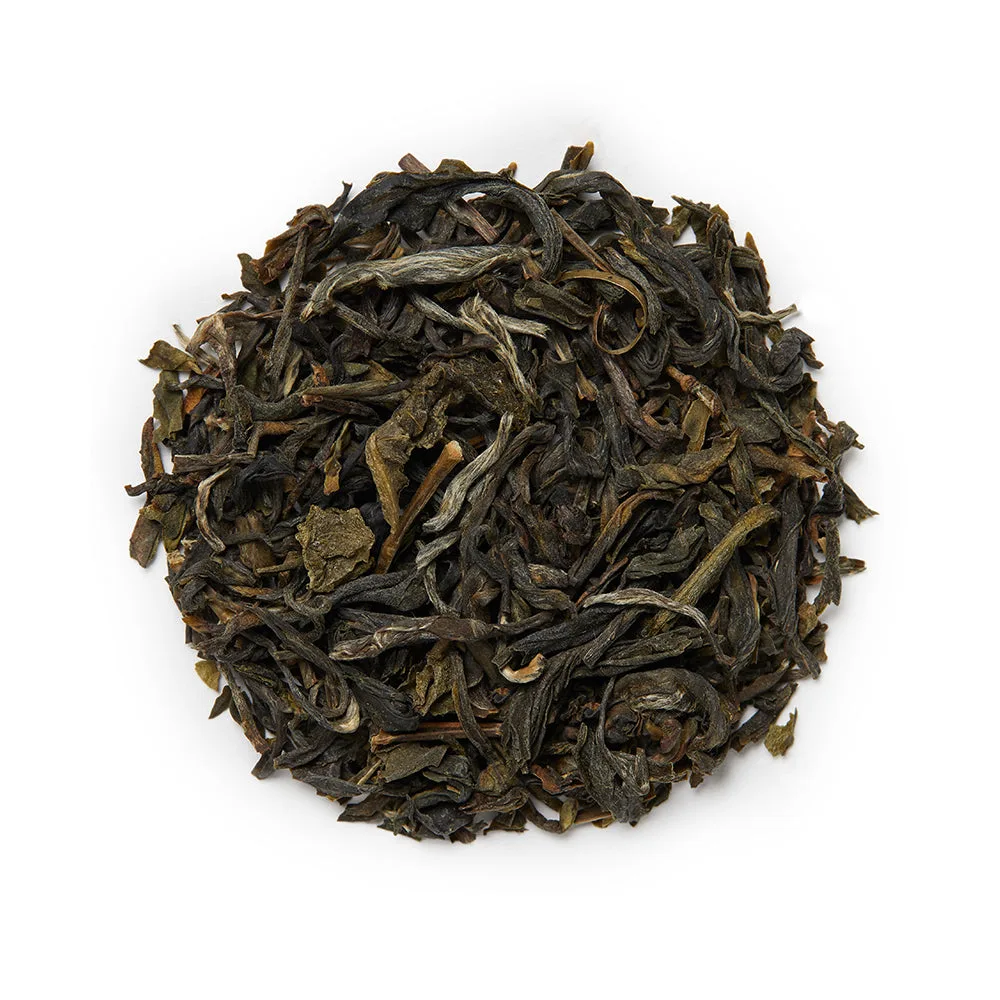
Special Formosa Gourmet Caddy 50g
- Tin caddies and ceramic jars are ideal for daily use.
- For bulk storage, divide tea into smaller portions to avoid opening a large container repeatedly.
Does Refrigeration Help or Hurt?
Refrigeration is a debated topic among tea enthusiasts. For most teas, a cool, dark cupboard is sufficient. However, for very sensitive teas like Gyokuro or matcha, refrigeration can extend freshness—but only if done correctly. The key is to use an airtight container to prevent moisture and odors from seeping in. When removing tea from the fridge, let it come to room temperature before opening to avoid condensation.
For everyday teas like Ginger Lemon Loose Leaf Pouch 250g or Forest Fiesta Loose Leaf Pouch 125g, refrigeration is unnecessary and can actually introduce unwanted moisture. Stick to room temperature storage for these blends, and you'll enjoy their bright, zesty flavors for months.
- If refrigerating, use a vacuum-sealed or double-lidded container.
- Never store tea in the freezer unless it's vacuum-packed and you plan to keep it for over a year.
How Long Does Loose Leaf Tea Stay Fresh?
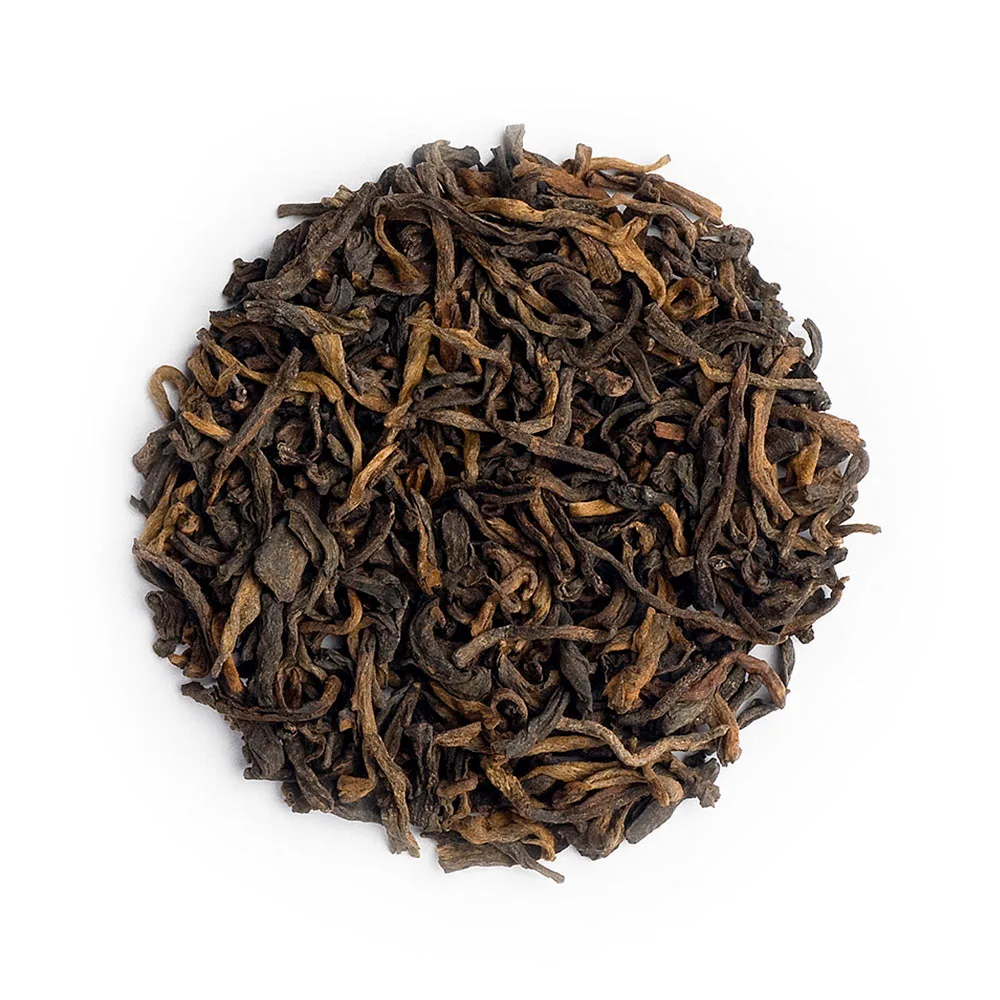
The shelf life of loose leaf tea varies by type. Green teas, with their minimal oxidation, are best enjoyed within 6-12 months of harvest. Oolongs and black teas can last 1-2 years if stored properly, while pu-erh teas actually improve with age. Herbal blends, like peppermint or chamomile, are more forgiving but will lose potency over time.
To check freshness, look at the leaves: they should be vibrant and whole, not dusty or faded. Smell them—fresh tea has a distinct, pleasant aroma. If your tea smells musty, flat, or like nothing at all, it's time to replace it. For the best experience, buy smaller quantities and rotate your stock regularly.
- Label your containers with the purchase date to track freshness.
- Whole leaf teas last longer than broken leaves or fannings.
Practical Tips for Everyday Tea Care
Incorporating good tea storage habits into your daily routine is simple. Always use a dry spoon to scoop leaves—moisture from a wet spoon can introduce mold. Keep your tea caddy away from the kettle or stove, and avoid storing it in the bathroom where humidity fluctuates. If you buy in bulk, transfer a small portion to a daily-use container and keep the rest sealed in a cool, dark place.
For those who love variety, consider using multiple small caddies. This way, you can enjoy different teas without compromising freshness. Products like the Four Seasons Spring Oolong Caddy 100g are designed for this purpose—they're airtight, attractive, and perfectly sized for a single variety.
- Clean your tea containers between refills to remove any residual oils or dust.
- Use oxygen absorbers for long-term storage of bulk tea.
Proper tea storage is a simple yet powerful way to honor the craftsmanship behind every leaf. By protecting your loose leaf tea from light, air, moisture, and heat, you ensure that each cup delivers the rich, complex flavors you love. Whether you're storing a delicate green or a robust herbal blend, these tea care tips will keep your collection fresh and ready to steep. Ready to upgrade your tea storage? Explore our range of airtight caddies and premium loose leaf teas to elevate your daily ritual.