Quick answer
Store loose leaf tea in an airtight, opaque container kept in a cool, dark, and dry place. Keep it away from strong odors and moisture. Green and herbal teas stay fresh for about 6 to 12 months, while black and oolong teas can last up to 2 years. Always check the label for specific shelf life.
Why proper storage matters for loose leaf tea
Loose leaf tea is sensitive to air, light, heat, moisture, and strong smells. Exposure to these elements causes the tea leaves to lose their essential oils and flavor compounds, resulting in a flat, stale taste. Proper storage slows down this degradation and preserves the tea's original character. Unlike tea bags, loose leaves have more surface area exposed, making them even more vulnerable. Therefore, the container and location you choose directly impact how long your tea stays enjoyable.
Choose the right container
The best containers for tea are made of non-reactive materials like tin, ceramic, or dark glass with an airtight seal. Avoid plastic containers, as they can absorb and transfer odors, and clear glass, which lets light through. If you use a clear container, store it inside a dark cabinet. Look for containers with a double-lid or silicone gasket to ensure a tight seal. Small containers that match your tea volume are better than large ones with empty space, as less air means less oxidation.
Ideal storage conditions
Keep your tea in a cool, dark, and dry place. A pantry or cabinet away from the stove, sink, and direct sunlight works well. Avoid storing tea above the refrigerator or near windows, as temperature fluctuations and light degrade quality. The ideal temperature is between 60°F and 70°F (15°C to 21°C). Humidity should be low; if you live in a humid climate, consider adding a desiccant packet to your tea container, but ensure it doesn't touch the tea.
How long does loose leaf tea last?
The shelf life of loose leaf tea varies by type. Green and white teas are the most delicate and typically stay fresh for 6 to 12 months. Oolong teas can last 12 to 18 months, while black teas retain quality for up to 2 years. Herbal teas, made from dried flowers, herbs, and spices, often last 1 to 2 years. These are general guidelines; always check the package for a specific expiration date. Once opened, tea begins to lose freshness faster, so aim to consume within the recommended time.
Common storage mistakes to avoid
Many tea drinkers unknowingly shorten their tea's life by storing it incorrectly. Avoid these pitfalls: keeping tea in its original bag once opened (unless it's resealable and airtight), storing tea near coffee or spices (tea absorbs odors), using a container that's too large (excess air speeds oxidation), and exposing tea to light (which breaks down chlorophyll and flavor compounds). Also, never store tea in the refrigerator or freezer unless it's vacuum-sealed; moisture and odors from other foods can ruin the leaves.
Step-by-step: How to store loose leaf tea properly
- Step 1: Select an airtight, opaque container: Choose a container made of tin, ceramic, or dark glass with a secure seal. Avoid plastic and clear glass. Checkpoint: Fill the container with water and turn it upside down; if it leaks, it's not airtight. A good container is the foundation of fresh tea.
- Step 2: Keep tea away from light, heat, and moisture: Store the container in a cool, dark, and dry cabinet, away from the stove, sink, and windows. Checkpoint: The storage spot should be consistently below 70°F (21°C) and not humid. Stable conditions prevent flavor loss.
- Step 3: Separate teas to avoid flavor transfer: Store each type of tea in its own container, especially strongly scented teas like mint or lavender. Checkpoint: Never mix teas in one container unless you want a blended flavor. Isolation preserves each tea's unique character.
- Step 4: Label and date your containers: Write the tea name and date of purchase or opening on the container. Checkpoint: Use a piece of tape or a sticker; this helps you track freshness and rotate your stock. Knowing the age helps you use tea before it declines.
- Step 5: Monitor and replenish: Check your tea every few months for signs of staleness: faded aroma, dull color, or a flat taste. Checkpoint: If the tea no longer smells vibrant, it's time to replace it. Regular checks ensure you always enjoy a fresh cup.
Tea1888 teas that benefit from proper storage
- Mint Green Tea: Tea1888’s Mint Green Tea is a refreshing fusion crafted to awaken your senses and rejuvenate your mind, combining natural mint, peppermint, spearmint, premium green tea leaves, and orange peel. This blend contains green tea and botanicals, so it is sensitive to light and moisture; store it in an opaque, airtight container to preserve the mint and citrus notes.
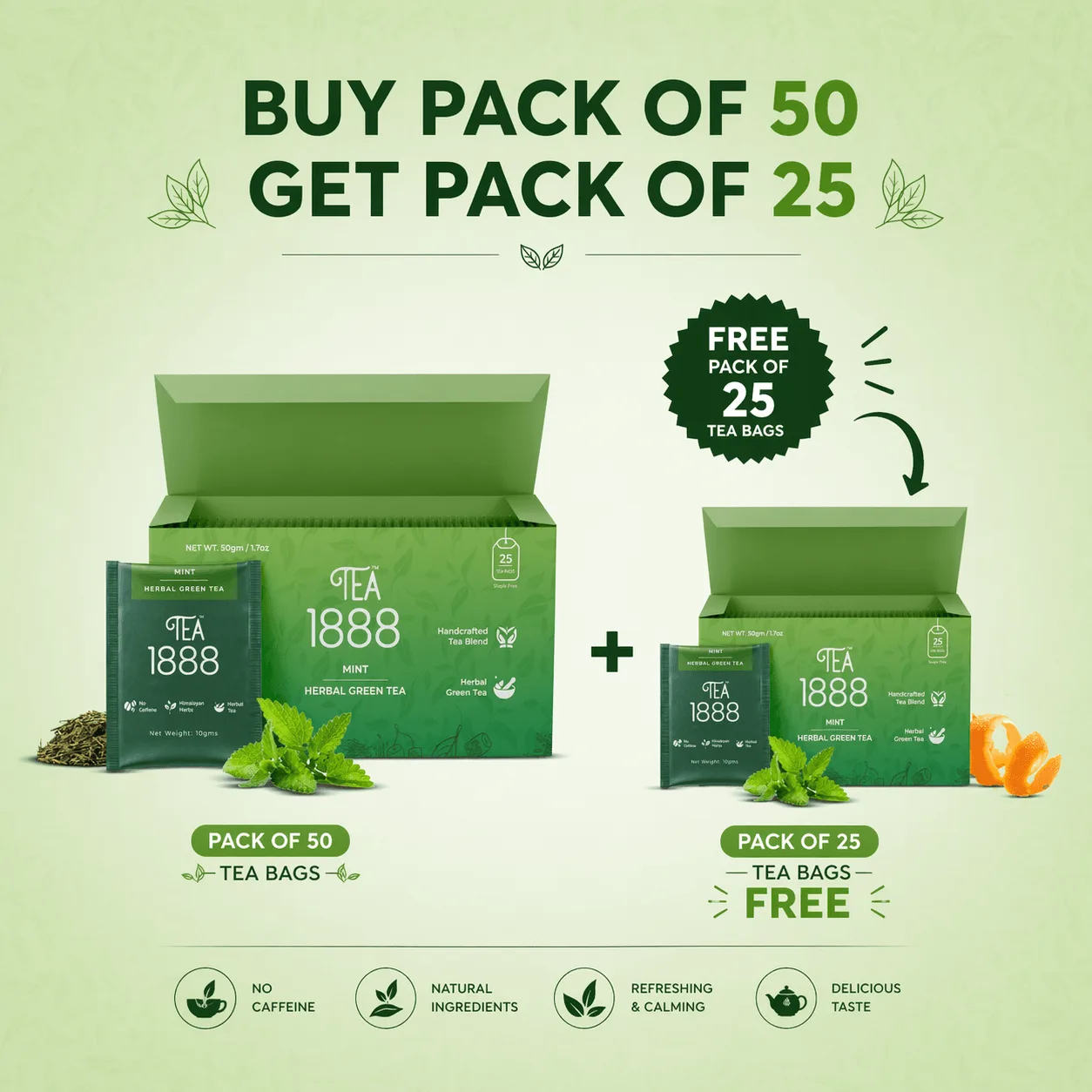
Mint Green Tea
- Kangra Green Tea: Tea1888’s Kangra Green Tea is handpicked from the high-altitude gardens of Kangra Valley in Himachal Pradesh and carries a GI tag. This delicate green tea requires careful storage away from heat and light to maintain its subtle flavor and heritage quality.
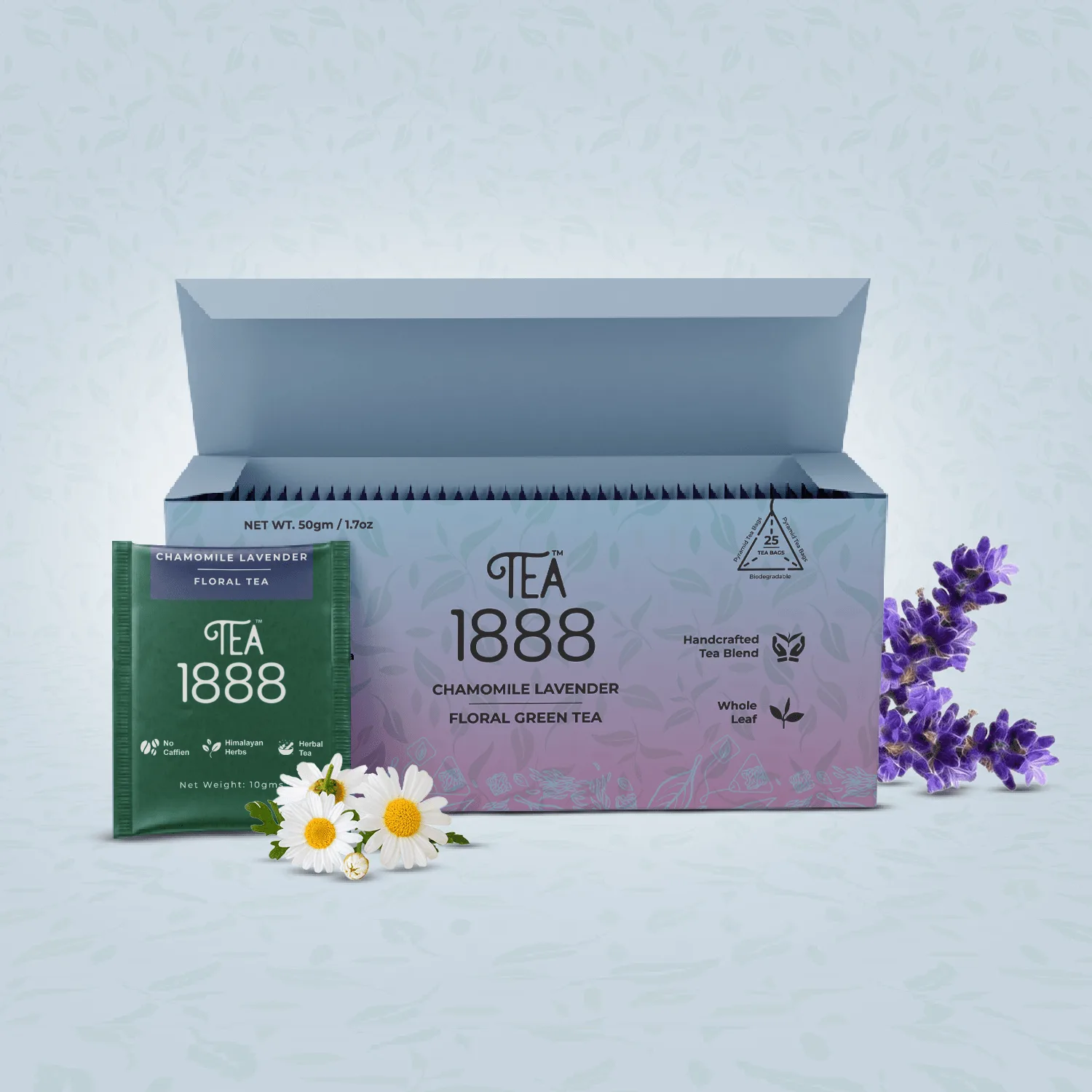
- Chamomile Lavender Green Tea: Tea1888’s Chamomile https://tea1888eg.com/products/lavender-green-tea-d182b290c640a25f9cd4c3c5-771151Lavender Green Tea blends chamomile, lavender buds, green tea, and natural stevia for a calming cup. The floral and herbal components can easily absorb surrounding odors; keep this tea in a dedicated airtight container away from spices.