Quick answer
Store loose leaf tea in an airtight, opaque container kept in a cool, dark, dry place away from strong odors. Use the smallest container that fits your tea so there is little air around the leaves. This approach keeps tea fresh for months and protects the delicate oils that carry flavor and aroma.
Why tea storage conditions matter more than the container label
Tea leaves are hygroscopic, meaning they absorb moisture and odors from the air. Heat, light, and oxygen speed up the loss of the volatile compounds that give tea its character. Even a high-quality tin will not protect tea if it sits on a sunny windowsill or next to a spice jar. The goal is stability: consistent temperature, low humidity, and no competing smells. That is why a plain airtight jar in a dark cupboard often outperforms an expensive container in the wrong spot.
How long loose leaf tea actually stays fresh
Does tea expire? In a strict food-safety sense, dry tea rarely spoils, but it does go stale. Flavor and aroma decline gradually, and the tea may taste flat, dusty, or hay-like. As a general rule, green and white teas are best within six to twelve months, oolongs within one to two years, and black, pu-erh, and most herbal blends can hold up for two years or more when stored well. Herbal tea shelf life depends heavily on the ingredients: dried fruit and floral pieces fade faster than roots, barks, and seeds. Always check the package for a best-by date, and treat it as a freshness guide rather than a hard expiration.
Tea storage container tips: what to look for and what to avoid
Choose containers made of non-reactive materials such as tin, ceramic, or dark glass with a silicone or rubber gasket. Avoid clear glass unless it lives inside a dark cabinet, and skip plastic containers that may retain odors from previous contents. If you buy tea in a resealable pouch, you can often keep it there, but press out excess air before sealing and place the pouch inside a second airtight container for extra protection. For daily use, transfer only a week or two of tea into a small jar and keep the rest sealed in bulk storage. This limits how often the main supply is exposed to air.
Where not to store your tea
The refrigerator and freezer are common mistakes. Every time you open a cold container, condensation forms on the leaves, introducing moisture that dulls flavor and can encourage mold. The exceptions are vacuum-sealed, unopened packages intended for long-term freezing, but even then you must let them come to room temperature before opening. Also avoid storing tea above the stove, beside the dishwasher, or on an open shelf near spices, coffee, or cleaning supplies. Tea picks up surrounding aromas quickly, and those odors are impossible to remove.
Step-by-step: how to store loose leaf tea properly
- Choose the right container: Select an airtight, opaque container made of tin, ceramic, or dark glass with a gasket seal. Avoid clear glass unless it is stored in a dark cabinet, and never use plastic that may carry odors from previous use. Checkpoint: the container should close with a firm seal and block all light.
- Match container size to tea volume: Use the smallest container that holds your tea comfortably. Excess headspace means more air around the leaves, which speeds up oxidation and aroma loss. Checkpoint: if the container is less than three-quarters full, move to a smaller one.
- Keep the original package for reference: If your tea came in a resealable pouch with a best-by date, cut out that date and keep it with the container, or write the date on a label. This helps you track freshness without guessing. Checkpoint: you should be able to tell when the tea was opened or purchased.
- Store in a cool, dark, dry place: A cupboard away from the stove, sink, and windows is ideal. Aim for a stable temperature between 60 and 75°F (15–24°C) and low humidity. Avoid the refrigerator and freezer for daily-use tea. Checkpoint: the spot should feel cool and dry, not warm or damp.
- Separate strongly scented teas and herbs: Store flavored, spiced, or smoky teas in their own containers, away from delicate greens and whites. Odors travel through air and can cross-contaminate even through some packaging. Checkpoint: if you can smell one tea through its container, it needs a better seal or a different location.
- Use a small daily jar and refill from bulk: Transfer only a week or two of tea into a small jar for daily use. Keep the main supply sealed and undisturbed. This minimizes how often the bulk tea is exposed to air and moisture. Checkpoint: refill the daily jar only when it is empty, not every time you brew.
- Label and date each container: Write the tea name and the date you opened it on a piece of tape or a sticky label. This is especially useful for herbal blends, which can fade faster than expected. Checkpoint: review your stash every few months and use older teas first.
Product facts that affect storage
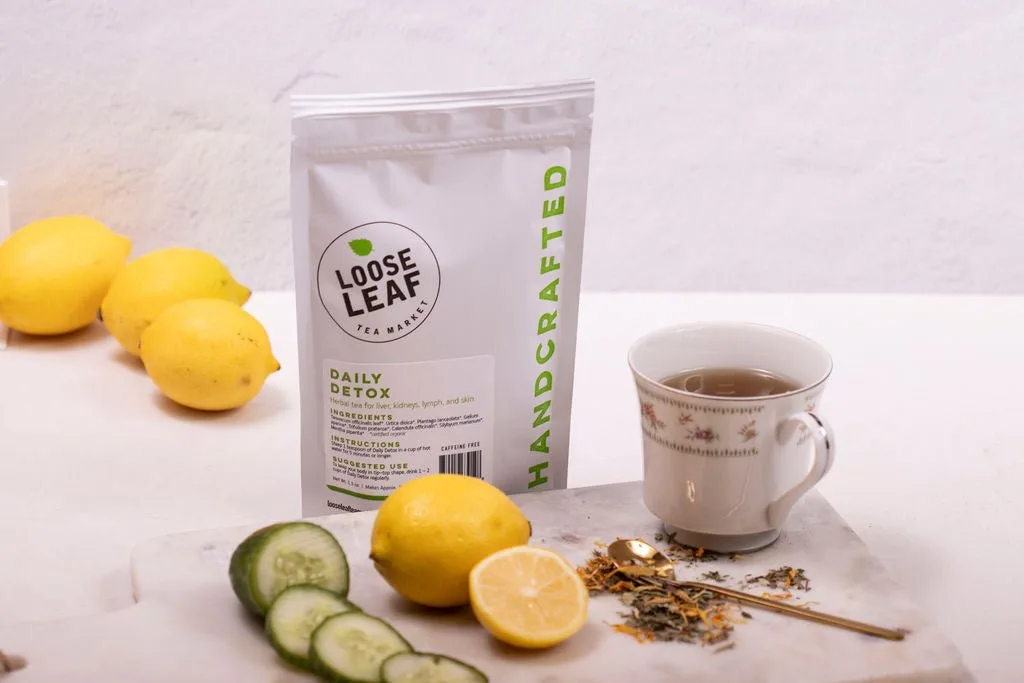
- Detox Tea - Caffeine-Free: Daily Detox is an organic caffeine-free blend of herbs that help your body do what it does naturally: detoxify itself. Unlike most detox products, Daily Detox is not a laxative. Because it is not a laxative, you can store it like any other herbal blend without special precautions. Keep it airtight and dark to preserve the herbal aroma.
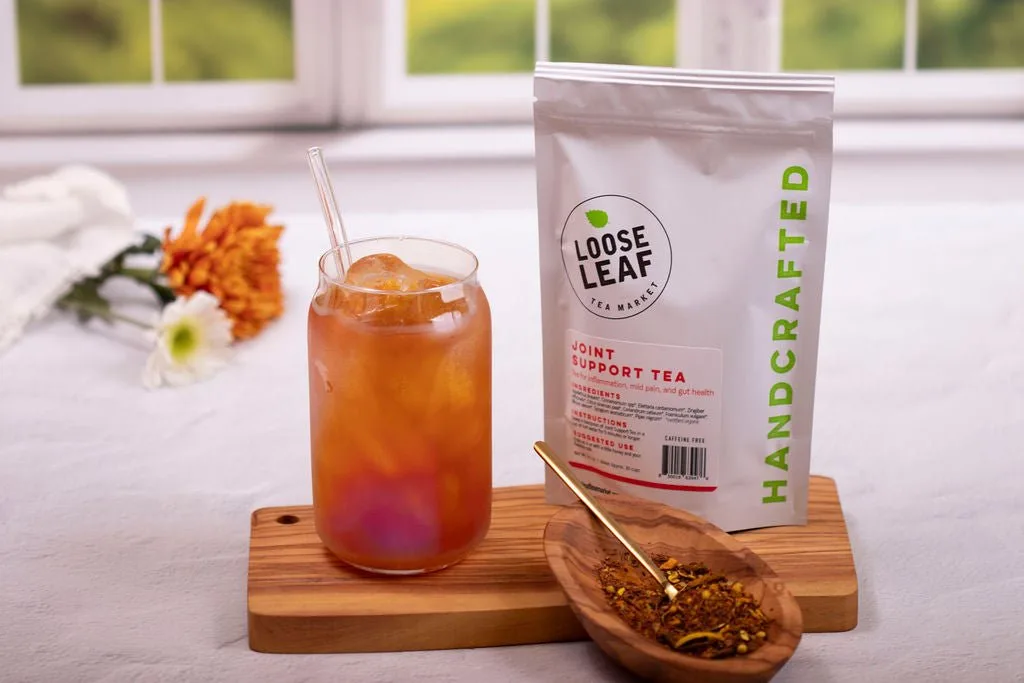
- Joint Support Tea: This lightly-spiced, fragrant tea is a great addition to your health-conscious daily routine. The botanicals used in our Joint Support Tea can help keep inflammation in check, while promoting gut health and focused energy. (Note that this tea was formerly called Turmeric Fusion) The fragrant spices in this blend are sensitive to light and air. An opaque, airtight container will help maintain the spice notes and the tea's intended character.
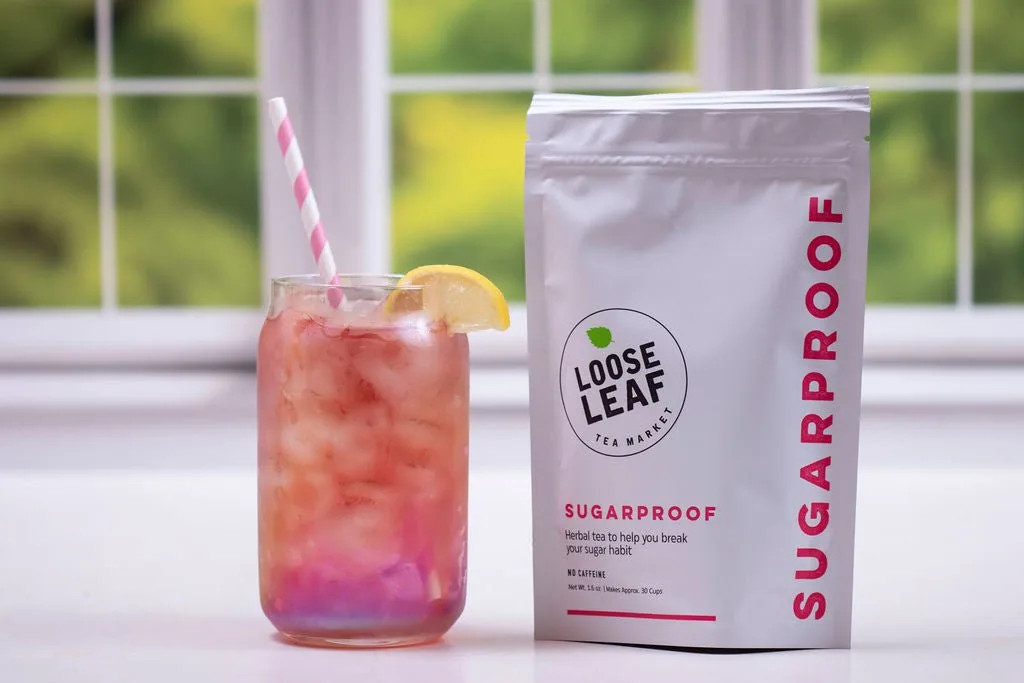
- Sugarproof Tea - Caffeine-Free Tea For Sugar Cravings: Sugarproof Tea is a blend of botanicals that block your ability to taste the sweet flavor for approx. 20 minutes. Regular use can help reduce your sugar cravings. Since this tea is used regularly, consider keeping a small amount in a dedicated jar for daily access and storing the rest sealed to protect the active botanicals from moisture and odor transfer.