You’ve just opened a beautiful pouch of loose leaf tea—perhaps a vibrant Blue Raspberry Tea or a soothing Summer in the Garden Tea. The aroma is intoxicating, the leaves are perfectly dried, and you can already taste the first sip. But if you don’t store it correctly, that freshness can fade fast. Proper tea storage is essential to preserve flavour, aroma, and health benefits, ensuring every cup tastes as delightful as the first.
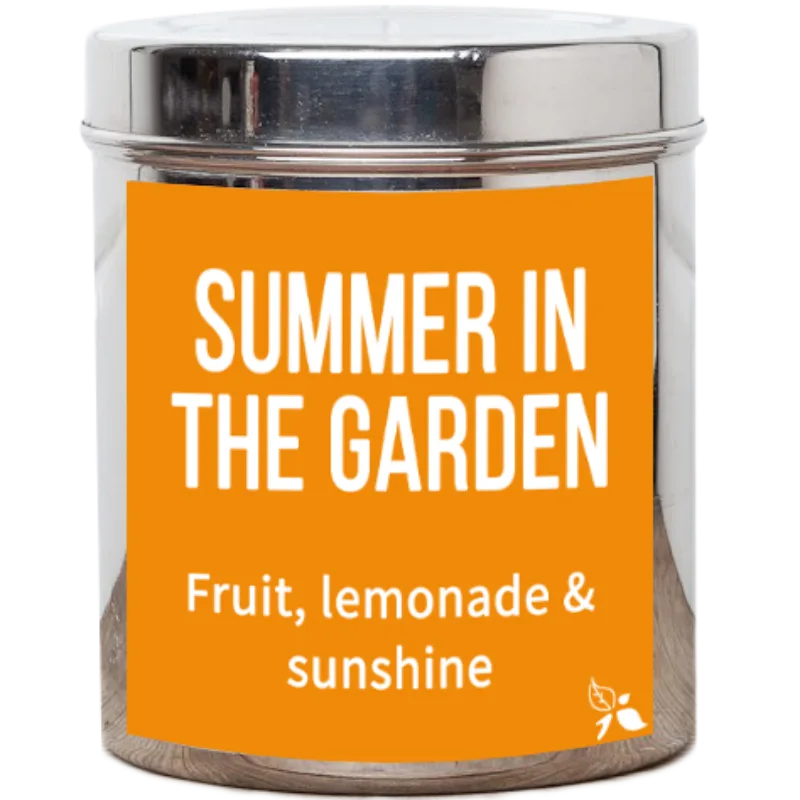
Summer in the Garden Tea
In this guide, we’ll walk you through the best practices for storing loose leaf tea, from choosing the right container to avoiding common mistakes. Whether you’re a seasoned tea lover or a curious beginner, these tips will help you keep your tea fresh for months to come.
Why Proper Tea Storage Matters
Loose leaf tea is a natural product, and like coffee or spices, it is sensitive to its environment. Exposure to air, light, moisture, and strong odours can degrade the leaves, causing them to lose their essential oils and become stale. A well-stored tea can maintain its peak flavour for up to two years (depending on the type), while poorly stored tea may become flat and lifeless in just a few weeks.
The main enemies of tea freshness are oxygen, light, heat, humidity, and odours. Oxygen triggers oxidation, which alters the chemical compounds in the leaves. Light, especially sunlight, breaks down chlorophyll and other pigments, leading to a dull taste. Heat accelerates chemical reactions, while moisture can cause mould or clumping. Strong odours (like spices or coffee) can also be absorbed by the tea, ruining its delicate flavour profile.
- Always store tea in a cool, dark place away from direct sunlight.
- Keep tea away from the stove, oven, or any heat source.
- Avoid storing tea near strong-smelling items like garlic or cleaning products.
Choosing the Right Container: Airtight Tea Tins and Jars
The single most important rule for tea storage is to use an airtight container. Air is the biggest culprit in flavour loss, so a container that seals tightly is non-negotiable. The best options are opaque, airtight tins or ceramic jars with a tight-fitting lid. Glass jars can work if they are kept in a dark cupboard, but clear glass exposes tea to light, which can degrade quality over time.
Many tea lovers prefer dedicated tea tins because they block light completely and create a near-perfect seal. If you buy loose leaf tea in bulk, consider transferring it to a smaller tin that you open frequently, and keep the rest in a larger, sealed container. This minimises the amount of air that reaches the bulk supply. For example, a fresh batch of https://freshrootsai.com/products/classic-chai-powder-135625Classic Chai Powder benefits from being stored in an airtight tin to preserve its spicy aroma and vibrant colour.
- Opt for opaque, airtight tins made of tinplate or stainless steel.
- Ceramic jars with rubber gaskets are also excellent choices.
- Avoid plastic containers, as they can impart a plastic taste over time.
Temperature and Humidity: Finding the Sweet Spot
Tea prefers a cool, stable temperature—ideally between 15°C and 25°C (59°F–77°F). Avoid storing tea in the refrigerator or freezer unless you have a specific reason (such as long-term storage of matcha). The fridge introduces moisture and odours, which can ruin the tea. Instead, find a dark pantry or cupboard away from the stove, dishwasher, or radiator.
Humidity is equally important. Tea leaves are hygroscopic, meaning they absorb moisture from the air. High humidity can cause leaves to become limp or mouldy, while very dry conditions may make them brittle. Aim for a relative humidity of around 50–60%. If you live in a humid climate, consider adding a food-grade silica gel packet (but ensure it doesn’t touch the tea directly) to your container.
- Store tea in a cool, dark cupboard—not above the stove or near the fridge.
- Avoid the refrigerator unless you are storing matcha long-term (and use an airtight bag).
- Use silica gel packets in humid environments to absorb excess moisture.
Special Considerations for Different Tea Types
Not all teas are created equal when it comes to storage. Green teas are more delicate and should be consumed within six months to a year, while black teas and pu-erh can age gracefully for years if stored properly. Herbal teas and blends (like fruit infusions) also have varying shelf lives—dried fruits and flowers may lose potency faster than pure leaf teas.
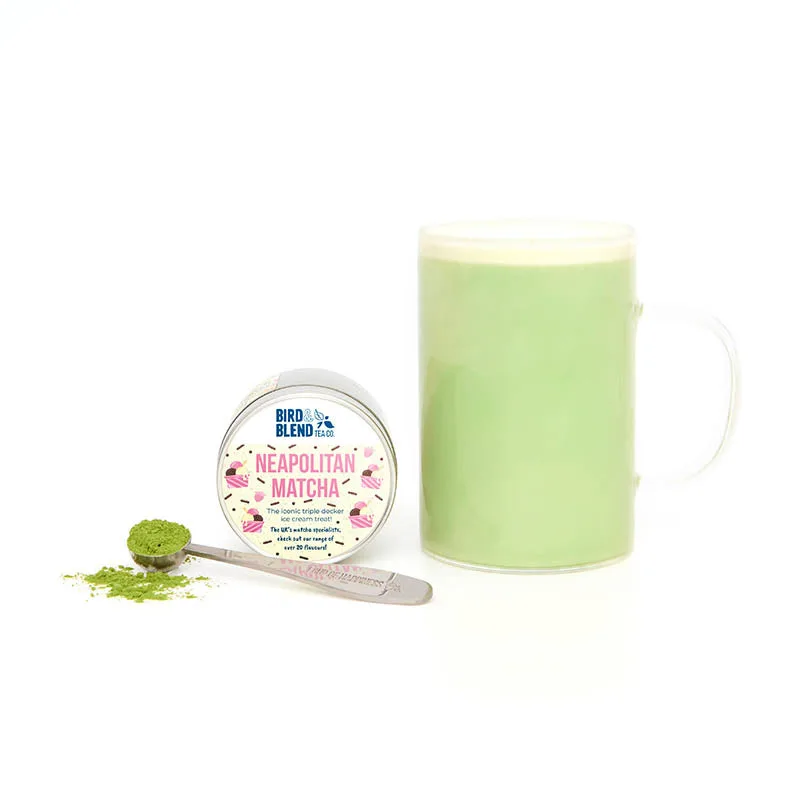
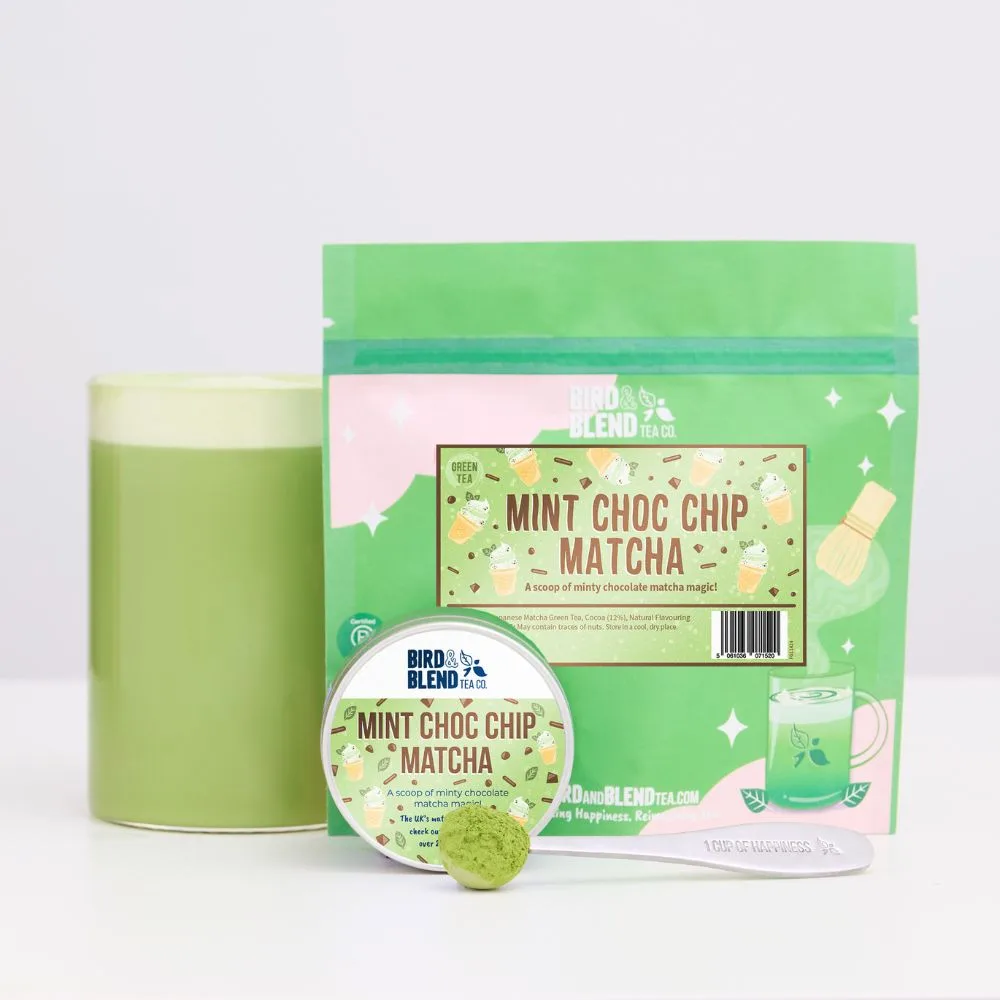
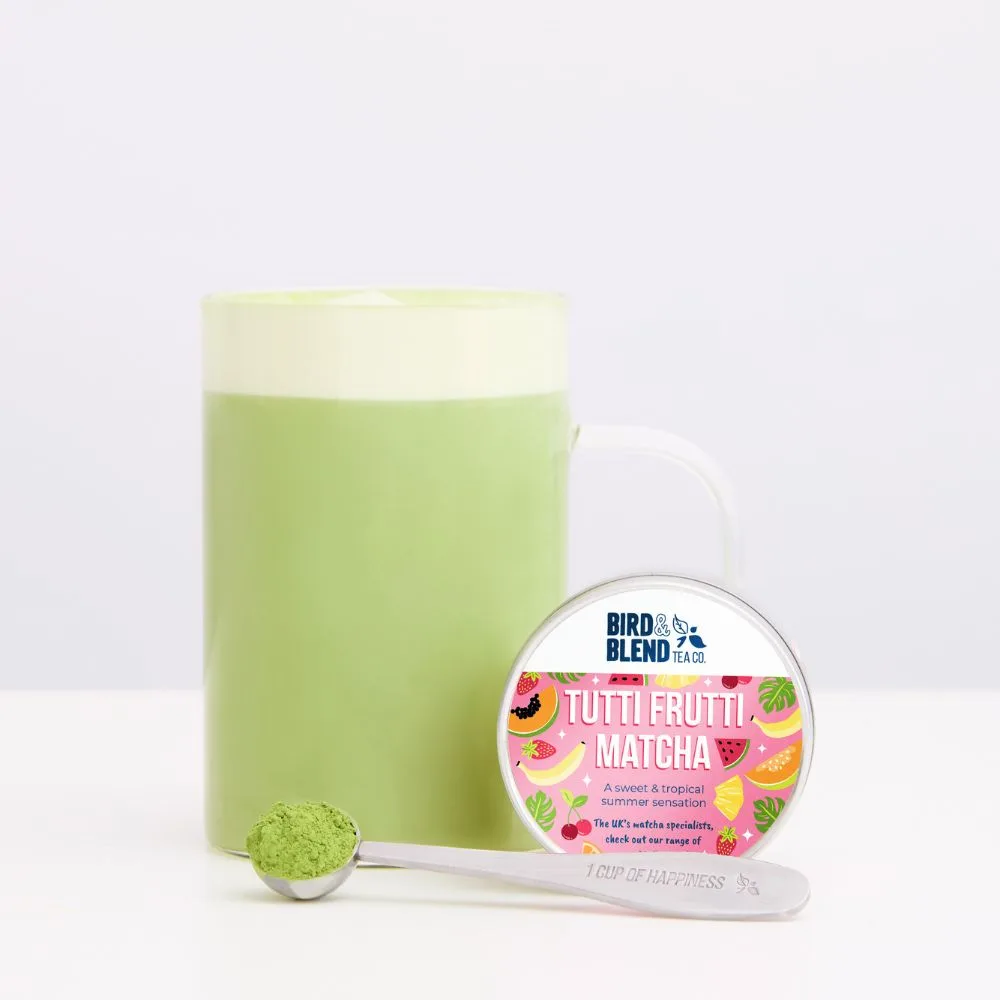
For powdered teas like matcha, the rules are even stricter. Matcha is ground to a fine powder, which means it has a larger surface area exposed to air. It should be stored in an airtight container in a cool, dark place, and consumed within a few months of opening. Our Matcha Starter Kit includes a small, opaque tin that’s perfect for daily use, keeping your matcha vibrant and fresh for every whisk.
- Green tea: consume within 6–12 months; store in a cool, dark place.
- Black tea: can last 2–3 years; store in an airtight tin.
- Herbal blends: best within 6–12 months; check for dried fruit or flowers.
- Matcha: store in an airtight, opaque container; use within 2–3 months of opening.
Common Tea Storage Mistakes to Avoid
Even experienced tea drinkers sometimes make storage errors. One common mistake is leaving tea in its original bag after opening. Many tea pouches are not resealable or airtight, so transfer the leaves to a proper container as soon as you break the seal. Another mistake is storing tea in the refrigerator—condensation can form when the container is taken out, introducing moisture.
Also, avoid using containers that previously held coffee, spices, or other strongly scented items—the odours can linger and transfer to your tea. Finally, don’t store tea in clear glass jars on a sunny windowsill, no matter how pretty it looks. The light will degrade the leaves quickly. Keep your tea stash in a designated spot that’s dark, cool, and dry.
- Don’t leave tea in its original bag after opening—transfer to an airtight tin.
- Never store tea in the fridge or freezer (except for long-term matcha storage).
- Avoid containers that previously held strong-smelling foods.
- Keep tea away from windowsills, stoves, and radiators.
By following these simple storage guidelines, you can ensure every cup of loose leaf tea tastes as fresh and vibrant as the day it was blended. Whether you’re enjoying a fruity Blue Raspberry Tea or a comforting Classic Chai Powder, proper storage makes all the difference. Ready to upgrade your tea storage? Explore our range of airtight tins and accessories to keep your favourite blends at their best.