Quick answer
Clean every item first, dry it completely, then store gear loosely in a cool, dark, dry place. Never pack damp gear into airtight bins, and never leave booties or harnesses compressed under heavy items. A simple five-step routine keeps straps, insulation, and rubber soles ready for the next season.
Why off-season care matters more than you think
Dog gear takes a beating during active months: mud, salt, snow, sweat, and UV exposure all degrade fabrics, webbing, and rubber. If you put gear away dirty or damp, mold and mildew can grow in storage, and rubber can crack or become brittle. A few hours of care in the off-season can add multiple seasons of useful life to your harness, jacket, leash, and booties.
The biggest mistake people make is treating storage as an afterthought. Gear gets shoved into a garage bin while still damp from the last muddy run. By the time winter returns, straps smell musty, buckles are corroded, and bootie soles have hardened. The fix is a consistent routine, not special products.
What to check before you store anything
Before cleaning, inspect each item for wear. Look for frayed webbing, cracked buckles, worn Velcro, flat spots on bungee cords, and thin spots in jacket insulation. Catching damage now gives you time to repair or replace items before the next season starts. If a buckle is cracked or a strap is frayed more than a few millimeters, replace the item rather than risk a failure on the trail.
Off-season gear care: step-by-step
- 1. Brush off loose dirt and debris: Before any washing, use a soft brush or dry cloth to remove dried mud, sand, and hair from harnesses, jackets, leashes, and booties. Pay attention to Velcro straps and buckle crevices where grit hides. Common mistake: skipping this step and washing mud into the fabric, which can clog drainage and leave stains. Checkpoint: no visible clumps of dirt or hair remain on straps or seams.
- 2. Hand-wash with mild soap and lukewarm water: Use a gentle, non-detergent soap (like castile soap or a pet-safe gear cleaner) and lukewarm water. Never use bleach, fabric softener, or harsh chemicals—they break down water-repellent coatings and weaken webbing. For jackets, spot-clean or gently agitate by hand; do not wring or twist. For booties, rinse the rubber soles separately to remove salt and grit. Common mistake: machine-washing on a heavy cycle, which can damage buckles and insulation. Checkpoint: rinse water runs clear and no soap residue remains.
- 3. Air-dry completely away from direct heat: Hang or lay items flat in a well-ventilated area, out of direct sunlight and away from radiators or heaters. Heat can warp rubber soles, crack waterproof coatings, and shrink webbing. Booties should be stuffed loosely with newspaper or a dry cloth to hold their shape while drying. Jackets should be hung or laid flat to preserve insulation loft. Common mistake: rushing the process with a hair dryer or putting gear away while still damp—even slightly damp gear grows mold in storage. Checkpoint: every strap, seam, and pocket feels completely dry to the touch. This can take 24–48 hours.
- 4. Store loosely in a cool, dark, dry place: Use breathable cotton bags, mesh sacks, or open shelves—not airtight plastic bins, which trap moisture. Keep gear out of direct sunlight and away from extreme temperatures (attics and damp basements are poor choices). Hang harnesses and leashes by their straps or coil them loosely; never fold or crease them sharply. Store booties in a loose mesh bag so they keep their shape. Common mistake: compressing gear into a tight bin, which crushes insulation, deforms bootie soles, and puts permanent kinks in bungee leashes. Checkpoint: gear is not crushed, folded tightly, or sealed in plastic.
- 5. Do a mid-storage check halfway through the off-season: About halfway through the off-season, open your storage area and inspect each item. Look for signs of moisture, pest damage, or new wear you missed earlier. If you find dampness, re-dry the item immediately. This quick check takes ten minutes and catches problems before they become permanent. Common mistake: assuming once stored, gear is safe until next season—mold and pests can work silently for months. Checkpoint: no musty smell, no visible mold, no chewed straps or holes.
Gear built to last with proper care
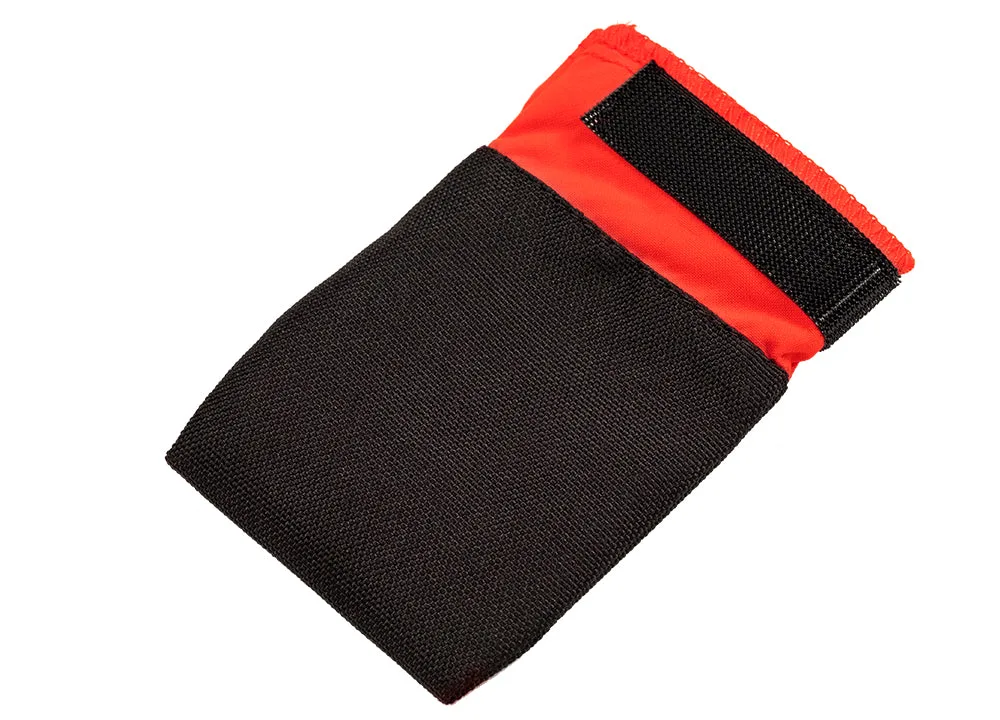
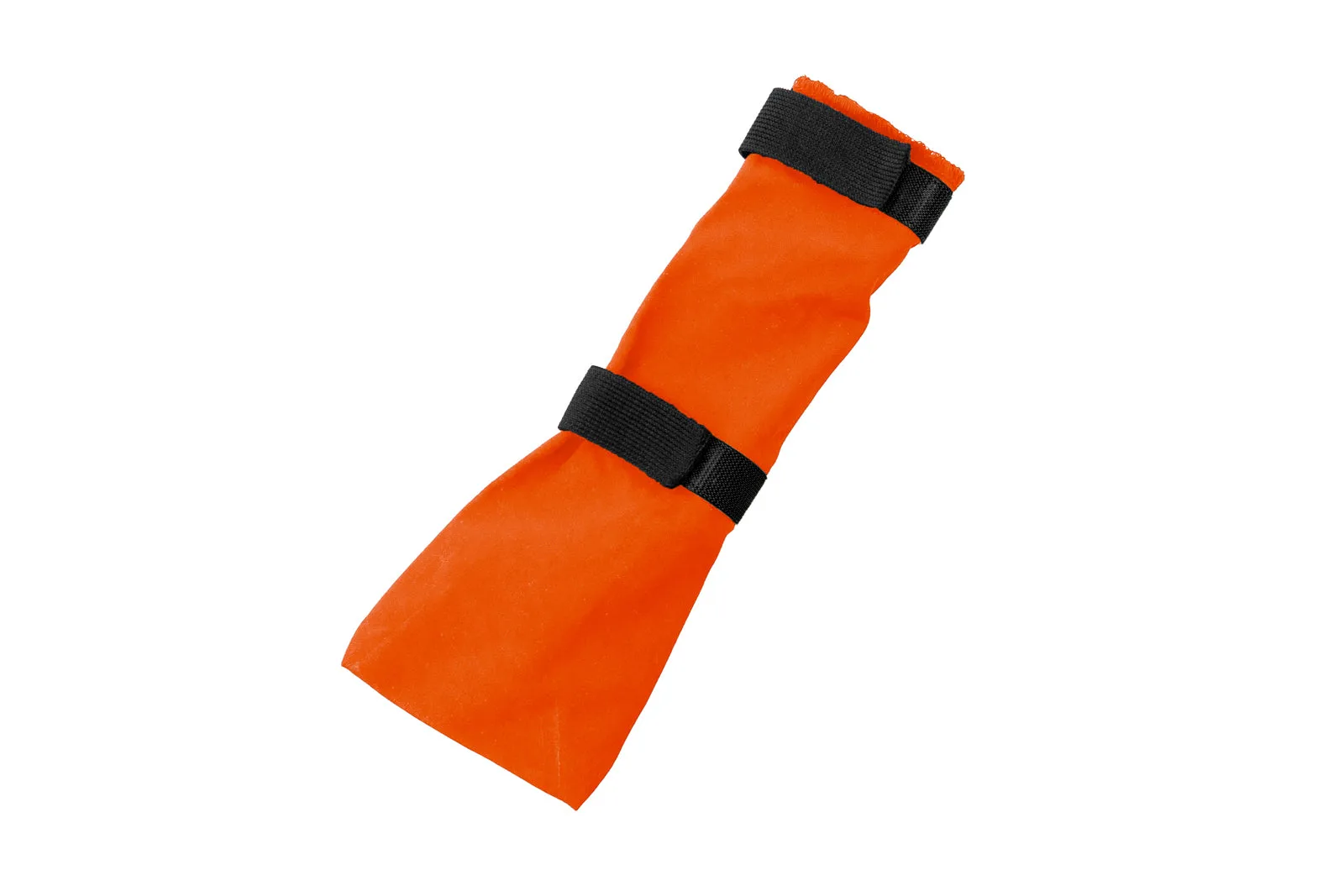
- Contact bootie: Light and soft dog booties for winter and paw protection on various types of terrain, offering maximum ground feeling and freedom of movement. Tested and proven by the World’s best mushers. Because these booties are designed for ground feel and freedom of movement, the rubber soles and soft uppers need careful storage to avoid cracking or losing flexibility. Store them loosely, not crushed under heavy gear.
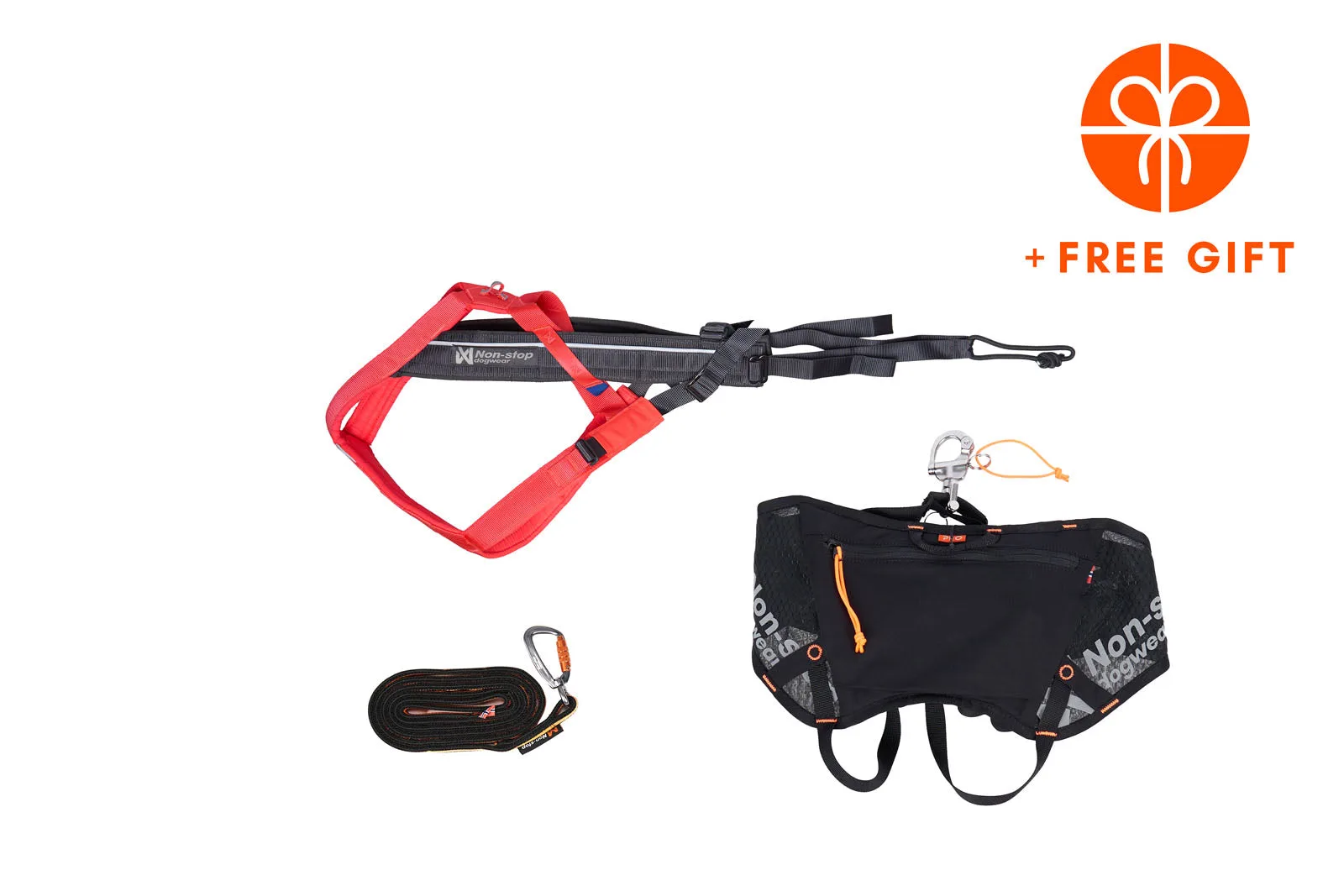
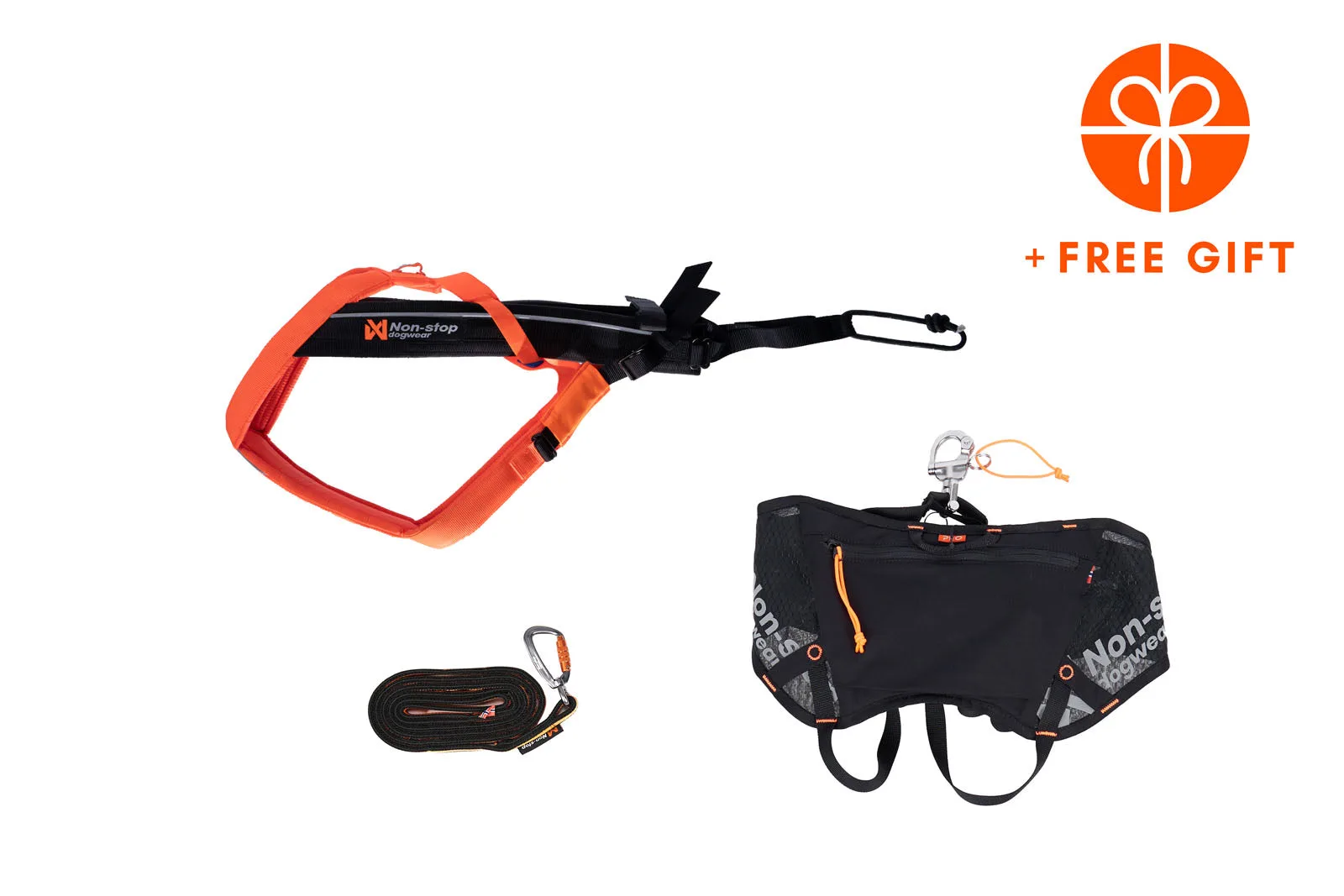
- Skiing kit Pink/gray: A complete set for skijoring with your dog, containing https://nonstopdogwearoz.com/products/freemotion-harness-5-b3aec08d83ae6df2d3cd936d-582049Freemotion harness 5.0, Bungee leash, https://nonstopdogwearoz.com/products/loype-belt-pro-35bcd8f059326f4c2c9442e3-582006Løype belt pro and a free gift. This kit includes multiple items with different materials—webbing, bungee, and belt padding—so each piece needs separate cleaning and drying before off-season storage. Don't store the bungee leash stretched or coiled tightly.
- Trail isolator jacket 2.0 men's: A lightweight and packable year-round jacket suitable for all weather conditions. Featuring a reinforced shell and multiple pockets, this insulated jacket is ideal for dog sports. The reinforced shell and insulation require gentle cleaning and thorough drying before storage. Packing it damp can compress insulation and cause mildew in the pockets.