Quick answer
Store natural bar soap in a well-draining dish away from direct water, let each bar dry completely between uses, and keep spares in a cool, dry place with airflow. If you use a tallow and goat milk bar, the same rules apply, but drying matters even more because milk and oil-rich bars can soften quickly when left wet.
Why natural bars need different storage than commercial soap
Natural bars often contain oils, butters, milk, and clays that stay softer than commercial detergent bars. That is not a flaw, but it does mean water exposure shortens their life faster. A bar left in a puddle will slowly absorb water, lose structure, and dissolve before you have used most of it. The goal is simple: keep the bar dry between uses and give it air on all sides.
Choose the right soap dish for drainage
The dish matters more than most people expect. A flat ceramic dish with no holes traps water under the bar, which is the fastest way to create a mushy layer. Look for a dish with raised ridges or slots that let water drip away, or use a soap saver bag that hangs to dry. If your current dish has no drainage, you can add a small stainless steel rack inside it as a quick fix.
Rotation and backup storage for spares
Buying a few bars at once is practical, but spares need different storage than the bar in active use. Keep unopened bars in a cool, dry cabinet or drawer, ideally in a breathable wrapper or a cotton bag rather than sealed plastic. Plastic can trap moisture if the bar was packaged before it fully cured. Rotate older bars to the front so you use them first, and avoid storing soap directly on metal shelves that can rust or leave marks.
Step-by-step: store natural bar soap so it lasts
- Start with a fully dry bar: After each use, rinse off loose lather and stand the bar on its edge so air reaches the bottom. If the bar still feels slick, pat it with a dry cloth before placing it back. Checkpoint: the bar should not leave a wet ring on the dish.
- Use a draining dish or soap saver: Place the bar on a ridged dish, a slotted tray, or in a hanging soap saver bag. Keep the dish away from the direct spray of the showerhead and out of standing water. Common mistake: leaving the bar in a flat, water-filled dish overnight.
- Rotate one bar at a time: Use one bar until it is gone before starting another. If you like variety, keep only one bar in the shower and store the rest dry. This gives each bar a full drying cycle instead of keeping several bars damp at once. Checkpoint: spares should be stored dry, not in the shower.
- Store spares in a cool, dry place: Keep unopened bars in a cabinet or drawer away from heat, humidity, and direct sunlight. A breathable cotton bag or original paper wrapper works better than sealed plastic, which can trap moisture. Common mistake: storing soap in a sealed plastic bin in a steamy bathroom.
- Handle milk and honey bars with extra care: Tallow and goat milk soaps can soften faster than plain bars. If your bar feels sticky, move it to a drier spot, use a soap saver bag, and let it air-dry longer between uses. Next step: if the bar stays soft, switch to a dish with more airflow.
Product facts that affect storage
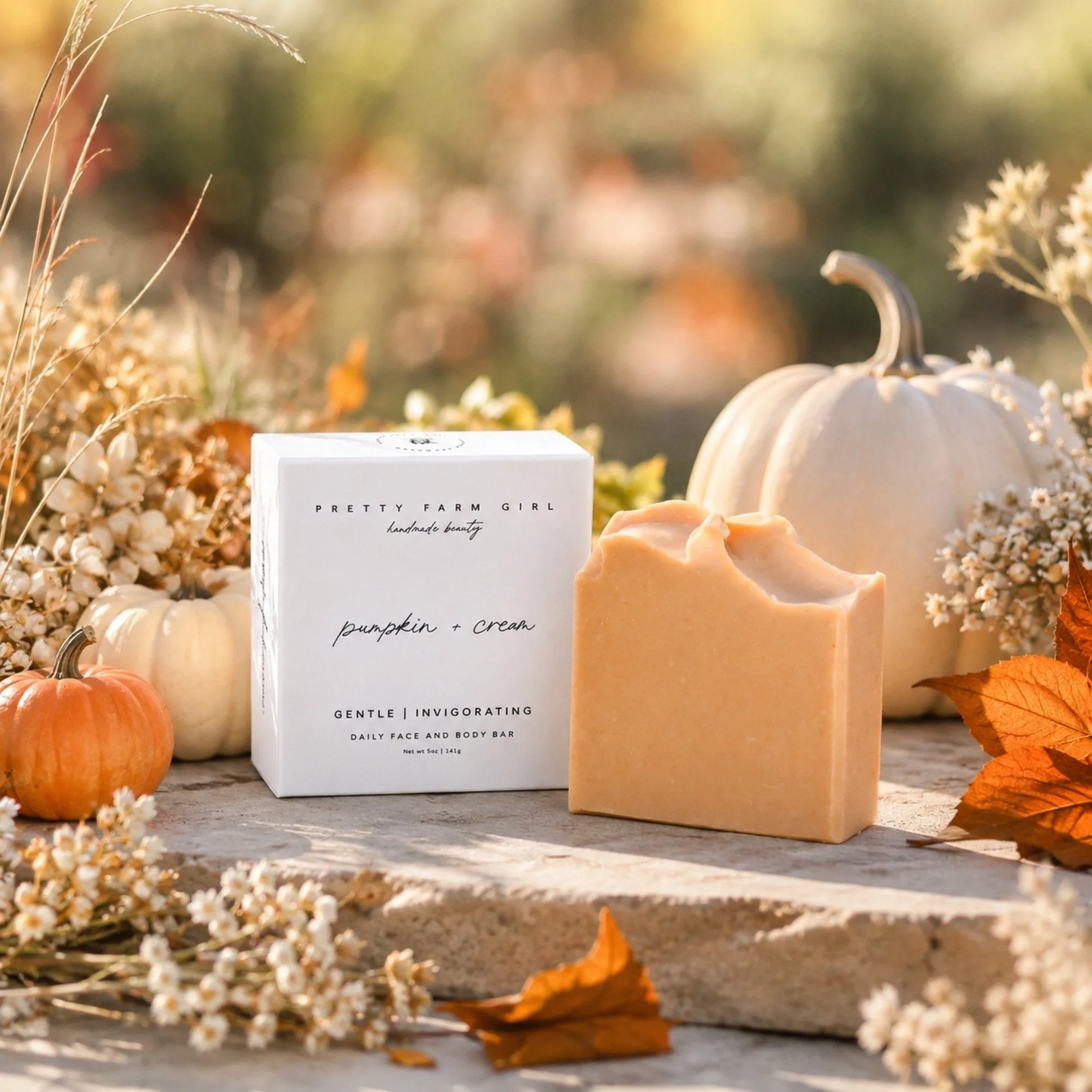
- Pumpkin + Cream Handmade Tallow and Goat Milk Soap Bar: Contains tallow, goat milk, goat milk kefir, honey, and pumpkin powder. Milk and honey can make the bar feel softer, so letting it dry fully between uses helps it keep its shape.
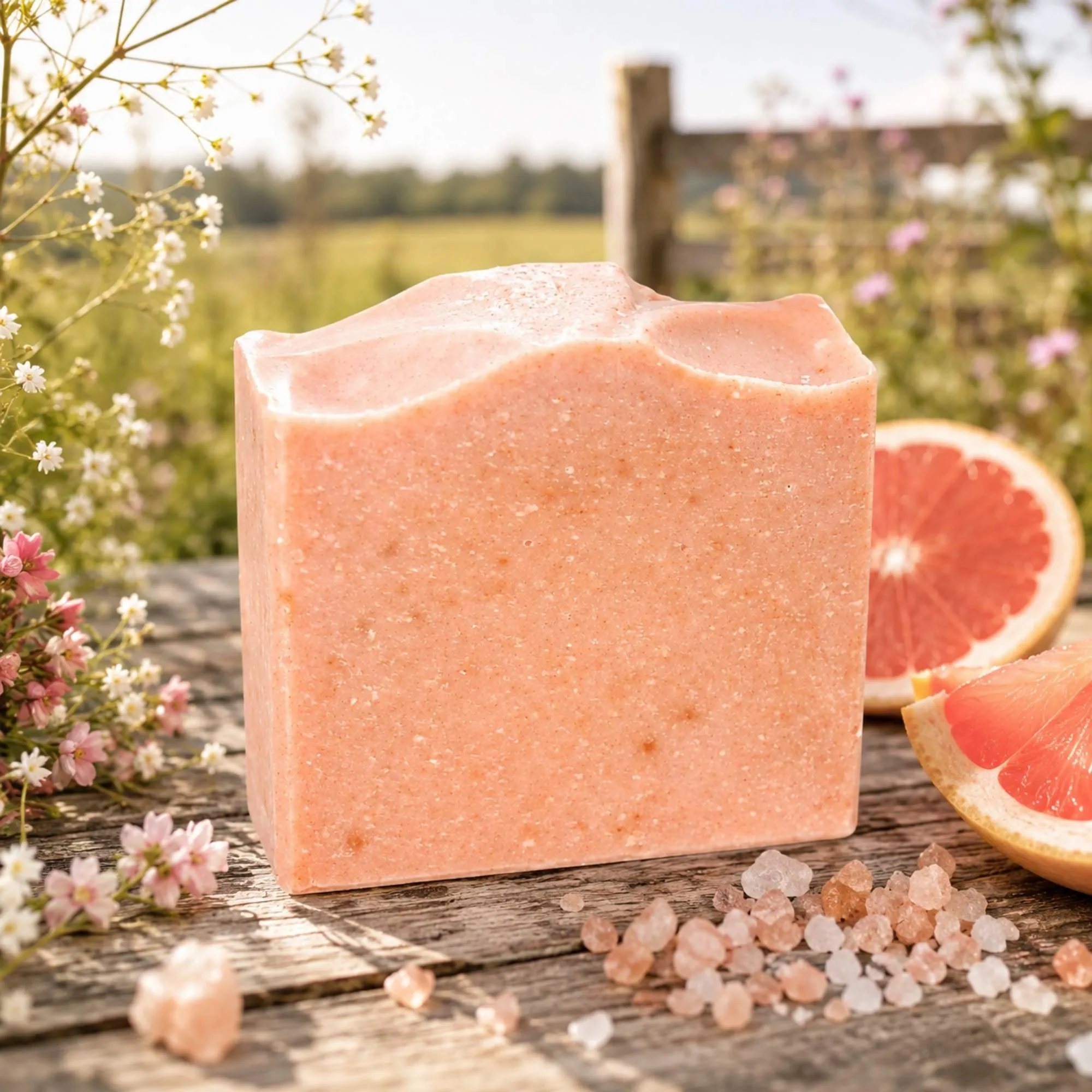
- Pink Salt + Grapefruit Cleansing Bar Handmade Tallow and Goat Milk Soap Bar: Contains tallow, goat milk, goat milk kefir, honey, salt, and clays including illite and kaolin. Salt and clay can absorb moisture from the air, so store this bar in a dry spot rather than a damp shower corner.
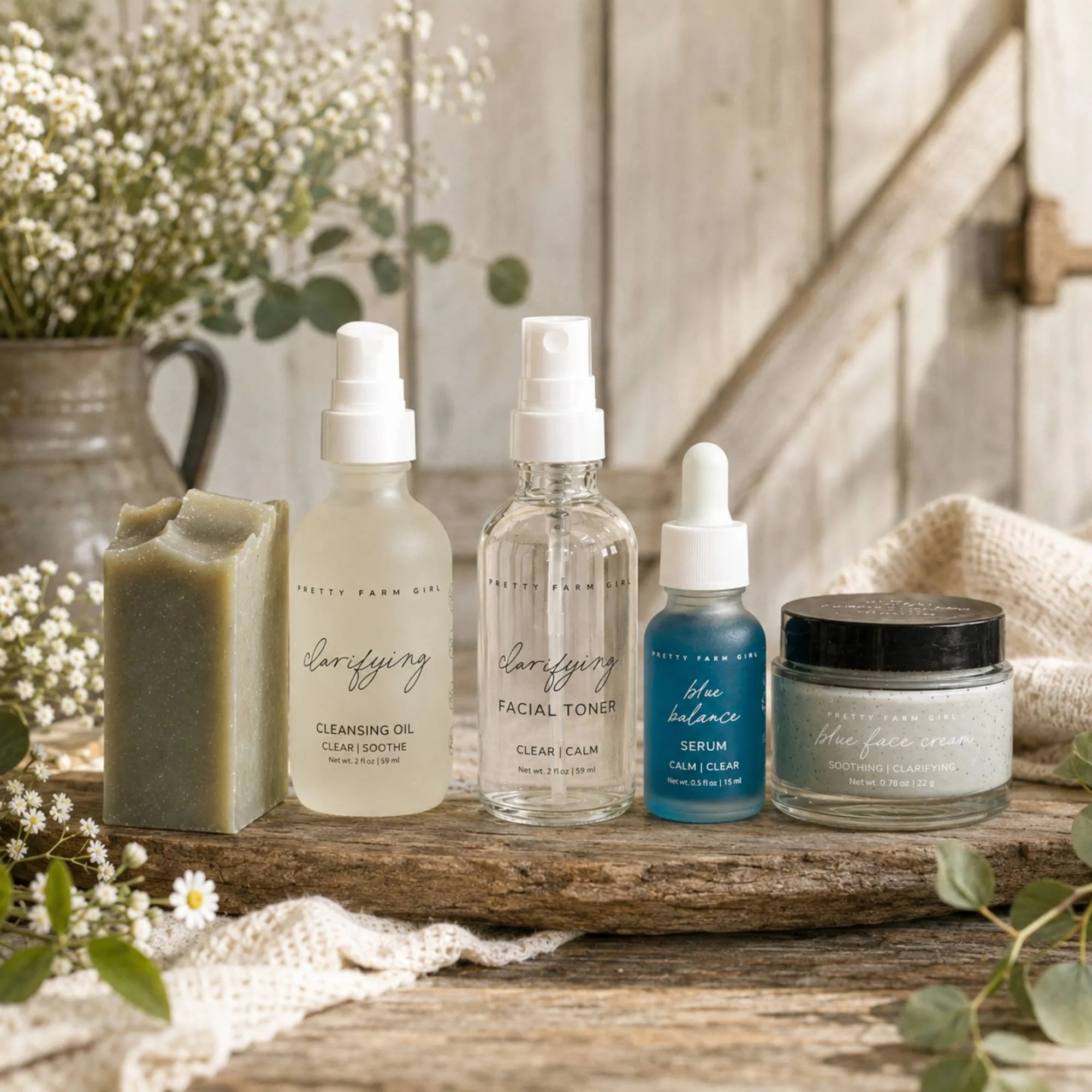
- Skin Redness Skincare Routine Kit: The Skin Redness Skincare Routine Kit includes a 4.5 oz Blue Beauty Soap Bar plus several liquid products in glass bottles and jars. If you keep the kit in a humid bathroom, store the bar separately from the bottles so it does not sit in splashed water.