Quick answer
Work in this order: sort everything onto a table, measure the space you actually have, choose slim containers that fit one category each, label every container, and put things back in the same place after every session. In a small space, the container size matters less than whether you can see and reach a category without unpacking three other boxes.
Measure the space before you buy any container
Most small-space craft storage fails because the containers are bought first and the shelves are measured second. Before spending anything, note the internal height, width, and depth of your shelf, drawer, closet, or under-desk gap, and check whether the door or drawer can still close with a container inside. A storage box for craft dies only helps if it fits the gap you have, not the gap you wish you had.
- Measure internal dimensions, not the outside of the furniture.
- Leave 2-3 cm of clearance so you can pull a box out without scraping.
- Check drawer runners and door swings before committing to a tall stack.
Sort by how you craft, not by how the shop shelves it
Shop categories such as inkpad, die, and glue are useful for buying but rarely match how you work. Sort into piles that reflect your actual sessions: the dies you reach for weekly, the stamps you use for cards, the inks you blend with, and the adhesives you keep on the desk. Anything used in almost every session belongs within arm's reach; anything seasonal can live higher or further back.
- Keep a small 'every session' tray and refill it from deeper storage.
- Group by project type if you make cards, journal pages, or mixed-media pieces.
- Set aside a donation pile for duplicates and abandoned tools.
Choose slim, stackable containers that hold one category
A single large tote looks tidy but forces you to dig. Slim, stackable boxes and folders that each hold one category keep a small space usable because you only pull out what you need. For flat items such as dies and stamps, look for wallet-style or binder-style storage that stands vertically like a book, which uses shelf height rather than floor area. For inks and adhesives, choose a shallow box so nothing is buried at the bottom.
- Vertical storage uses shelf height that a stacked pile wastes.
- Clear or windowed fronts save you from opening every box to check contents.
- Keep one 'overflow' box only, and review it every few months.
Label the outside, not the inside
A label on the lid or spine is what makes a system survive a busy week. Write the category in plain words, and add a second line for anything you always forget, such as 'border dies' or 'fine-tip glue'. If you use a mini binder craft storage setup for dies or stamps, label the spine so it can be found on a shelf without pulling the whole row out.
- Use removable labels so you can rename a category without starting over.
- Label by what you reach for, not by brand.
- Re-label after any big sort, or the old names will mislead you.
Protect the items that degrade in light or heat
Small spaces often mean storing supplies near a window or radiator, which is hard on inks and adhesives. Keep pigment inkpads and glue pens in a closed box away from direct sun, and store them upright so the contents sit as the manufacturer intended. If your only space is a sunny shelf, a lidded container is doing double duty as protection, not just tidiness.
- Avoid windowsills and radiators for inks and glues.
- Keep lids closed between sessions to slow drying.
- Check older supplies for changes in texture before using them on a finished project.
Your small-space craft storage steps
- Empty one shelf or surface and sort everything onto it: Pull supplies out of bags, drawers, and half-finished piles, and group them into working categories such as dies, stamps, inks, and adhesives. Checkpoint: if a pile has no obvious home, it belongs in the donation box rather than back on the shelf.
- Measure the gap and pick containers that fit it: Note internal height, width, and depth, then choose slim boxes, wallets, or a binder that hold one category each and still let the door close. Common mistake: buying a matching set of boxes before measuring, then finding they only fit sideways.
- Assign the most-used category to the easiest spot: Put the items you touch every session at arm's reach and move seasonal or occasional supplies higher or further back. Checkpoint: you should be able to start a basic card without standing up.
- Label every container on the outside: Write the category in plain words on the lid or spine, using removable labels so you can rename as your stash changes. Common mistake: labelling only the front of a deep box, so you still have to open it to find the right end.
- Store inks and glues away from heat and direct light: Keep pigment inkpads and glue pens upright in a closed container rather than on a sunny windowsill or beside a radiator. Checkpoint: if the container feels warm to the touch, move it.
- Reset the system after each session: Spend two minutes returning tools and supplies to their labelled homes before you leave the desk. Next step: review the overflow box every few months and donate what you have not used.
Products that suit small-space storage
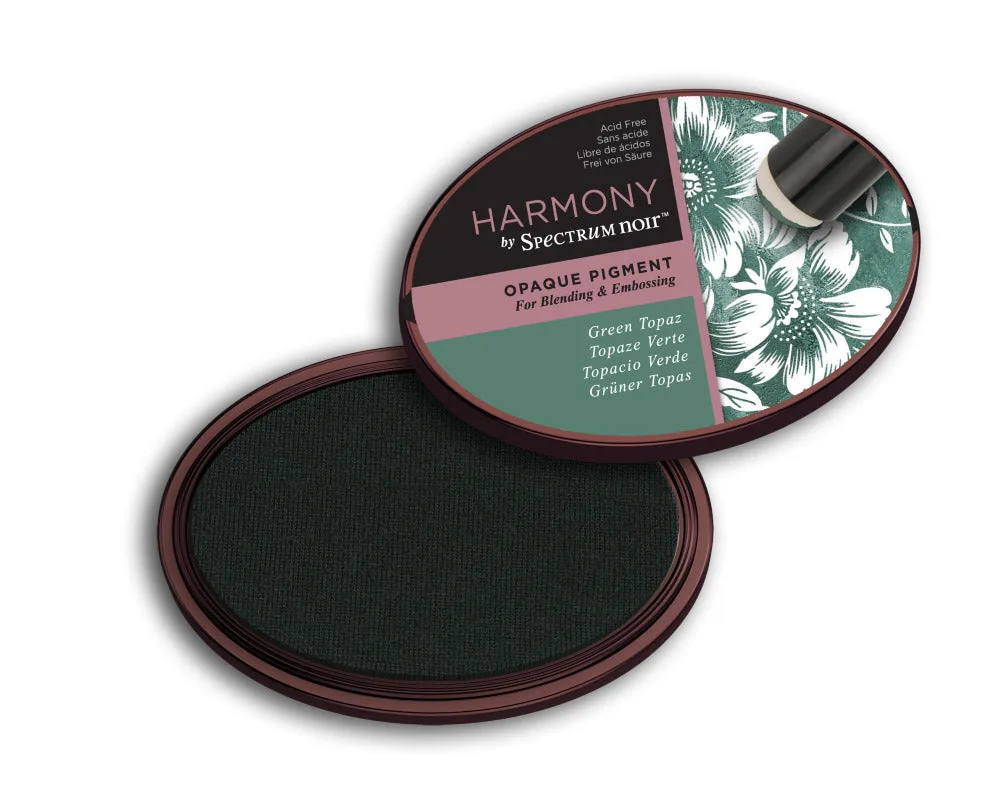
- Spectrum Noir Harmony Opaque Pigment Inkpad - Green Topaz: Spectrum Noir Harmony Opaque Pigment Inkpad - Green Topaz has a slow-drying, sticky texture designed for blending and embossing. Slow-drying pigment ink benefits from a closed, upright box away from heat and light, so it stays workable for blending sessions.
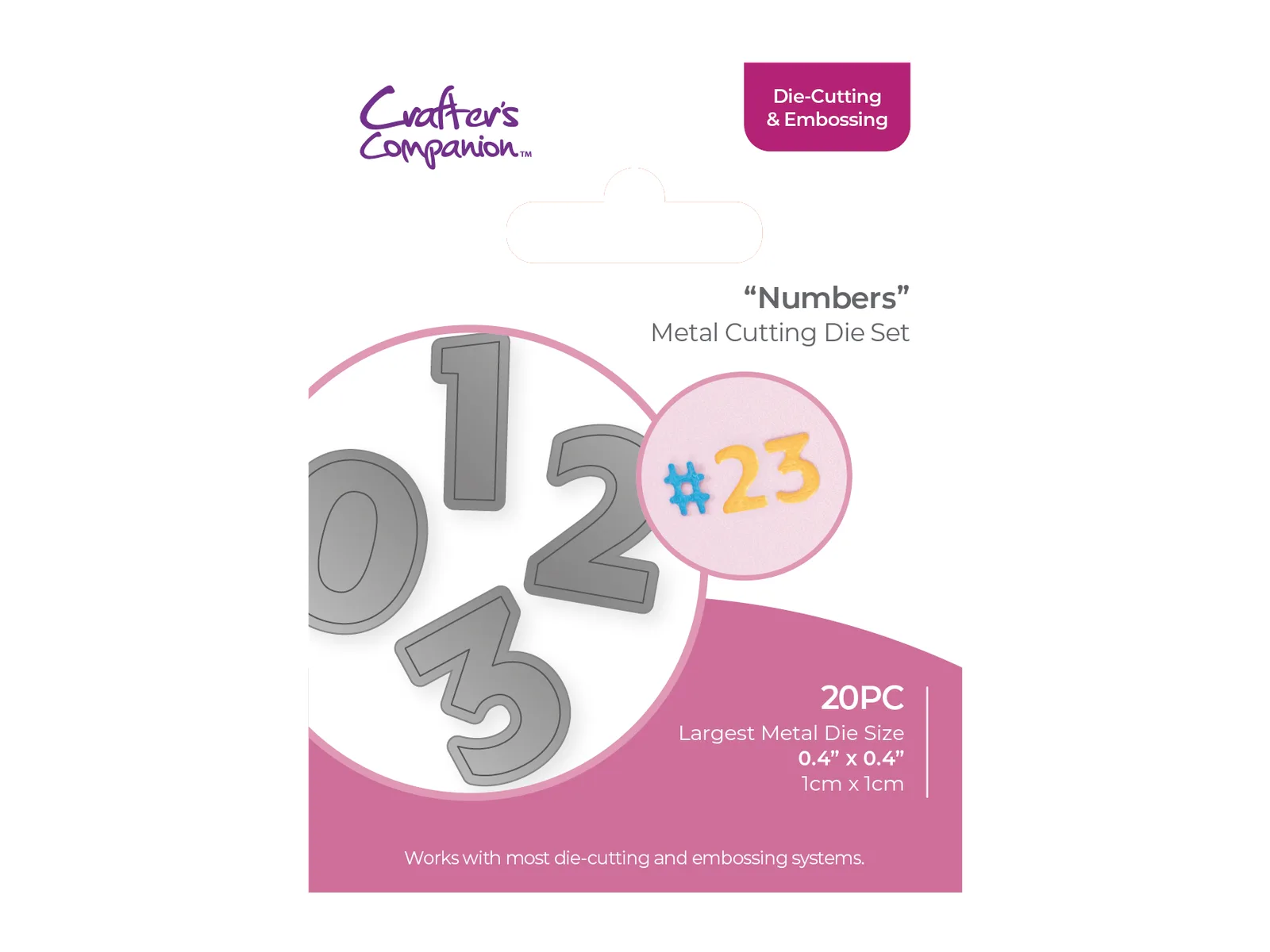
- Crafters Companion - Die Cutting & Embossing - Numbers: Crafters Companion - Die Cutting & Embossing - Numbers Mini Die Set includes 20 dies covering 0-9 plus punctuation marks. A small, single-theme die set is easy to keep in one labelled wallet or binder sleeve, which suits shelf-based storage in a tight space.
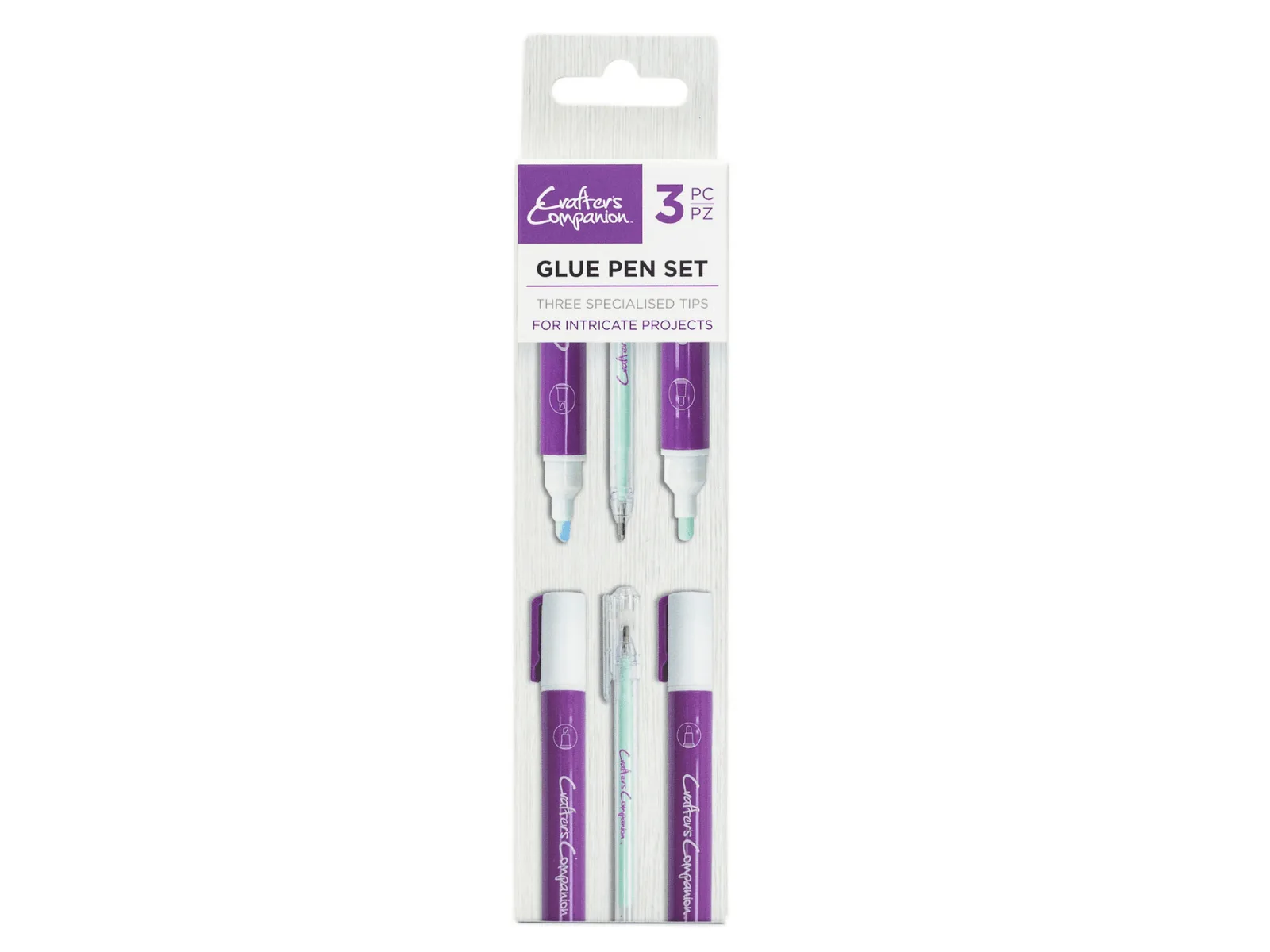
- Glue Pen Set 3 Pack: Glue Pen Set 3 Pack is designed for precise application and the glue appears blue when applied, drying to a tacky finish for foil, glitter, and gilding. Three slim pens take up less desk space than bulky adhesive bottles and can live in a shallow tray within reach.