Quick answer
Store expansions inside their base game box whenever the insert allows, and keep mini-expansion cards in labeled card sleeves or small deck boxes rather than loose. Group expansions by base game on the shelf, and store boxes vertically to reduce lid pressure. This keeps small cards from getting lost and makes setup faster.
Why expansion storage deserves its own system
Expansions arrive in every size and shape, from a few cards in a tuckbox to a full second box. Without a dedicated spot, small decks drift to the bottom of a shelf or get mixed into the wrong game, and you only notice when setup stalls. A storage system solves two problems at once: it protects components and cuts the time between opening a box and starting to play.
The approach below works for any collection size. It focuses on grouping, containment, and labeling so that every expansion has one obvious home.
Choose the right container for each expansion size
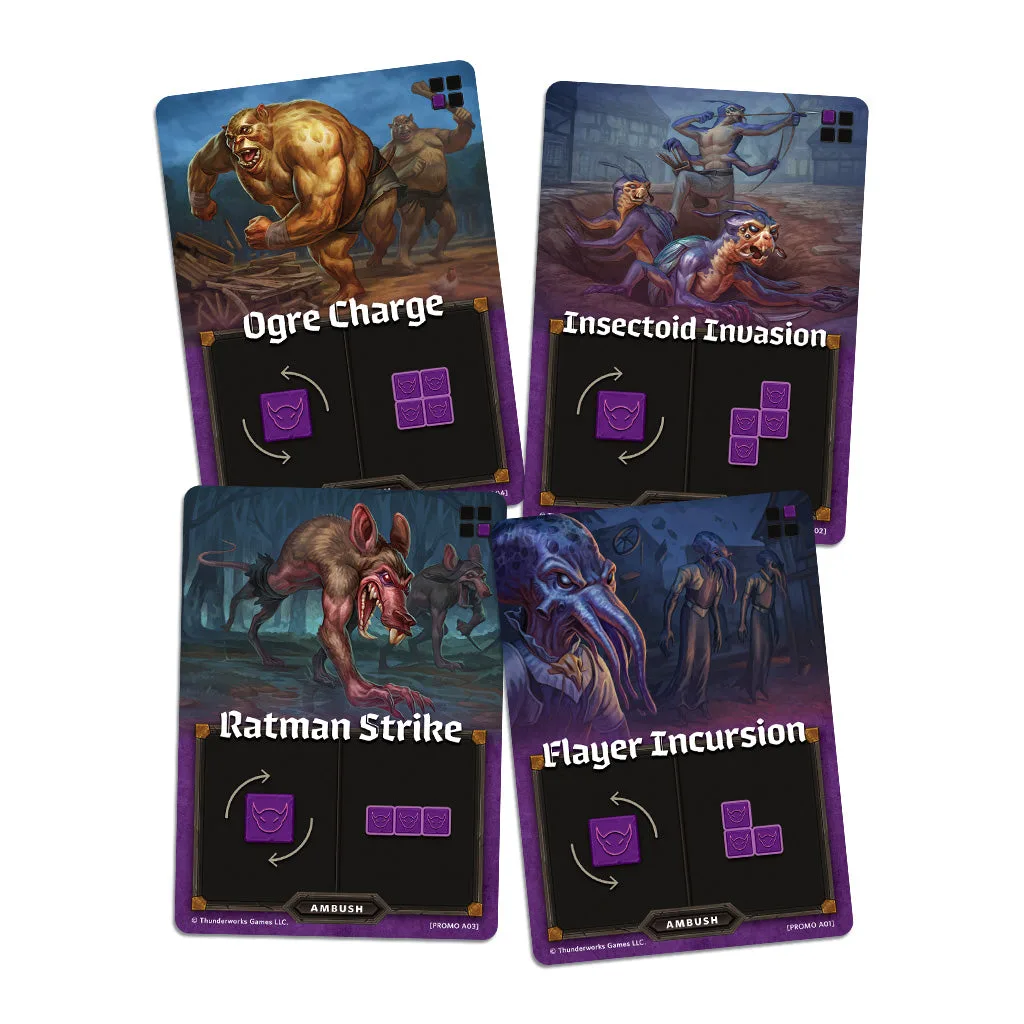
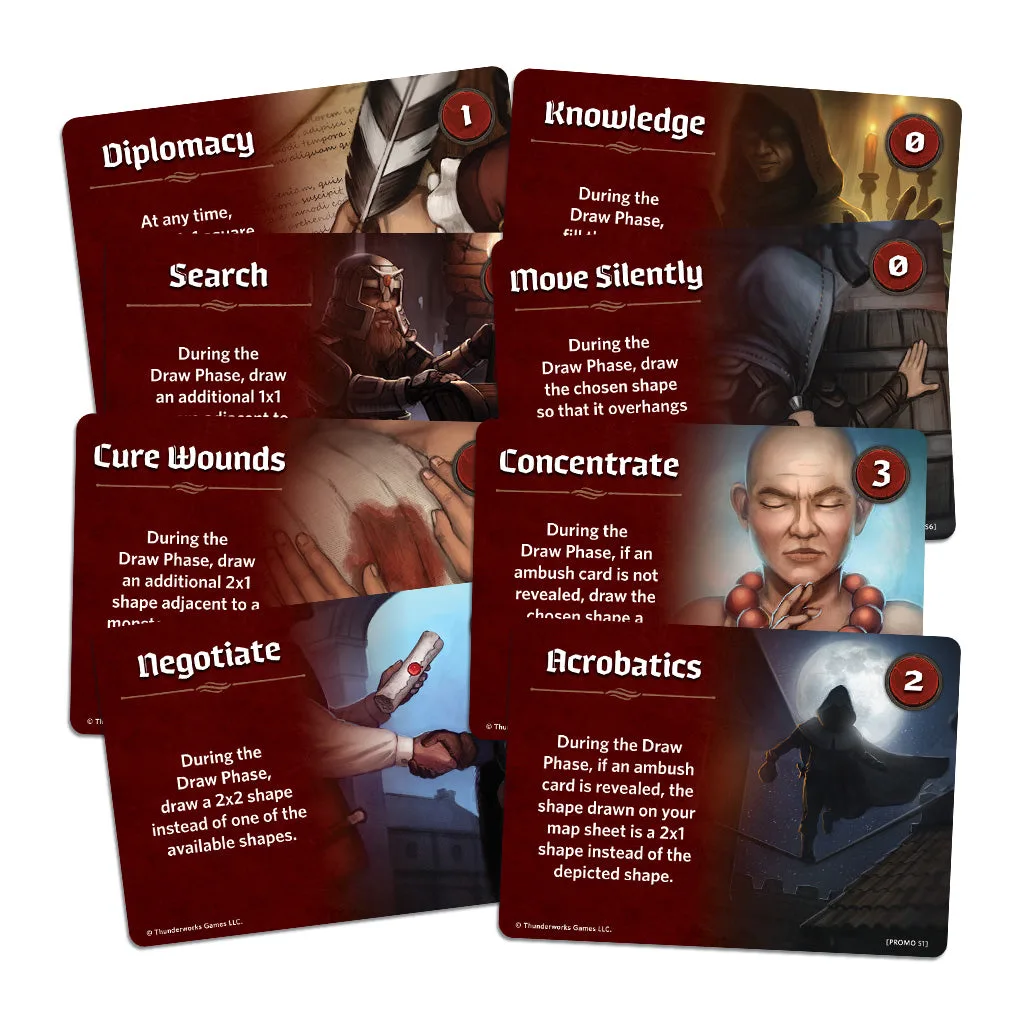
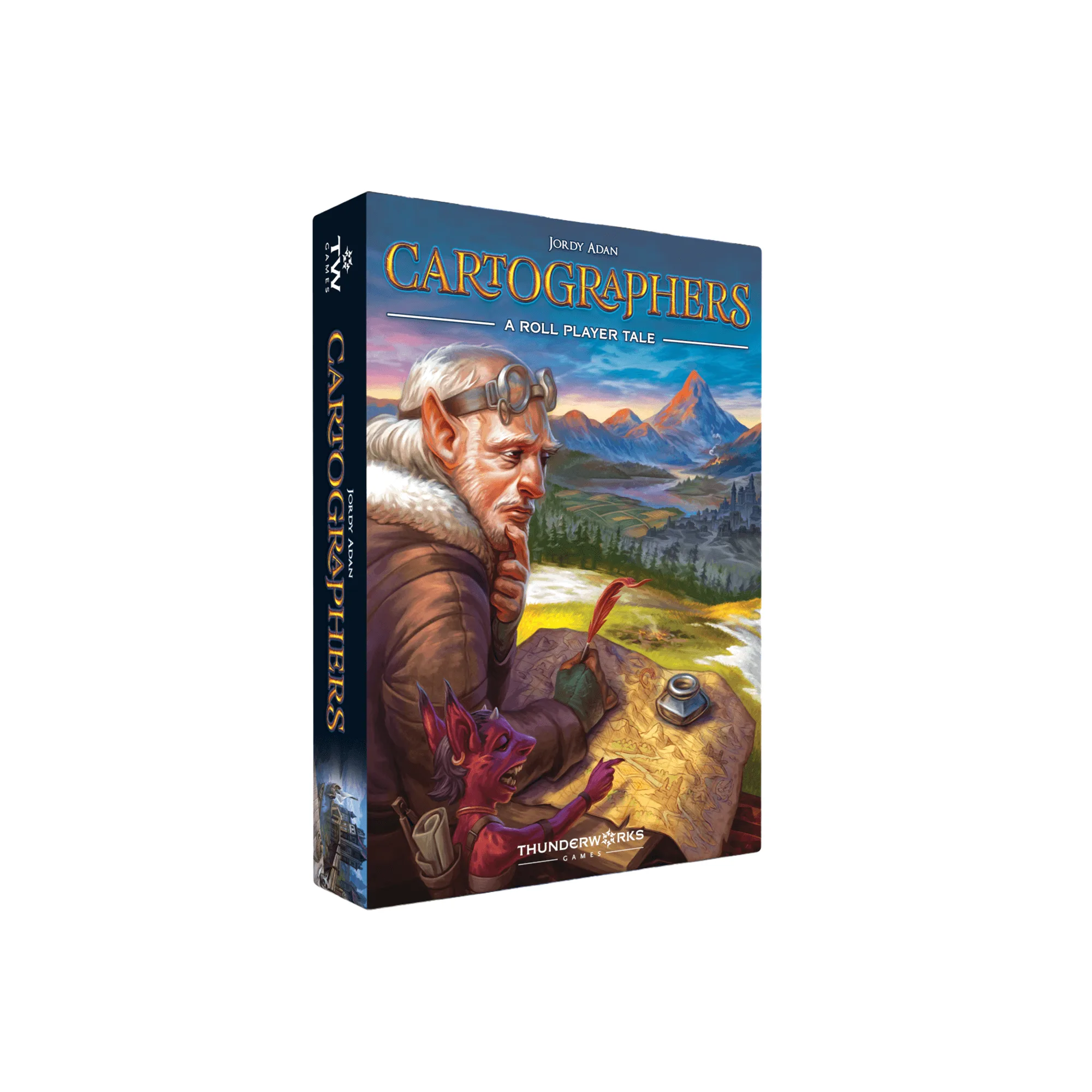
Match the container to the expansion, not the other way around. Full-size expansions usually fit in the base game box once you remove or modify the original insert. Mini expansions, which often contain only cards, are safer in a dedicated card container. For example, Cartographers: Skills 1 (Mini-Expansion) adds 8 skill cards and 1 rules card, while Cartographers: Ambush 1 (Mini-Expansion) adds 4 ambush cards. Both are small enough to store in a labeled deck box or a few card sleeves, keeping them separate from the main deck until you are ready to shuffle them in.
Cartographers
If you keep mini expansions in the base box, use a small bag or band to hold the cards together. A loose stack will scatter the moment the box is tilted.
Decide when to combine and when to keep separate
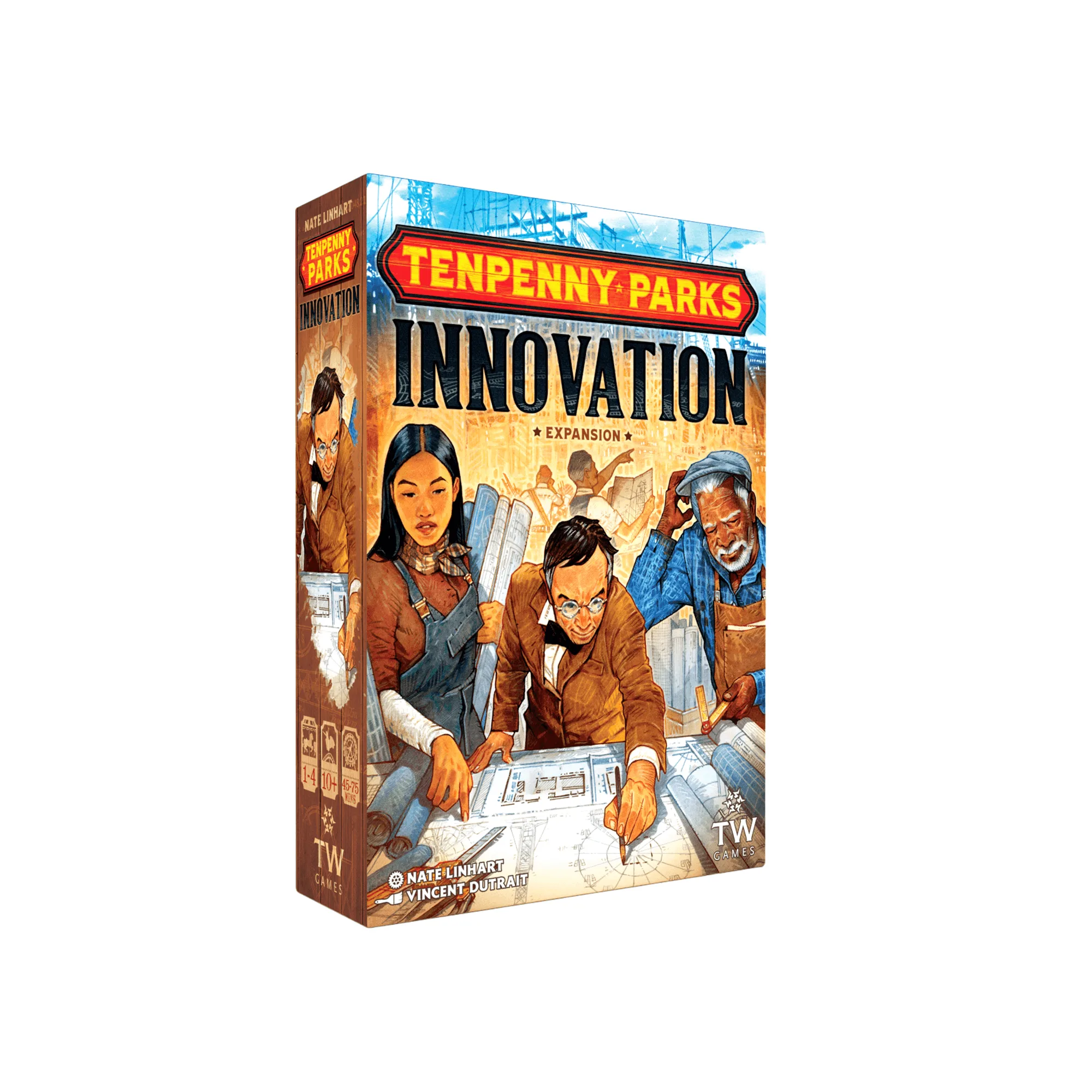
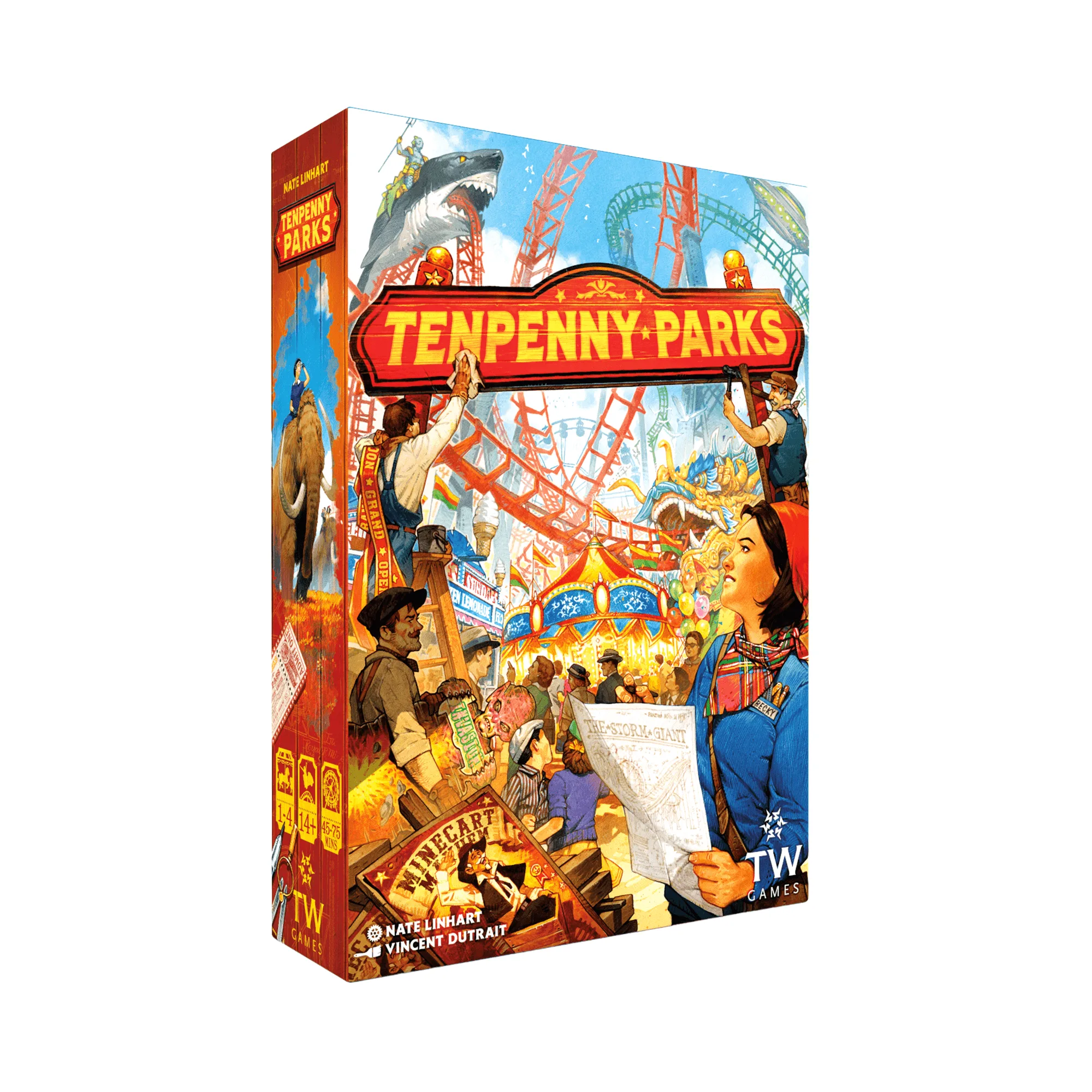
Combining expansions into the base box saves shelf space, but it can make sorting harder if you own several. A practical rule: combine expansions that you always play together, and keep optional or rarely used ones separate. For games with a single large expansion, like Tenpenny Parks: Innovation (Expansion), the expansion box itself can become the storage home if the base insert no longer fits everything.
Tenpenny Parks
Check the insert before you commit. Some inserts have molded wells that fit only the base components; forcing extra cards into them can bend cards or crack plastic.
Label everything you store
Labels are the cheapest upgrade to any storage system. Write the base game name and expansion name on the outside of every deck box, bag, or band. If you store multiple mini expansions together, list each one so you do not have to open the container to check.
For card-only expansions, a small sticker on the deck box works better than a rubber band, which can dent card edges over time.
Set up shelf organization that survives new purchases
Store boxes vertically like books, not stacked flat. Vertical storage reduces pressure on lids and makes it easier to pull one box without disturbing the rest. Group by base game, then by expansion type, so related boxes sit together. Leave a little empty space at the end of each group; that gap becomes the landing spot for the next expansion instead of a pile on the floor.
If you keep mini expansions in a separate drawer or bin, sort them alphabetically by base game. This keeps small items findable even when they are not on the main shelf.
Protect cards and components during storage
Sleeves add thickness, so measure before you commit a deck to a tight box. For mini expansions with only a few cards, a single sleeve per card or a small deck box is usually enough. Keep stored boxes away from direct sunlight and damp areas; even a short exposure to moisture can warp cards and cardboard tokens.
When you rotate games on and off the shelf, check that no small cards have slipped out of their container. A quick shake of each box before it goes back is a good habit.
Five steps to organize your expansions
- Sort expansions by base game: Pull every expansion off the shelf and group them by the base game they belong to. This shows you how much space each game really needs. Checkpoint: if an expansion has no base game, set it aside for a trade or sale pile.
- Pick a container for each expansion: Use the base game box for full-size expansions when the insert allows. For mini expansions, choose a deck box, bag, or sleeve that fits the card count. Common mistake: forcing cards into a molded insert that was not designed for them.
- Label every container: Write the base game and expansion name on the outside of each deck box, bag, or band. For combined storage, list all included expansions. Checkpoint: you should be able to identify the contents without opening the container.
- Store boxes vertically on the shelf: Stand boxes like books and group them by base game. Leave a small gap at the end of each group for future expansions. Common mistake: stacking boxes flat, which puts pressure on lids and makes it hard to remove one box.
- Protect and check components regularly: Keep stored boxes out of sunlight and damp areas. Before returning a box to the shelf, give it a gentle shake to confirm no small cards have slipped out. Next step: schedule a quick shelf check every few months to catch loose cards or worn containers.
Expansion storage examples
- Cartographers: Skills 1 (Mini-Expansion): Cartographers: Skills 1 (Mini-Expansion) includes 8 skill cards and 1 rules card. A small deck box or a few card sleeves can hold the entire expansion, keeping the skill cards separate from the main deck until you are ready to use them.
- Cartographers: Ambush 1 (Mini-Expansion): Cartographers: Ambush 1 (Mini-Expansion) adds 4 ambush cards with new monster shapes. Because it is only four cards, a labeled sleeve or a single small bag prevents them from getting mixed into the base game's ambush deck before you want them there.
- Tenpenny Parks: Innovation (Expansion): Tenpenny Parks: Innovation (Expansion) is a robust expansion for Tenpenny Parks. A larger expansion like this often needs its own box or a modified base insert; plan shelf space for the full box rather than trying to squeeze it into a card sleeve.