Quick answer
Store board games vertically on sturdy, shallow shelves in a room with stable temperature and humidity, and group them by player count or play style rather than by box size. Before you buy another shelf, measure your space, cull or relocate what you never play, and add inserts only to games you actually want to keep long term.
Start with a realistic shelf and room plan
Measure the wall where the collection will live, then choose shelves that are shallow enough that boxes do not sit two-deep. Deep shelves encourage stacking, which crushes corners and hides games you forget you own. A stable indoor room away from radiators, windows, and damp basements protects cardboard and paper components from warping. If you live in a humid climate, a simple digital hygrometer helps you notice swings before they damage boxes.
- Aim for shelves roughly 12 to 14 inches deep so standard boxes sit flush.
- Keep the collection out of direct sun; fading is permanent.
- Check the floor or wall fixings can carry the full weight of loaded shelves.
Sort games by how you actually play
The fastest way to make a collection usable is to sort by play context, not publisher or box color. Keep quick two-player games near the table, party games near the door for easy grabbing, and long campaign games on a higher or less accessible shelf. This reduces the chance that a heavy game gets pulled out on a weeknight when nobody has the energy for it.
- Label shelf sections with player count or time range.
- Put games you play most at eye level.
- Reserve one shelf for new arrivals until they earn a permanent spot.
Choose vertical or horizontal storage deliberately
Vertical storage saves space and lets you read spines, but it can cause components to shift inside the box. Horizontal stacking protects inserts but makes lower games hard to reach and puts weight on lids. A mixed approach works well: store most games vertically, then lay flat only the games with loose miniatures or poorly fitting inserts. If a box has no insert, bag components before shelving so nothing rattles against the boards.
- Vertical is best for uniform box sizes and easy browsing.
- Lay flat only when the insert holds everything in place.
- Never stack more than three or four heavy boxes on top of each other.
Protect boxes and components before they wear
Cardboard corners fail first, so reinforce the boxes you handle most. Clear tape on the outside corners is ugly but effective; corner protectors are neater if you care about appearance. Inside the box, use zip bags, small tuck boxes, or a custom insert to stop pieces from sliding. For card-heavy games, sleeve only the cards that see constant shuffling, since sleeving everything adds bulk and cost.
- Reinforce corners on games that travel to game night.
- Bag loose tokens by type so setup stays fast.
- Keep rules in a bag or folder so they do not get crushed.
Use inserts and upgrades only where they help
A board game insert can cut setup time, but it also adds weight and cost. Buy or print inserts for games you play often and that have many small pieces. For lighter card games, a few zip bags are usually enough. If a game already has a good factory insert, leave it alone. The goal is faster table time, not a perfectly uniform shelf.
- Prioritize inserts for games with 50 or more loose components.
- Skip inserts for games you plan to trade or sell.
- Test that the lid closes fully before committing to an insert.
Manage growth with a one-in, one-out habit
A growing collection eventually outgrows any shelf plan. Set a simple rule: when a new game arrives, one older game leaves the main shelf, either sold, traded, or moved to a storage bin. This keeps the active collection playable and prevents the shelf from becoming a warehouse. Revisit the rule every few months, because your taste in games will change.
- Keep a donation or trade box near the shelf.
- Track plays for a year before deciding what to cut.
- Store overflow in a closet, not on the main display shelf.
Step-by-step storage routine
- Measure and choose the shelf: Measure your wall and pick a shallow, sturdy shelf that fits standard boxes without double-stacking. Checkpoint: boxes should sit flush, not hang over the edge.
- Sort by play context: Group games by player count, time, or genre so the right game is easy to grab. Checkpoint: the games you play weekly should be at eye level.
- Decide vertical or horizontal per game: Store most games vertically for browsing, but lay flat any box with loose miniatures or a weak insert. Checkpoint: shake a closed box gently; if it rattles, bag the components.
- Protect high-use boxes: Reinforce corners and bag loose pieces before the wear becomes permanent. Checkpoint: rules and cards should stay flat and dry.
- Add inserts only where they save time: Buy or print inserts for games with many small pieces that you play often. Checkpoint: the lid must close fully after the insert is loaded.
- Set a one-in, one-out rule: When a new game arrives, move one older game to a trade box or overflow storage. Next step: review the trade box every few months.
Product facts
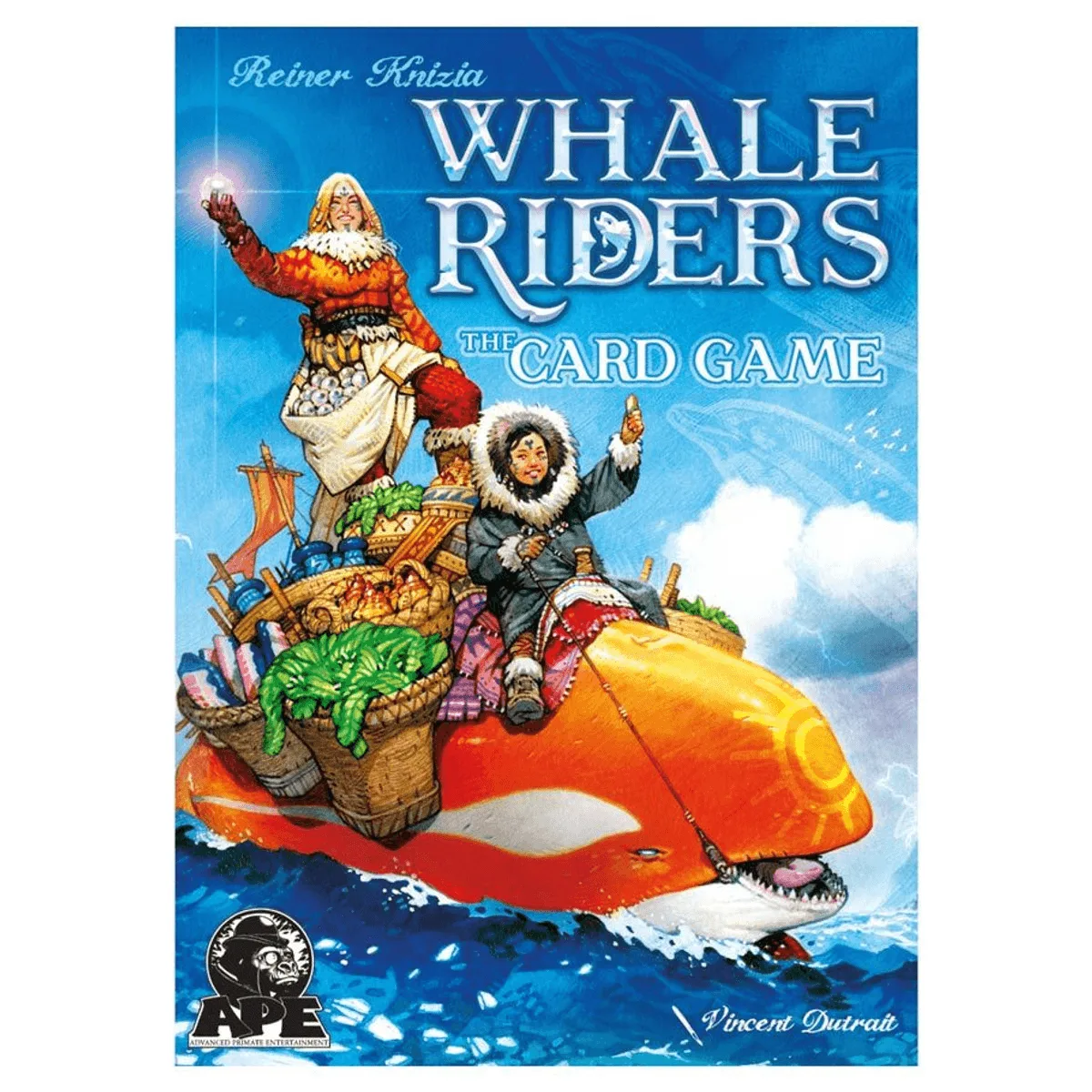
- Whaleriders: Card Game: Whaleriders: Card Game is a card game about whale riders making a final group journey from port to port to gather supplies for their clans. Small card games like this store easily in a single deck box or zip bag, so they are good candidates for a dedicated travel or quick-play shelf.
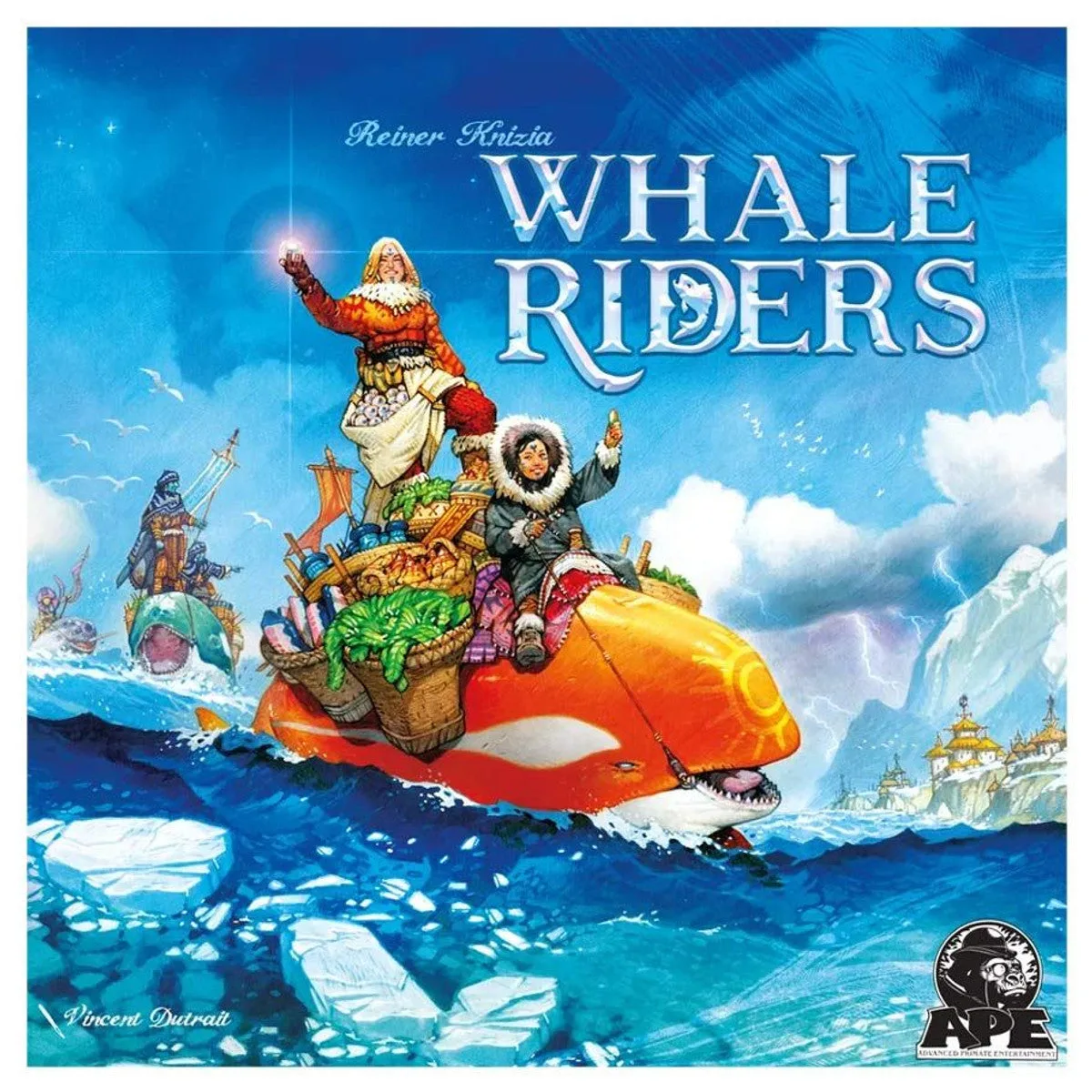
Whaleriders
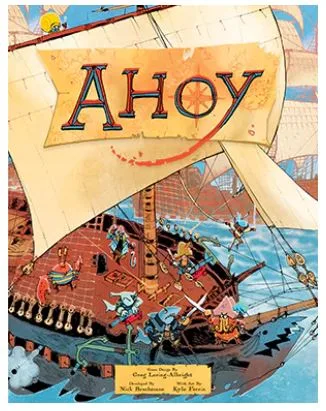
- Ahoy: Ahoy is a dice-placement game for smugglers and soldiers on the high seas, with factions such as the Bluefin Squadron and the Mollusk Union. Dice-heavy games benefit from a compartmented insert or bags so dice and faction components do not mix between plays.
- Sunset (Import): Sunset is a trick-taking game with five suits numbered 0 to 9, and half of each player's hand is visible before the game begins. Because hand visibility is part of play, keeping the cards clean and unsleeved or lightly sleeved helps preserve the hidden-information balance.