Quick answer
Keep each TOOBS set in its own labeled container, store the containers in one shallow bin, and pack a small rotating selection for travel. This keeps mini toys sorted, makes cleanup fast, and prevents the loose-pile problem that turns playtime into a search mission.
TOOBS mini toys are wonderful because they pack a lot of play into a tiny footprint. That same small size is exactly why they can take over a drawer, a backpack, or the floor if they do not have a home. The fix is not complicated, but it does need a system.
This guide walks through a simple storage setup you can build from containers you may already own. It covers sorting, labeling, travel packing, and the small habits that keep the system working after the first week.
Start by sorting one TOOBS set at a time
Empty one TOOBS tube or bag onto a tray and sort the figures back into their original set. Mixing sets is the main reason mini toy organization falls apart, because a missing figure turns a complete set into a random pile. Work on a tray with a raised edge so small pieces do not roll away.
If you have several TOOBS sets, sort them one at a time rather than dumping everything together. This takes longer upfront but saves far more time later. It also gives you a chance to spot broken or duplicate figures before they get buried.
- Use a rimmed baking sheet or shallow tray as your sorting surface.
- Keep the original TOOBS tube or packaging if you have it; it is already sized for the set.
Choose containers that match how your child plays
The best container depends on whether your child plays with one set at a time or likes to combine sets. For single-set play, a small clear zip pouch or a short stackable box works well because it keeps the set together and lets your child see what is inside without opening everything.
For combined play, a slightly larger bin with a few dividers lets several sets live together without turning into a jumble. Clear containers are worth the small extra cost because they reduce dumping. If a child can see the cheetah cub through the side, they are less likely to empty the whole bin looking for it.
- Clear containers cut down on dumping because the contents are visible.
- Avoid one giant bin with no dividers unless you enjoy sorting 50 tiny figures every week.
Label by set name, not by category
Label each container with the exact set name, such as the dinosaur set or the sea life set. Broad labels like animals or toys sound tidy but do not help a child find a specific figure. A set name tells them exactly where the cheetah cub belongs when it is time to clean up.
Use a label maker, a permanent marker on masking tape, or a printed sticker. If your child cannot read yet, add a small picture or a colored dot that matches the set. The goal is a system a four-year-old can follow without an adult standing over them.
- Write the set name on both the container and the lid so a misplaced lid is easy to reunite.
- For pre-readers, pair each label with a simple icon or color code.
Set up one home base for all mini toys
Pick a single shelf, drawer, or shallow bin as the home base for every TOOBS set. Scattering sets across the house is the fastest way to lose figures. A shallow bin on a low shelf works well because children can reach it, see the labeled containers, and put them back without help.
Keep the home base near where your child usually plays. If the bin lives in a distant closet, the toys will migrate to the playroom floor and stay there. A little friction removed at the storage step makes the whole system more likely to survive.
- A shallow bin beats a deep one because nothing gets buried at the bottom.
- If the home base is upstairs and play happens downstairs, add a small secondary caddy that travels with the toys.
Build a travel kit with a rotating selection
For travel toy storage, do not bring the whole collection. Choose three or four sets, put them in a zip pouch or small case, and leave the rest at home. A rotating selection keeps the toys feeling new and keeps the bag light enough for a child to carry.
A small case with elastic loops or a few compartments works well for figures that roll. If you are using a pouch, add a hair tie or a small drawstring bag inside to keep each set separate. The Mini Rattlesnake Finger Puppet is a good example of a soft item that can share space with hard figures without scratching them.
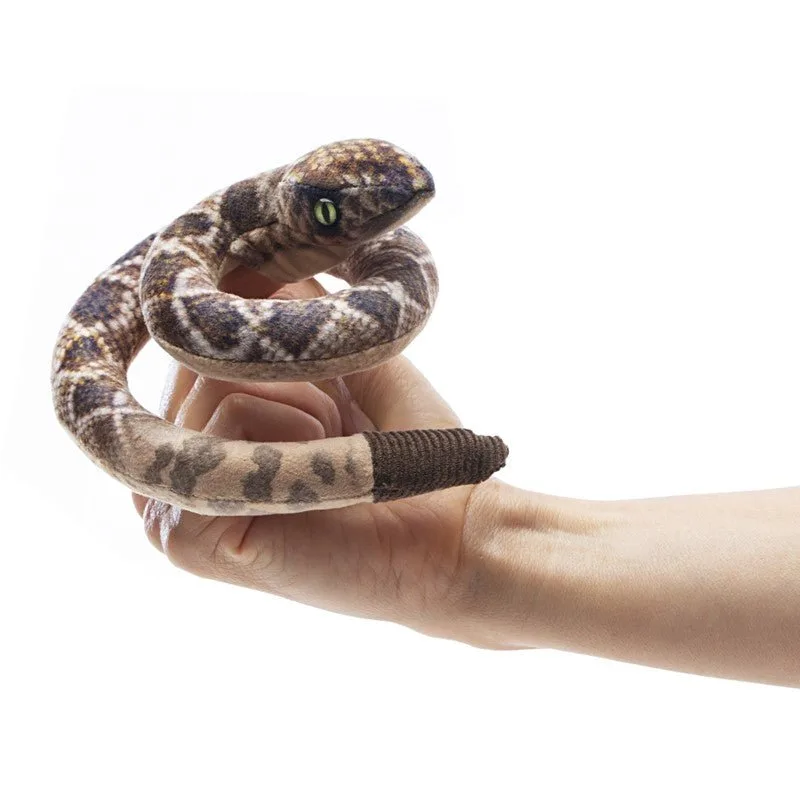
Mini Rattlesnake Finger Puppet
- Pack one set per small bag inside the travel case so a spilled bag is not a full collection spill.
- Leave room for one surprise set to swap in on the return trip.
Make cleanup part of the play routine
The most durable storage system is the one your child helps maintain. Turn cleanup into a quick sorting game: call out a set name and have your child find its figures. This works especially well with sets that have a clear theme, like the Dino Dana Baby T-Rex with Augmented Reality, which is easy to recognize and return to its dinosaur container.
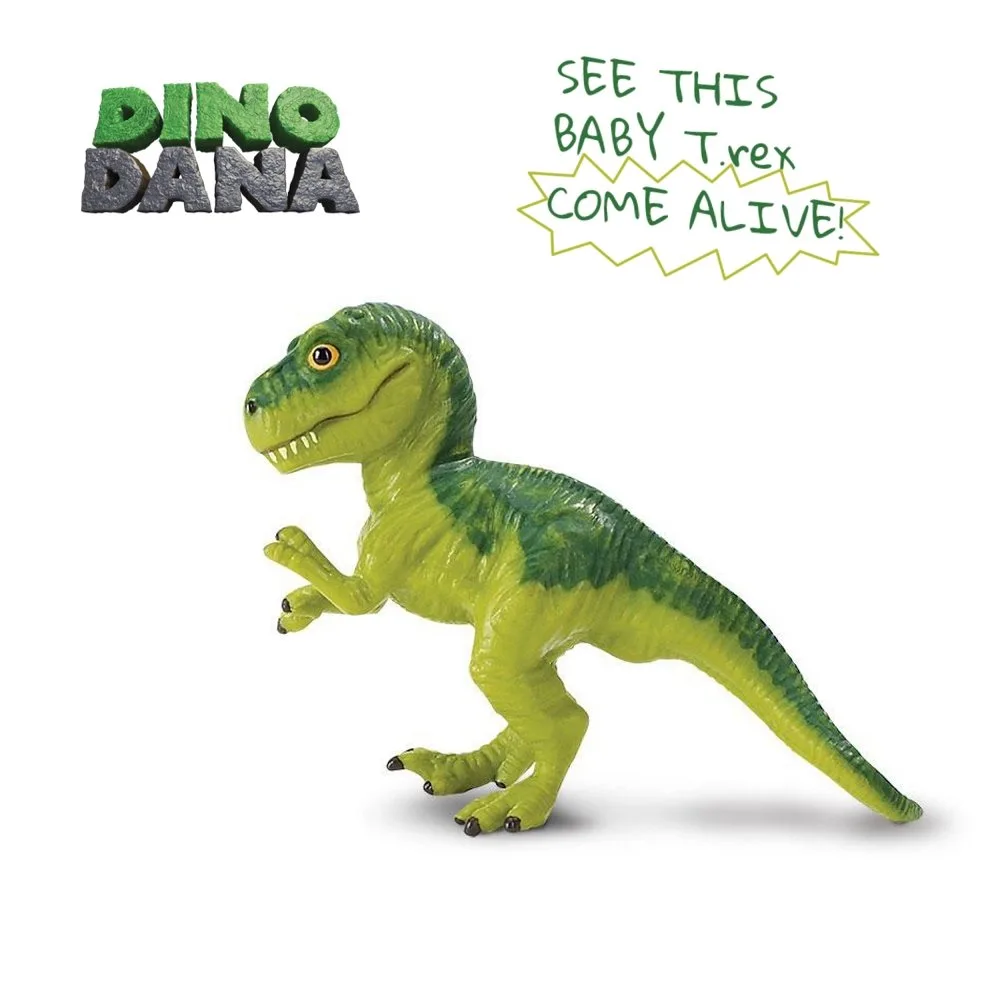
Dino Dana Baby T-Rex with Augmented Reality
Set a two-minute timer for cleanup and keep it light. The goal is a habit, not a perfect floor. If a few figures end up in the wrong container, fix them during the next sorting session rather than turning cleanup into a chore.
- A timer makes cleanup feel like a game instead of a punishment.
- Check the floor and couch cushions once a week for strays before they disappear for good.
Your TOOBS storage setup in six steps
- Sort one set at a time: Empty a single TOOBS set onto a rimmed tray and return the figures to their original grouping before touching the next set. Checkpoint: every figure in the tray belongs to the set you are holding.
- Match containers to play style: Use small clear pouches or short boxes for single-set play, or a divided bin if your child likes to combine sets. Checkpoint: your child can see what is inside without dumping the container.
- Label by set name: Write the exact set name on the container and lid, and add a color dot or icon for children who cannot read yet. Checkpoint: a four-year-old can find the right container without help.
- Create one home base: Choose a shallow bin on a low shelf near the play area and keep every TOOBS set there. Checkpoint: the bin is reachable and visible from where your child usually plays.
- Pack a rotating travel kit: Choose three or four sets, bag each one separately inside a small case, and leave the rest of the collection at home. Checkpoint: the travel case closes easily and your child can carry it.
- Make cleanup a two-minute game: Call out set names, have your child return the figures, and use a timer to keep it quick and light. Checkpoint: most figures are back in their labeled containers before the timer ends.
Products that fit this storage system
- Mini Rattlesnake Finger Puppet: This plush rattlesnake finger puppet measures 5 inches long, 1 inch wide, and 5 inches tall and is recommended for ages 3 years and up. Its soft body can share a travel pouch with hard figures without scratching them, making it a good companion piece for a small toy storage kit.
- Dino Dana Baby T-Rex with Augmented Reality: This Dino Dana Baby T-Rex uses augmented reality technology and is part of the Safari Ltd and Dino Dana collaboration. Its distinct look makes it easy for a child to identify and return to the correct dinosaur set during cleanup, which supports a labeled storage system.
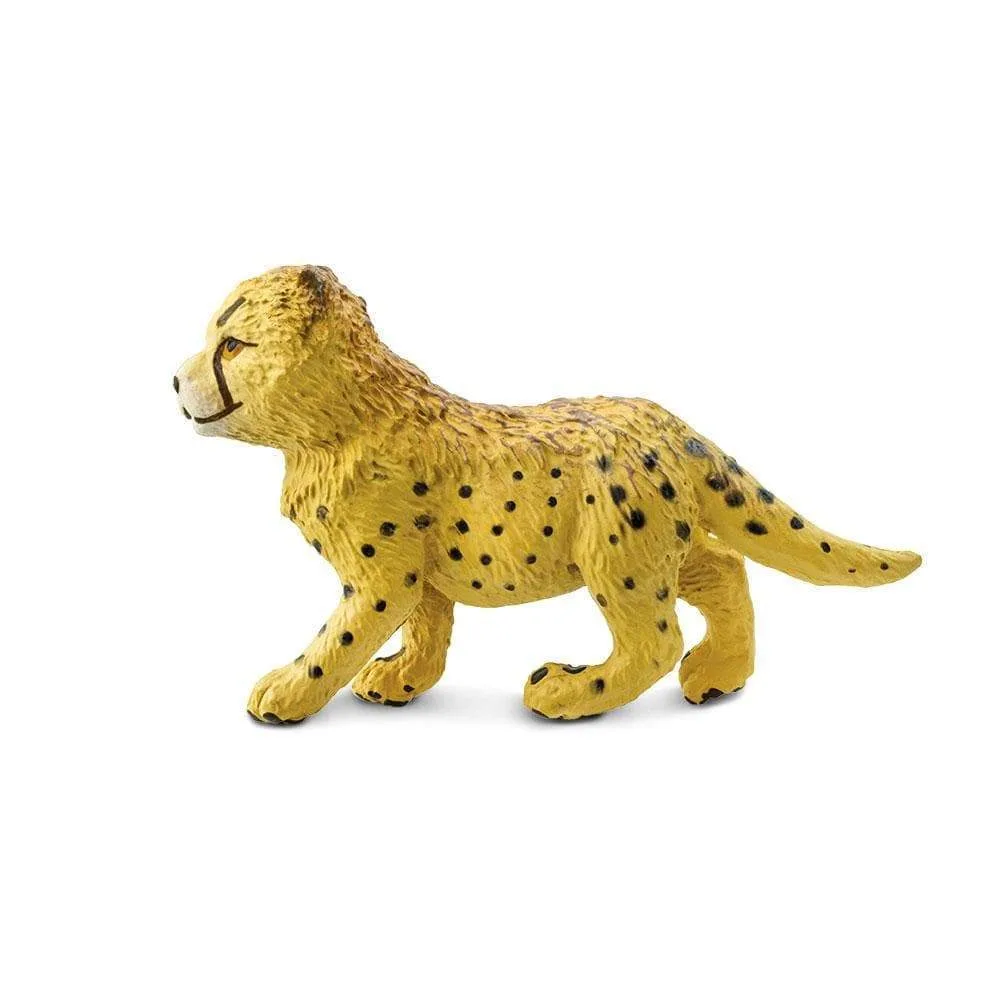
- Cheetah Cub Toy: This cheetah cub figure represents a young cheetah, a species known for reaching speeds up to 70 mph as an adult. Small wildlife figures like this are exactly the kind that disappear into loose piles, so giving them a dedicated set container keeps the collection complete.
A good TOOBS storage system does not need to be expensive or complicated. Sort by set, label clearly, keep one home base, and pack only a small rotating selection for travel. Do that, and your mini toys stay ready for play instead of disappearing into the bottom of a bin.